Laboratory of Animal Molecular Physiology, Institute of Biochemistry and Biophysics, Polish Academy of Sciences, Warsaw, Poland.
Laboratory of Protein Metabolism, International Institute of Molecular and Cell Biology in Warsaw, Warsaw, Poland.
Nat Commun. 2024 Mar 28;15(1):2715. doi: 10.1038/s41467-024-47016-x.
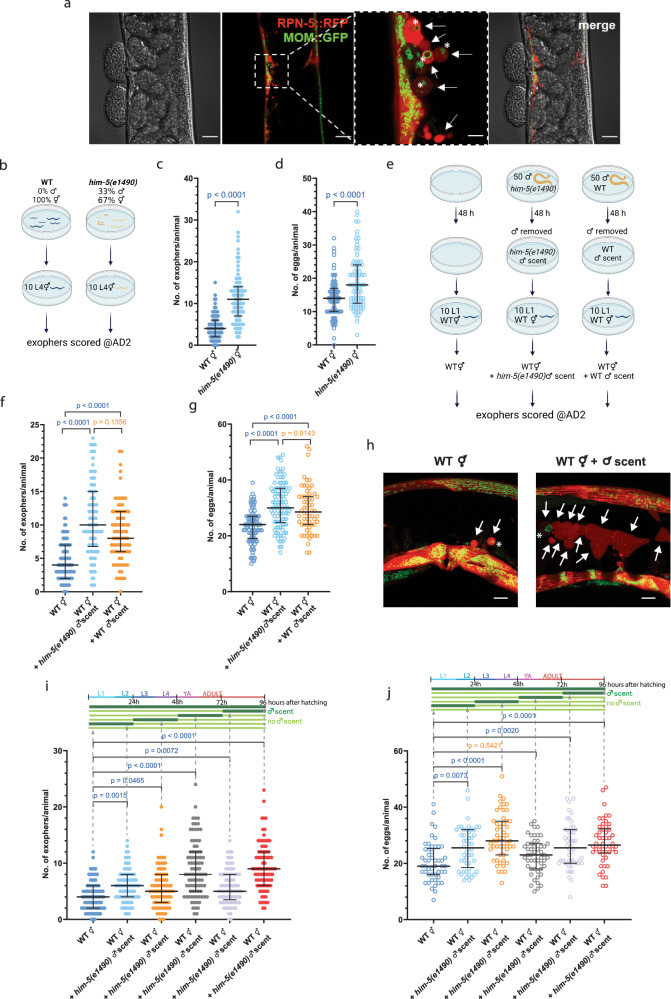
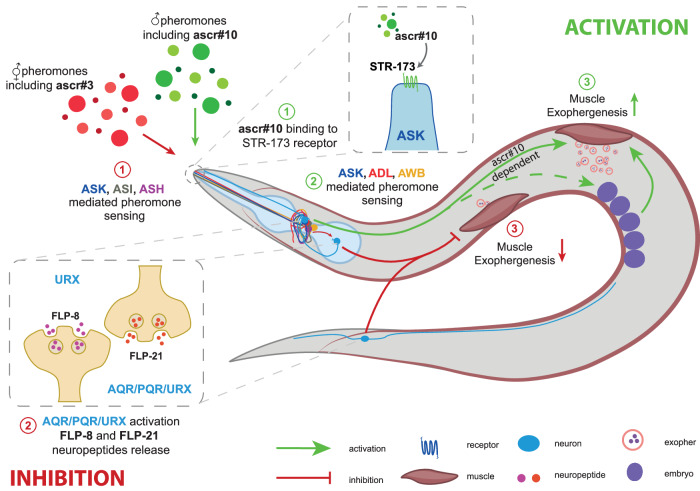
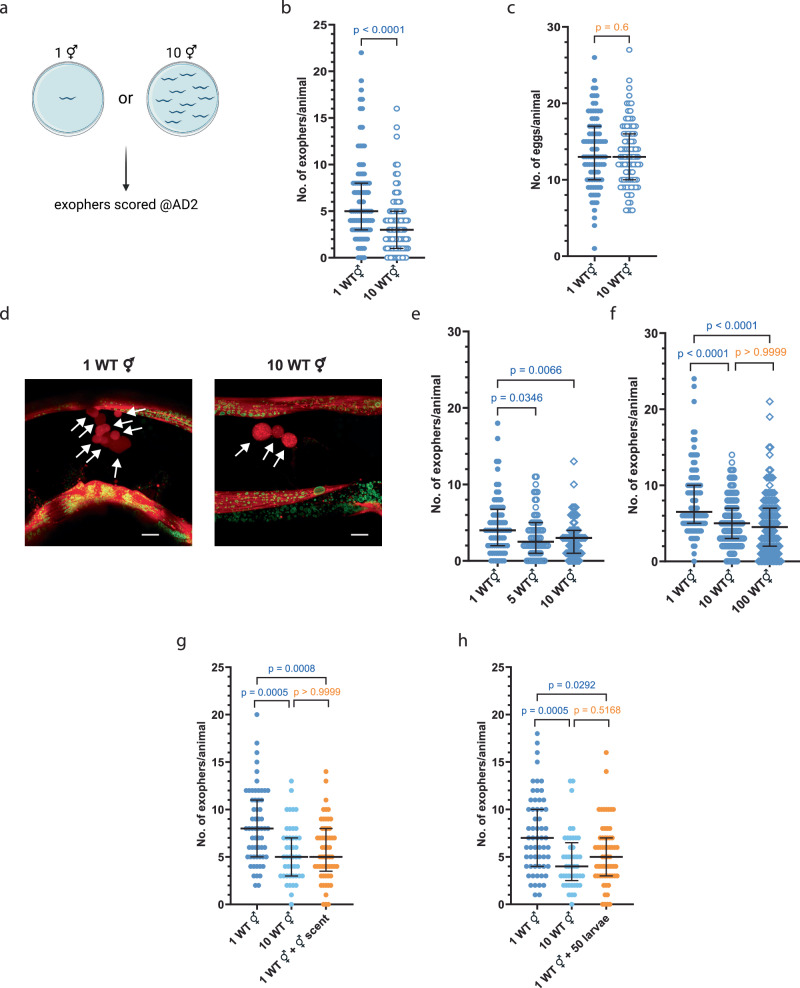
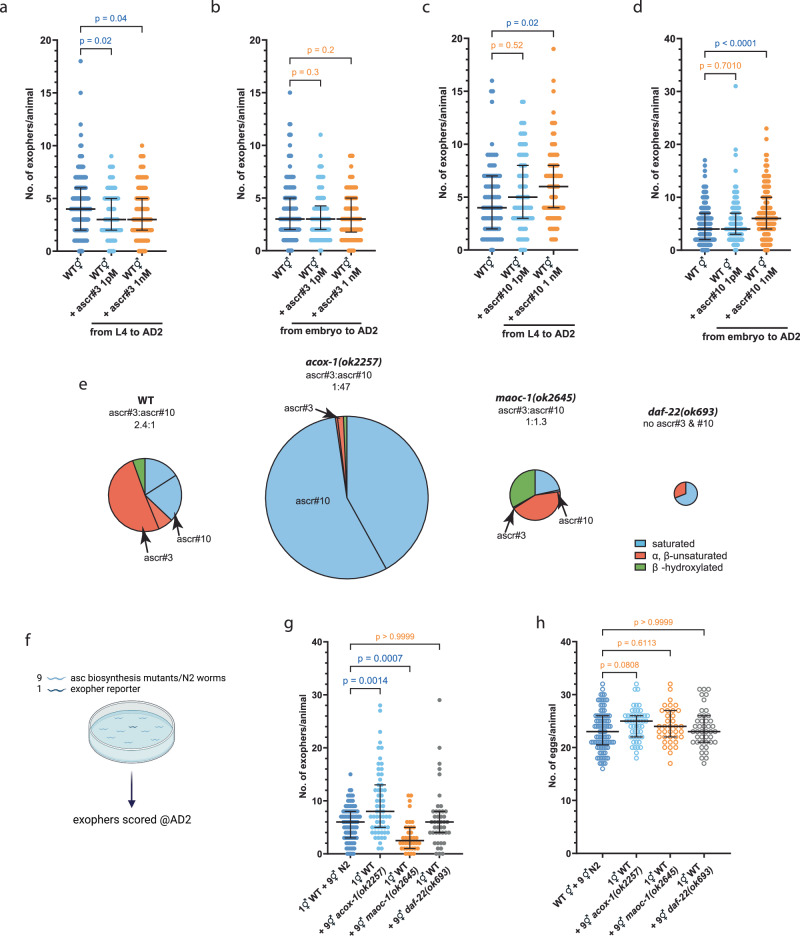
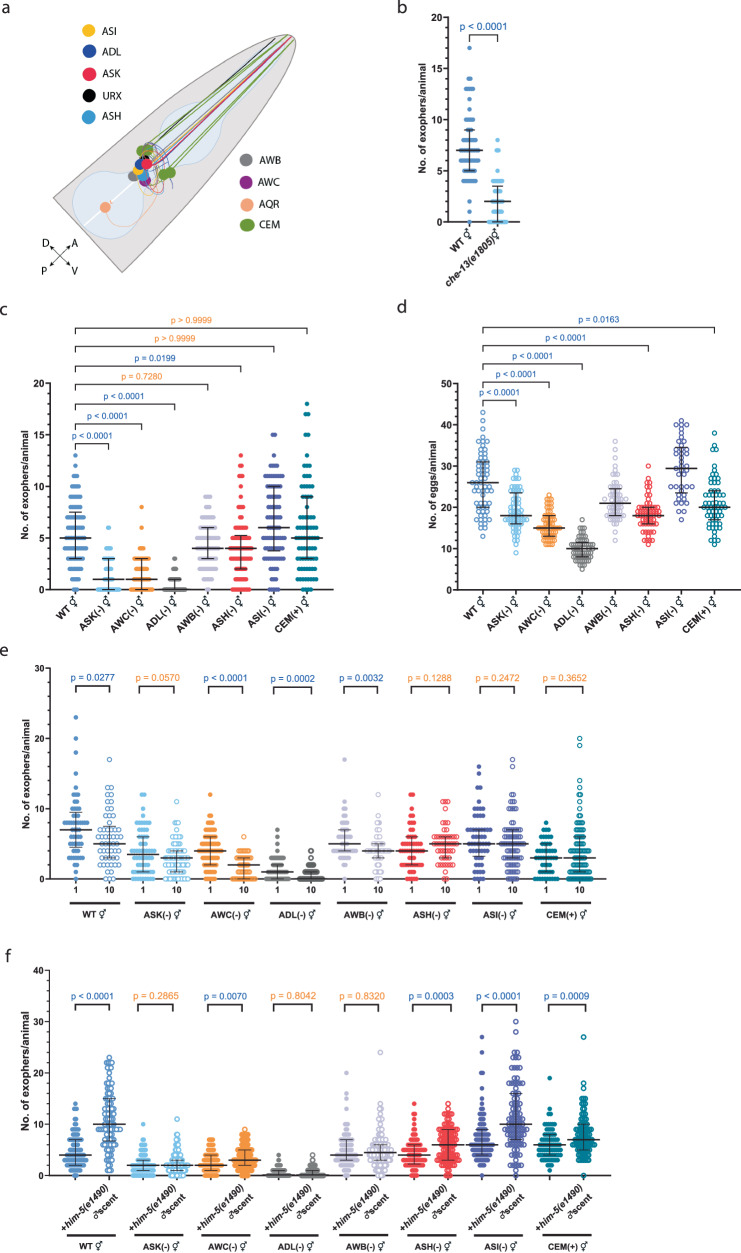
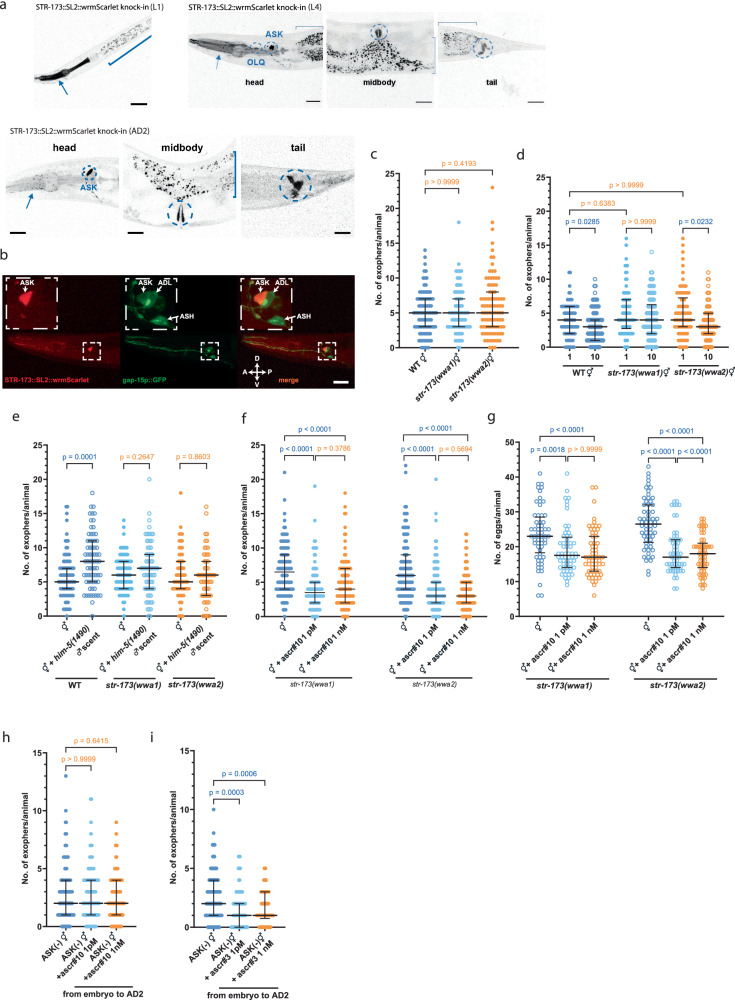
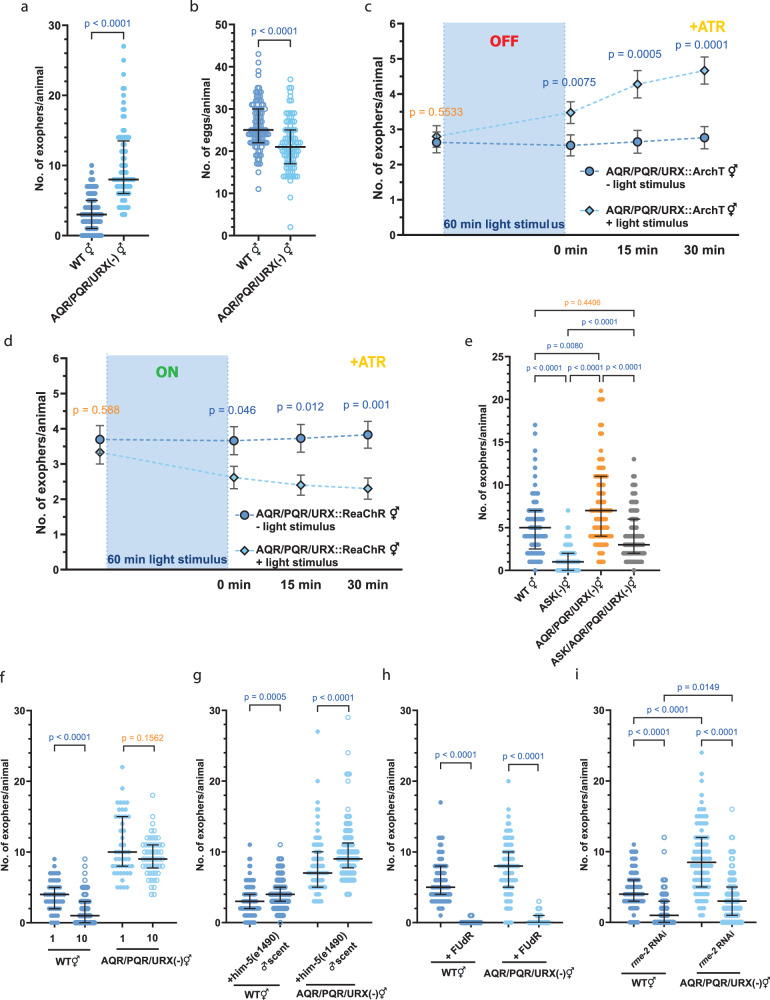
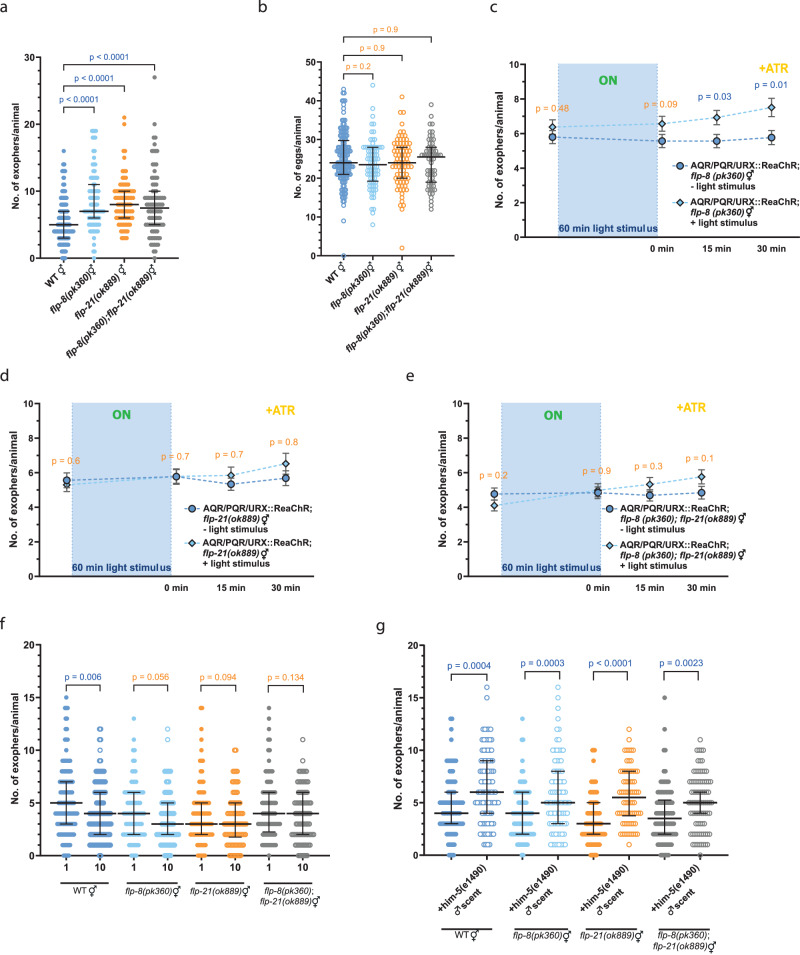
Extracellular vesicles (EVs) are integral to numerous biological processes, yet it is unclear how environmental factors or interactions among individuals within a population affect EV-regulated systems. In Caenorhabditis elegans, the evolutionarily conserved large EVs, known as exophers, are part of a maternal somatic tissue resource management system. Consequently, the offspring of individuals exhibiting active exopher biogenesis (exophergenesis) develop faster. Our research focuses on unraveling the complex inter-tissue and social dynamics that govern exophergenesis. We found that ascr#10, the primary male pheromone, enhances exopher production in hermaphrodites, mediated by the G-protein-coupled receptor STR-173 in ASK sensory neurons. In contrast, pheromone produced by other hermaphrodites, ascr#3, diminishes exophergenesis within the population. This process is regulated via the neuropeptides FLP-8 and FLP-21, which originate from the URX and AQR/PQR/URX neurons, respectively. Our results reveal a regulatory network that controls the production of somatic EV by the nervous system in response to social signals.
细胞外囊泡 (EVs) 是许多生物学过程的重要组成部分,但目前尚不清楚环境因素或群体中个体之间的相互作用如何影响 EV 调节的系统。在秀丽隐杆线虫中,进化上保守的大型 EV,称为外体,是母体体细胞组织资源管理系统的一部分。因此,表现出活跃外体生物发生 (exophergenesis) 的个体的后代发育得更快。我们的研究重点是揭示支配外体生物发生的复杂组织间和社会动态。我们发现,主要的雄性信息素 asc#10 通过 ASK 感觉神经元中的 G 蛋白偶联受体 STR-173 增强了雌雄同体中的外体产生,而其他雌雄同体产生的信息素 asc#3 则减少了群体中的外体生物发生。这个过程是通过来自 URX 和 AQR/PQR/URX 神经元的神经肽 FLP-8 和 FLP-21 来调节的。我们的结果揭示了一个调节网络,该网络通过神经系统响应社会信号来控制体细胞 EV 的产生。