Department of Biology, Tufts University, Medford, MA, 02155, USA.
Allen Discovery Center at Tufts University, Medford, MA, 02155, USA.
Commun Biol. 2024 Mar 28;7(1):378. doi: 10.1038/s42003-024-06037-4.
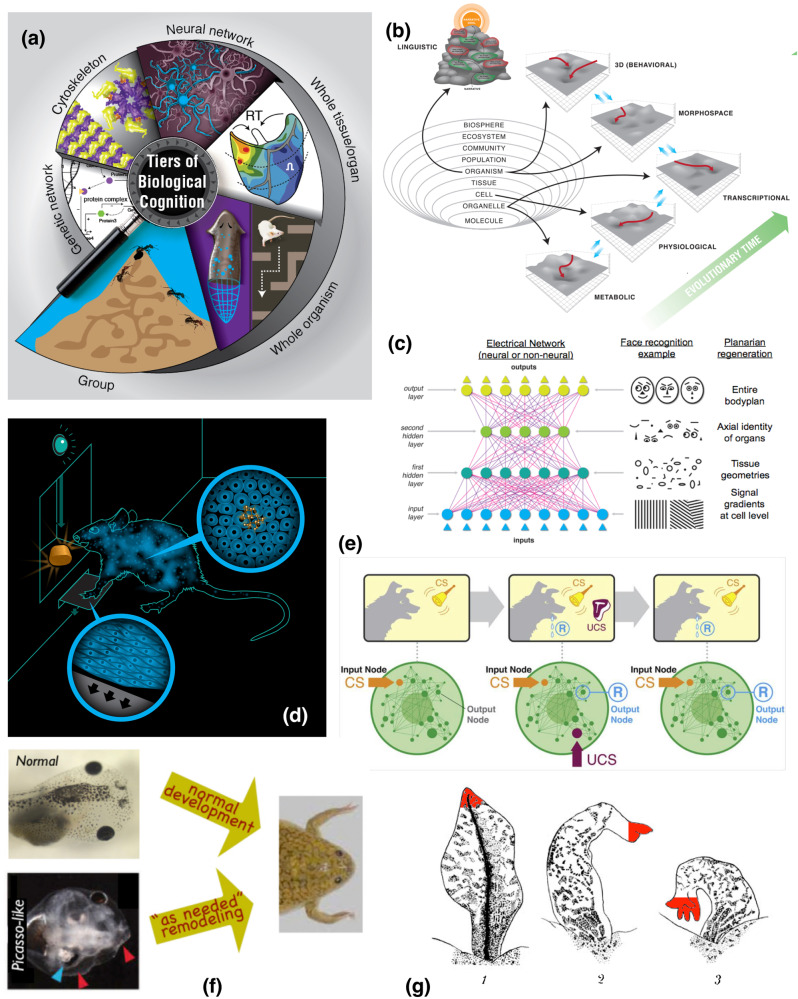
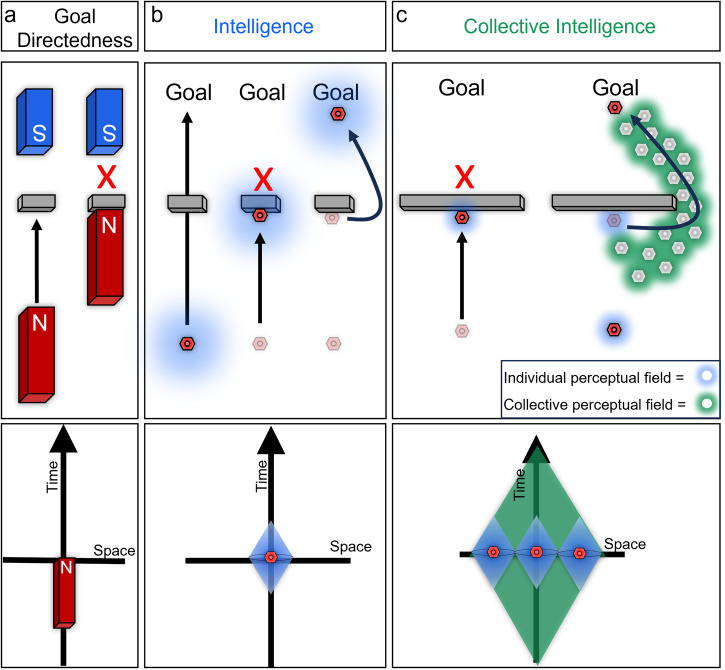
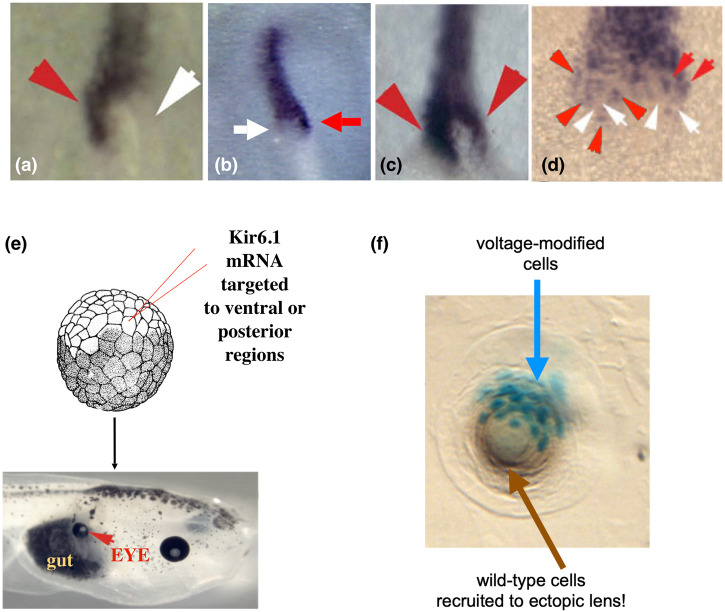
A defining feature of biology is the use of a multiscale architecture, ranging from molecular networks to cells, tissues, organs, whole bodies, and swarms. Crucially however, biology is not only nested structurally, but also functionally: each level is able to solve problems in distinct problem spaces, such as physiological, morphological, and behavioral state space. Percolating adaptive functionality from one level of competent subunits to a higher functional level of organization requires collective dynamics: multiple components must work together to achieve specific outcomes. Here we overview a number of biological examples at different scales which highlight the ability of cellular material to make decisions that implement cooperation toward specific homeodynamic endpoints, and implement collective intelligence by solving problems at the cell, tissue, and whole-organism levels. We explore the hypothesis that collective intelligence is not only the province of groups of animals, and that an important symmetry exists between the behavioral science of swarms and the competencies of cells and other biological systems at different scales. We then briefly outline the implications of this approach, and the possible impact of tools from the field of diverse intelligence for regenerative medicine and synthetic bioengineering.
生物学的一个显著特点是使用多层次架构,从分子网络到细胞、组织、器官、整个生物体和群体。然而,至关重要的是,生物学不仅在结构上嵌套,而且在功能上也是嵌套的:每个层次都能够在不同的问题空间中解决问题,例如生理、形态和行为状态空间。从具有竞争力的亚单位的一个层次向更高的组织功能层次渗透适应性功能需要集体动力学:多个组件必须协同工作以实现特定的结果。在这里,我们概述了一些不同尺度的生物学例子,这些例子突出了细胞物质能够做出决策的能力,这些决策通过实现特定内稳态终点的合作来实现,并且通过在细胞、组织和整个生物体水平上解决问题来实现集体智慧。我们探讨了这样一个假设,即集体智慧不仅是动物群体的领域,而且在群体的行为科学和不同尺度的细胞和其他生物系统的能力之间存在着重要的对称性。然后,我们简要概述了这种方法的含义,以及来自多样性智能领域的工具对再生医学和合成生物工程的可能影响。