Lorenzetti L, Brandolini M, Gatti G, Bernardi E, Chiavari C, Gualandi P, Galliani G, Sambri V, Martini C
Dept. Industrial Engineering (DIN), University of Bologna, Viale Risorgimento 4, 40136 Bologna, Italy.
Unit of Microbiology, The Great Romagna Hub Laboratory, Piazza della Liberazione 60, 47522 Pievesestina, Italy.
Heliyon. 2024 Mar 15;10(6):e28238. doi: 10.1016/j.heliyon.2024.e28238. eCollection 2024 Mar 30.
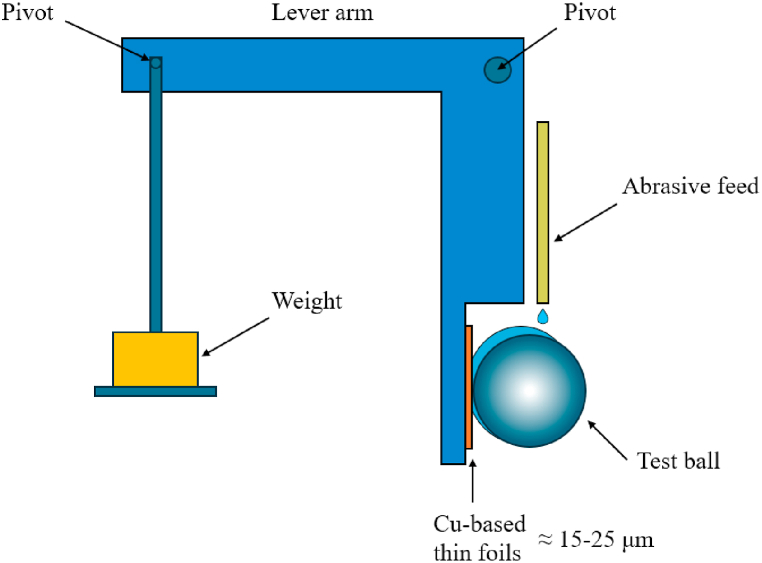
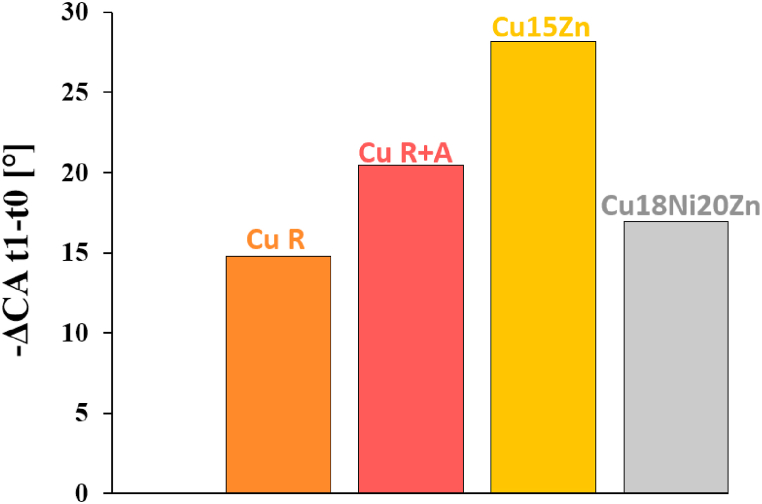
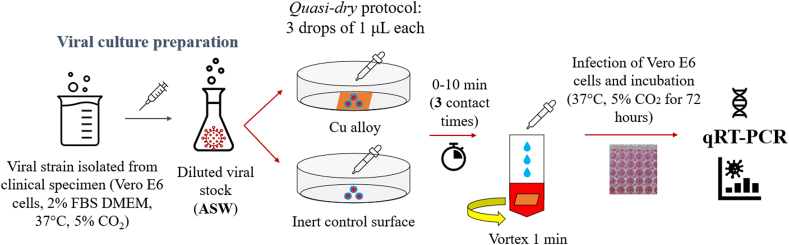
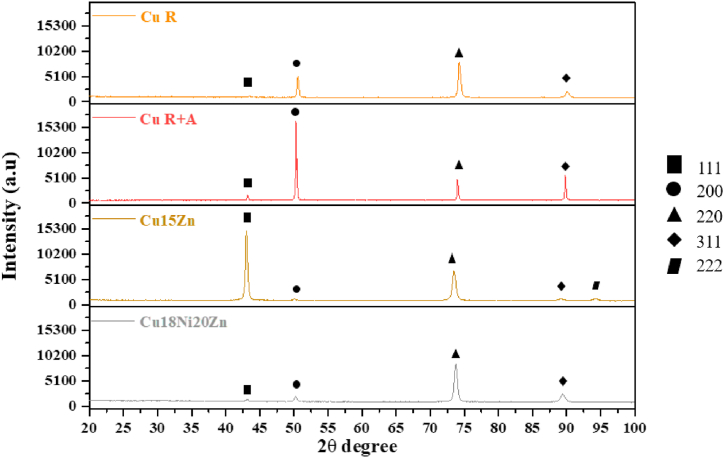
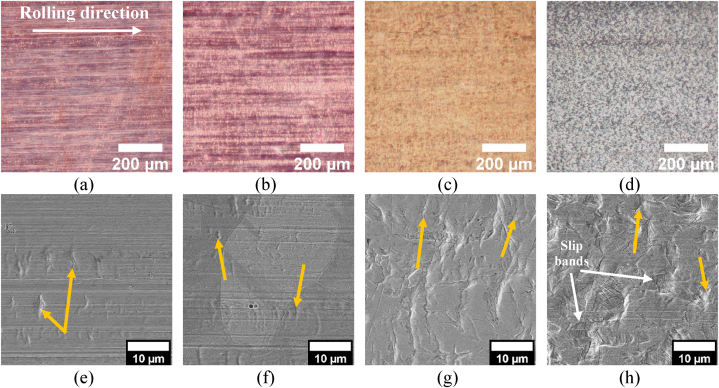
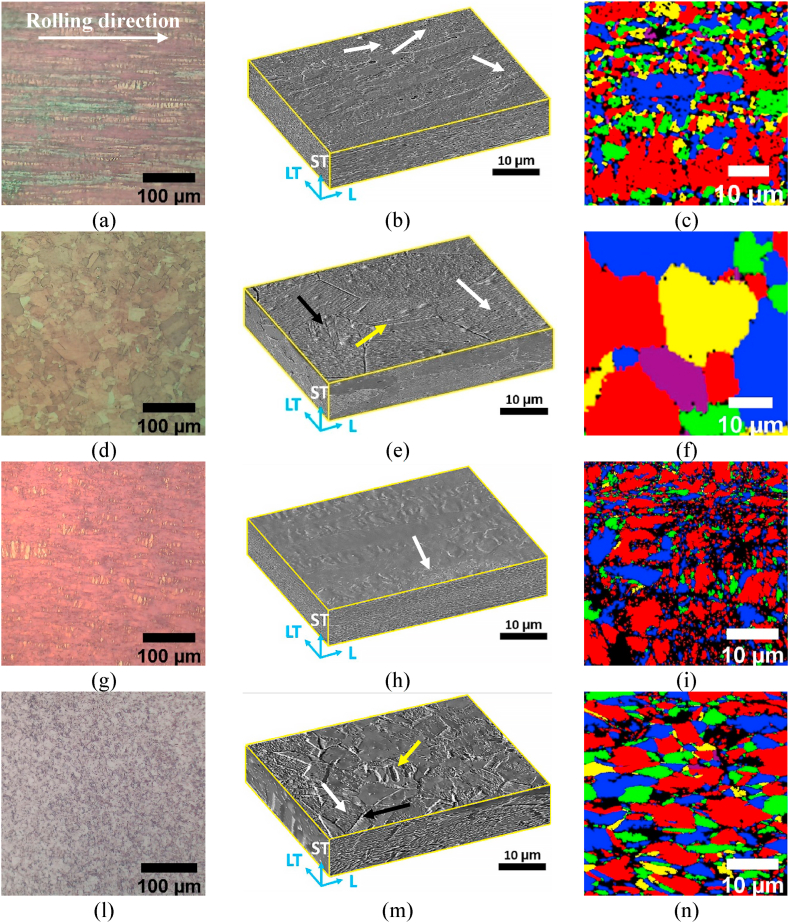
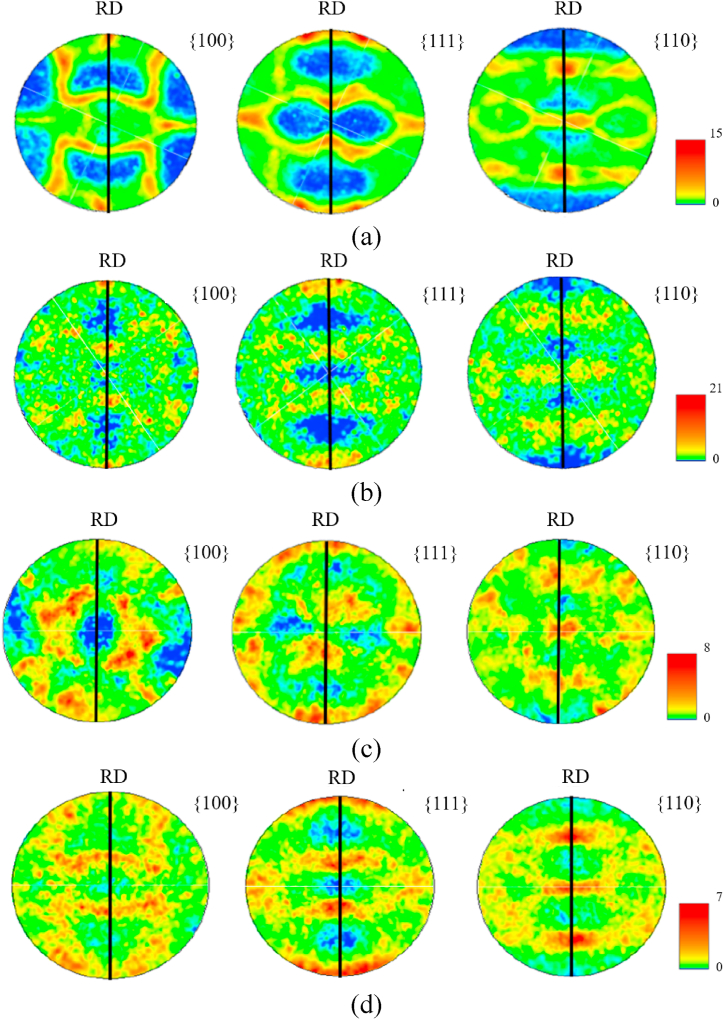
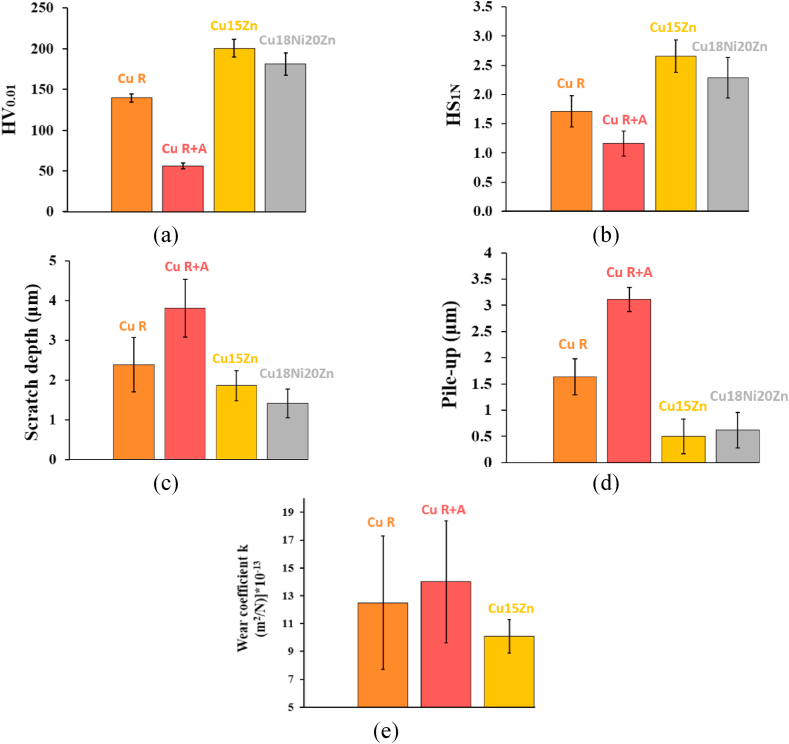
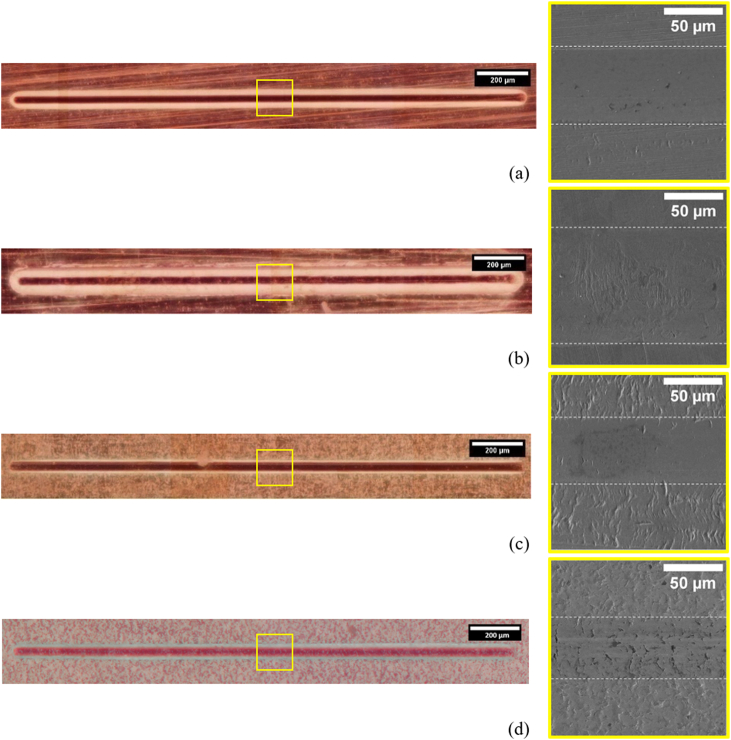
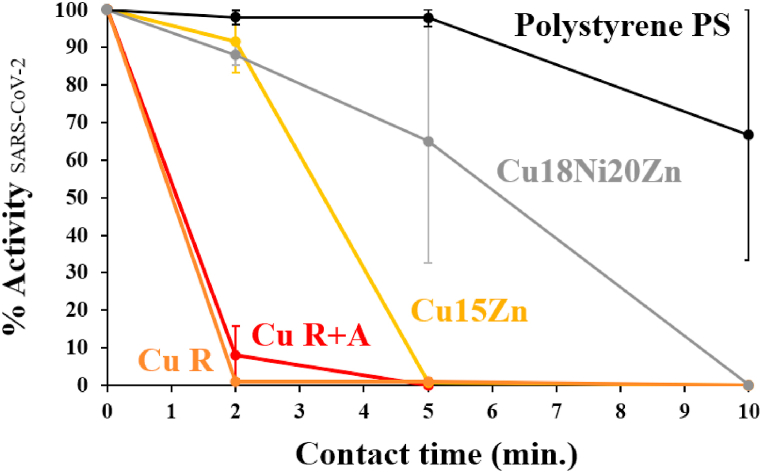
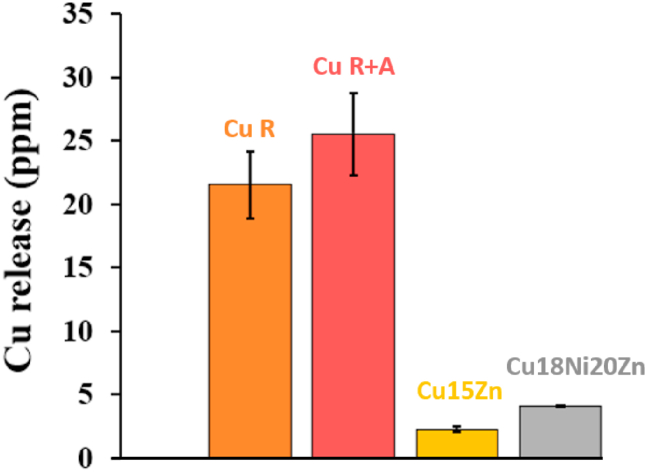
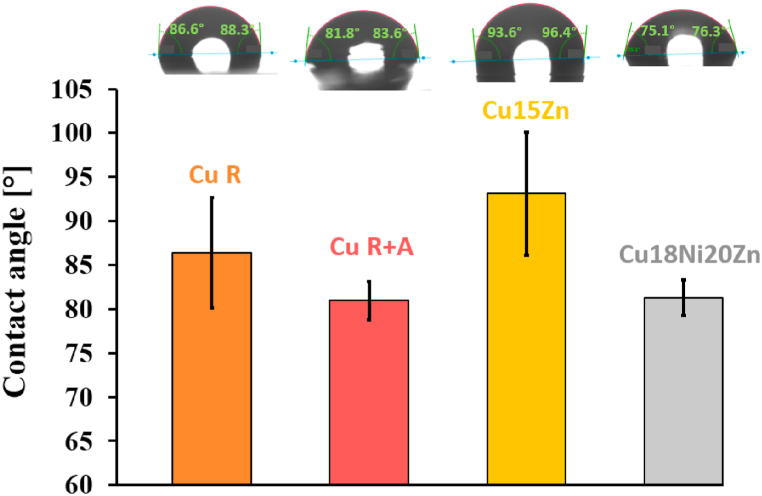
The healthcare-associated infections (HAIs) and pandemics caused by multidrug-resistant (MDR) and new-generation pathogens threaten the whole world community. Cu and its alloys have been attracting widespread interest as anti-contamination materials due to the rapid inactivation of MDR-superbugs and viruses. Applying thin Cu-based foils on pre-existing surfaces in hygiene-sensitive areas represents a quick, simple, cost-effective self-sanitising practice. However, the influence of chemical composition and microstructure should be deeply investigated when evaluating the antimicrobial capability and durability of Cu-based materials. The effect of composition on micromechanical and antiviral properties was investigated by comparing Cu15Zn and Cu18Ni20Zn (foil thickness from 13 to 27 μm) with Phosphorous High-Conductivity (PHC) Cu. The influence of recrystallisation annealing of PHC Cu was also investigated. Microstructural characterisation was carried out by optical (OM) and scanning electron (FEG-SEM) microscopy, Energy-dispersive Spectroscopy (EDS) and Electron-Backscattered Diffraction (EBSD). The micromechanical behaviour was assessed by microhardness, microscale abrasion and scratch tests. Cu-based foils were exposed to SARS-CoV-2 for different time points in conditions (artificial sweat solution), evaluating their antiviral capability by quantitative Reverse-Transcriptase Polymerase Chain Reaction (qRT-PCR). Surface morphology, contact angle measurements and Cu release were measured. All Cu-based surfaces completely inactivated SARS-CoV-2 in 10 min: pure Cu was the best option regarding antiviral efficiency, while Cu15Zn showed the best trade-off between micromechanical and antiviral properties.
由多重耐药(MDR)和新一代病原体引起的医疗保健相关感染(HAIs)和大流行威胁着整个国际社会。由于MDR超级细菌和病毒能被快速灭活,铜及其合金作为抗污染材料已引起广泛关注。在卫生敏感区域的现有表面上应用薄铜基箔片是一种快速、简单、经济高效的自我消毒方法。然而,在评估铜基材料的抗菌能力和耐久性时,应深入研究其化学成分和微观结构的影响。通过将Cu15Zn和Cu18Ni20Zn(箔片厚度为13至27μm)与高磷导电性(PHC)铜进行比较,研究了成分对微机械性能和抗病毒性能的影响。还研究了PHC铜再结晶退火的影响。通过光学显微镜(OM)、扫描电子显微镜(FEG-SEM)、能量色散光谱(EDS)和电子背散射衍射(EBSD)进行微观结构表征。通过显微硬度、微尺度磨损和划痕试验评估微机械行为。将铜基箔片在特定条件下(人工汗液溶液)暴露于SARS-CoV-2不同时间点,通过定量逆转录聚合酶链反应(qRT-PCR)评估其抗病毒能力。测量了表面形态、接触角和铜释放量。所有铜基表面在10分钟内完全灭活了SARS-CoV-2:就抗病毒效率而言,纯铜是最佳选择,而Cu15Zn在微机械性能和抗病毒性能之间表现出最佳平衡。