The Botnar Institute for Musculoskeletal Science, Nuffield Department of Orthopaedics, Rheumatology and Musculoskeletal Sciences, University of Oxford, Oxford, UK.
The African Institute of Biomedical Science and Technology, Harare, Zimbabwe.
Eur J Hum Genet. 2024 Oct;32(10):1206-1213. doi: 10.1038/s41431-024-01564-4. Epub 2024 Apr 2.
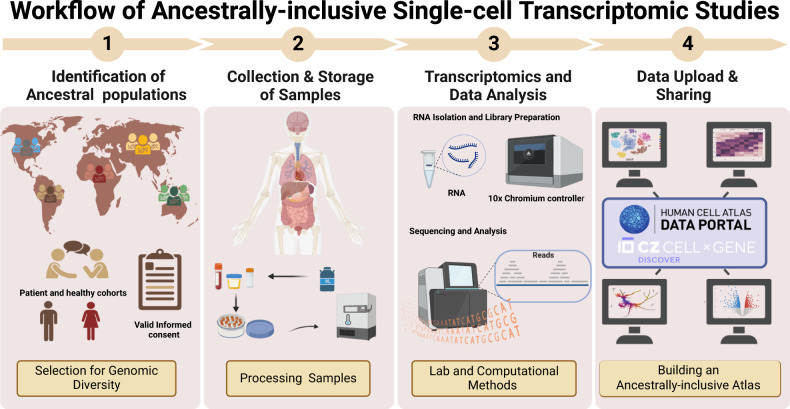
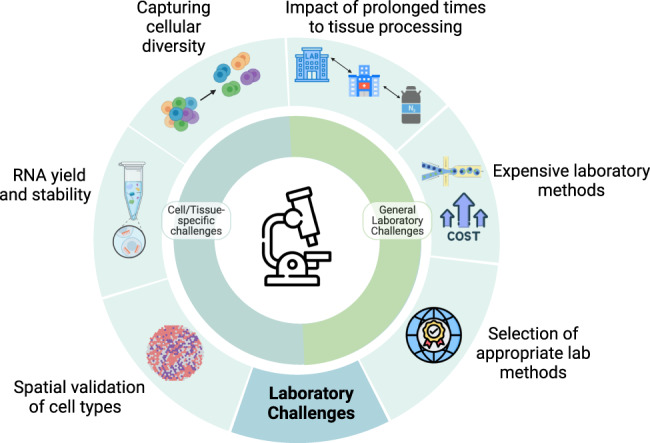
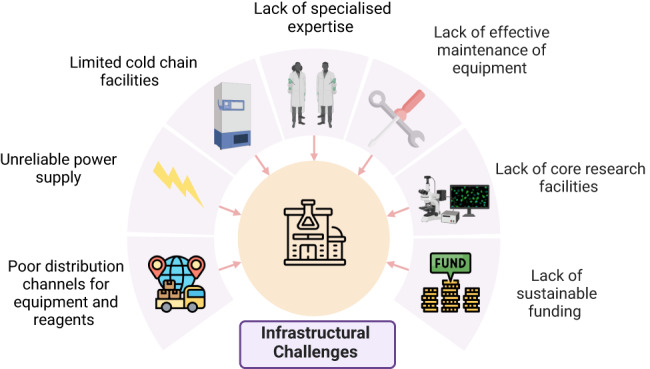
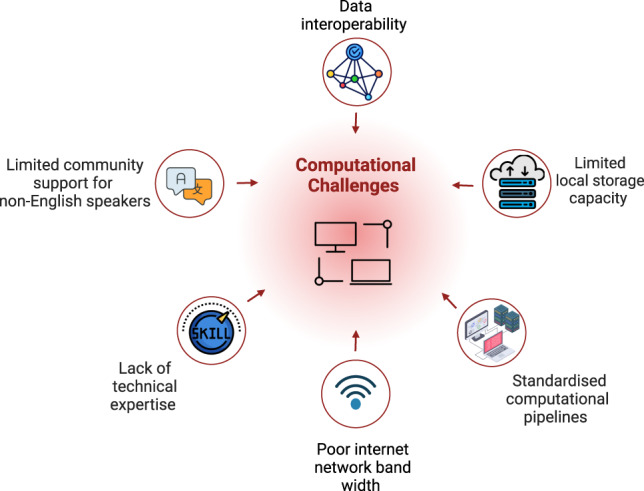
The advent of single-cell resolution sequencing and spatial transcriptomics has enabled the delivery of cellular and molecular atlases of tissues and organs, providing new insights into tissue health and disease. However, if the full potential of these technologies is to be equitably realised, ancestrally inclusivity is paramount. Such a goal requires greater inclusion of both researchers and donors in low- and middle-income countries (LMICs). In this perspective, we describe the current landscape of ancestral inclusivity in genomic and single-cell transcriptomic studies. We discuss the collaborative efforts needed to scale the barriers to establishing, expanding, and adopting single-cell sequencing research in LMICs and to enable globally impactful outcomes of these technologies.
单细胞分辨率测序和空间转录组学的出现使人们能够提供组织和器官的细胞和分子图谱,从而为组织健康和疾病提供新的见解。然而,如果要公平地实现这些技术的全部潜力,就必须优先考虑祖先包容性。这一目标需要在低收入和中等收入国家(LMICs)中增加研究人员和捐赠者的参与度。在本观点中,我们描述了基因组学和单细胞转录组学研究中祖先包容性的现状。我们讨论了建立、扩展和采用单细胞测序研究的障碍,以及如何在全球范围内产生这些技术的影响,需要进行的合作。