Shi Fengcui, Liu Qingli, Yue Dayong, Zhang Yanan, Wei Xueying, Wang Ying, Ma WenJian
School of Chemical and Biological Engineering, Qilu Institute of Technology, Shandong, China.
College of Biotechnology, Tianjin University of Science and Technology, Tianjin, China.
Nutr Metab (Lond). 2024 Apr 4;21(1):18. doi: 10.1186/s12986-024-00787-y.
Age-related dysbiosis of the microbiota has been linked to various negative health outcomes. This study aims to investigate the effects of a newly discovered dietary fiber compound (DFC) on aging, intestinal microbiota, and related metabolic processes. The DFC was identified through in vitro fermentation screening experiments, and its dosage and composition were determined based on a longevity dietary pattern.
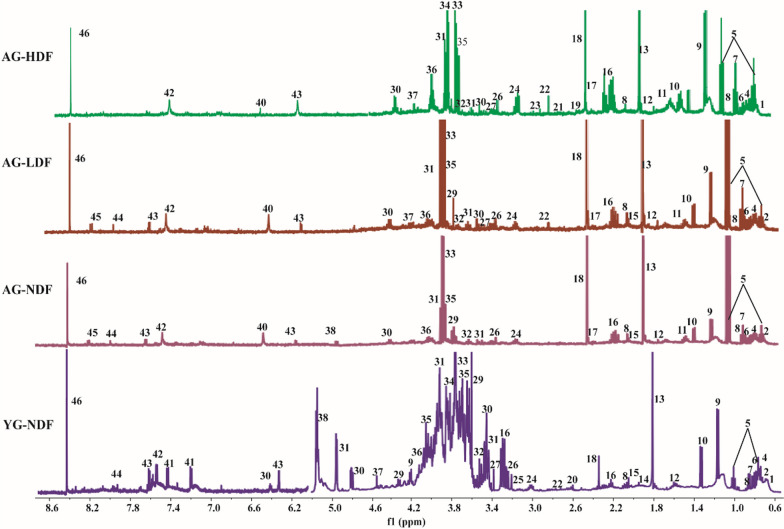
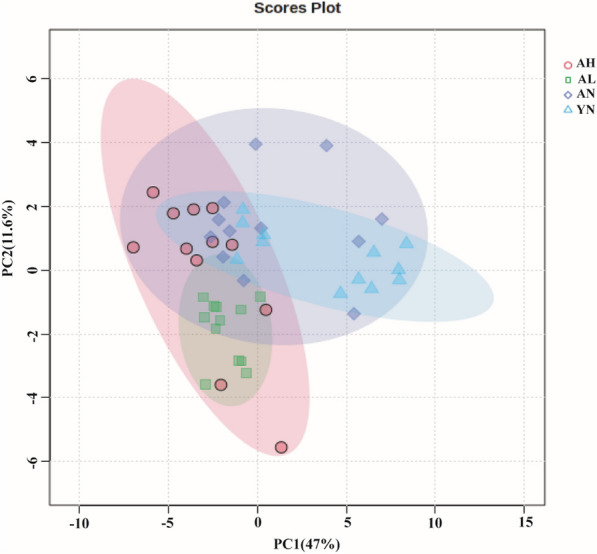
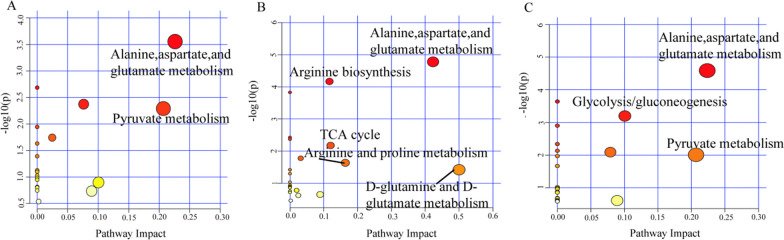
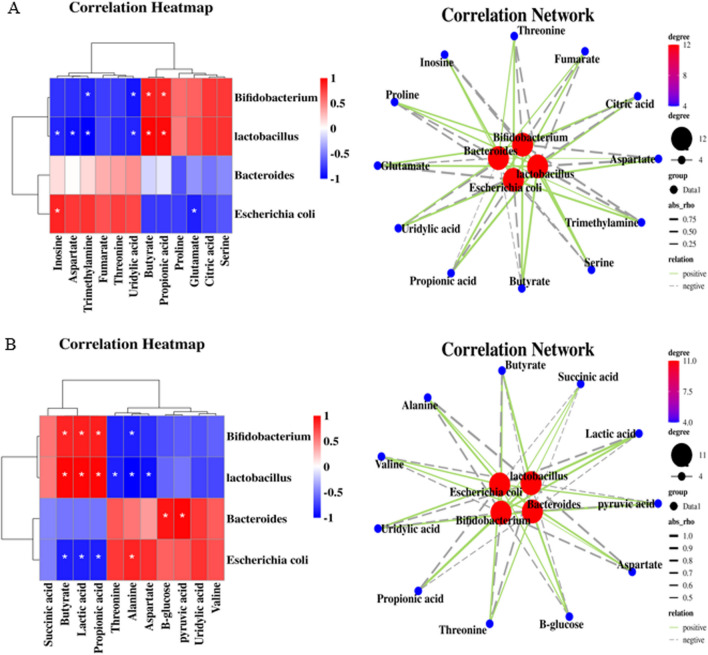
Aged SPF C57BL/6 J mice (65 weeks old) and young mice (8 weeks old) were divided into three groups: a subgroup without dietary fiber (NDF), a low DFC dose subgroup (LDF, 10% DFC), and a high DFC dose subgroup (HDF, 20% DFC). The total antioxidant capacity (T-AOC), total superoxide dismutase (T-SOD) activity, malondialdehyde (MDA) content, and glutathione peroxidase (GSH-Px) activity in liver and serum samples of the mice were measured according to the manufacturer's protocol. The expression levels of characteristic bacterial genera and fecal metabolite concentrations in mice were determined using quantitative real-time PCR (qPCR) and nuclear magnetic resonance hydrogen spectroscopy (H NMR). Metabolomics analysis was further conducted to identify biological functions and potential pathways related to aging.
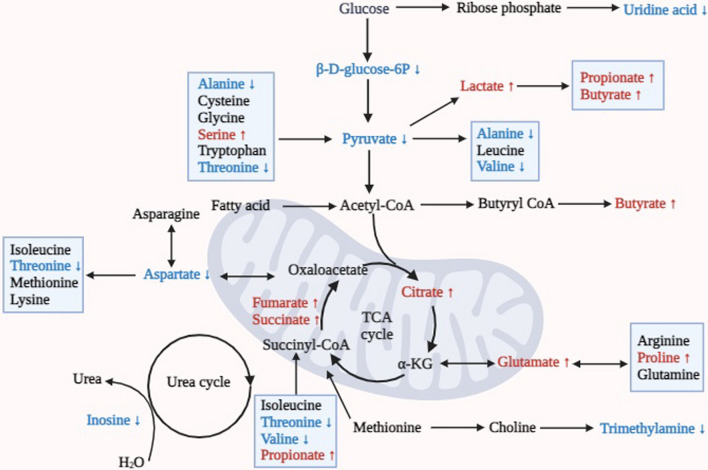
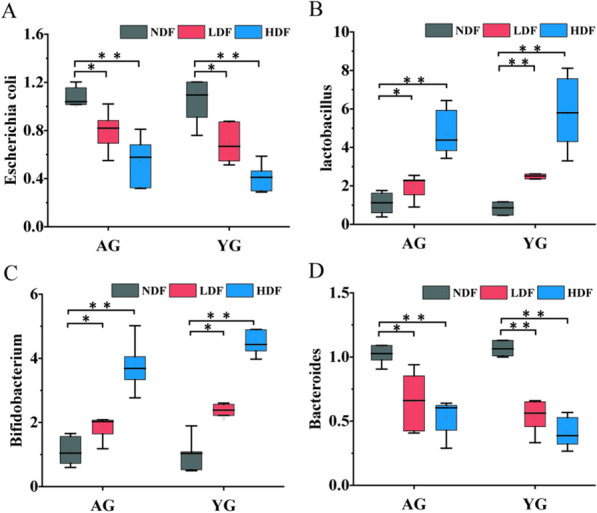
After an 8-weeks dietary intervention, DFC supplementation significantly attenuated age-related weight loss, organ degeneration, and oxidative stress. And promoted the growth of Lactobacillus and Bifidobacterium and inhibited the growth of Escherichia coli (E. coli) and Bacteroides (p < 0.05) in the intestinal tracts of aged mice. Metabolomic analysis identified glycolipid and amino acid metabolic pathway biomarkers associated with aging that were differentially regulated by DFC consumption. Correlation analysis between the identified microbial flora and the biomarkers revealed potential mechanistic links between altered microbial composition and metabolic activity with aging markers.
In conclusion, this study revealed an important mechanism by which DFC consumption impacts healthspan and longevity, shedding light on optimizing dietary fiber or developing fiber-based interventions to improve human health.
与年龄相关的微生物群失调与各种负面健康结果有关。本研究旨在调查一种新发现的膳食纤维化合物(DFC)对衰老、肠道微生物群及相关代谢过程的影响。DFC是通过体外发酵筛选实验鉴定出来的,其剂量和成分是根据长寿饮食模式确定的。
将老年SPF C57BL/6 J小鼠(65周龄)和年轻小鼠(8周龄)分为三组:无膳食纤维亚组(NDF)、低剂量DFC亚组(LDF,10% DFC)和高剂量DFC亚组(HDF,20% DFC)。按照制造商的方案测量小鼠肝脏和血清样本中的总抗氧化能力(T-AOC)、总超氧化物歧化酶(T-SOD)活性、丙二醛(MDA)含量和谷胱甘肽过氧化物酶(GSH-Px)活性。使用定量实时PCR(qPCR)和核磁共振氢谱(H NMR)测定小鼠粪便中特征性细菌属的表达水平和粪便代谢物浓度。进一步进行代谢组学分析以确定与衰老相关的生物学功能和潜在途径。
经过8周的饮食干预,补充DFC显著减轻了与年龄相关的体重减轻、器官退化和氧化应激。并促进了老年小鼠肠道中乳酸杆菌和双歧杆菌的生长,抑制了大肠杆菌和拟杆菌的生长(p < 0.05)。代谢组学分析确定了与衰老相关的糖脂和氨基酸代谢途径生物标志物,这些标志物因DFC摄入而受到不同程度的调节。所鉴定的微生物群与生物标志物之间的相关性分析揭示了微生物组成改变和代谢活性与衰老标志物之间潜在的机制联系。
总之,本研究揭示了DFC摄入影响健康寿命和长寿的重要机制,为优化膳食纤维或开发基于纤维的干预措施以改善人类健康提供了线索。