Liu F T, Albrandt K, Mendel E, Kulczycki A, Orida N K
Proc Natl Acad Sci U S A. 1985 Jun;82(12):4100-4. doi: 10.1073/pnas.82.12.4100.
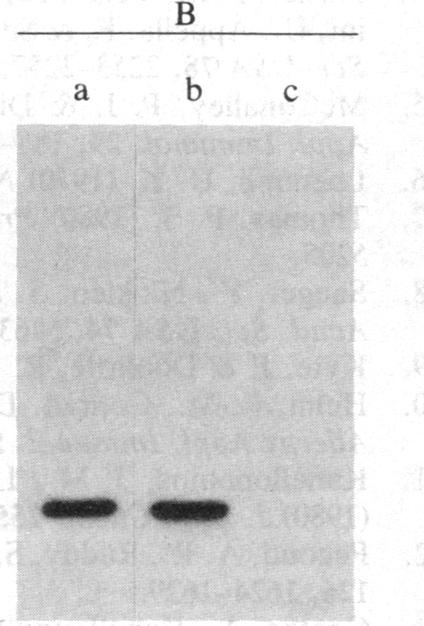
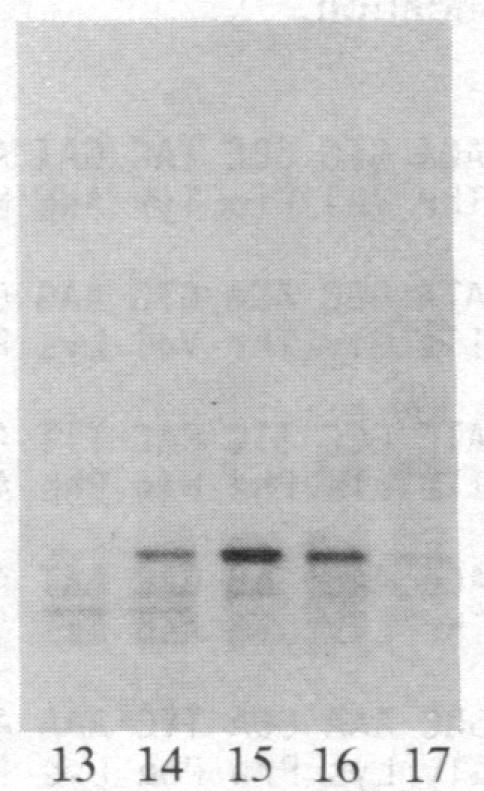
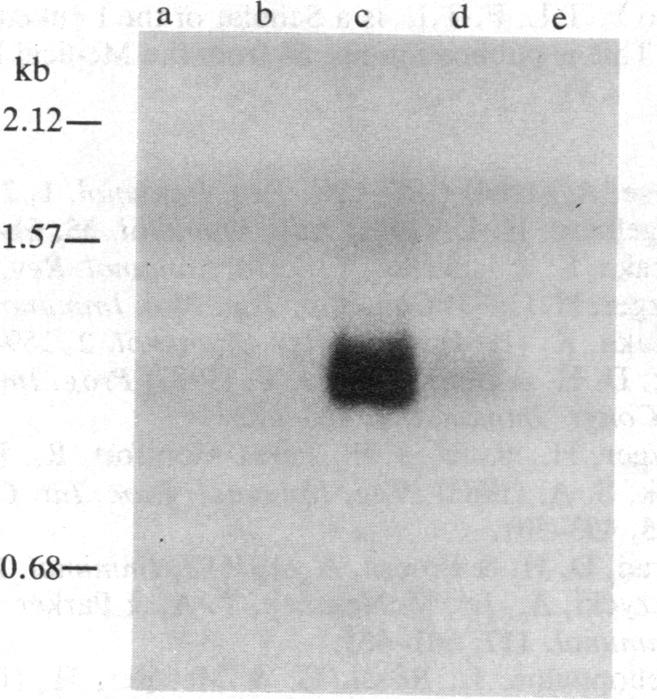
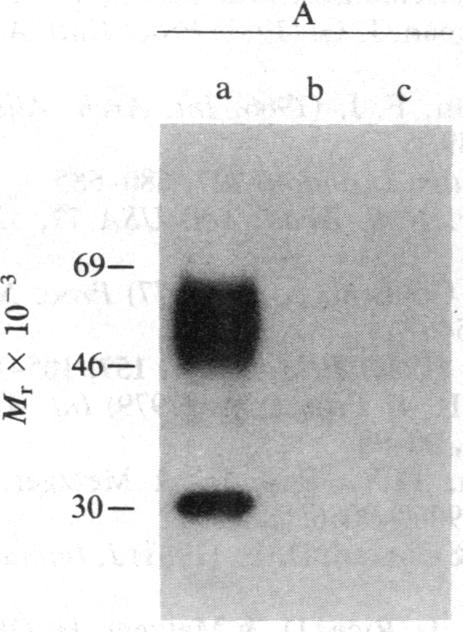
The synthesis and function of IgE are dependent on IgE-binding proteins, which include cell surface IgE receptors and IgE-binding lymphokines. To further our understanding of the IgE system, we have engaged in the molecular cloning of genes for some of these proteins. In studying the in vitro translation products of mRNA from rat basophilic leukemia (RBL) cells, we have identified a Mr 31,000 polypeptide that binds IgE and is also reactive with antibodies to proteins affinity-purified from RBL cells with IgE immunoadsorbent. For the molecular cloning, double-stranded cDNA was synthesized from sucrose gradient-fractionated RBL mRNA, inserted into plasmid pBR322, and used to transform Escherichia coli. By screening transformants with a hybridization-selection/in vitro translation procedure, we identified one clone containing cDNA that hybridized to mRNA coding for a Mr 31,000 IgE-binding protein. The DNA sequence of this cloned cDNA (571 base pairs) was determined and the amino acid sequence corresponding to part of the protein was deduced. In RNA blot analysis, the cDNA hybridized with a mRNA of 1100 nucleotides found in RBL cells but absent in cells not expressing IgE receptors. This cloned cDNA most likely codes for the Mr 31,000 IgE-binding protein identified in RBL cells, which appears to be related to the IgE-binding phenotype of the cells and which may have a significant role in the IgE-mediated activation of basophils and mast cells.
IgE的合成与功能依赖于IgE结合蛋白,其中包括细胞表面IgE受体和IgE结合淋巴因子。为了进一步了解IgE系统,我们对其中一些蛋白的基因进行了分子克隆。在研究大鼠嗜碱性白血病(RBL)细胞mRNA的体外翻译产物时,我们鉴定出一种分子量为31,000的多肽,它能结合IgE,并且与用IgE免疫吸附剂从RBL细胞中亲和纯化的蛋白的抗体发生反应。为了进行分子克隆,从经蔗糖梯度分级分离的RBL mRNA合成双链cDNA,将其插入质粒pBR322中,并用于转化大肠杆菌。通过用杂交选择/体外翻译程序筛选转化体,我们鉴定出一个含有与编码分子量为31,000的IgE结合蛋白的mRNA杂交的cDNA的克隆。测定了该克隆cDNA(571个碱基对)的DNA序列,并推导了与该蛋白部分对应的氨基酸序列。在RNA印迹分析中,该cDNA与在RBL细胞中发现但在不表达IgE受体的细胞中不存在的1100个核苷酸的mRNA杂交。这个克隆的cDNA很可能编码在RBL细胞中鉴定出的分子量为31,000的IgE结合蛋白,它似乎与细胞的IgE结合表型有关,并且可能在IgE介导的嗜碱性粒细胞和肥大细胞激活中起重要作用。