Shin Namsoo, Bowers Jonathan, Krajcik Joseph, Damelin Daniel
CREATE for STEM Institute, Michigan State University, 620 Farm Lane, Suite 115, East Lansing, MI 48824 USA.
The Concord Consortium, 25 Love Lane, Concord, MA 01742 USA.
Discip Interdscip Sci Educ Res. 2021;3(1):7. doi: 10.1186/s43031-021-00033-y. Epub 2021 Aug 2.
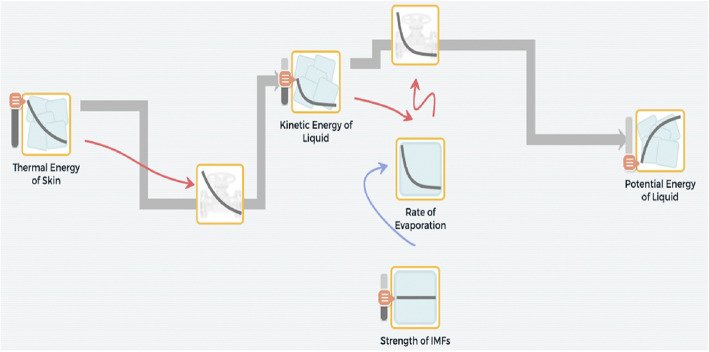
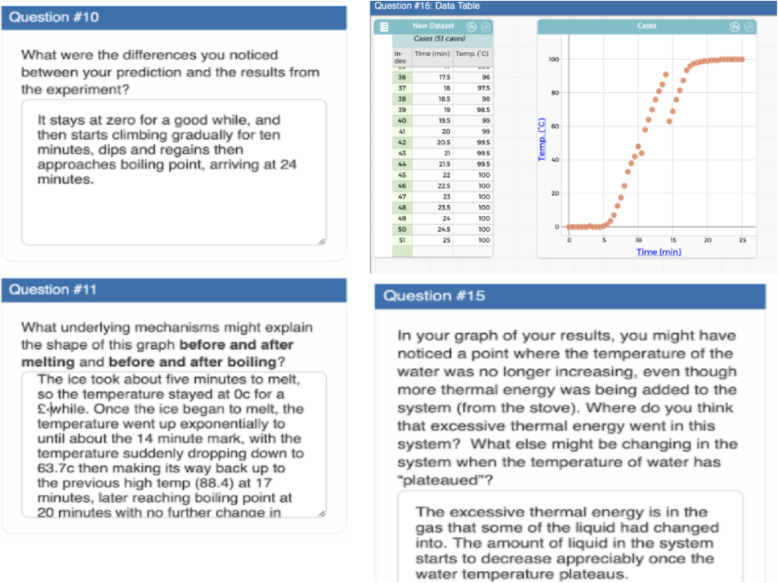
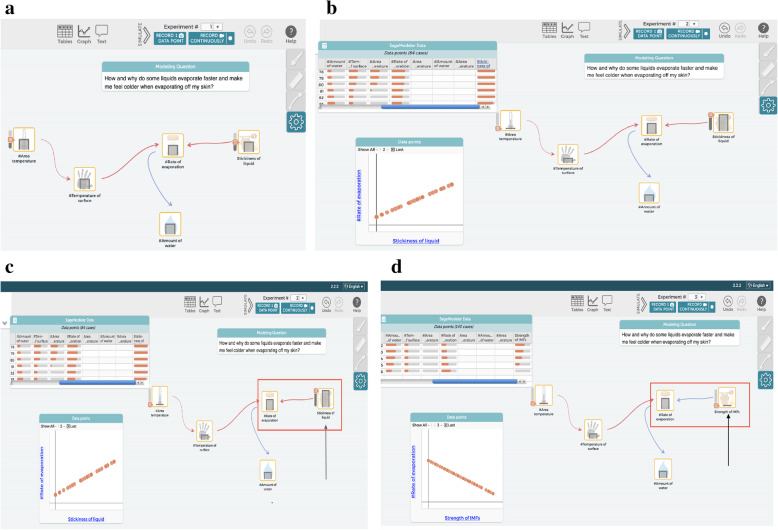
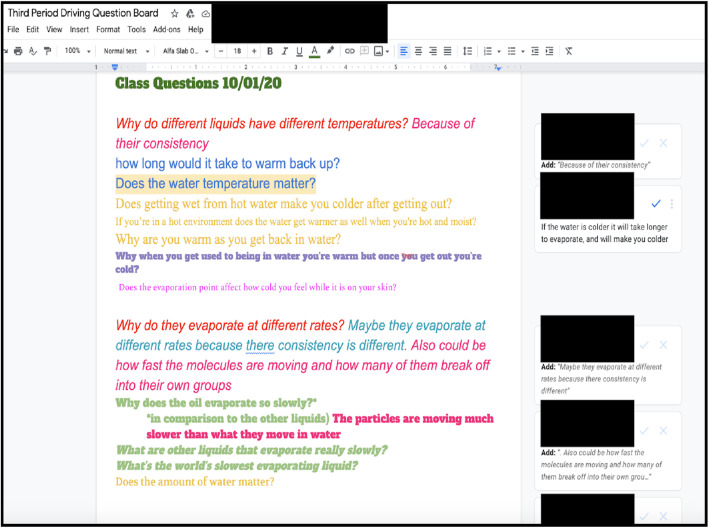
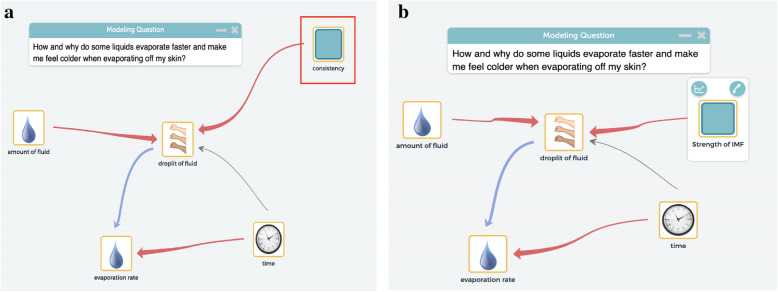
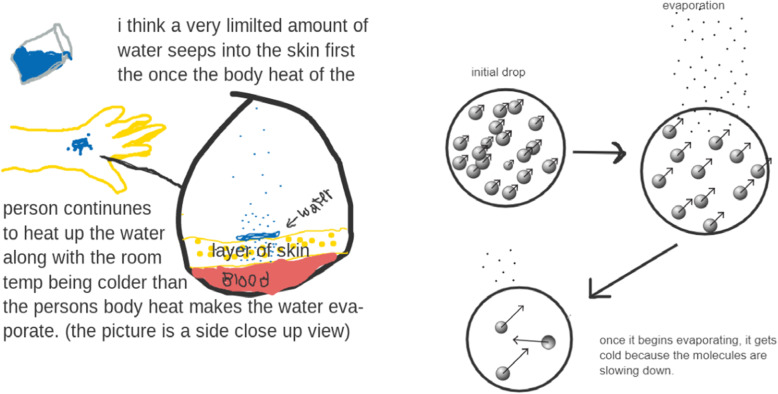
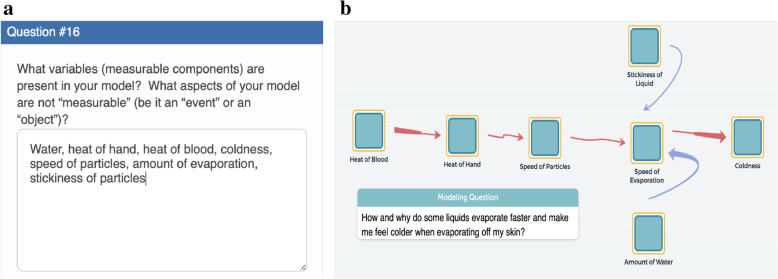
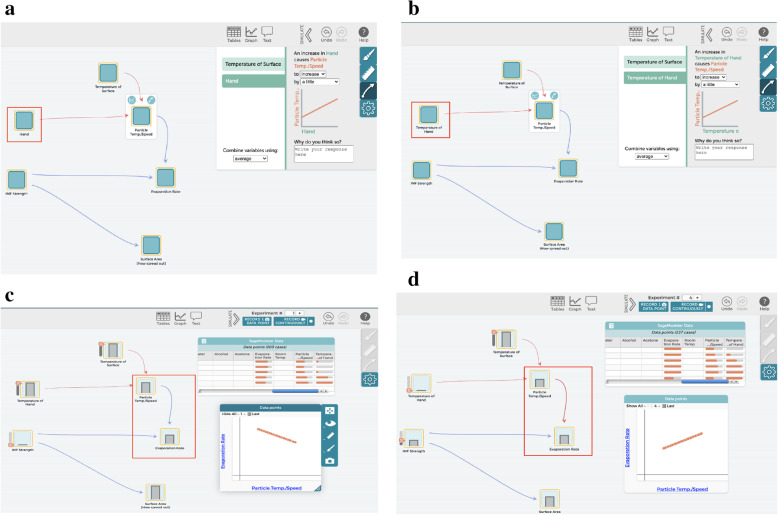
This paper introduces project-based learning (PBL) features for developing technological, curricular, and pedagogical supports to engage students in computational thinking (CT) through modeling. CT is recognized as the collection of approaches that involve people in computational problem solving. CT supports students in deconstructing and reformulating a phenomenon such that it can be resolved using an information-processing agent (human or machine) to reach a scientifically appropriate explanation of a phenomenon. PBL allows students to learn by doing, to apply ideas, figure out how phenomena occur and solve challenging, compelling and complex problems. In doing so, students take part in authentic science practices similar to those of professionals in science or engineering, such as computational thinking. This paper includes 1) CT and its associated aspects, 2) The foundation of PBL, 3) PBL design features to support CT through modeling, and 4) a curriculum example and associated student models to illustrate how particular design features can be used for developing high school physical science materials, such as an evaporative cooling unit to promote the teaching and learning of CT.
本文介绍了基于项目的学习(PBL)的特点,即开发技术、课程和教学支持,以通过建模让学生参与计算思维(CT)。CT被认为是一系列让人们参与计算问题解决的方法。CT支持学生解构和重新构建一种现象,以便可以使用信息处理主体(人或机器)来解决该现象,从而对该现象达成科学合理的解释。PBL让学生通过实践来学习,应用想法,弄清楚现象是如何发生的,并解决具有挑战性、引人入胜且复杂的问题。在此过程中,学生参与与科学或工程领域专业人员类似的真实科学实践,例如计算思维。本文包括:1)CT及其相关方面;2)PBL的基础;3)通过建模支持CT的PBL设计特点;4)一个课程示例及相关的学生模型,以说明如何利用特定的设计特点来开发高中物理科学教材,比如一个蒸发冷却装置,以促进CT的教学与学习。