DST/NRF Centre of Excellence for Biomedical TB Research, Faculty of Health Sciences, University of the Witwatersrand, National Health Laboratory Service, Johannesburg, South Africa.
Center for Tuberculosis Research, Department of Medicine, Johns Hopkins School of Medicine, Baltimore, United States.
Elife. 2024 Apr 19;13:e89157. doi: 10.7554/eLife.89157.
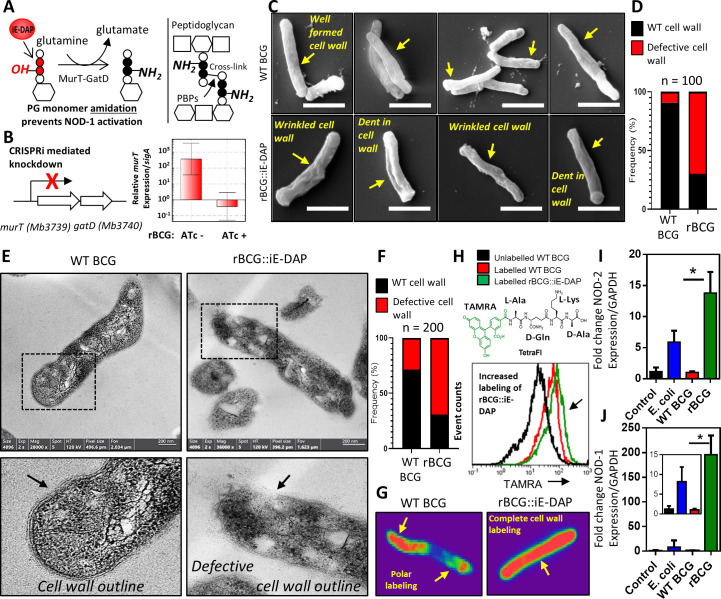
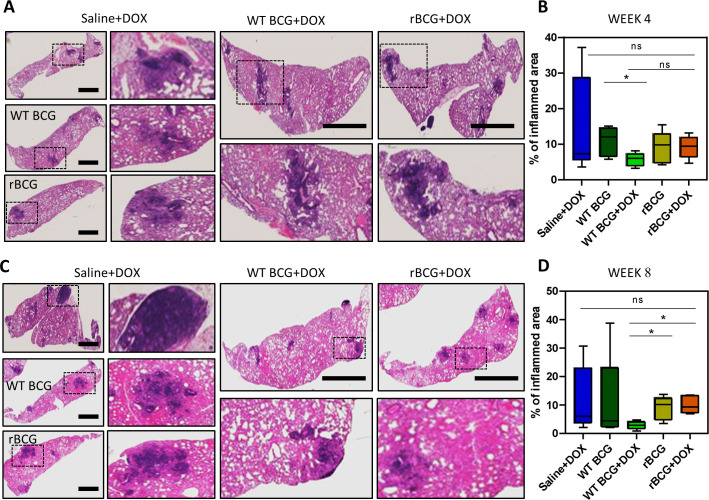
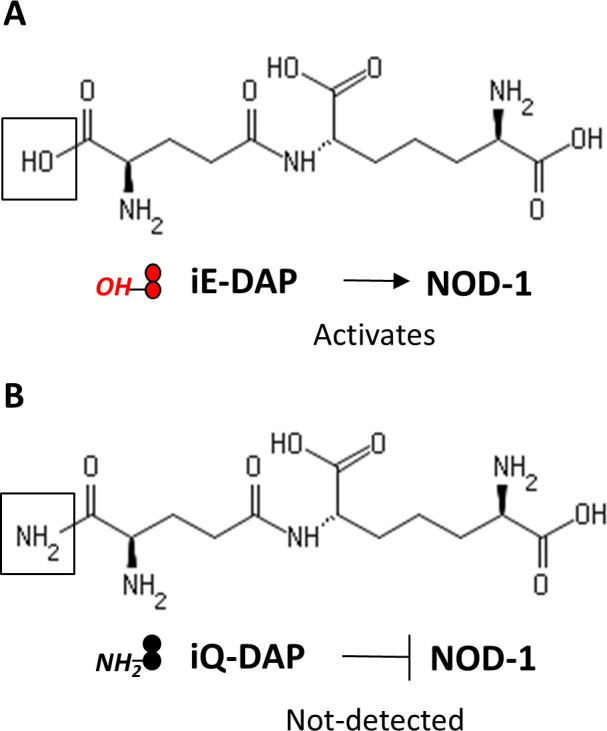
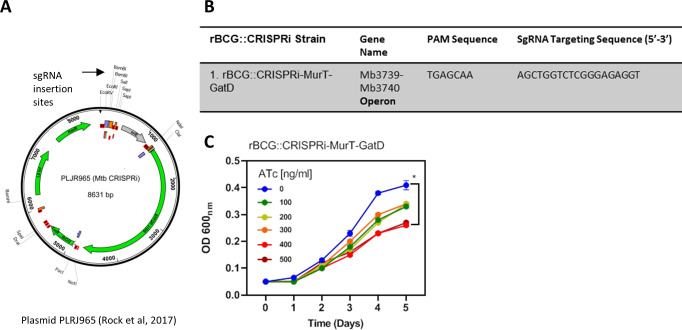
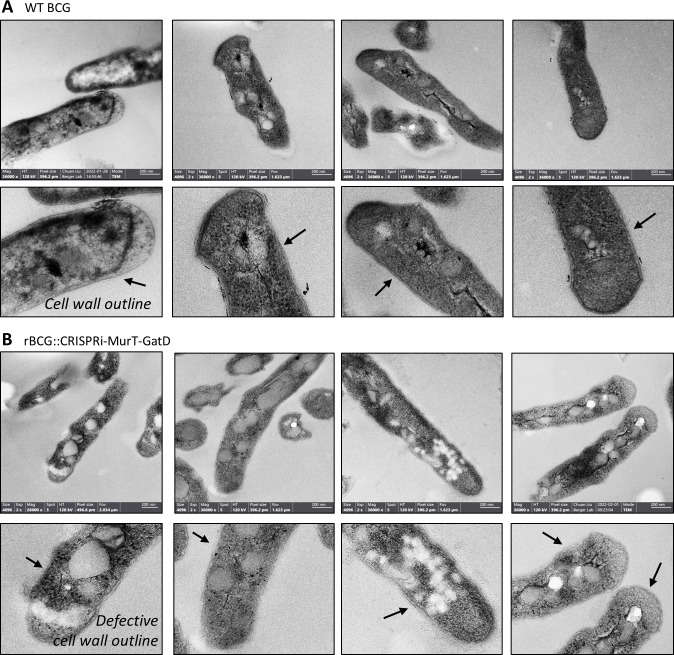
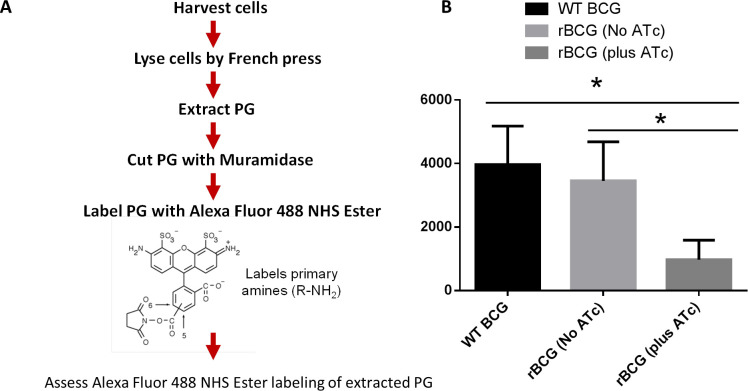
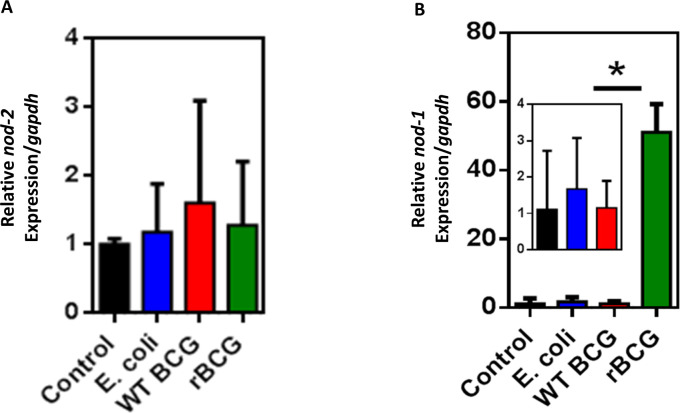
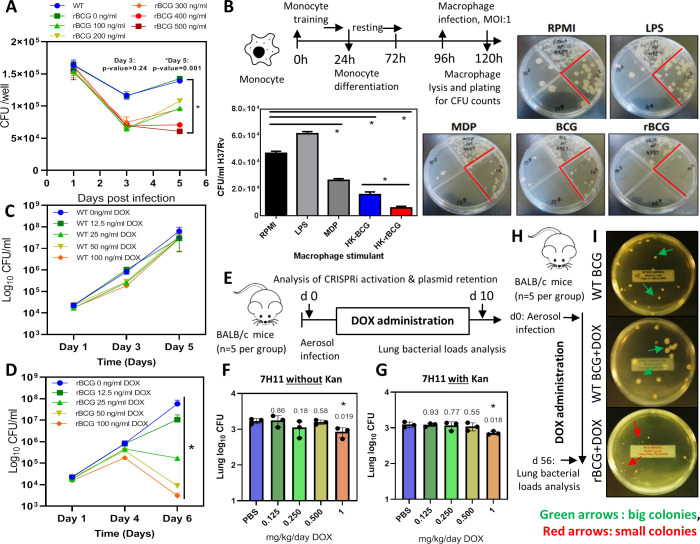
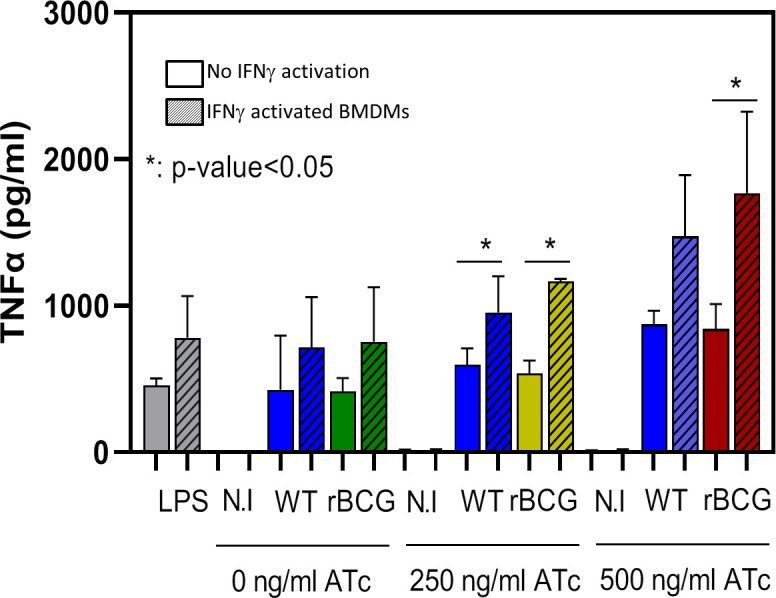
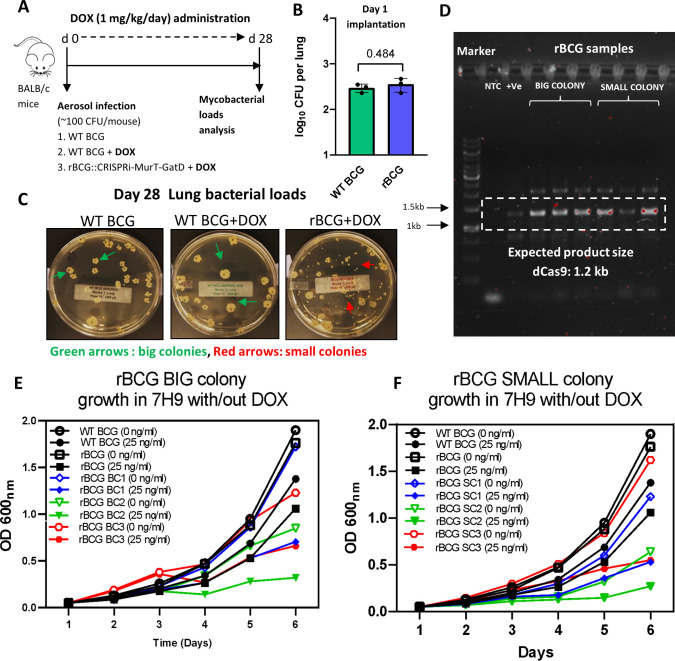
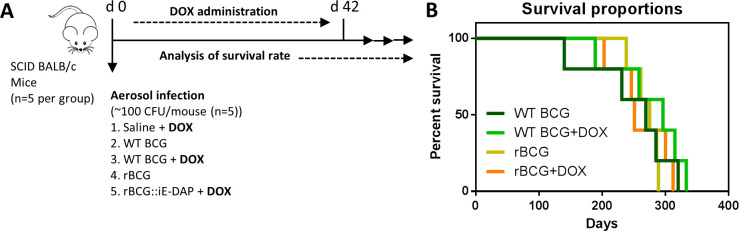
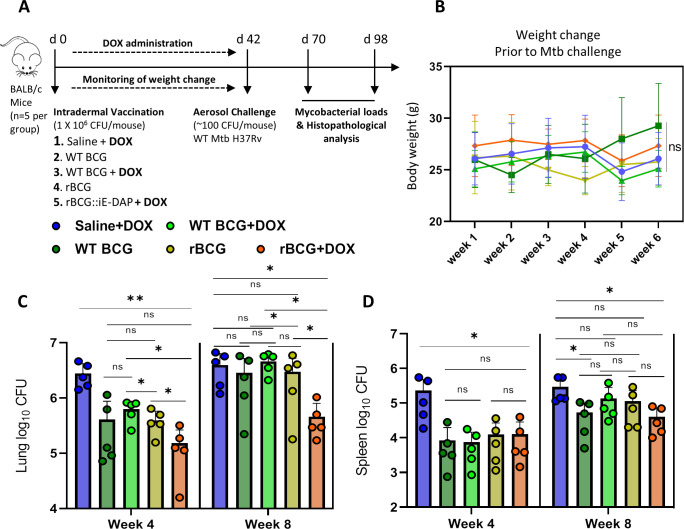
Mechanisms by which (Mtb) evades pathogen recognition receptor activation during infection may offer insights for the development of improved tuberculosis (TB) vaccines. Whilst Mtb elicits NOD-2 activation through host recognition of its peptidoglycan-derived muramyl dipeptide (MDP), it masks the endogenous NOD-1 ligand through amidation of glutamate at the second position in peptidoglycan side-chains. As the current BCG vaccine is derived from pathogenic mycobacteria, a similar situation prevails. To alleviate this masking ability and to potentially improve efficacy of the BCG vaccine, we used CRISPRi to inhibit expression of the essential enzyme pair, MurT-GatD, implicated in amidation of peptidoglycan side-chains. We demonstrate that depletion of these enzymes results in reduced growth, cell wall defects, increased susceptibility to antibiotics, altered spatial localization of new peptidoglycan and increased NOD-1 expression in macrophages. In cell culture experiments, training of a human monocyte cell line with this recombinant BCG yielded improved control of Mtb growth. In the murine model of TB infection, we demonstrate that depletion of MurT-GatD in BCG, which is expected to unmask the D-glutamate diaminopimelate (iE-DAP) NOD-1 ligand, yields superior prevention of TB disease compared to the standard BCG vaccine. and experiments in this study demonstrate the feasibility of gene regulation platforms such as CRISPRi to alter antigen presentation in BCG in a bespoke manner that tunes immunity towards more effective protection against TB disease.
分枝杆菌(Mtb)在感染期间逃避病原体识别受体激活的机制可能为开发改良型结核病(TB)疫苗提供思路。虽然 Mtb 通过宿主对其肽聚糖衍生的 muramyl dipeptide(MDP)的识别来引发 NOD-2 激活,但它通过在肽聚糖侧链的谷氨酸第 2 位酰胺化来掩盖内源性 NOD-1 配体。由于当前的卡介苗(BCG)疫苗源自致病性分枝杆菌,因此也存在类似的情况。为了减轻这种掩蔽能力并可能提高 BCG 疫苗的效力,我们使用 CRISPRi 抑制参与肽聚糖侧链酰胺化的必需酶对 MurT-GatD 的表达。我们证明,这些酶的消耗会导致生长减少、细胞壁缺陷、对抗生素的敏感性增加、新肽聚糖的空间定位改变以及巨噬细胞中 NOD-1 的表达增加。在细胞培养实验中,用这种重组 BCG 训练人类单核细胞系可更好地控制 Mtb 的生长。在 TB 感染的小鼠模型中,我们证明在 BCG 中消耗 MurT-GatD(预计会暴露 D-谷氨酸二氨基庚二酸(iE-DAP)NOD-1 配体)可与标准 BCG 疫苗相比,更好地预防 TB 疾病。本研究中的 和 实验证明了基因调控平台(如 CRISPRi)改变 BCG 中抗原呈递的可行性,以定制方式调整免疫,从而更有效地预防 TB 疾病。