Liu Zhenteng, Lai Shoucui, Qu Qinglan, Liu Xuemei, Zhang Wei, Zhao Dongmei, He Shunzhi, Sun Yuxia, Bao Hongchu
Department of Reproductive Medicine, Yantai Yuhuangding Hospital Affiliated to Qingdao University, Yantai, Shandong, China.
Shandong Provincial Key Medical and Health Laboratory of Reproductive Health and Genetics (Yantai Yuhuangding Hospital), Yantai, Shandong, China.
Front Genet. 2024 Apr 5;15:1292757. doi: 10.3389/fgene.2024.1292757. eCollection 2024.
About 10% of individuals undergoing fertilization encounter recurrent implantation failure (RIF), which represents a worldwide social and economic concern. Nevertheless, the critical genes and genetic mechanisms underlying RIF are largely unknown.
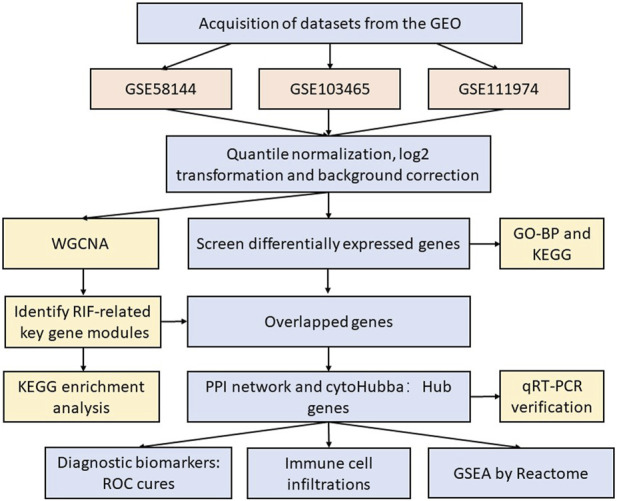
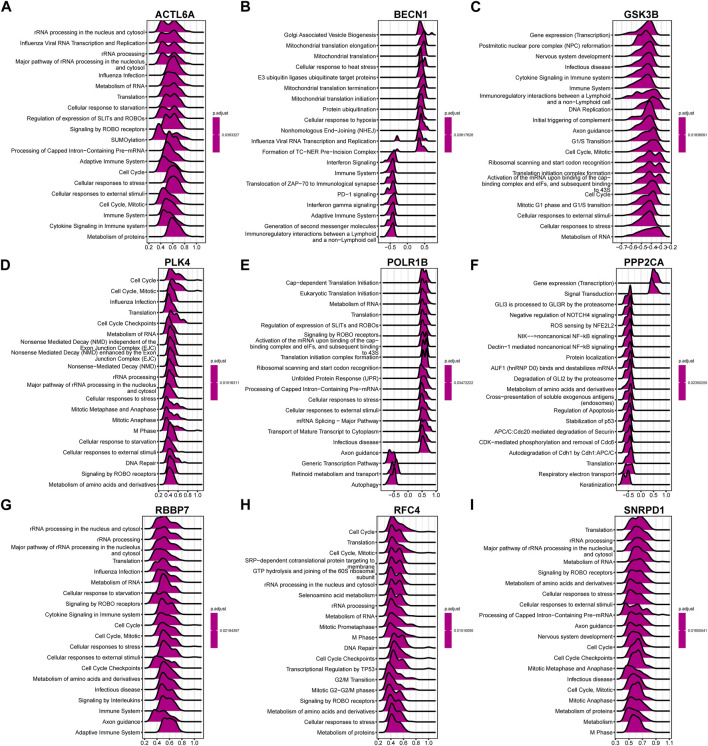
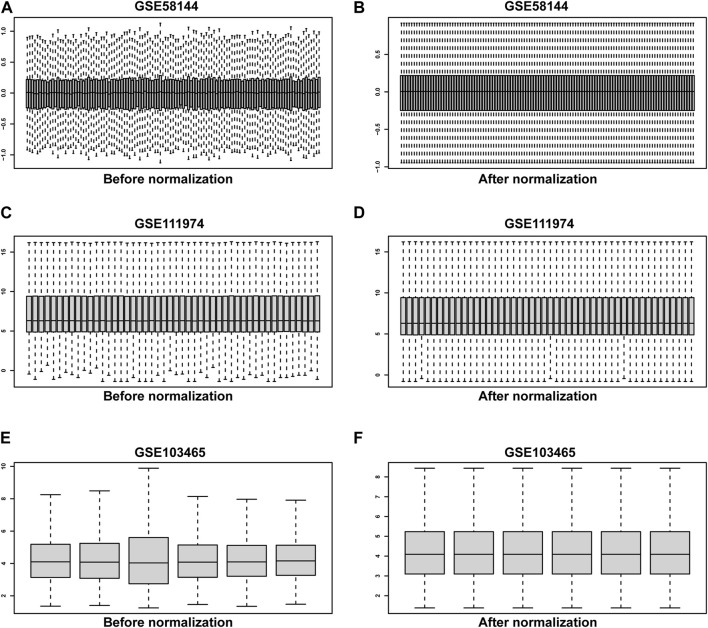
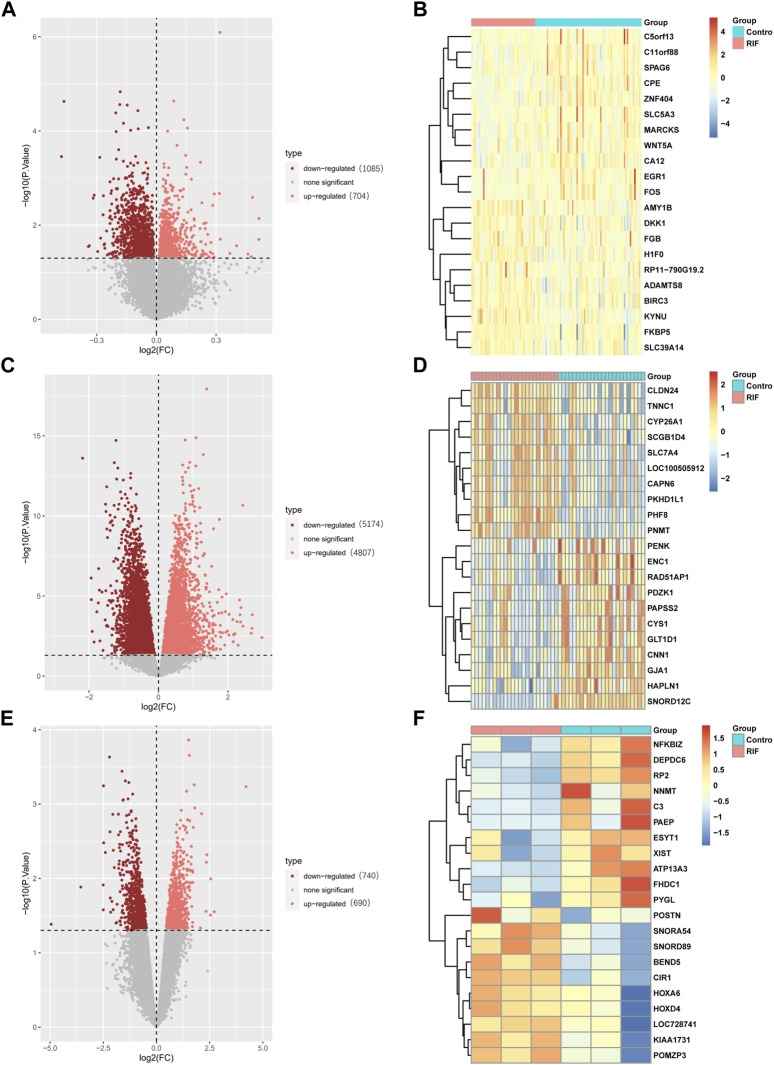
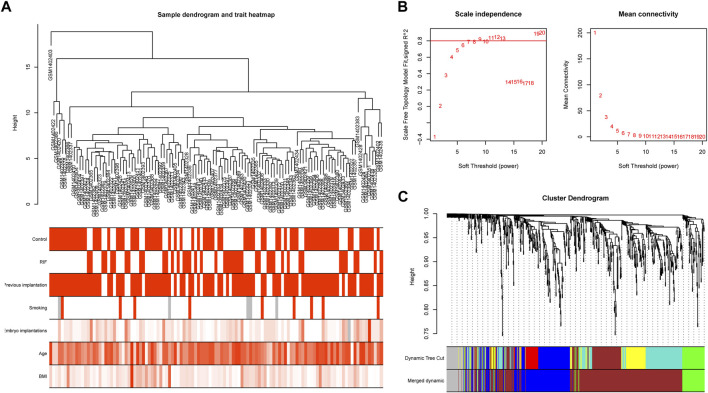
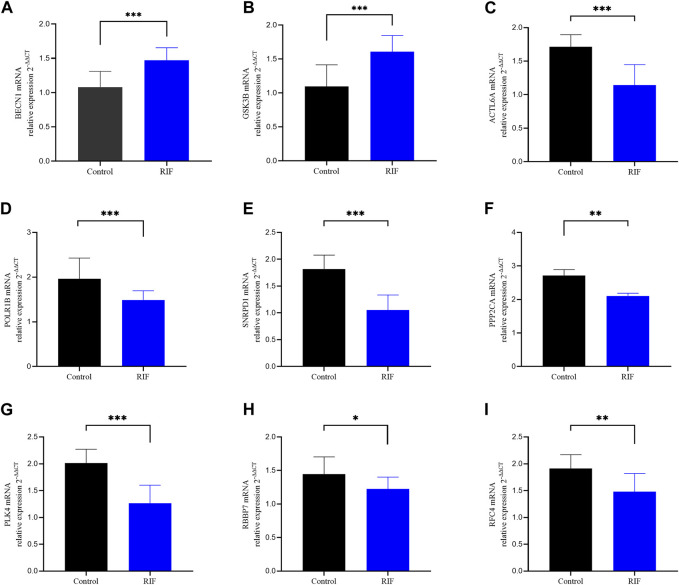
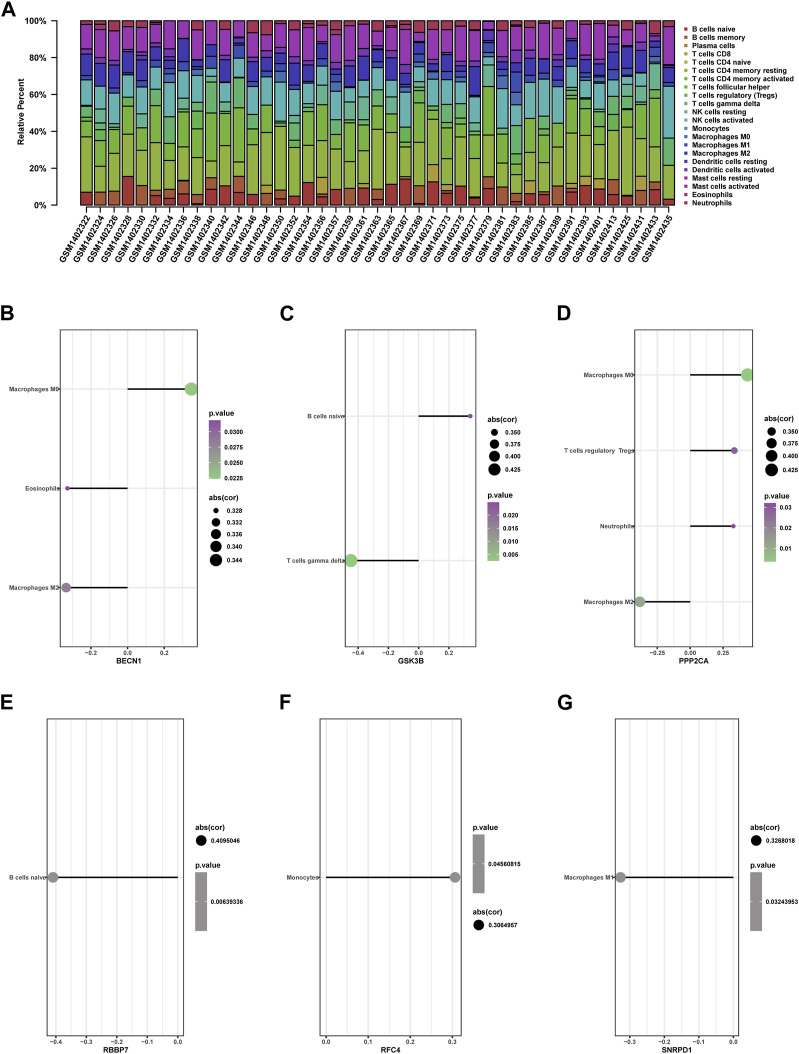
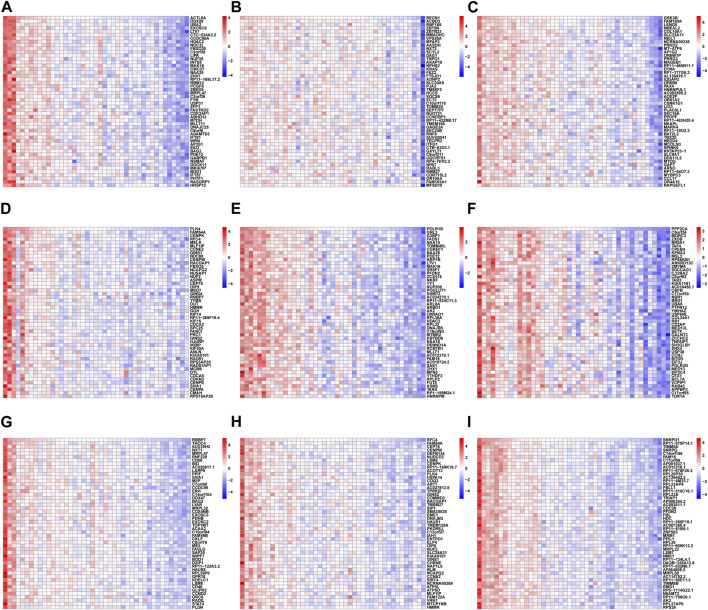
We first obtained three comprehensive microarray datasets "GSE58144, GSE103465 and GSE111974". The differentially expressed genes (DEGs) evaluation, enrichment analysis, as well as efficient weighted gene co-expression network analysis (WGCNA), were employed for distinguishing RIF-linked hub genes, which were tested by RT-qPCR in our 30 independent samples. Next, we studied the topography of infiltration of 22 immune cell subpopulations and the association between hub genes and immune cells in RIF using the CIBERSORT algorithm. ridge plot was utilized to exhibit the potential function of core genes.
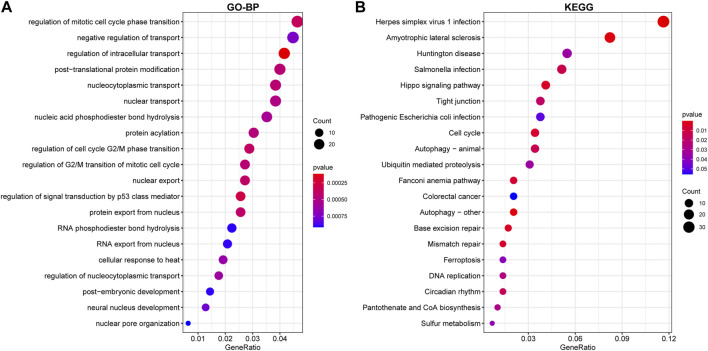
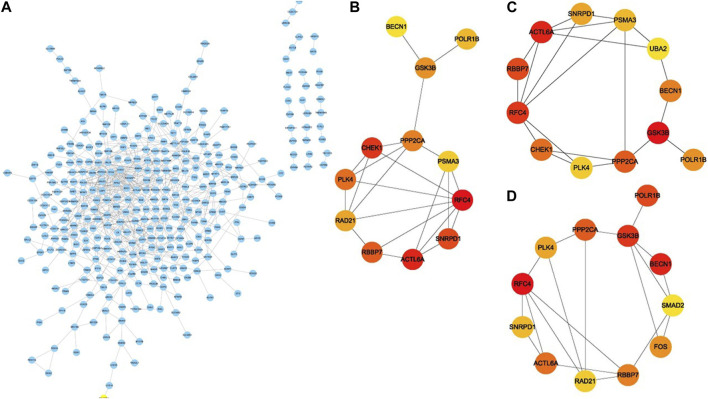
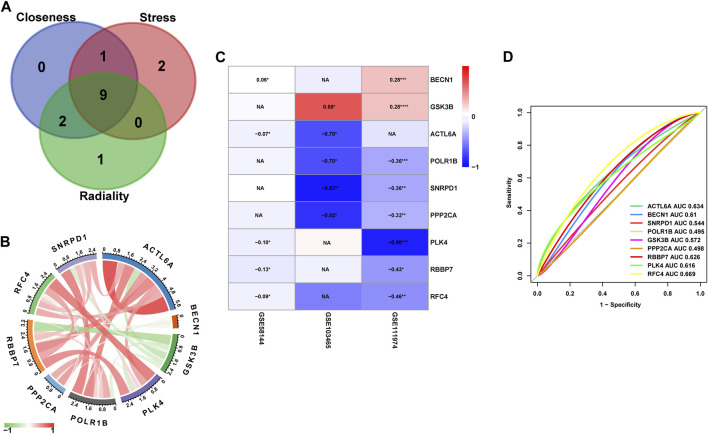
The enrichment of GO/KEGG pathways reveals that Herpes simplex virus 1 infection and infection may have an important role in RIF. After WGCNA, the intersected genes with the previous DEGs were obtained using both variance and association. Notably, the subsequent nine hub genes were finally selected: based on the PPI network and three different algorithms, whose expression patterns were also verified by RT-qPCR. With in-depth analysis, we speculated that key genes mentioned above might be involved in the RIF through disturbing endometrial microflora homeostasis, impairing autophagy, and inhibiting the proliferation of endometrium. Furthermore, the current study revealed the aberrant immune infiltration patterns and emphasized that uterine NK cells (uNK) and CD4 T cells were substantially altered in RIF endometrium. Finally, the ridge plot displayed a clear and crucial association between hub genes and other genes and key pathways.
We first utilized WGCNA to identify the most potential nine hub genes which might be associated with RIF. Meanwhile, this study offers insights into the landscape of immune infiltration status to reveal the underlying immune pathogenesis of RIF. This may be a direction for the next study of RIF etiology. Further studies would be required to investigate the involved mechanisms.
约10%接受受精的个体遭遇反复植入失败(RIF),这是一个全球性的社会和经济问题。然而,RIF潜在的关键基因和遗传机制在很大程度上尚不清楚。
我们首先获取了三个综合微阵列数据集“GSE58144、GSE103465和GSE111974”。采用差异表达基因(DEG)评估、富集分析以及高效加权基因共表达网络分析(WGCNA)来鉴别与RIF相关的枢纽基因,并在我们的30个独立样本中通过RT-qPCR进行检测。接下来,我们使用CIBERSORT算法研究了22种免疫细胞亚群在RIF中的浸润情况以及枢纽基因与免疫细胞之间的关联。利用脊线图展示核心基因的潜在功能。
GO/KEGG通路富集分析表明,单纯疱疹病毒1感染等可能在RIF中起重要作用。经过WGCNA,利用方差和关联性获得了与先前DEG相交的基因。值得注意的是,最终基于蛋白质-蛋白质相互作用(PPI)网络和三种不同算法选择了九个枢纽基因,其表达模式也通过RT-qPCR得到验证。通过深入分析,我们推测上述关键基因可能通过扰乱子宫内膜微生物群稳态、损害自噬以及抑制子宫内膜增殖而参与RIF。此外,本研究揭示了异常的免疫浸润模式,并强调子宫自然杀伤细胞(uNK)和CD4 T细胞在RIF子宫内膜中发生了显著改变。最后,脊线图显示了枢纽基因与其他基因及关键通路之间清晰且关键的关联。
我们首次利用WGCNA鉴定出了九个最具潜力的可能与RIF相关的枢纽基因。同时,本研究深入了解了免疫浸润状态,以揭示RIF潜在的免疫发病机制。这可能是RIF病因学后续研究的一个方向。需要进一步研究来探究其中涉及的机制。