Fares Jawad, Wan Yizhou, Mair Richard, Price Stephen J
Academic Neurosurgery Division, Department of Clinical Neurosciences, University of Cambridge, Cambridge, CB2 0QQ, UK.
Cambridge Brain Tumour Imaging Laboratory, Division of Neurosurgery, Department of Clinical Neurosciences, University of Cambridge, Cambridge, CB2 0QQ, UK.
Brain Commun. 2024 Mar 27;6(2):fcae108. doi: 10.1093/braincomms/fcae108. eCollection 2024.
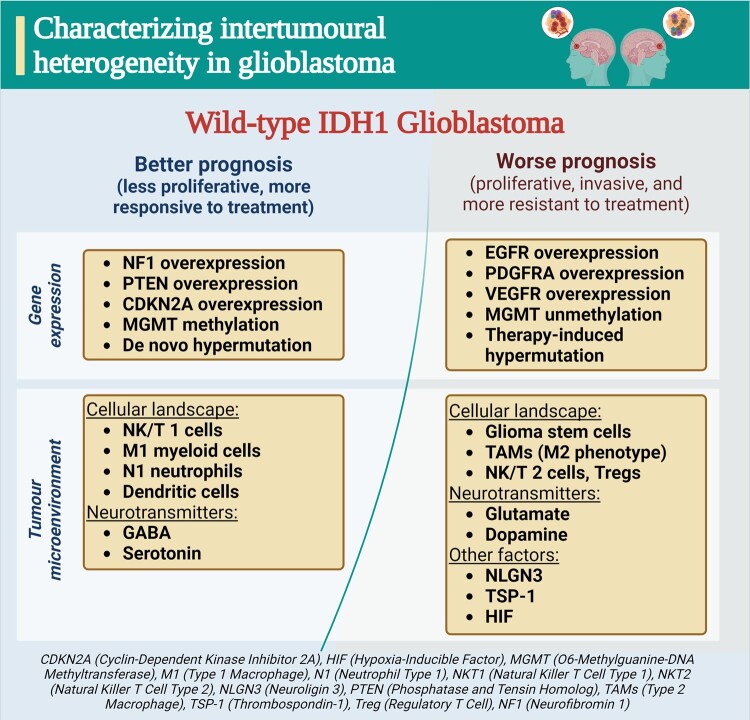
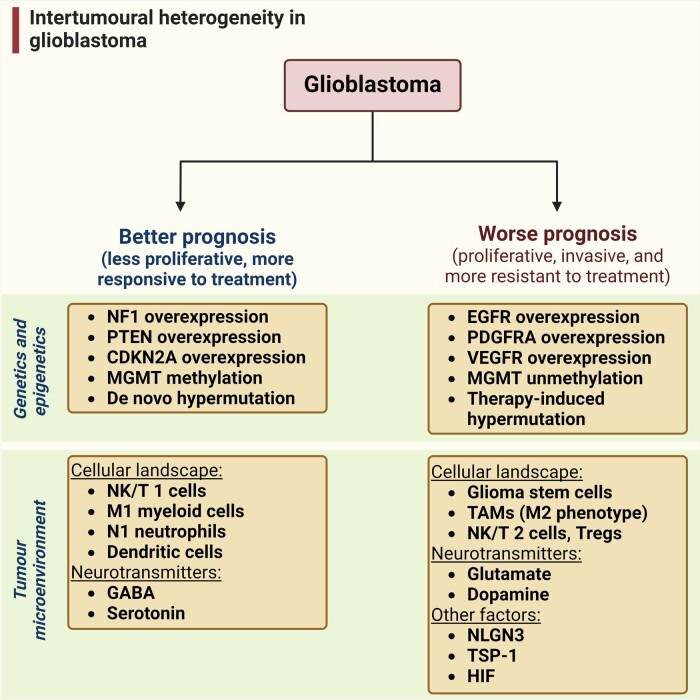
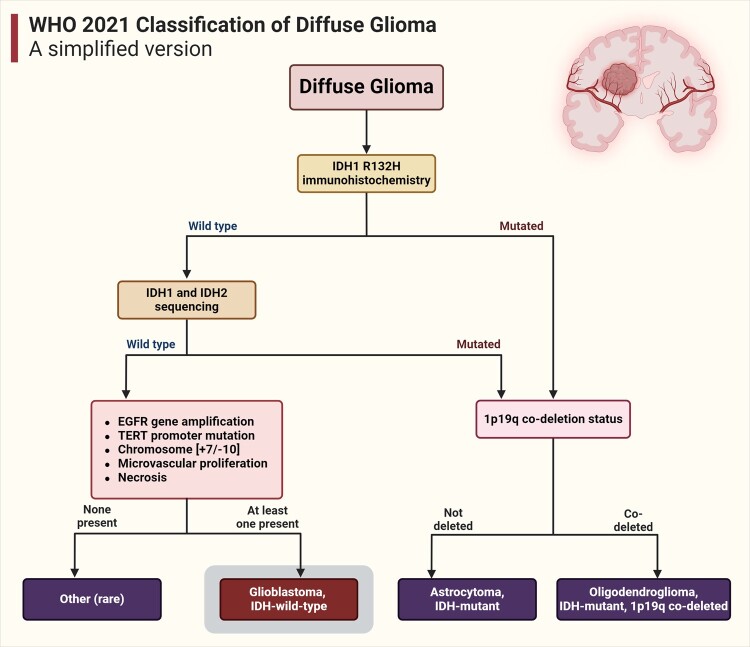
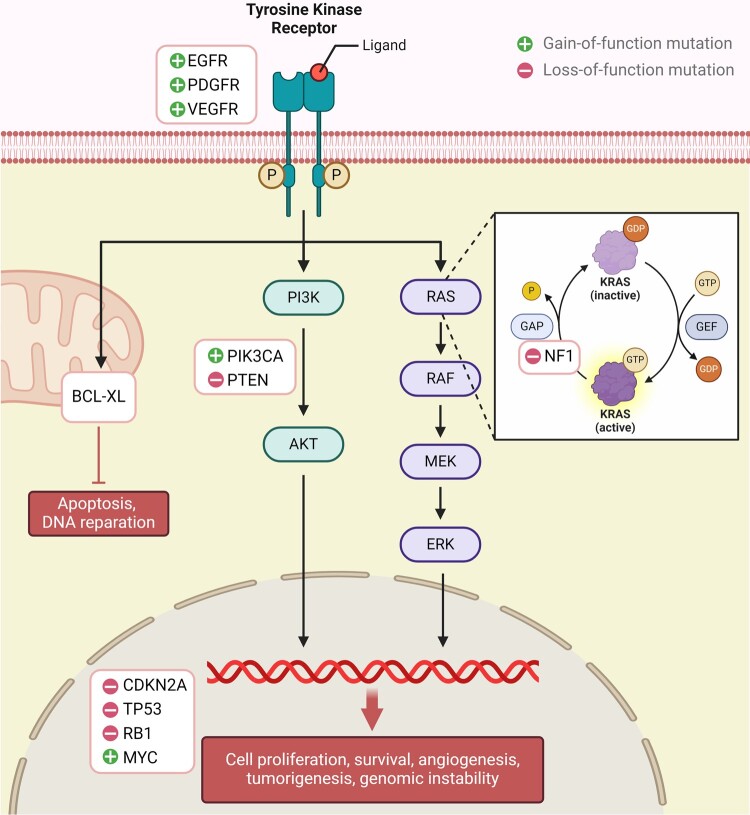
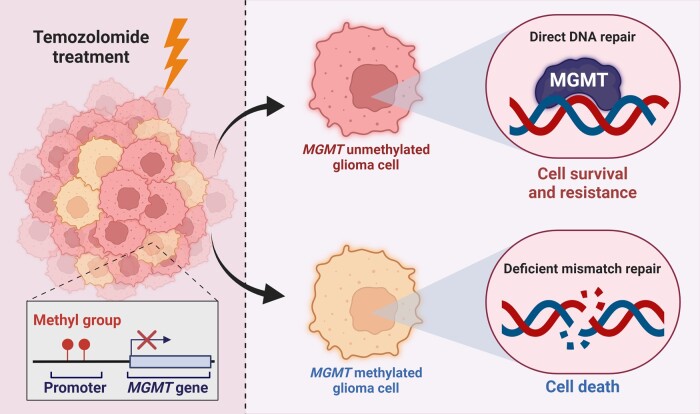
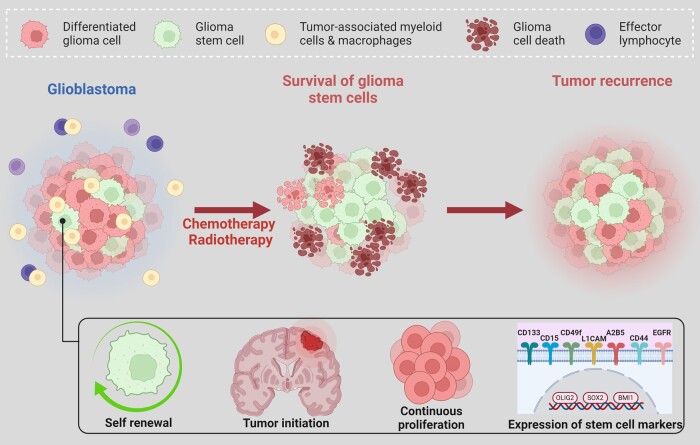
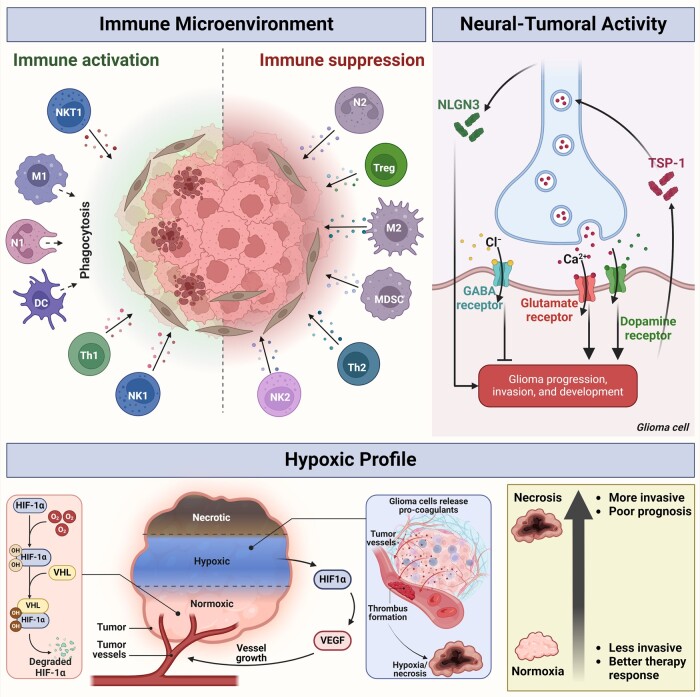
In the dynamic landscape of glioblastoma, the 2021 World Health Organization Classification of Central Nervous System tumours endeavoured to establish biological homogeneity, yet isocitrate dehydrogenase-wild-type (IDH-wt) glioblastoma persists as a tapestry of clinical and molecular diversity. Intertumoural heterogeneity in IDH-wt glioblastoma presents a formidable challenge in treatment strategies. Recent strides in genetics and molecular biology have enhanced diagnostic precision, revealing distinct subtypes and invasive patterns that influence survival in patients with IDH-wt glioblastoma. Genetic and molecular biomarkers, such as the overexpression of neurofibromin 1, phosphatase and tensin homolog and/or cyclin-dependent kinase inhibitor 2A, along with specific immune cell abundance and neurotransmitters, correlate with favourable outcomes. Conversely, increased expression of epidermal growth factor receptor tyrosine kinase, platelet-derived growth factor receptor alpha and/or vascular endothelial growth factor receptor, coupled with the prevalence of glioma stem cells, tumour-associated myeloid cells, regulatory T cells and exhausted effector cells, signifies an unfavourable prognosis. The methylation status of O-methylguanine-DNA methyltransferase and the influence of microenvironmental factors and neurotransmitters further shape treatment responses. Understanding intertumoural heterogeneity is complemented by insights into intratumoural dynamics and cellular interactions within the tumour microenvironment. Glioma stem cells and immune cell composition significantly impact progression and outcomes, emphasizing the need for personalized therapies targeting pro-tumoural signalling pathways and resistance mechanisms. A successful glioblastoma management demands biomarker identification, combination therapies and a nuanced approach considering intratumoural variability. These advancements herald a transformative era in glioblastoma comprehension and treatment.
在胶质母细胞瘤不断变化的格局中,2021年世界卫生组织中枢神经系统肿瘤分类试图建立生物学同质性,但异柠檬酸脱氢酶野生型(IDH-wt)胶质母细胞瘤仍然是临床和分子多样性的交织体。IDH-wt胶质母细胞瘤的肿瘤间异质性给治疗策略带来了巨大挑战。遗传学和分子生物学的最新进展提高了诊断精度,揭示了影响IDH-wt胶质母细胞瘤患者生存的不同亚型和侵袭模式。神经纤维瘤蛋白1、磷酸酶和张力蛋白同源物和/或细胞周期蛋白依赖性激酶抑制剂2A的过表达等遗传和分子生物标志物,以及特定免疫细胞丰度和神经递质,与良好预后相关。相反,表皮生长因子受体酪氨酸激酶、血小板衍生生长因子受体α和/或血管内皮生长因子受体的表达增加,以及胶质瘤干细胞、肿瘤相关髓样细胞、调节性T细胞和耗竭效应细胞的普遍存在,预示着预后不良。O-甲基鸟嘌呤-DNA甲基转移酶的甲基化状态以及微环境因素和神经递质的影响进一步塑造了治疗反应。对肿瘤内动态和肿瘤微环境内细胞相互作用的深入了解补充了对肿瘤间异质性的认识。胶质瘤干细胞和免疫细胞组成显著影响进展和预后,强调需要针对促肿瘤信号通路和耐药机制的个性化治疗。成功的胶质母细胞瘤管理需要识别生物标志物、联合治疗以及考虑肿瘤内变异性的细致方法。这些进展预示着胶质母细胞瘤理解和治疗的变革时代。