Liu Ran, Jiao Yu-Rui, Huang Mei, Zou Nan-Yu, He Chen, Huang Min, Chen Kai-Xuan, He Wen-Zhen, Liu Ling, Sun Yu-Chen, Xia Zhu-Ying, Quarles L Darryl, Yang Hai-Lin, Wang Wei-Shan, Xiao Zhou-Sheng, Luo Xiang-Hang, Li Chang-Jun
Department of Endocrinology, Endocrinology Research Center, Xiangya Hospital of Central South University, Changsha, Hunan, 410008, China.
Department of Medicine, University of Tennessee Health Science Center, Memphis, TN, 38163, USA.
Theranostics. 2024 Apr 8;14(6):2544-2559. doi: 10.7150/thno.93269. eCollection 2024.
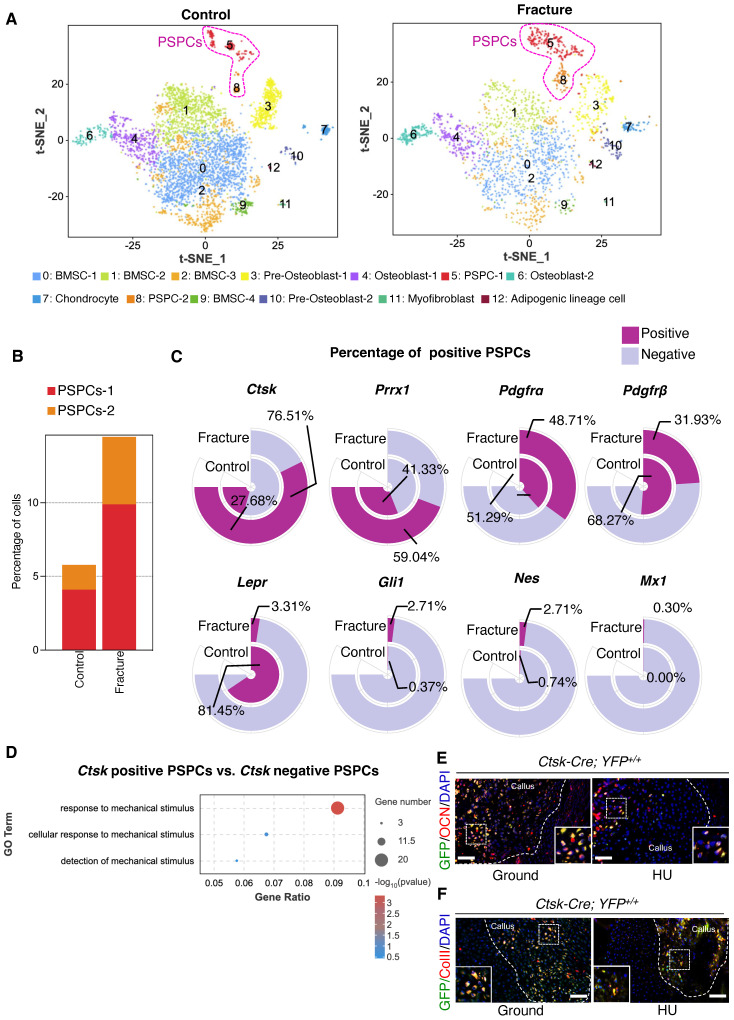
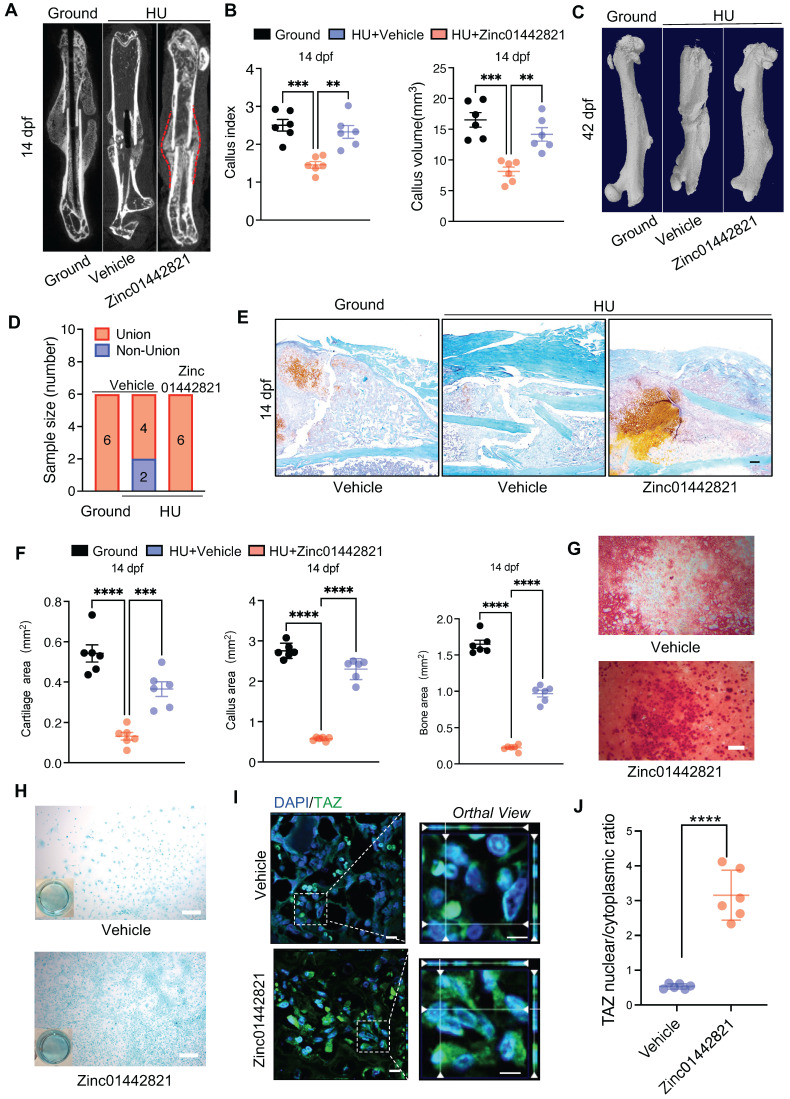
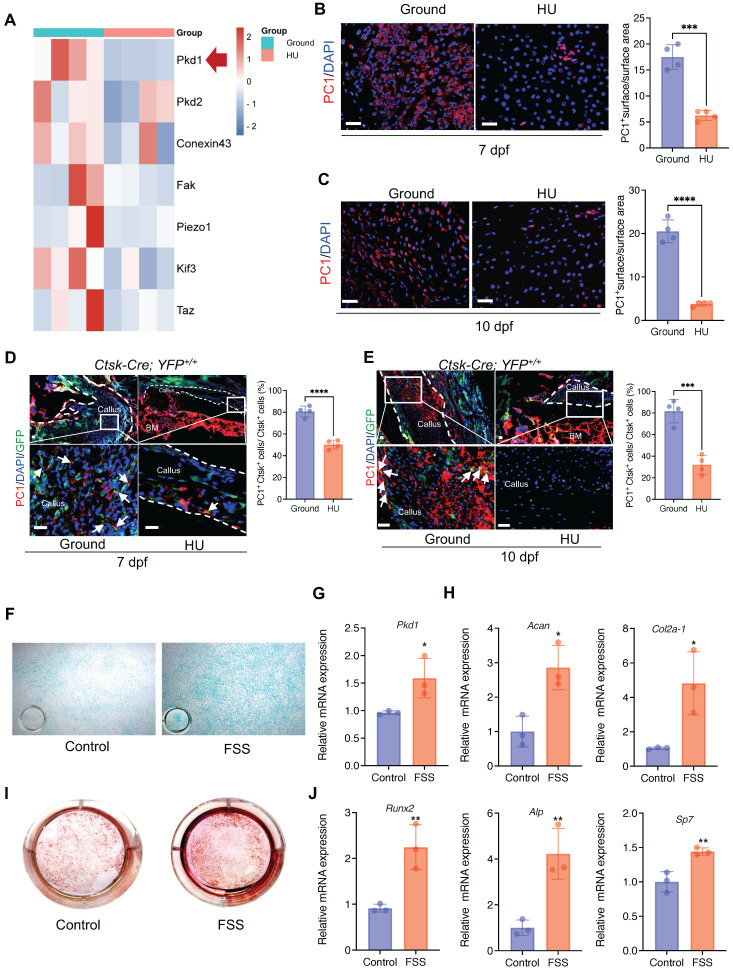
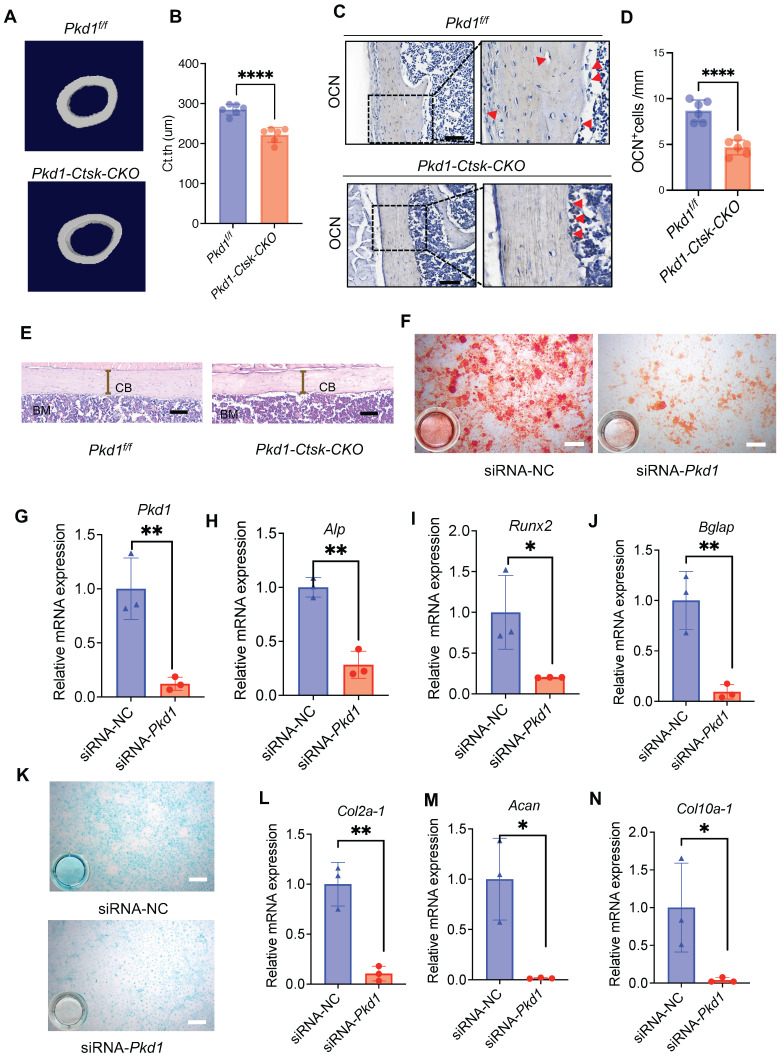
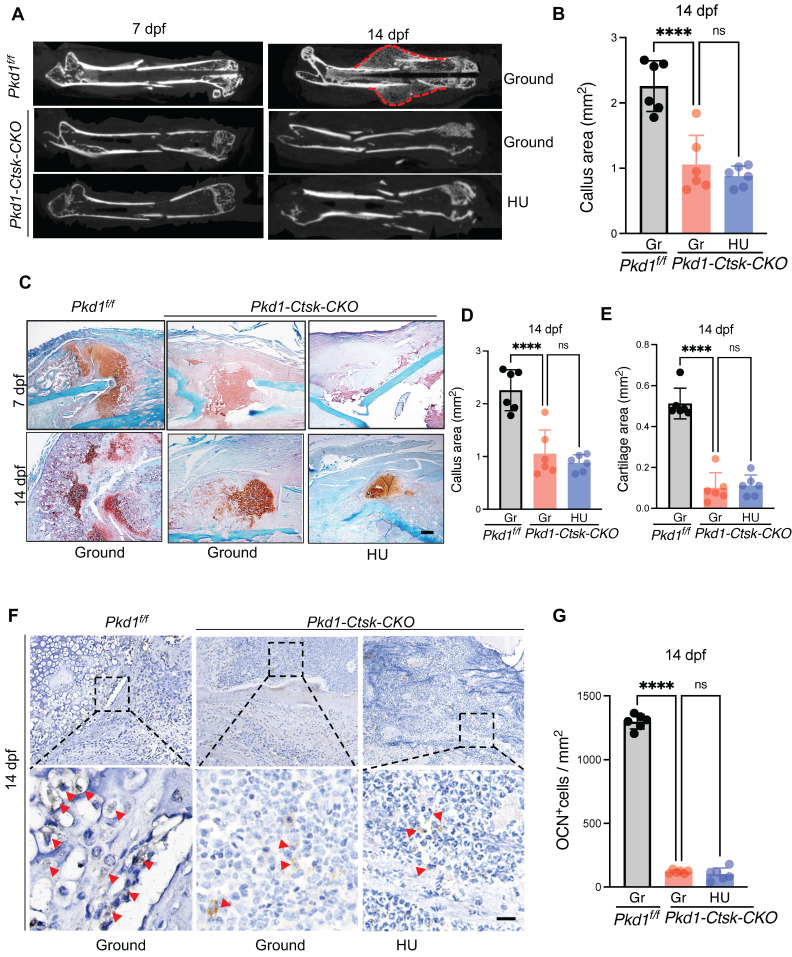
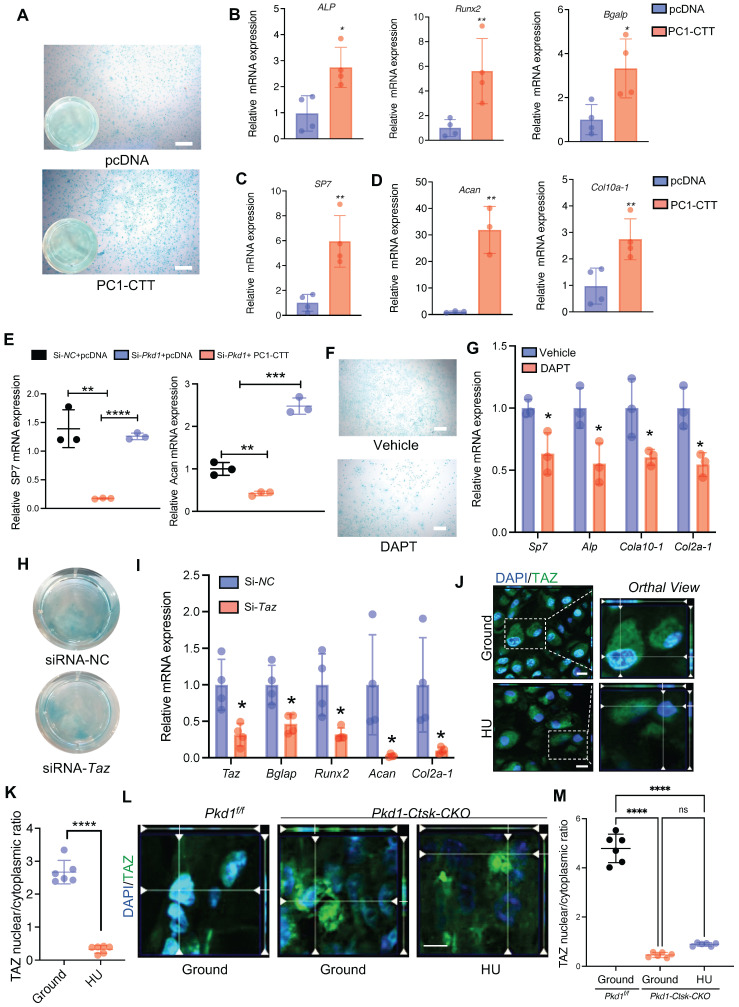
Mechanical forces are indispensable for bone healing, disruption of which is recognized as a contributing cause to nonunion or delayed union. However, the underlying mechanism of mechanical regulation of fracture healing is elusive. We used the lineage-tracing mouse model, conditional knockout depletion mouse model, hindlimb unloading model and single-cell RNA sequencing to analyze the crucial roles of mechanosensitive protein polycystin-1 (PC1, ) promotes periosteal stem/progenitor cells (PSPCs) osteochondral differentiation in fracture healing. Our results showed that cathepsin ()-positive PSPCs are fracture-responsive and mechanosensitive and can differentiate into osteoblasts and chondrocytes during fracture repair. We found that polycystin-1 declines markedly in PSPCs with mechanical unloading while increasing in response to mechanical stimulus. Mice with conditional depletion of in PSPCs show impaired osteochondrogenesis, reduced cortical bone formation, delayed fracture healing, and diminished responsiveness to mechanical unloading. Mechanistically, PC1 facilitates nuclear translocation of transcriptional coactivator TAZ via PC1 C-terminal tail cleavage, enhancing osteochondral differentiation potential of PSPCs. Pharmacological intervention of the PC1-TAZ axis and promotion of TAZ nuclear translocation using Zinc01442821 enhances fracture healing and alleviates delayed union or nonunion induced by mechanical unloading. Our study reveals that PSPCs within the callus can sense mechanical forces through the PC1-TAZ axis, targeting which represents great therapeutic potential for delayed fracture union or nonunion.
机械力对骨折愈合必不可少,其破坏被认为是骨不连或延迟愈合的一个促成因素。然而,骨折愈合机械调节的潜在机制尚不清楚。我们使用谱系追踪小鼠模型、条件性基因敲除耗竭小鼠模型、后肢卸载模型和单细胞RNA测序来分析机械敏感蛋白多囊蛋白-1(PC1)在促进骨折愈合过程中骨膜干/祖细胞(PSPCs)骨软骨分化方面的关键作用。我们的结果表明,组织蛋白酶阳性的PSPCs对骨折有反应且对机械敏感,在骨折修复过程中可分化为成骨细胞和软骨细胞。我们发现,在机械卸载时,PSPCs中的多囊蛋白-1显著下降,而在机械刺激时则增加。PSPCs中条件性缺失的小鼠表现出骨软骨生成受损、皮质骨形成减少、骨折愈合延迟以及对机械卸载的反应性降低。从机制上讲,PC1通过PC1 C末端尾巴切割促进转录共激活因子TAZ的核转位,增强PSPCs的骨软骨分化潜能。对PC1-TAZ轴进行药物干预并使用Zinc01442821促进TAZ核转位可增强骨折愈合,并减轻机械卸载诱导的延迟愈合或骨不连。我们的研究表明,骨痂内的PSPCs可通过PC1-TAZ轴感知机械力,针对这一靶点对延迟性骨折愈合或骨不连具有巨大的治疗潜力。