Perez Claudia I, Luis-Islas Jorge, Lopez Axel, Diaz Xarenny, Molina Omar, Arroyo Benjamin, Moreno Mario G, Lievana Elvi Gil, Fonseca Esmeralda, Castañeda-Hernández Gilberto, Gutierrez Ranier
Departamento de Neurobiología del Desarrollo y Neurofisiología, Instituto de Neurobiología, UNAM, Campus Juriquilla, Querétaro, Mexico.
Department of Pharmacology, Laboratory of Neurobiology of Appetite, CINVESTAV, México, México.
PLoS One. 2024 Apr 24;19(4):e0300544. doi: 10.1371/journal.pone.0300544. eCollection 2024.
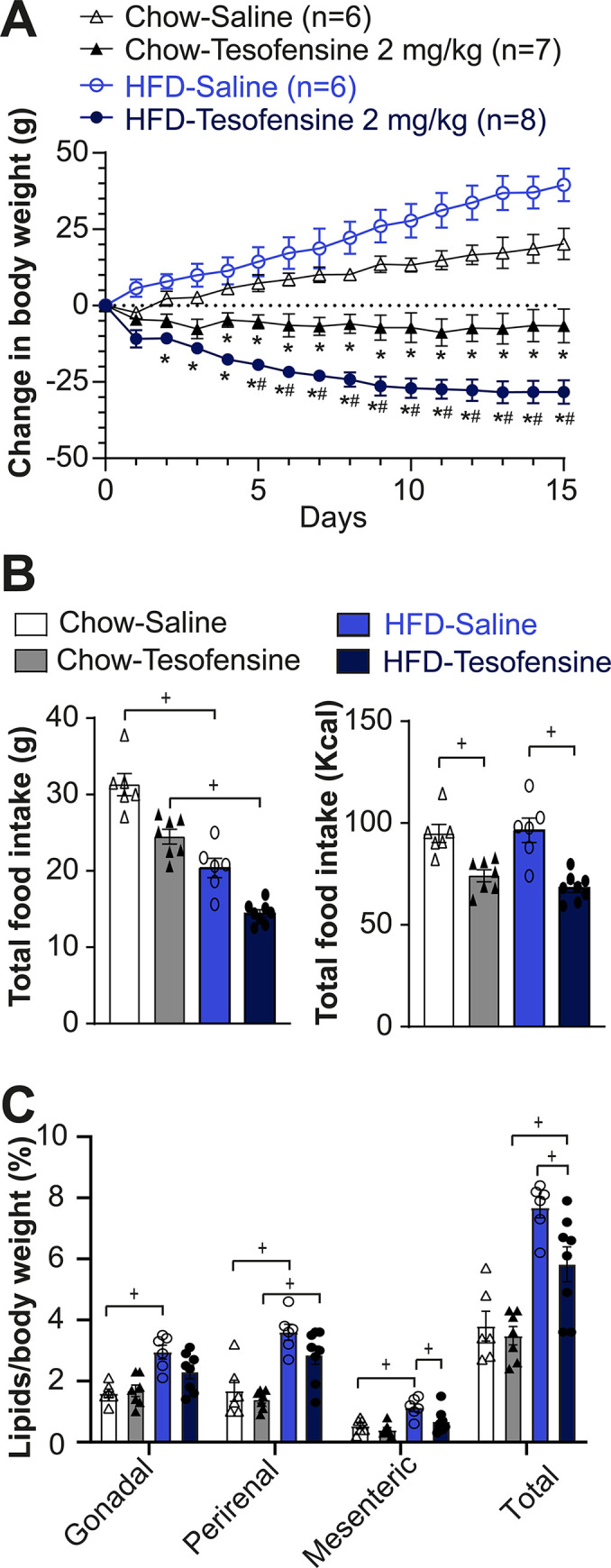
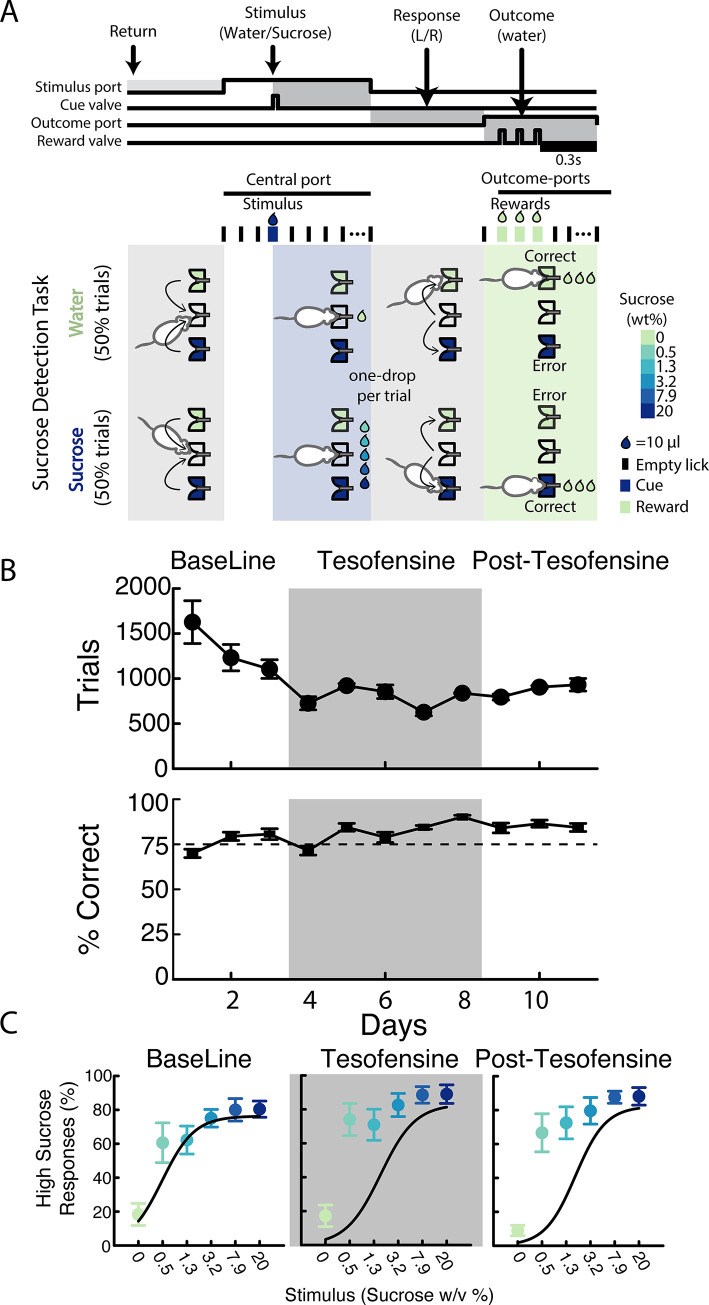
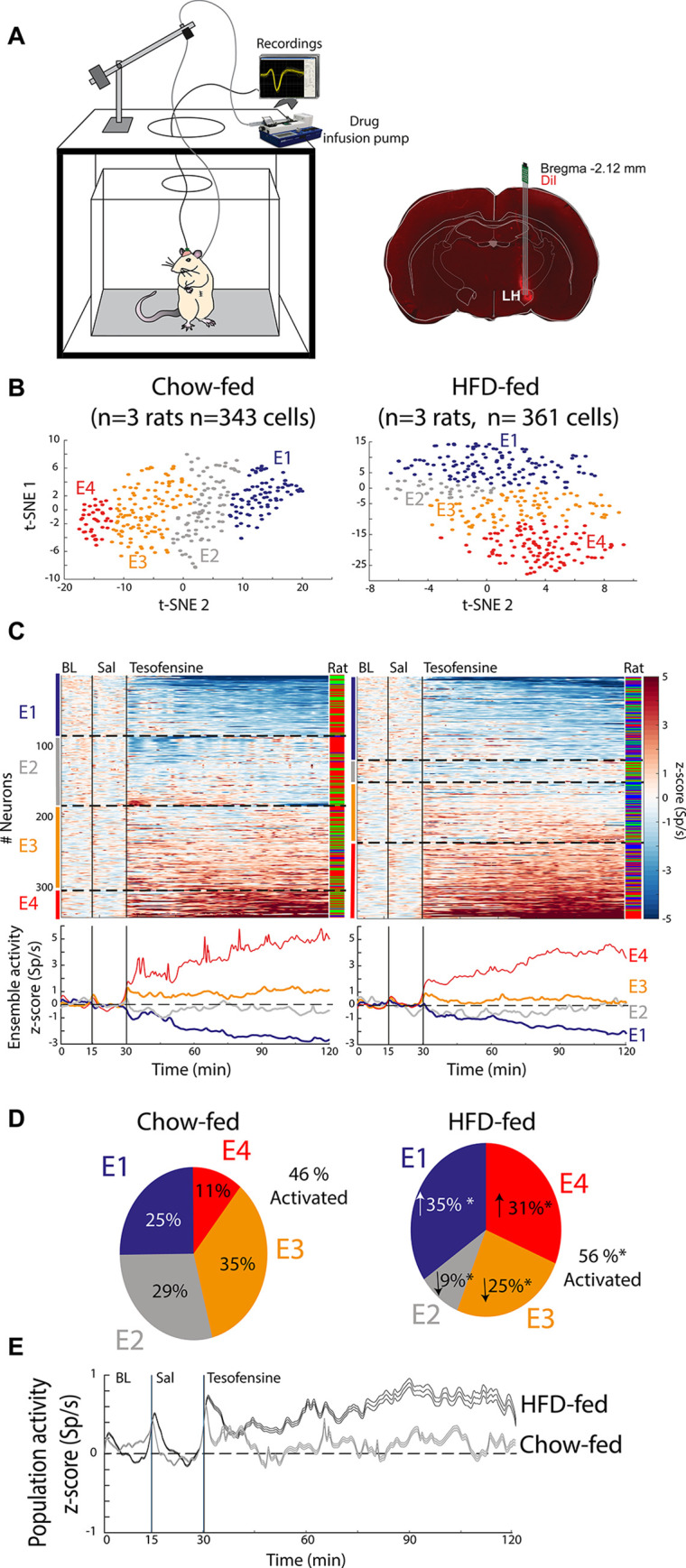
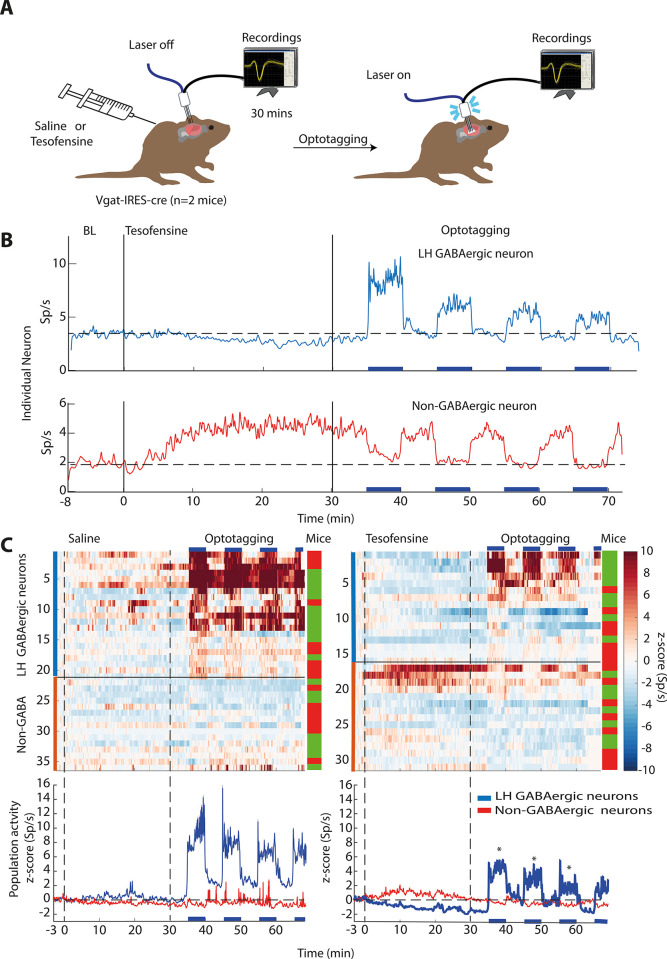
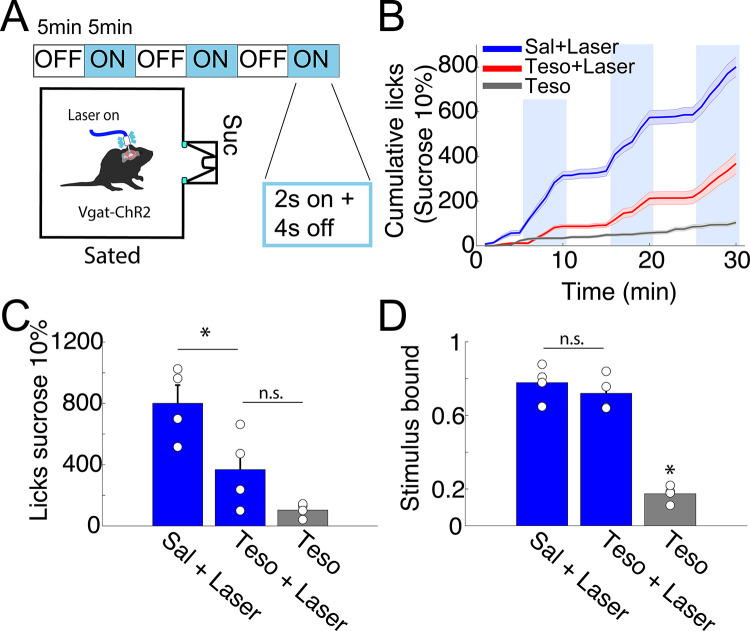
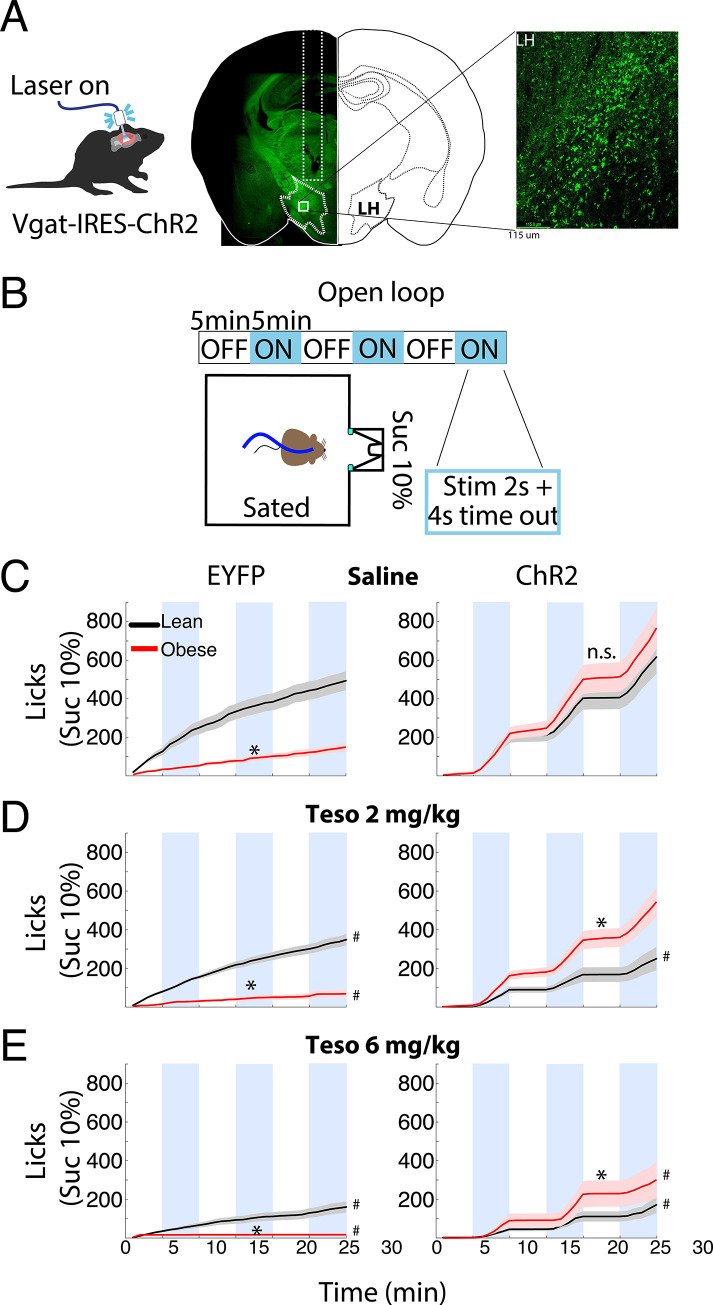
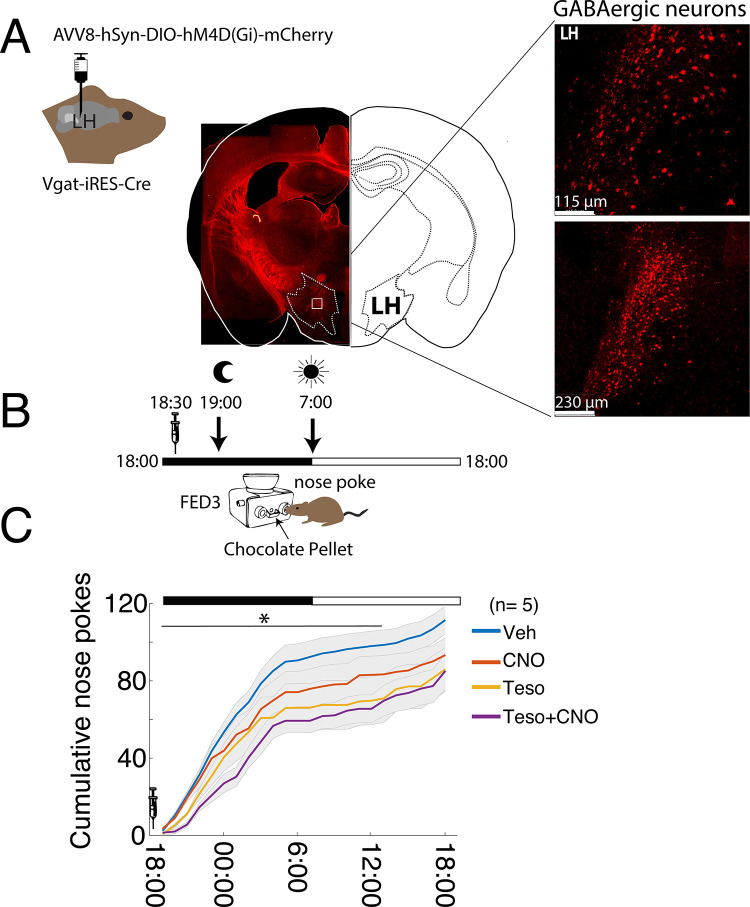
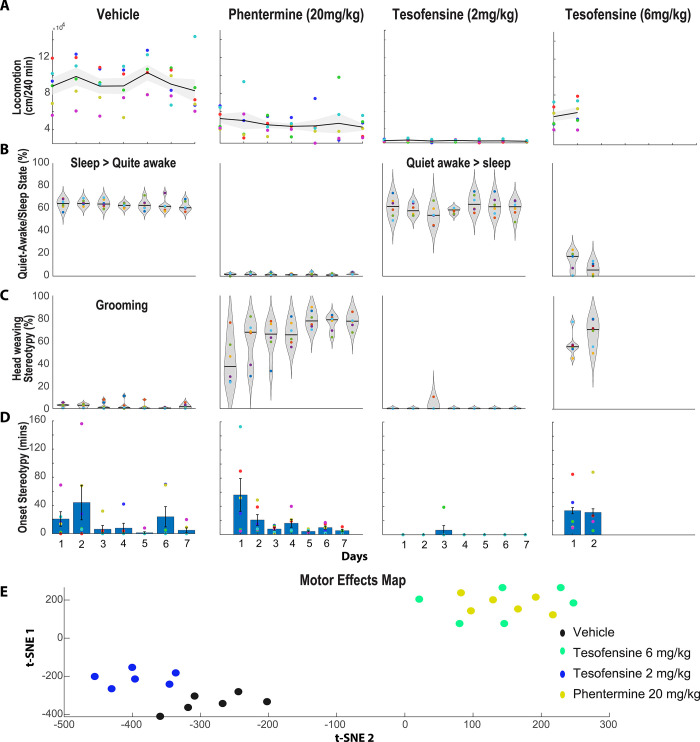
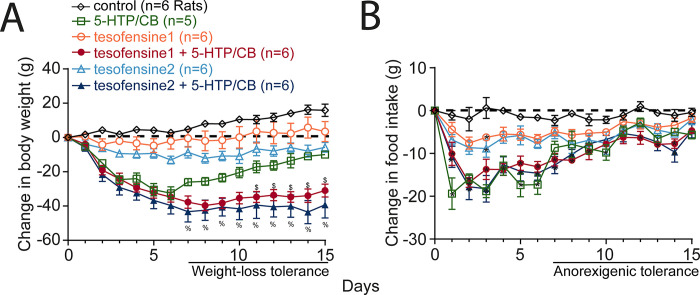
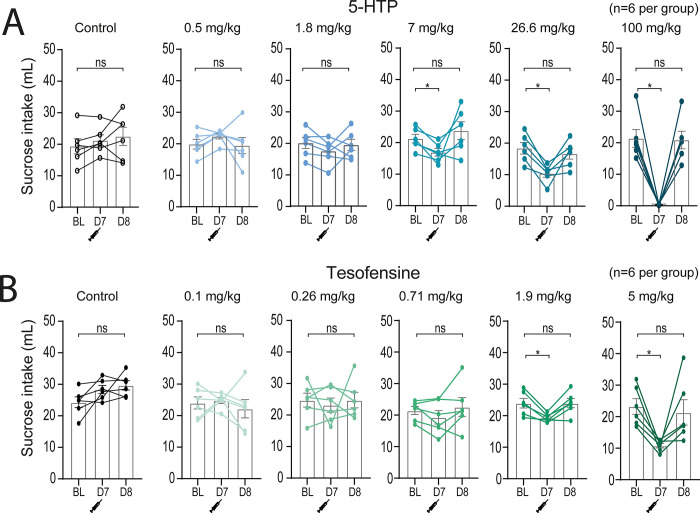
Obesity is a major global health epidemic that has adverse effects on both the people affected as well as the cost to society. Several anti-obesity drugs that target GLP-1 receptors have recently come to the market. Here, we describe the effects of tesofensine, a novel anti-obesity drug that acts as a triple monoamine neurotransmitter reuptake inhibitor. Using various techniques, we investigated its effects on weight loss and underlying neuronal mechanisms in mice and rats. These include behavioral tasks, DeepLabCut videotaped analysis, electrophysiological ensemble recordings, optogenetic activation, and chemogenetic silencing of GABAergic neurons in the Lateral Hypothalamus (LH). We found that tesofensine induces a greater weight loss in obese rats than lean rats, while differentially modulating the neuronal ensembles and population activity in LH. In Vgat-ChR2 and Vgat-IRES-cre transgenic mice, we found for the first time that tesofensine inhibited a subset of LH GABAergic neurons, reducing their ability to promote feeding behavior, and chemogenetically silencing them enhanced tesofensine's food-suppressing effects. Unlike phentermine, a dopaminergic appetite suppressant, tesofensine causes few, if any, head-weaving stereotypy at therapeutic doses. Most importantly, we found that tesofensine prolonged the weight loss induced by 5-HTP, a serotonin precursor, and blocked the body weight rebound that often occurs after weight loss. Behavioral studies on rats with the tastant sucrose indicated that tesofensine's appetite suppressant effects are independent of taste aversion and do not directly affect the perception of sweetness or palatability of sucrose. In summary, our data provide new insights into the effects of tesofensine on weight loss and the underlying neuronal mechanisms, suggesting that tesofensine may be an effective treatment for obesity and that it may be a valuable adjunct to other appetite suppressants to prevent body weight rebound.
肥胖是一种全球性的主要健康流行病,对受影响的人群以及社会成本都有不利影响。几种针对胰高血糖素样肽-1(GLP-1)受体的抗肥胖药物最近已投放市场。在此,我们描述了替索芬辛(tesofensine)的作用,它是一种新型抗肥胖药物,作为三重单胺神经递质再摄取抑制剂发挥作用。我们使用各种技术研究了其对小鼠和大鼠体重减轻及潜在神经机制的影响。这些技术包括行为任务、DeepLabCut录像分析、电生理整体记录、光遗传学激活以及下丘脑外侧区(LH)中γ-氨基丁酸(GABA)能神经元的化学遗传学沉默。我们发现,替索芬辛在肥胖大鼠中诱导的体重减轻比瘦大鼠更多,同时对LH中的神经元集群和群体活动进行差异性调节。在Vgat-ChR2和Vgat-IRES-cre转基因小鼠中,我们首次发现替索芬辛抑制了LH中一部分GABA能神经元,降低了它们促进进食行为的能力,并且化学遗传学沉默这些神经元增强了替索芬辛的食物抑制作用。与多巴胺能食欲抑制剂苯丁胺不同,替索芬辛在治疗剂量下几乎不会引起(如果有也是极少的)头部摆动刻板行为。最重要的是,我们发现替索芬辛延长了5-羟色胺(5-HTP,一种血清素前体)诱导的体重减轻,并阻止了减肥后经常出现的体重反弹。对给予味觉剂蔗糖的大鼠进行的行为研究表明,替索芬辛的食欲抑制作用与味觉厌恶无关,并且不会直接影响对蔗糖甜度或适口性的感知。总之,我们的数据为替索芬辛对体重减轻的影响及潜在神经机制提供了新的见解,表明替索芬辛可能是一种有效的肥胖治疗药物,并且它可能是其他食欲抑制剂预防体重反弹的有价值辅助药物。