Kalyanasundar B, Perez Claudia I, Arroyo Benjamin, Moreno Mario Gil, Gutierrez Ranier
Laboratory of Neurobiology of Appetite, Department of Pharmacology, Center for Research and Advanced Studies (CINVESTAV), Mexico City, Mexico.
Front Neurosci. 2020 Oct 16;14:572328. doi: 10.3389/fnins.2020.572328. eCollection 2020.
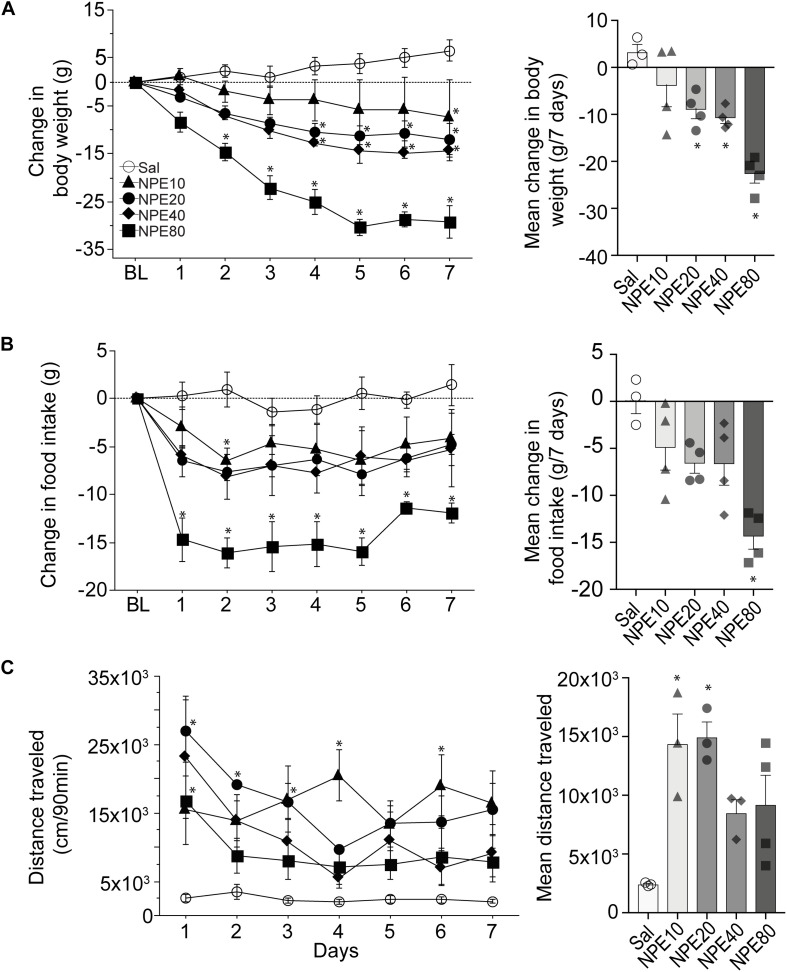
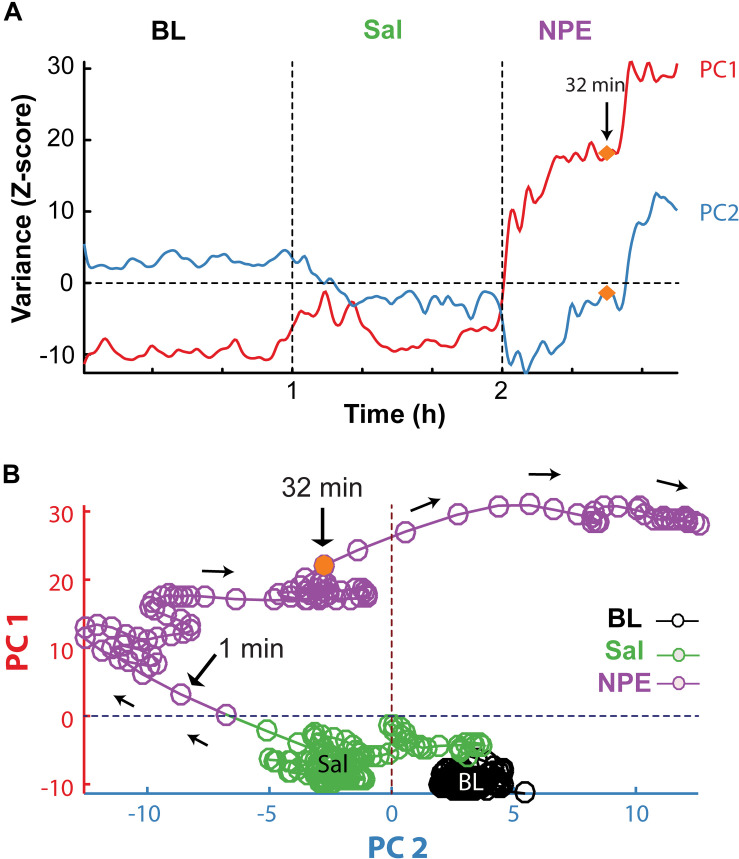
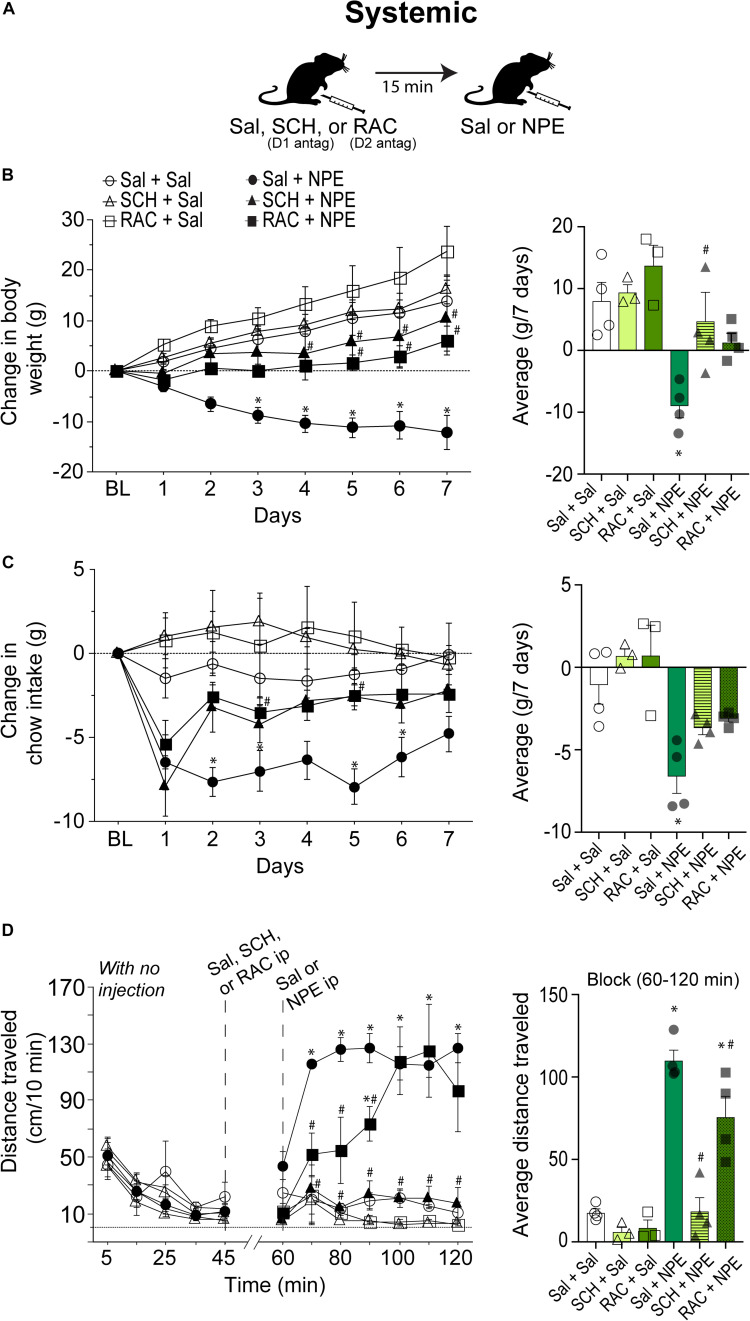
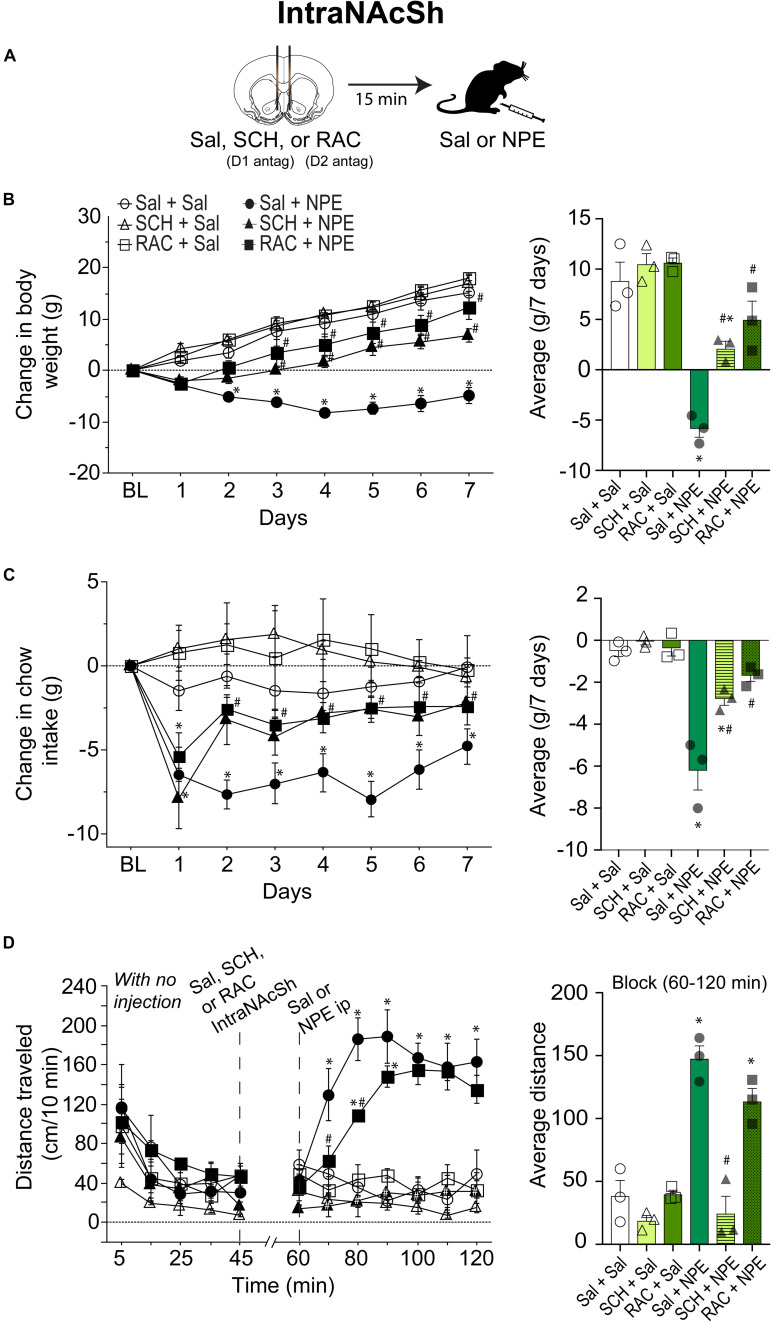
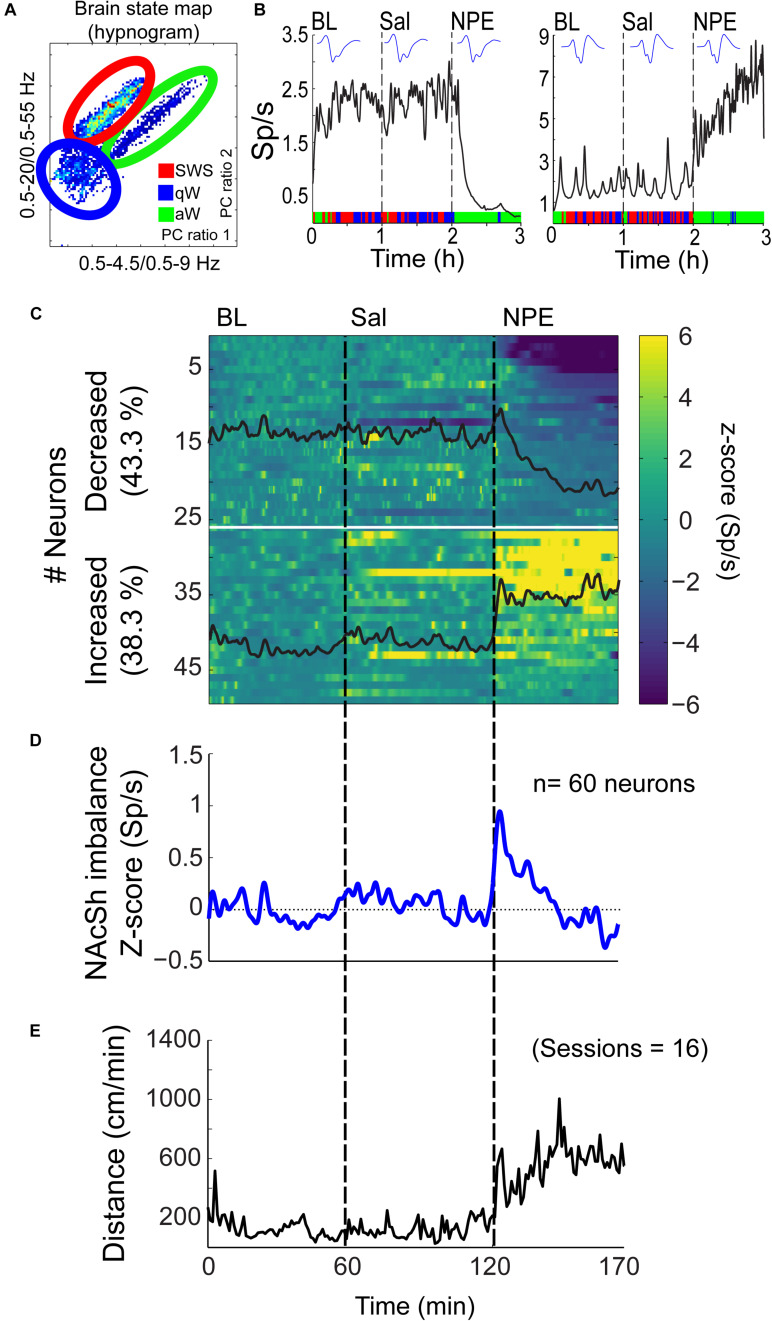
D-norpseudoephedrine (NPE), also known as cathine, is found naturally in the shrub "Khat." NPE has been widely used as an appetite suppressant for the treatment of obesity. Although it is known that NPE acts on α1-adrenergic receptors, there is little information about the role of dopamine receptors on NPE's induced anorectic and weight loss effects. Equally untouched is the question of how NPE modulates neuronal activity in the nucleus accumbens shell (NAcSh), a brain reward center, and a pharmacological target for many appetite suppressants. To do this, in rats, we characterized the pharmacological effects induced by NPE on weight loss, food intake, and locomotion. We also determined the involvement of dopamine D1- and D2-like receptors using systemic and intra-NAcSh antagonists, and finally, we recorded single-unit activity in the NAcSh in freely moving rats. We found that NPE decreased 24-h food intake, induced weight loss, and as side effects increased locomotor activity and wakefulness. Also, intraperitoneal and intra-NAcSh administration of D1 and D2 dopamine antagonists partially reversed NPE's induced weight loss and food intake suppression. Furthermore, the D1 antagonist, SCH-23390, eliminated NPE-induced locomotion, whereas the D2 antagonist, raclopride, only delayed its onset. We also found that NPE evoked a net activation imbalance in NAcSh that propelled the population activity trajectories into a dynamic pharmacological brain state, which correlated with the onset of NPE-induced wakefulness. Together, our data demonstrate that NPE modulates NAcSh spiking activity and that both dopamine D1 and D2 receptors are necessary for NPE's induced food intake suppression and weight loss.
去甲伪麻黄碱(NPE),也被称为去甲伪麻黄碱,天然存在于巧茶属灌木中。NPE已被广泛用作食欲抑制剂来治疗肥胖症。尽管已知NPE作用于α1肾上腺素能受体,但关于多巴胺受体在NPE诱导的厌食和体重减轻作用中的作用却知之甚少。同样未被探讨的问题是,NPE如何调节伏隔核壳(NAcSh)中的神经元活动,NAcSh是一个脑奖赏中心,也是许多食欲抑制剂的药理学靶点。为此,在大鼠中,我们表征了NPE对体重减轻、食物摄入和运动所诱导的药理作用。我们还使用全身和脑内NAcSh拮抗剂确定了多巴胺D1和D2样受体的参与情况,最后,我们记录了自由活动大鼠NAcSh中的单单位活动。我们发现,NPE减少了24小时食物摄入量,导致体重减轻,并且作为副作用增加了运动活动和清醒程度。此外,腹腔注射和脑内NAcSh注射多巴胺D1和D2拮抗剂部分逆转了NPE诱导的体重减轻和食物摄入抑制。此外,D1拮抗剂SCH-23390消除了NPE诱导的运动,而D2拮抗剂雷氯必利只是延迟了其发作。我们还发现,NPE在NAcSh中引发了净激活失衡,将群体活动轨迹推向一种动态药理脑状态,这与NPE诱导的清醒发作相关。总之,我们的数据表明,NPE调节NAcSh的尖峰活动,并且多巴胺D1和D2受体对于NPE诱导的食物摄入抑制和体重减轻都是必需的。