State Key Laboratory of Southwestern Chinese Medicine Resources, Chengdu University of Traditional Chinese Medicine, Chengdu, 611137, China.
College of Pharmacy, Chengdu University of Traditional Chinese Medicine, Chengdu, 611137, China.
BMC Plant Biol. 2024 Apr 25;24(1):332. doi: 10.1186/s12870-024-05048-x.
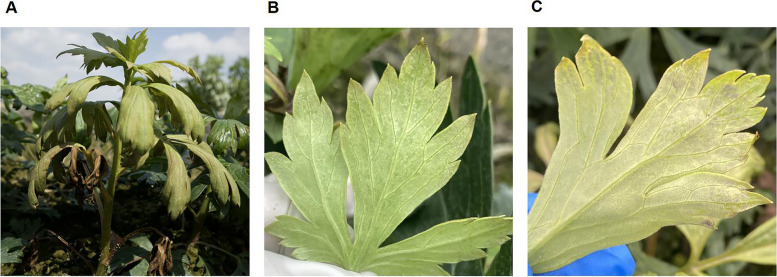
Aconitum carmichaelii Debx. has been widely used as a traditional medicinal herb for a long history in China. It is highly susceptible to various dangerous diseases during the cultivation process. Downy mildew is the most serious leaf disease of A. carmichaelii, affecting plant growth and ultimately leading to a reduction in yield. To better understand the response mechanism of A. carmichaelii leaves subjected to downy mildew, the contents of endogenous plant hormones as well as transcriptome sequencing were analyzed at five different infected stages.
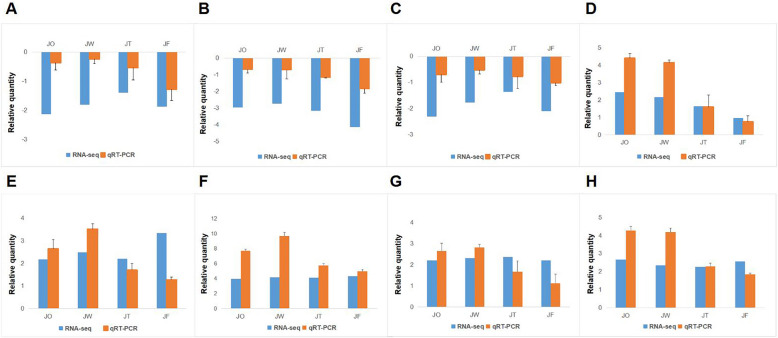
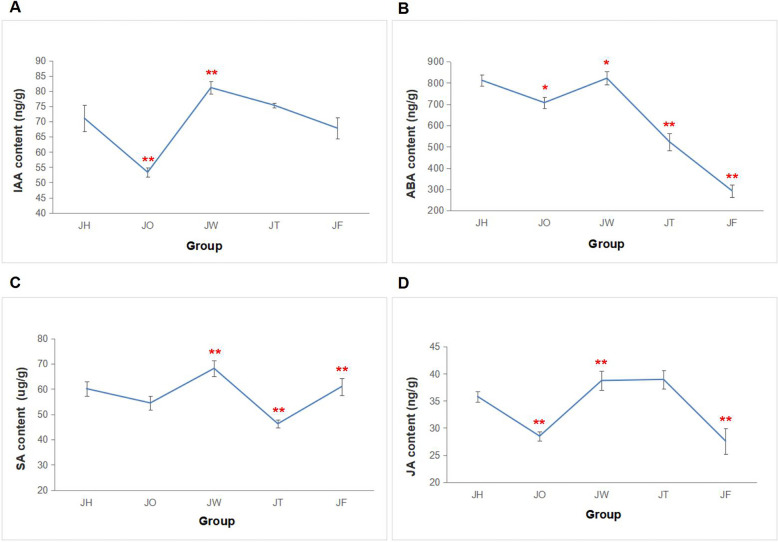
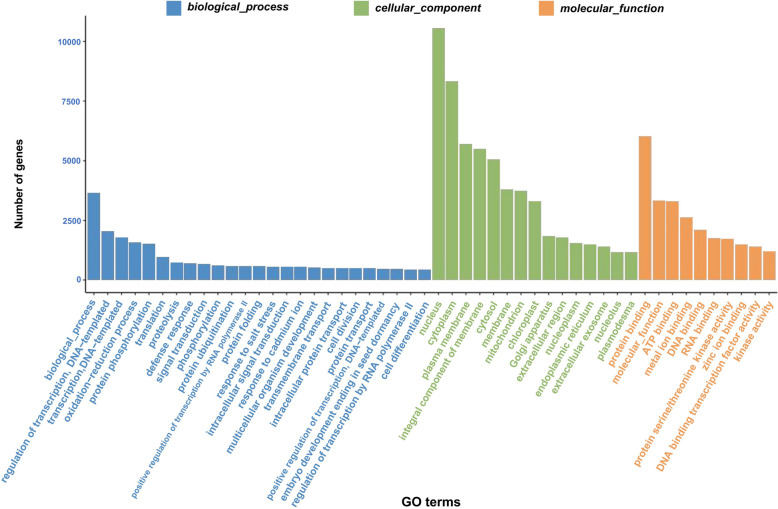
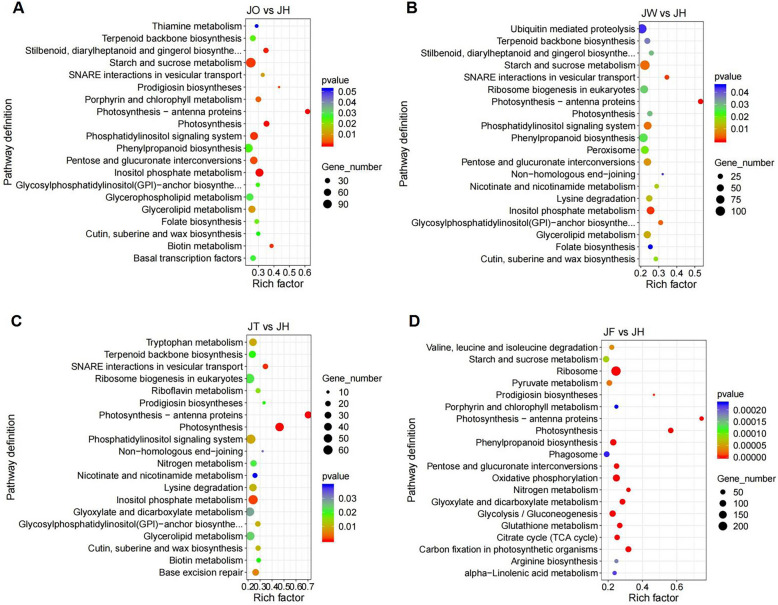
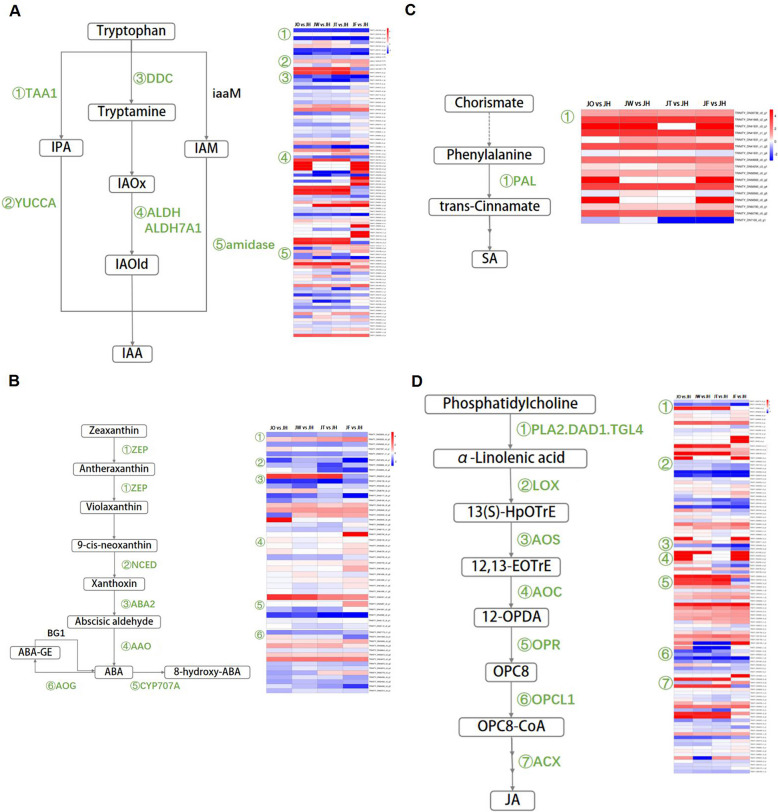
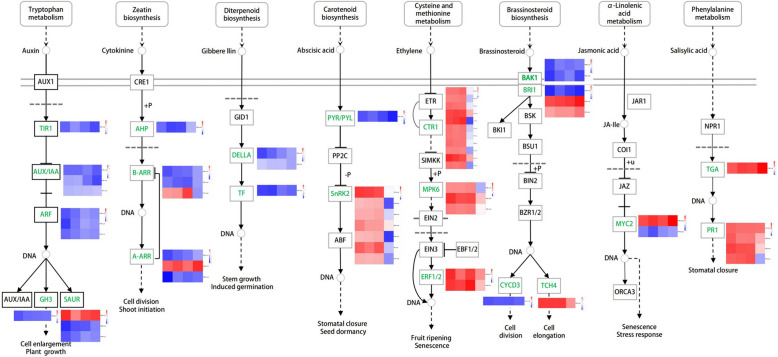
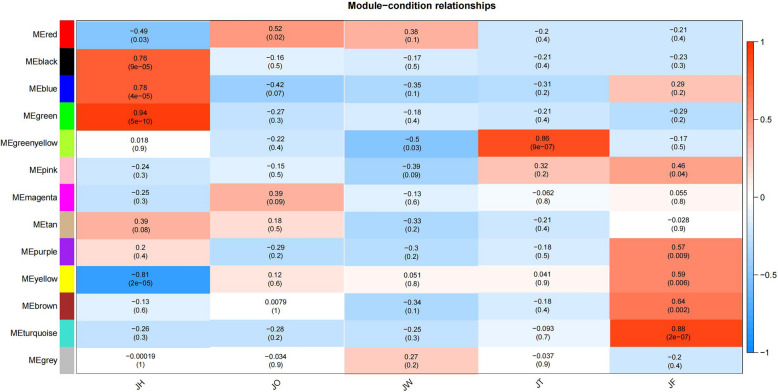
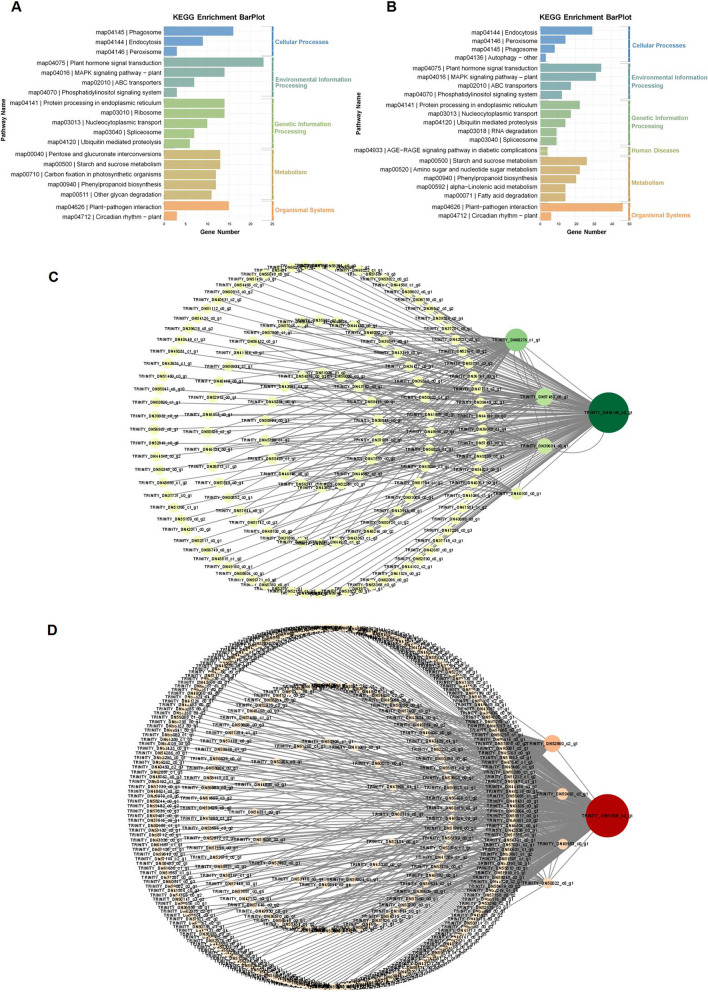
The content of 3-indoleacetic acid, abscisic acid, salicylic acid and jasmonic acid has changed significantly in A. carmichaelii leaves with the development of downy mildew, and related synthetic genes such as 9-cis-epoxycarotenoid dioxygenase and phenylalanine ammonia lyase were also significant for disease responses. The transcriptomic data indicated that the differentially expressed genes were primarily associated with plant hormone signal transduction, plant-pathogen interaction, the mitogen-activated protein kinase signaling pathway in plants, and phenylpropanoid biosynthesis. Many of these genes also showed potential functions for resisting downy mildew. Through weighted gene co-expression network analysis, the hub genes and genes that have high connectivity to them were identified, which could participate in plant immune responses.
In this study, we elucidated the response and potential genes of A. carmichaelii to downy mildew, and observed the changes of endogenous hormones content at different infection stages, so as to contribute to the further screening and identification of genes involved in the defense of downy mildew.
乌头(Aconitum carmichaelii Debx.)作为一种传统药用植物,在中国已有悠久的应用历史。在栽培过程中,它极易受到各种危险病害的侵袭。霜霉病是乌头最严重的叶部病害,会影响植株生长,最终导致产量下降。为了更好地了解乌头叶片感染霜霉病后的响应机制,在五个不同的感染阶段分析了内源植物激素含量和转录组测序。
随着霜霉病的发展,乌头叶片中 3-吲哚乙酸、脱落酸、水杨酸和茉莉酸的含量发生了显著变化,9-顺式环氧类胡萝卜素双加氧酶和苯丙氨酸解氨酶等相关合成基因也对疾病有显著响应。转录组数据表明,差异表达基因主要与植物激素信号转导、植物-病原体相互作用、植物中的丝裂原活化蛋白激酶信号通路和苯丙烷生物合成有关。其中许多基因也表现出对霜霉病的潜在抗性功能。通过加权基因共表达网络分析,鉴定出了参与植物免疫反应的枢纽基因及其高连接性基因。
本研究阐明了乌头对霜霉病的响应及潜在基因,观察了不同感染阶段内源激素含量的变化,为进一步筛选和鉴定参与霜霉病防御的相关基因提供了依据。