Wade Ursula, Pascual-Figal Domingo A, Rabbani Fazale, Ernst Marie, Albert Adelin, Janssens Isabelle, Dierckxsens Yvan, Iqtadar Somia, Khokhar Nisar A, Kanwal Ayesha, Khan Amjad
Department of Basic and Clinical Neuroscience, Kings College London, London SE5 9RT, UK.
Hospital Universitario Virgen de la Arrixaca, IMIB-Arrixaca, Universidad de Murcia, 30120 Murcia, Spain.
Nutrients. 2024 Apr 18;16(8):1204. doi: 10.3390/nu16081204.
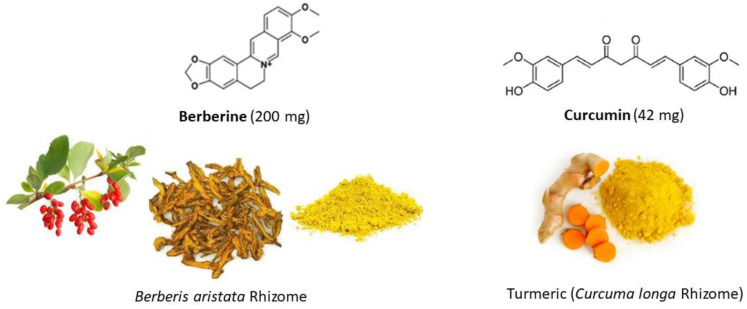
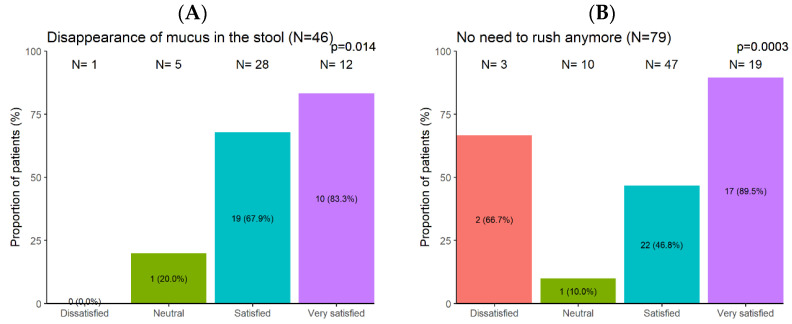
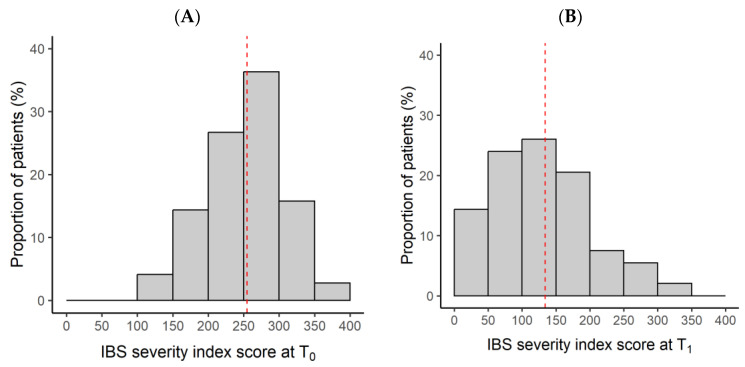
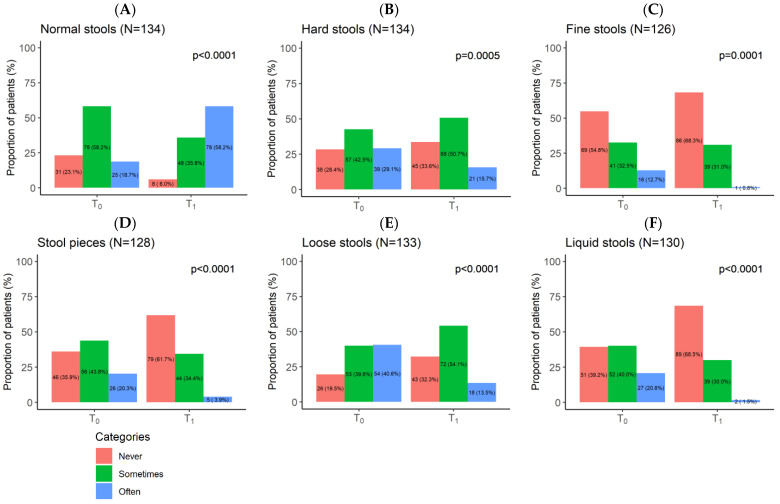
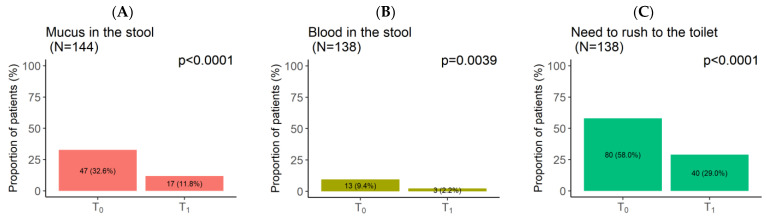
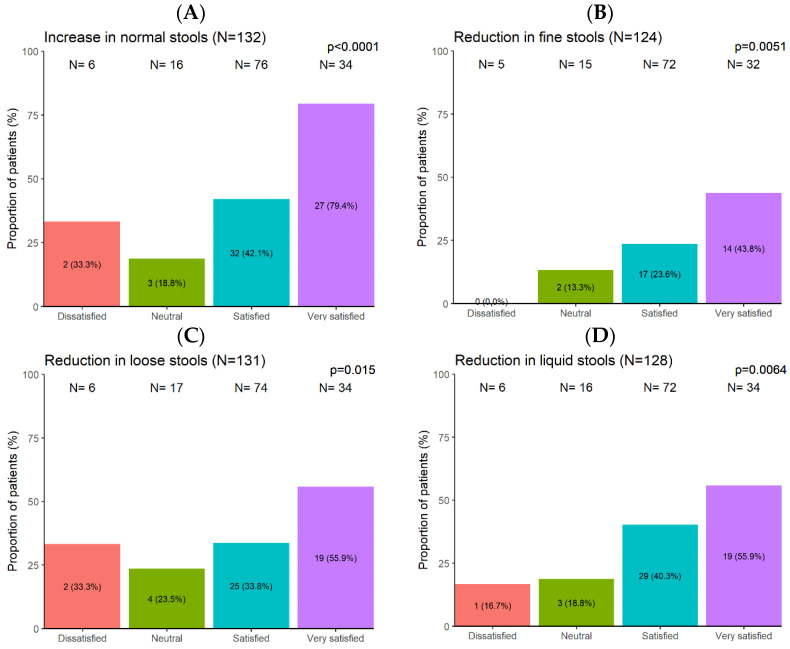
Irritable bowel syndrome (IBS) is a prevalent chronic functional gastrointestinal disorder, characterised by recurrent abdominal discomfort and altered bowel movements. IBS cause a significantly negative impact on quality of life (QoL). Growing pharmacological evidence suggests that berberine (BBR) and curcumin (CUR) may mitigate IBS symptoms through multiple complementary synergistic mechanisms, resulting in the attenuation of intestinal inflammation and regulation of bowel motility and gut functions. In the present observational study conducted under real-life routine clinical practice settings, 146 patients diagnosed with IBS were enrolled by general practitioner clinics and pharmacies in Belgium. For the first time, this study assessed the potential synergistic pharmacological effect of a combined oral BBR/CUR supplement (Enterofytol PLUS, containing 200 mg BBR and 49 mg CUR) (two tablets daily for 2 months), serving as complementary therapy in the management of IBS. Following the 2-month supplementation, significant improvements were observed in the patients' IBS severity index (IBSSI) (47.5%) and all the primary IBS symptoms, such as abdominal discomfort (47.2%), distension (48.0%), intestinal transit (46.8%), and QoL (48.1%) (all < 0.0001). The improvement in the patients' IBSSI was independent of age, sex, and IBS sub-types. The patients' weekly maximum stool passage frequency decreased significantly ( < 0.0001), and the stool status normalized ( < 0.0001). The patients' need for concomitant conventional IBS treatment decreased notably: antispasmodics by 64.0% and antidiarrhoeals by 64.6%. Minor adverse effects were reported by a small proportion (7.1%) of patients, mostly gastrointestinal. The majority (93.1%) experienced symptom improvement or resolution, with a high satisfaction rate (82.6%) and willingness to continue the supplementation (79.0%). These findings support the potential synergistic pharmacological role of BBR and CUR in IBS, and their co-supplementation may alleviate IBS symptoms and improve QoL.
肠易激综合征(IBS)是一种常见的慢性功能性胃肠疾病,其特征为反复出现的腹部不适和排便习惯改变。IBS对生活质量(QoL)有显著负面影响。越来越多的药理学证据表明,黄连素(BBR)和姜黄素(CUR)可能通过多种互补协同机制减轻IBS症状,从而减轻肠道炎症并调节肠道蠕动和肠道功能。在本次在现实生活常规临床实践环境中进行的观察性研究中,比利时的全科医生诊所和药店招募了146名被诊断为IBS的患者。本研究首次评估了口服BBR/CUR联合补充剂(Enterofytol PLUS,含200 mg BBR和49 mg CUR)(每日两片,共2个月)的潜在协同药理作用,作为IBS管理中的辅助治疗。经过2个月的补充治疗后,患者的IBS严重程度指数(IBSSI)(47.5%)以及所有主要的IBS症状,如腹部不适(47.2%)、腹胀(48.0%)、肠道转运(46.8%)和生活质量(48.1%)均有显著改善(均P<0.0001)。患者IBSSI的改善与年龄、性别和IBS亚型无关。患者每周的最大排便次数显著减少(P<0.0001),大便状态恢复正常(P<0.0001)。患者对常规IBS伴随治疗的需求显著降低:解痉药降低64.0%,止泻药降低64.6%。一小部分患者(7.1%)报告了轻微的不良反应,主要为胃肠道不良反应。大多数患者(93.1%)症状得到改善或缓解,满意度高(82.6%),且愿意继续补充治疗(79.0%)。这些发现支持了BBR和CUR在IBS中的潜在协同药理作用,联合补充它们可能减轻IBS症状并改善生活质量。