Department of Civil Engineering, University of Asia Pacific, Dhaka, 1205, Bangladesh; Institute of Energy, Environment, Research and Development (IEERD), University of Asia Pacific, Dhaka, 1205, Bangladesh.
CWIS-FSM Support Cell, Department of Public Health Engineering, Government of the People's Republic of Bangladesh, Dhaka, 1000, Bangladesh.
J Environ Manage. 2024 May;359:121011. doi: 10.1016/j.jenvman.2024.121011. Epub 2024 Apr 27.
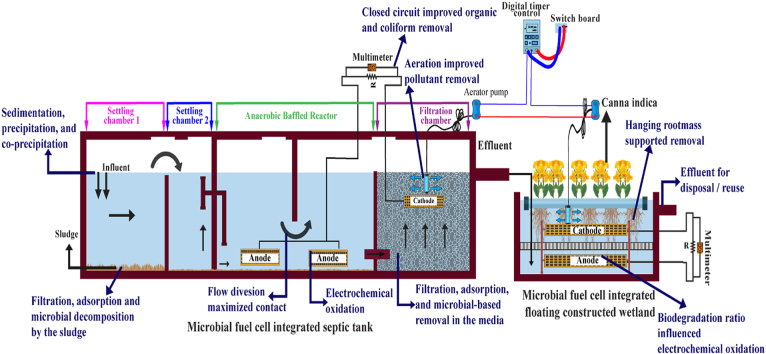
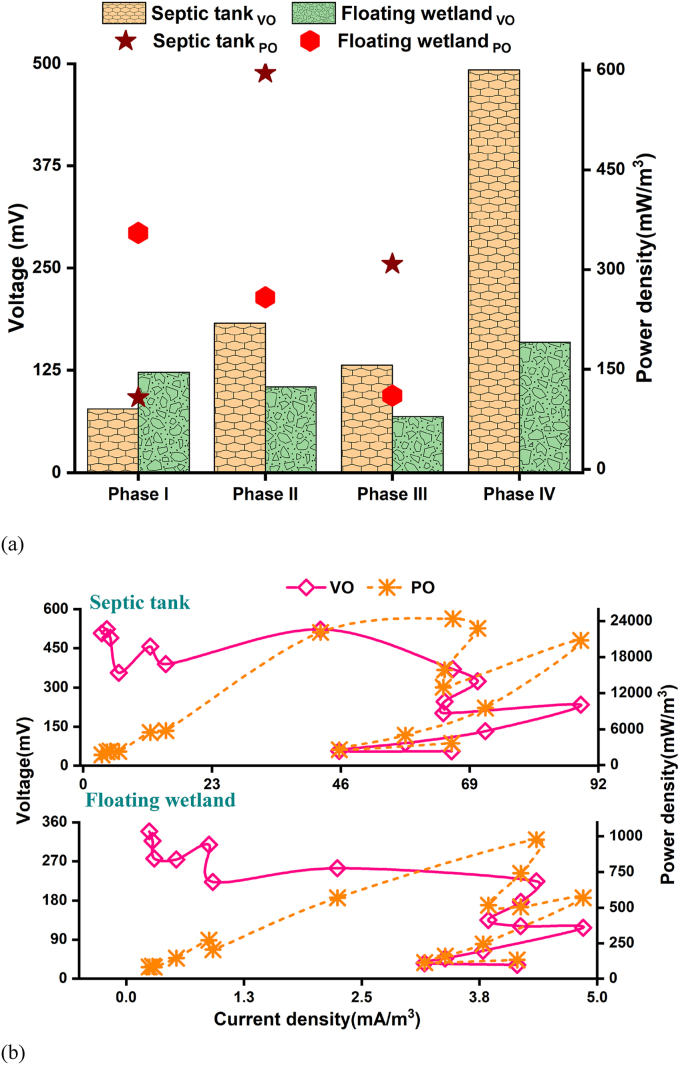
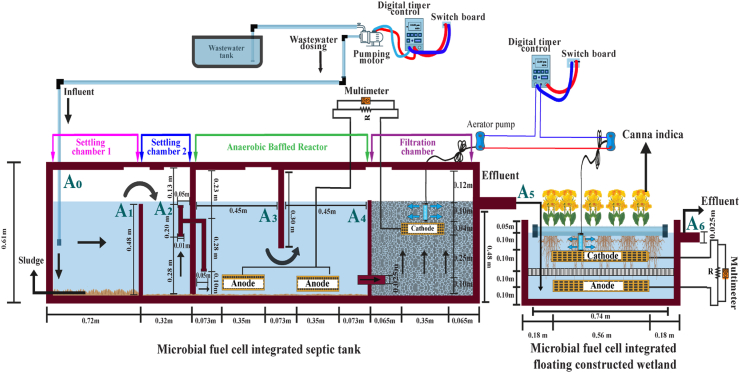
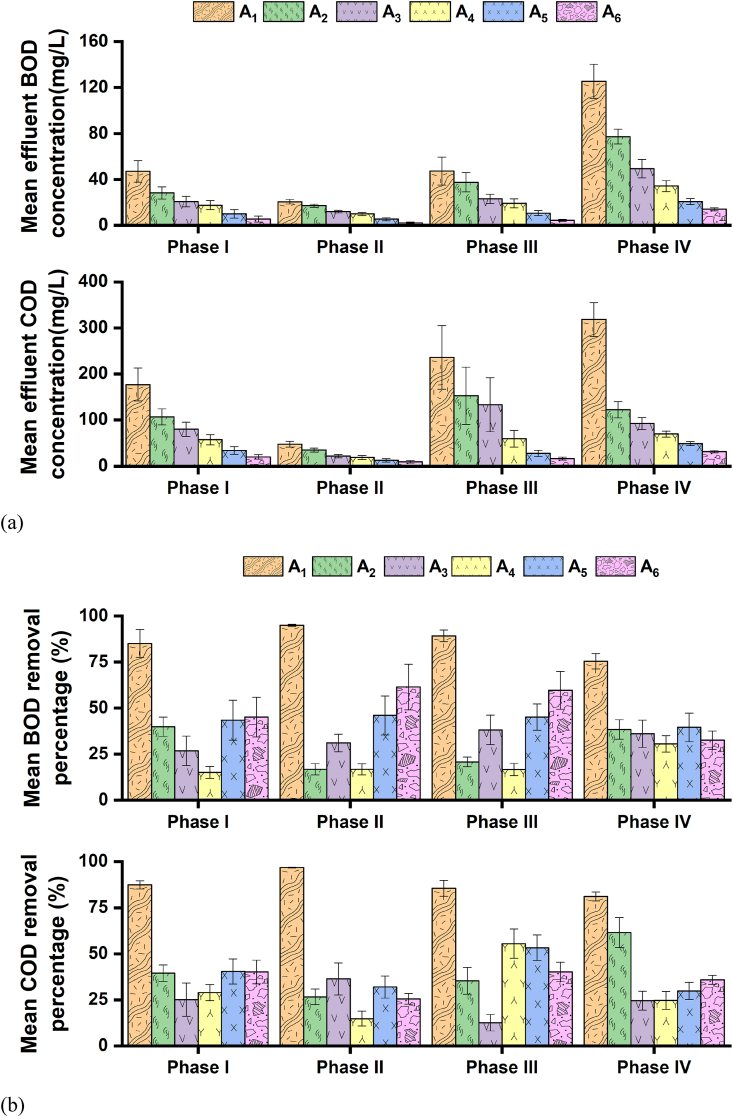
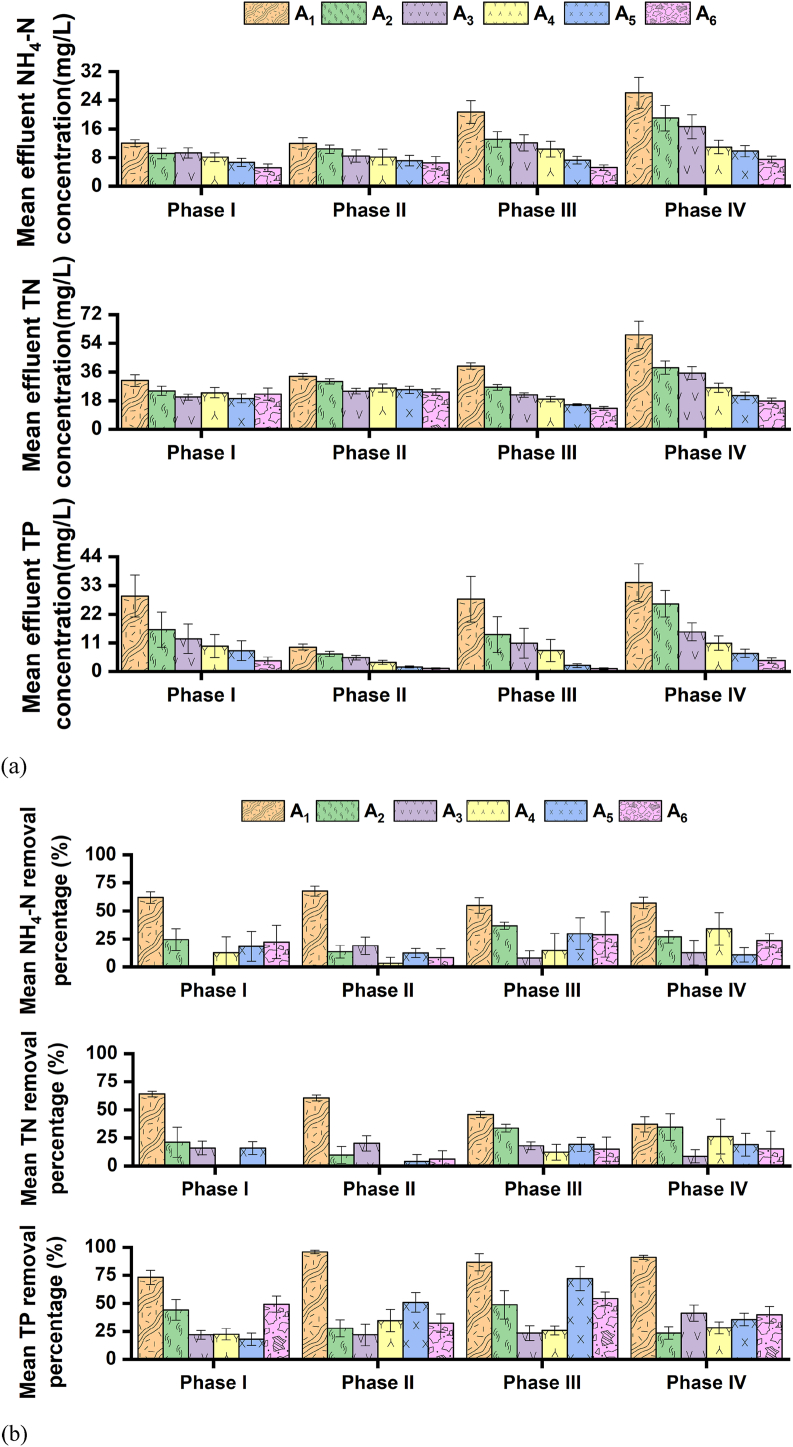
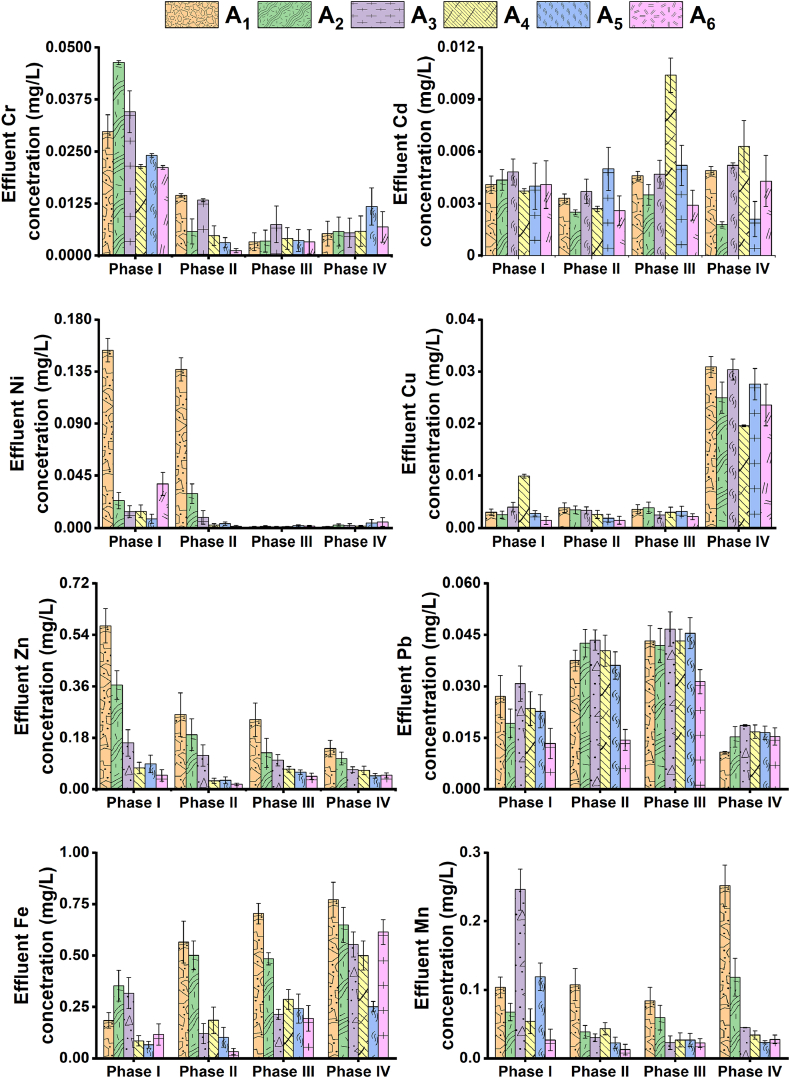
This study designed a two-stage, electrode-integrated septic tank-floating wetland system and assessed their pollutant removal performances under variable operational conditions. The two-stage system achieved mean organic, nitrogen, phosphorus, and coliform removal percentages of 99, 78, 99, and 97%, respectively, throughout the experimental run. The mean metals (chromium, cadmium, nickel, copper, zinc, lead, iron, and manganese) removal percentages ranged between 81 and 98%. Accumulated sludge, filler media, and the hanging root mass contributed to pollutant removals by supporting physicochemical and biological pathways. The mean effluent organic concentration and coliform number across the two-stage system were 20 mg/L and 1682 CFU/100 mL, respectively, during the closed-circuit protocol, which was beneath the open-circuit-based performance profiles, i.e., 32 mg/L and 2860 CFU/100 mL, respectively. Effluent organic, nitrogen, phosphorus, metals, and coliform number ranges across the two-stage system were 9-17 mg/L, 13-24 mg/L, 1-1.5 mg/L, 0.001-0.2 mg/L, and 1410-2270 CFU/100 mL, respectively during intermittent and continuous aeration periods. The air supply rate differences influenced pollutant removal depending on the associated removal mechanisms. The non-aeration phase produced higher effluent pollutant concentrations than the aeration periods-based profiles. The overall mean power density production of the septic tank ranged between 107 and 596 mW/m; 110 and 355 mW/m with the floating wetland. The bioenergy production capacity of the septic tank was positively correlated to external air supply rates. This study demonstrates the potential application of the novel bioenergy-producing septic tank-floating wetland system for wastewater treatment in decentralized areas.
本研究设计了两级电极集成式化粪池-浮式湿地系统,并在不同运行条件下评估了其污染物去除性能。在整个实验过程中,该两级系统实现了对有机物、氮、磷和大肠菌群的平均去除率分别为 99%、78%、99%和 97%。平均金属(铬、镉、镍、铜、锌、铅、铁和锰)去除率在 81%至 98%之间。积累的污泥、填充介质和悬挂根质量通过支持物理化学和生物途径促进了污染物的去除。在闭路协议期间,两级系统的平均出水有机物浓度和大肠菌群数分别为 20mg/L 和 1682CFU/100mL,低于基于开路的性能曲线,分别为 32mg/L 和 2860CFU/100mL。在两级系统中,有机物、氮、磷、金属和大肠菌群数的范围分别为 9-17mg/L、13-24mg/L、1-1.5mg/L、0.001-0.2mg/L和 1410-2270CFU/100mL,分别在间歇和连续曝气期间。空气供应率的差异会根据相关的去除机制影响污染物的去除。非曝气阶段产生的出水污染物浓度高于基于曝气阶段的曲线。化粪池的总体平均功率密度生产范围在 107 至 596mW/m 之间;110 至 355mW/m 与浮式湿地。化粪池的生物能源生产能力与外部空气供应率呈正相关。本研究证明了新型生物能源生产化粪池-浮式湿地系统在分散地区处理废水的潜在应用。