Institute for Genetics, University of Cologne, Cologne, Germany.
Max Planck Institute for Metabolism Research, Cologne, Germany.
Nat Metab. 2024 Jun;6(6):1053-1075. doi: 10.1038/s42255-024-01033-8. Epub 2024 Apr 29.
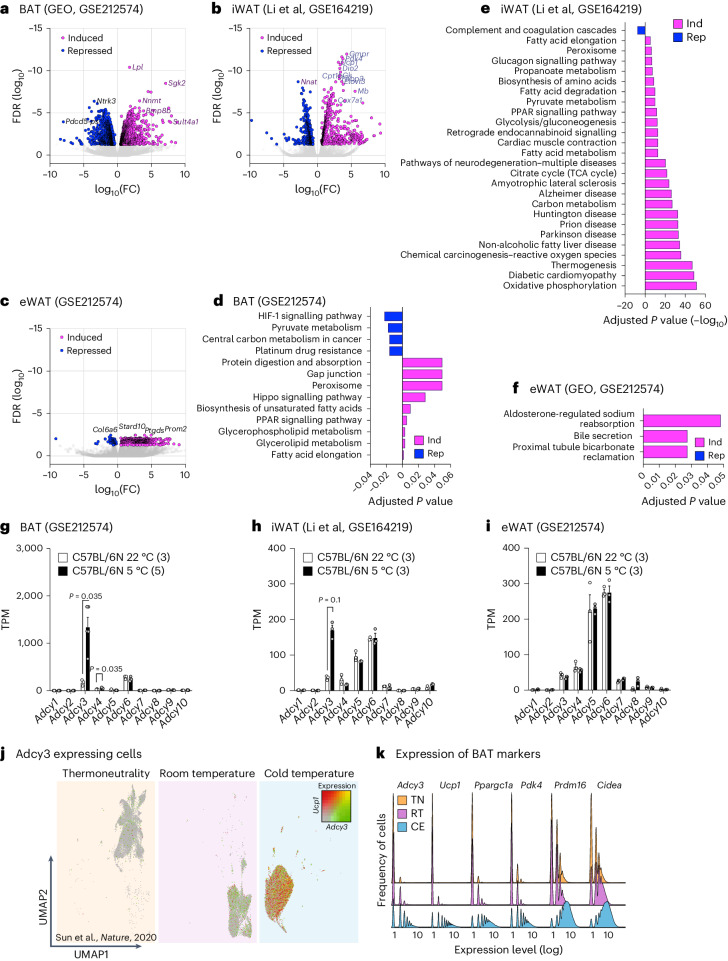
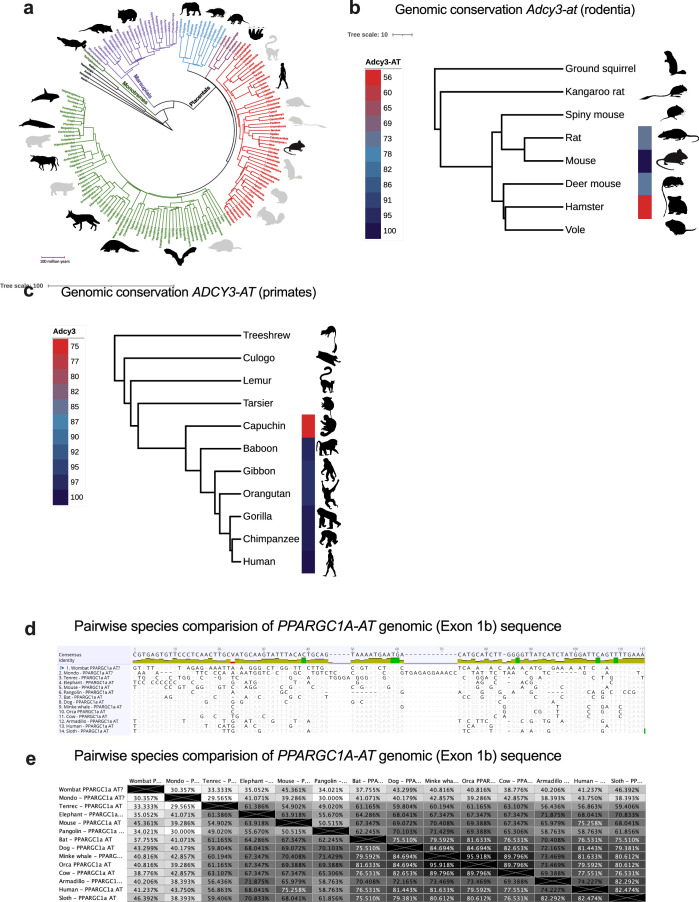
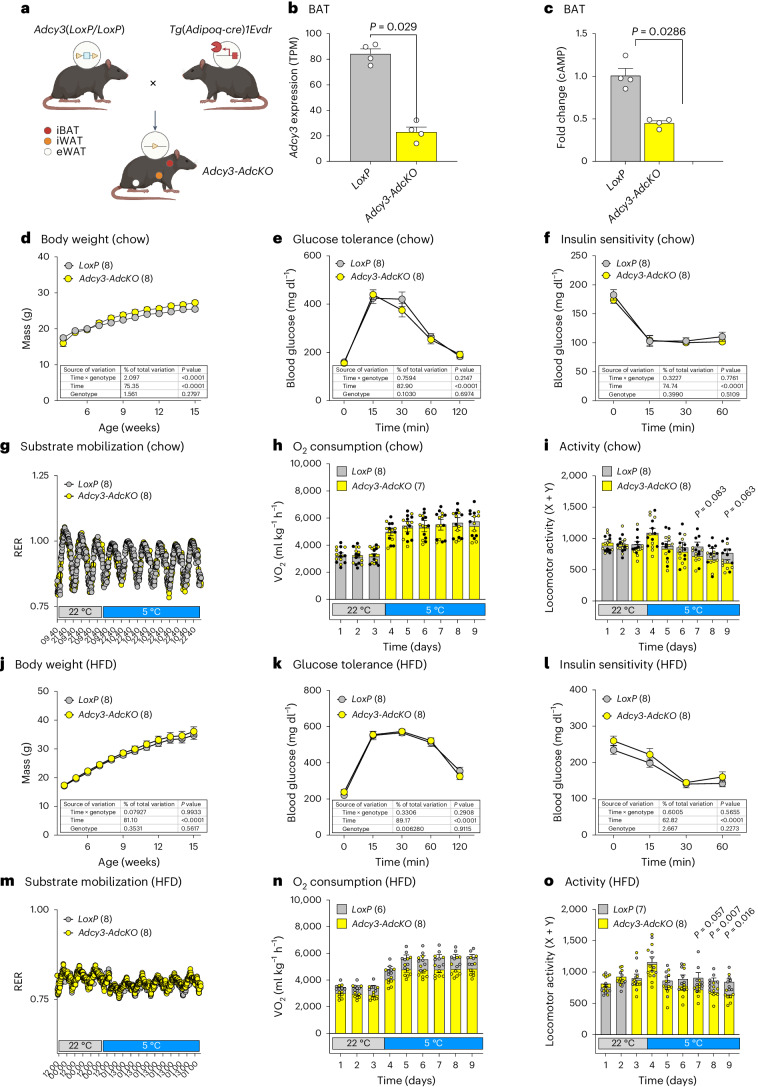
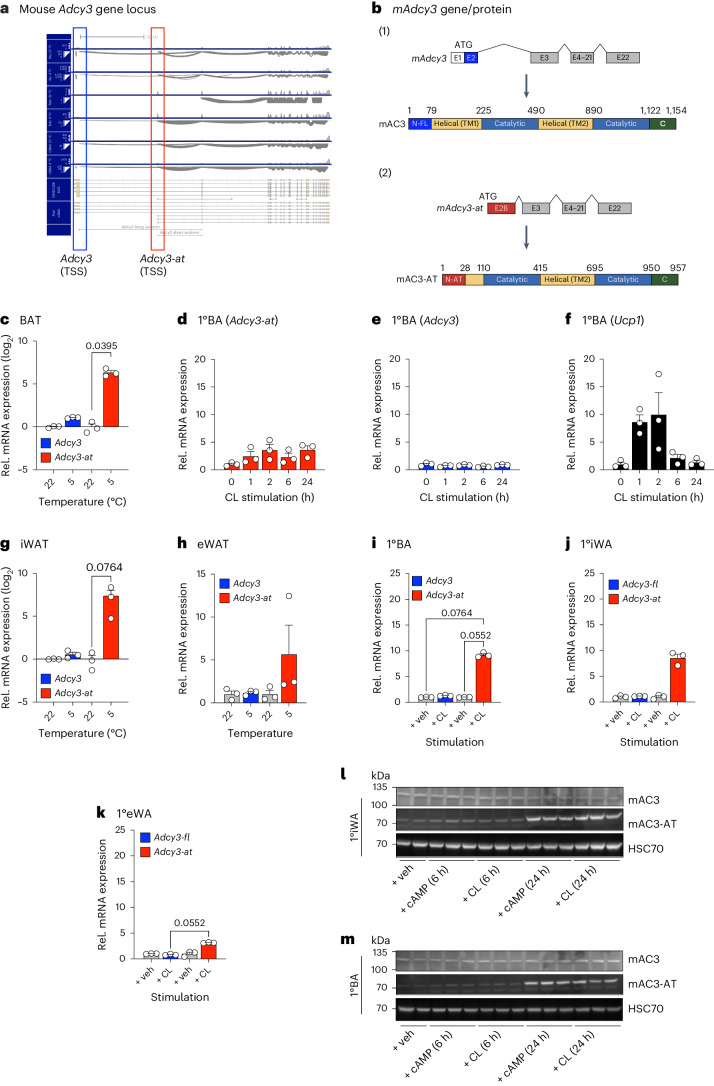
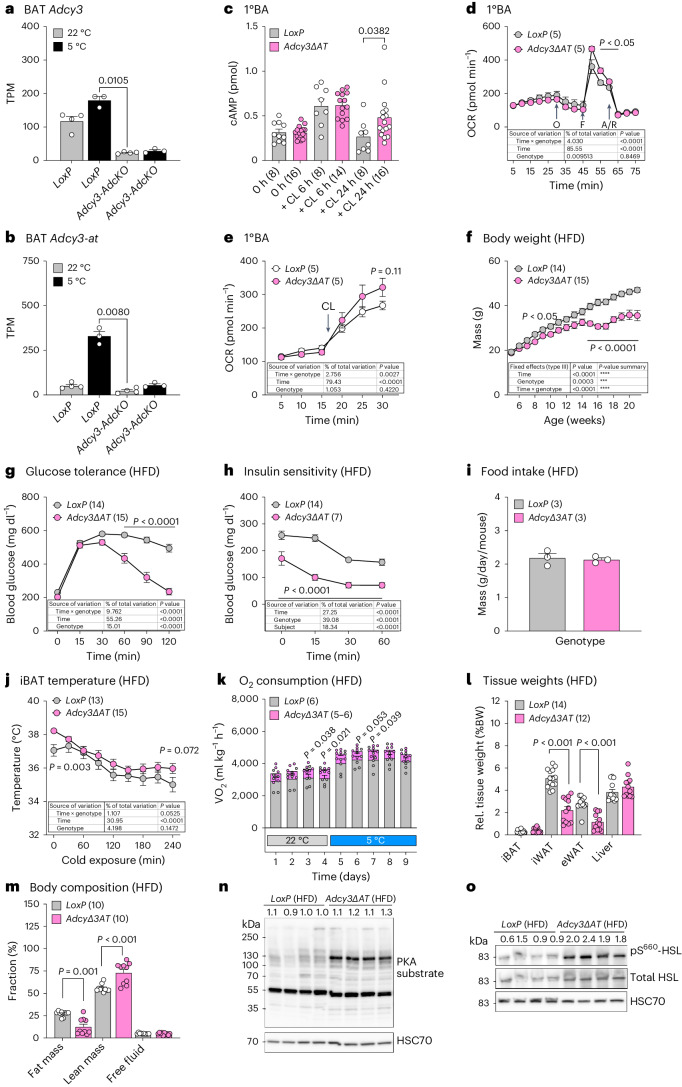
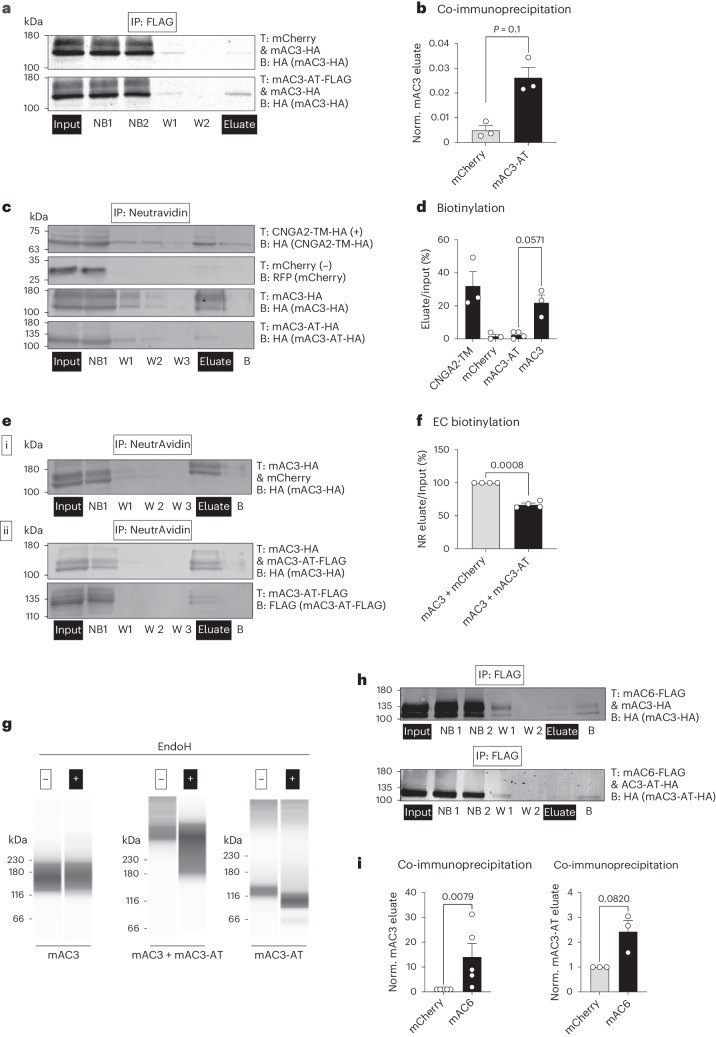
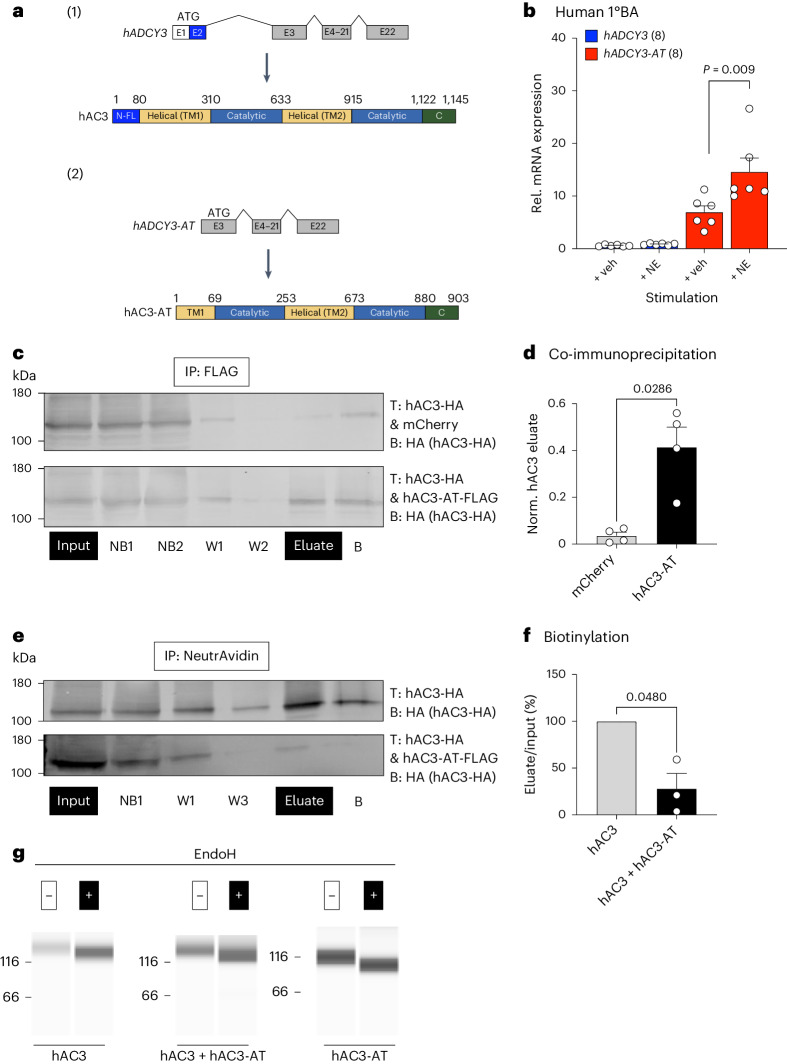
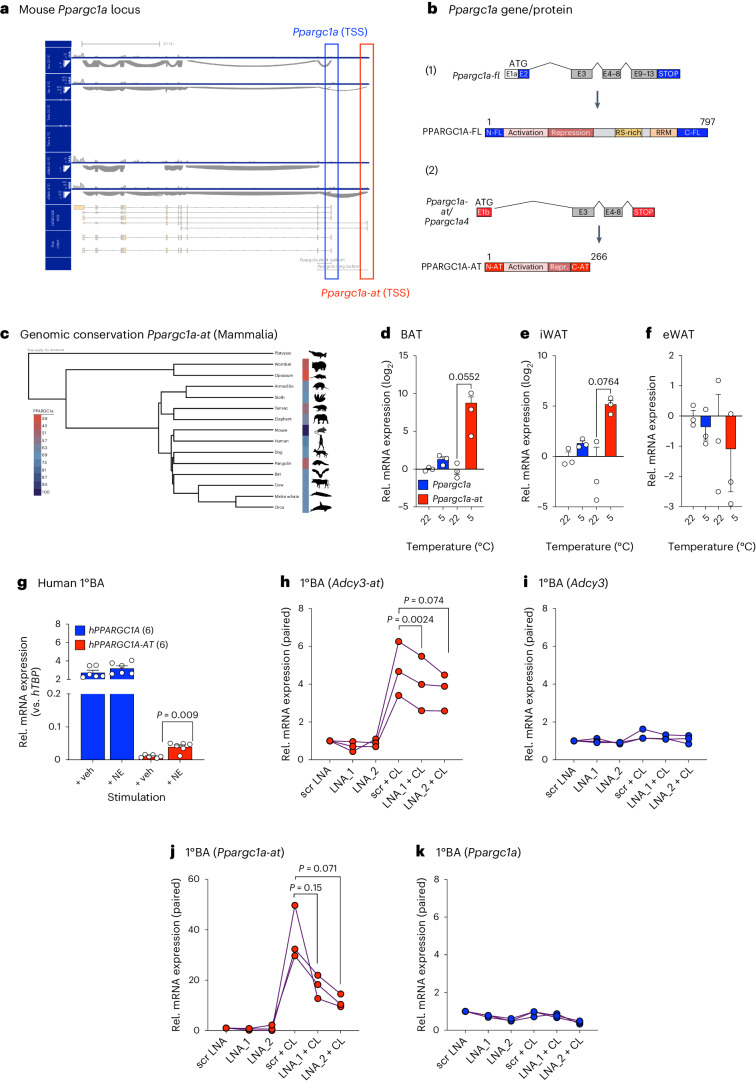
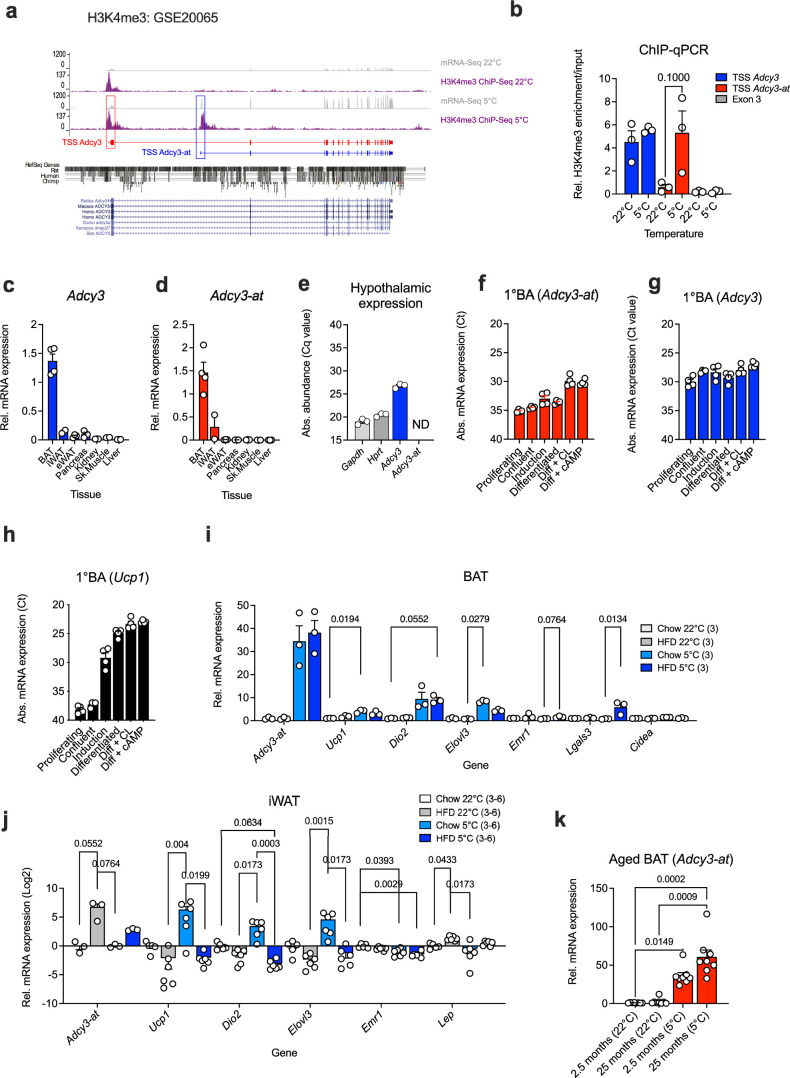
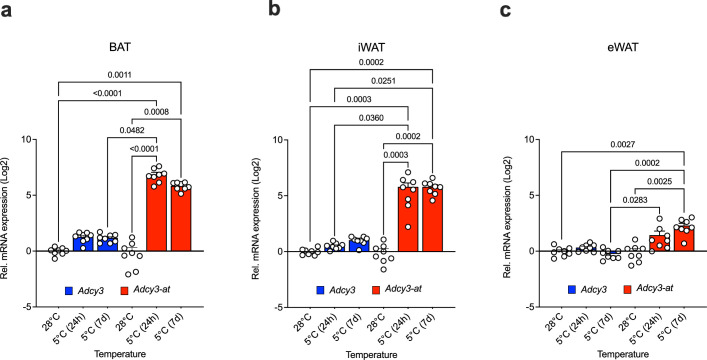
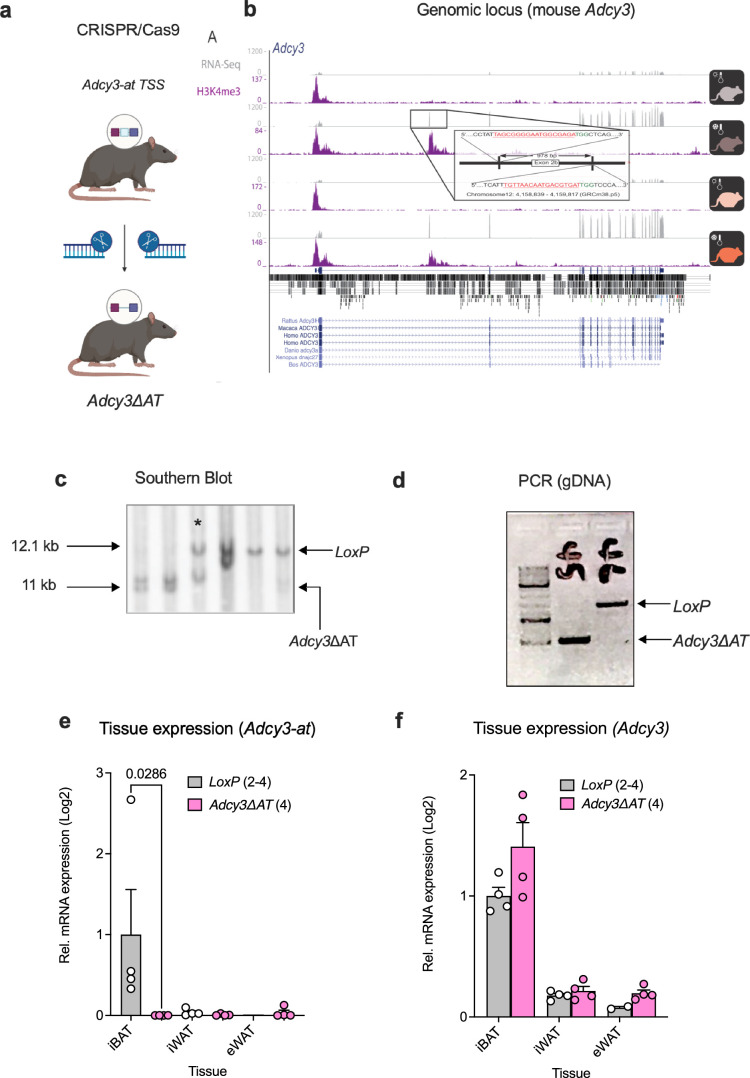
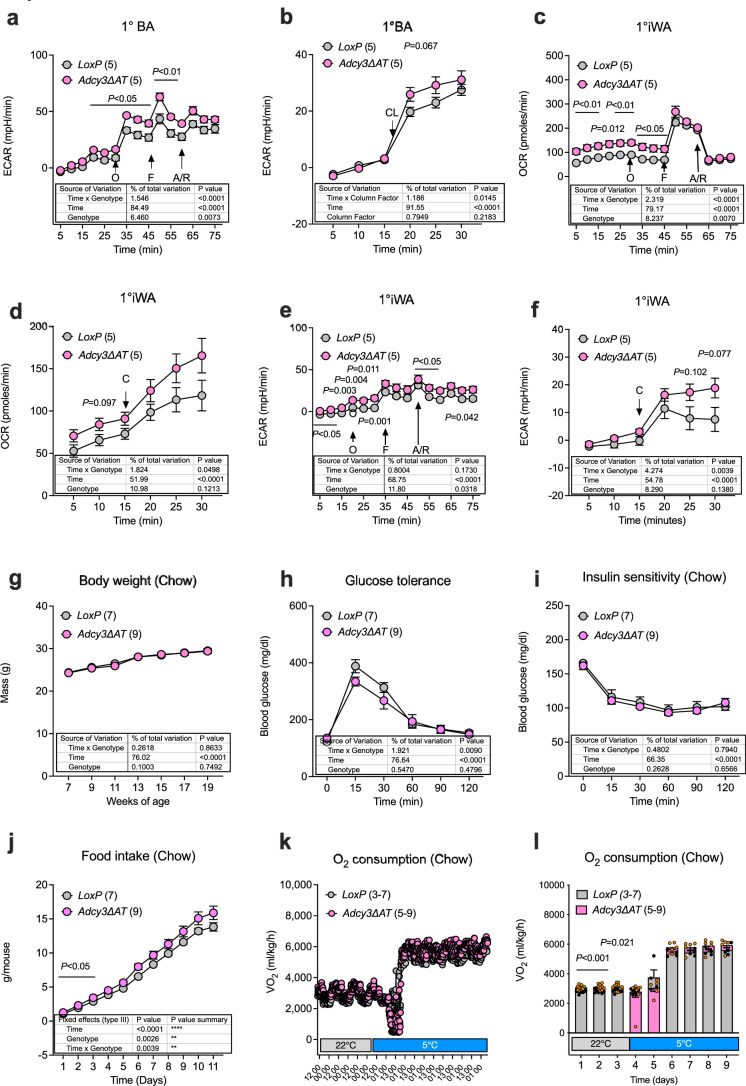
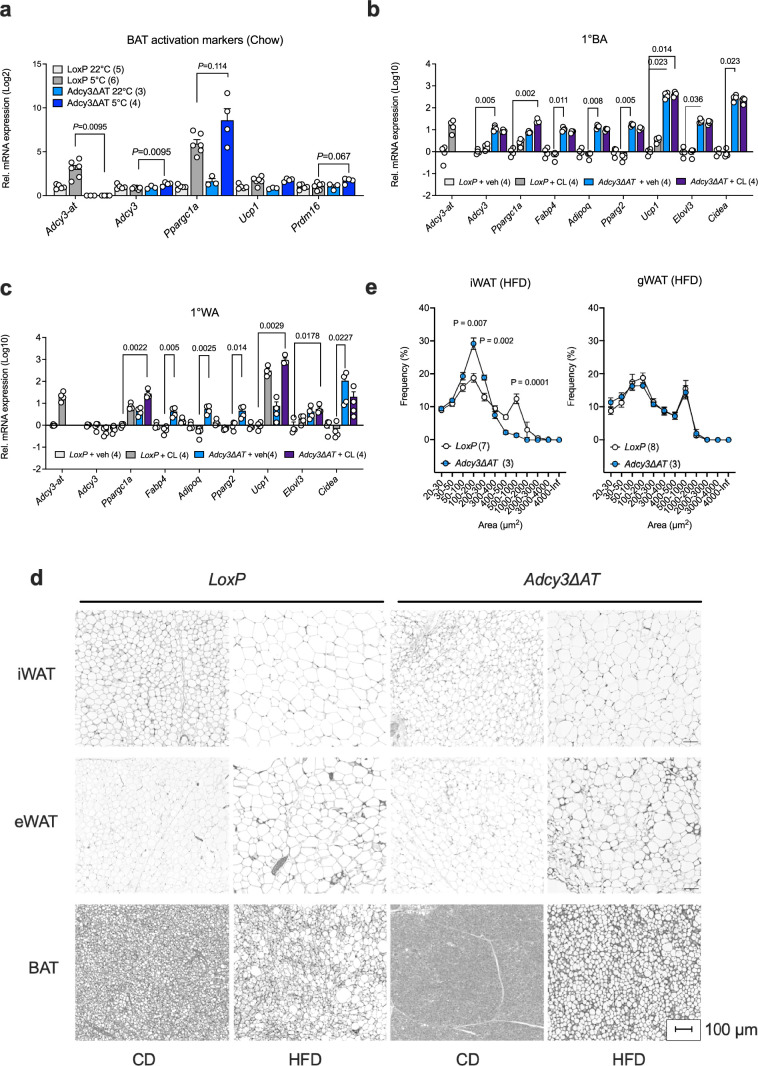
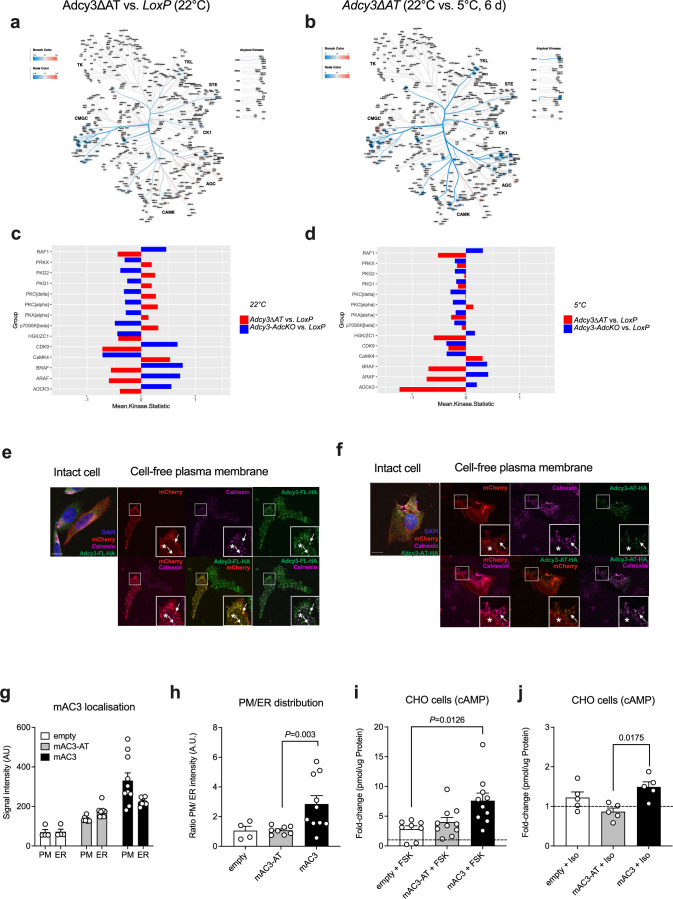
Promoting brown adipose tissue (BAT) activity innovatively targets obesity and metabolic disease. While thermogenic activation of BAT is well understood, the rheostatic regulation of BAT to avoid excessive energy dissipation remains ill-defined. Here, we demonstrate that adenylyl cyclase 3 (AC3) is key for BAT function. We identified a cold-inducible promoter that generates a 5' truncated AC3 mRNA isoform (Adcy3-at), whose expression is driven by a cold-induced, truncated isoform of PPARGC1A (PPARGC1A-AT). Male mice lacking Adcy3-at display increased energy expenditure and are resistant to obesity and ensuing metabolic imbalances. Mouse and human AC3-AT are retained in the endoplasmic reticulum, unable to translocate to the plasma membrane and lack enzymatic activity. AC3-AT interacts with AC3 and sequesters it in the endoplasmic reticulum, reducing the pool of adenylyl cyclases available for G-protein-mediated cAMP synthesis. Thus, AC3-AT acts as a cold-induced rheostat in BAT, limiting adverse consequences of cAMP activity during chronic BAT activation.
创新性地促进棕色脂肪组织(BAT)活性可以靶向肥胖和代谢疾病。虽然已经很好地了解了 BAT 的热原激活,但 BAT 的电阻调节以避免过度能量耗散仍然定义不明确。在这里,我们证明了腺苷酸环化酶 3(AC3)是 BAT 功能的关键。我们鉴定了一个冷诱导启动子,该启动子产生 5'截短的 AC3 mRNA 异构体(Adcy3-at),其表达由 PPARGC1A 的冷诱导、截短的异构体(PPARGC1A-AT)驱动。缺乏 Adcy3-at 的雄性小鼠表现出增加的能量消耗,并且对肥胖和随后的代谢失衡具有抗性。小鼠和人类的 AC3-AT 保留在内质网中,无法易位到质膜并且缺乏酶活性。AC3-AT 与 AC3 相互作用并将其隔离在内质网中,减少了用于 G 蛋白介导的 cAMP 合成的腺苷酸环化酶池。因此,AC3-AT 在 BAT 中充当冷诱导变阻器,限制了慢性 BAT 激活期间 cAMP 活性的不良后果。