Peterson Elizabeth R, Sharma Tanvi, Bird Amy, Henderson Annette M E, Ramgopal Varun, Reese Elaine, Morton Susan M B
School of Psychology, University of Auckland, Auckland, New Zealand.
Madras Institute of Development Studies (MIDS), Chennai, India.
Br J Educ Psychol. 2025 Mar;95(1):124-142. doi: 10.1111/bjep.12685. Epub 2024 May 1.
Many people fear failure and making mistakes. This fear can be transmitted from parents to children, suggesting that parental communication regarding failures and setbacks may play a critical role in shaping a child's perception of mistakes.
In this study, we investigated how everyday parent-child conversations about setbacks influence children's fear of making mistakes.
Drawing on the large pre-birth Growing Up in New Zealand cohort, we focused on a sub-sample of 231 mother-child dyads who engaged in a recorded conversations about a "recent disappointment or setback" when the children were 8 years old.
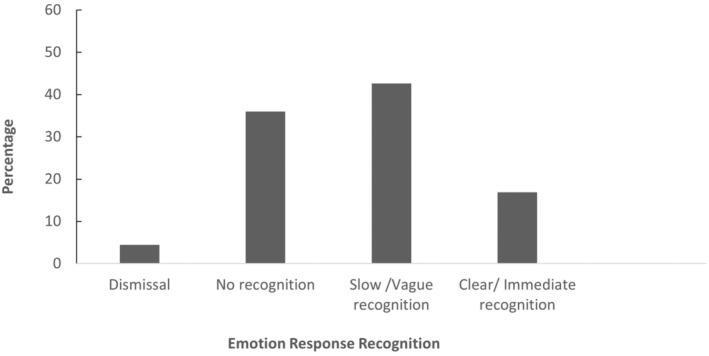
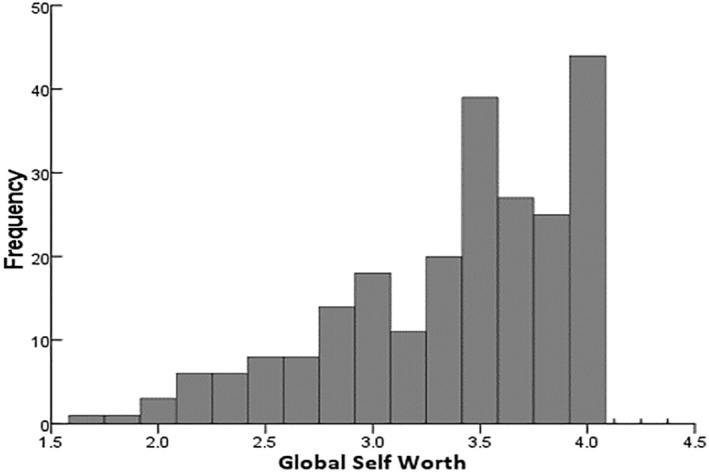
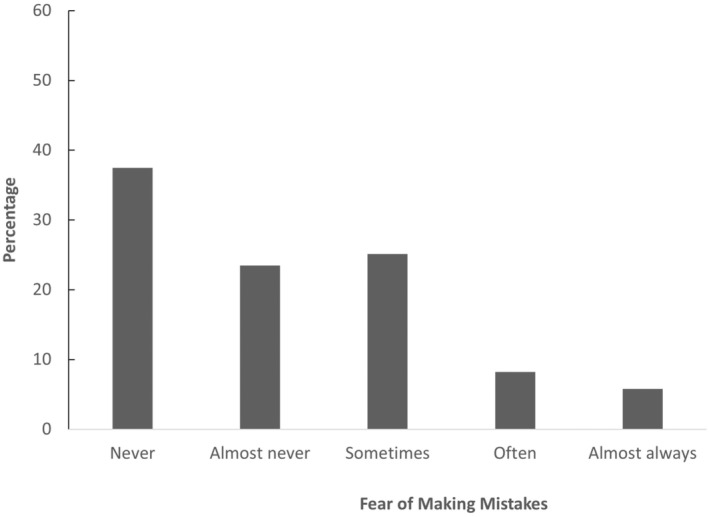
Conversations between mothers and children about the recent disappointments were coded to identify whether parents recognised or acknowledge their child's emotional response, if action plans were discussed, and the types of resources that the child could draw on. The children also completed a questionnaire about their global self-worth and their fear of making mistakes.
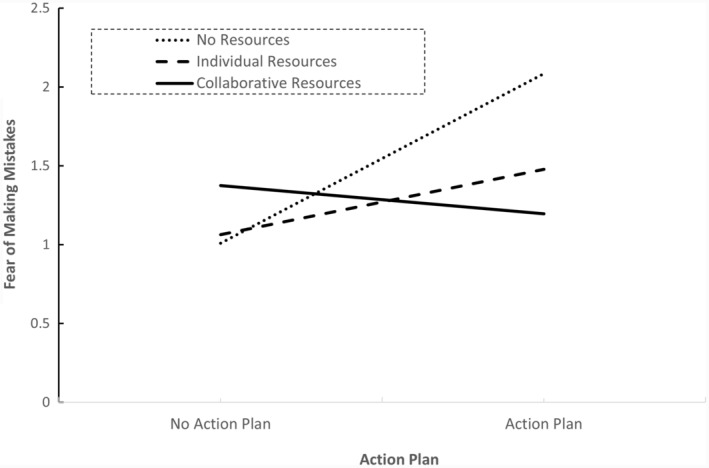
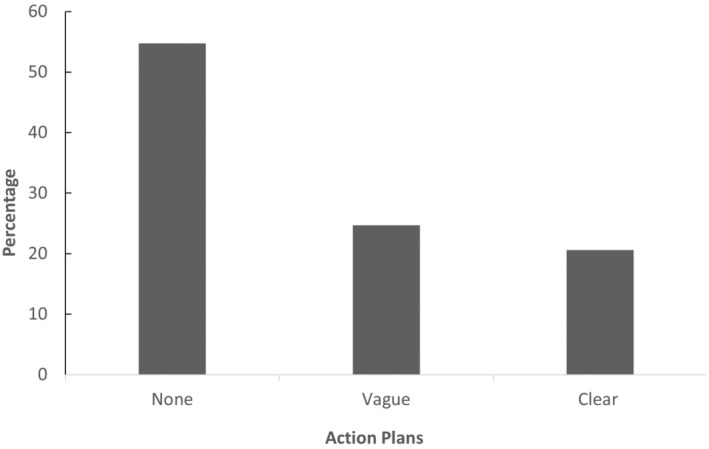
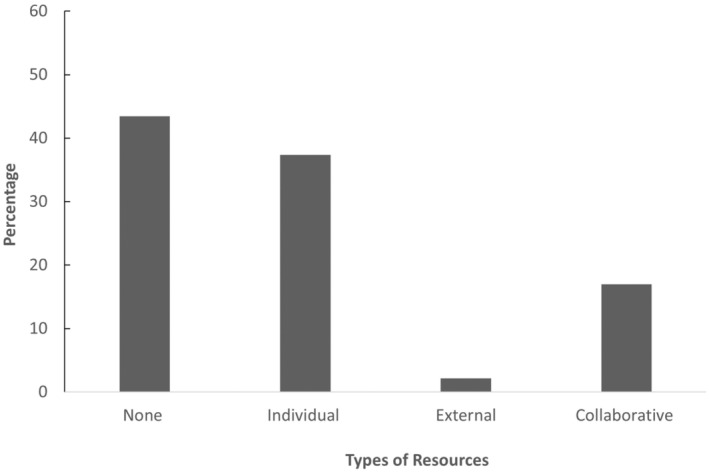
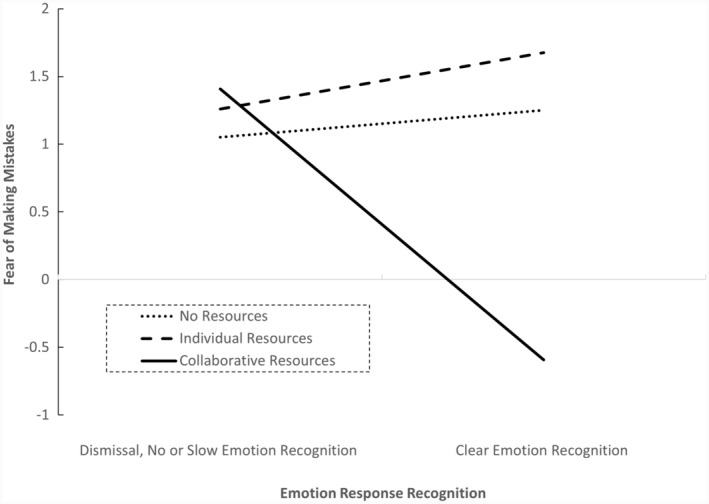
The discussion of clear action plans, in the absence of a discussion about collaborative resources, was found to be associated with an increased fear of making mistakes among children. Conversely, when mothers clearly acknowledged their child's emotions and discussed ways to work collaboratively with their child on future problems, there was a notable decrease in the child's fear of mistakes. However, it is noteworthy that many mothers in our study either minimally acknowledged or dismissed their child's emotions(40%), rarely discussed action plans (55%), or collaborative resources (79%)when discussing the recent setback.
许多人害怕失败和犯错。这种恐惧可能会从父母传递给孩子,这表明父母关于失败和挫折的交流可能在塑造孩子对错误的认知方面发挥关键作用。
在本研究中,我们调查了日常亲子间关于挫折的对话如何影响孩子对犯错的恐惧。
基于新西兰大型的“在新西兰成长”产前队列研究,我们聚焦于一个由231对母婴组成的子样本,这些母婴在孩子8岁时进行了一段关于“最近的失望或挫折”的录音对话。
对母亲和孩子之间关于最近失望之事的对话进行编码,以确定父母是否认识到或承认孩子的情绪反应、是否讨论了行动计划以及孩子可以利用的资源类型。孩子们还完成了一份关于他们整体自我价值和对犯错恐惧的问卷。
发现在没有讨论合作资源的情况下,讨论明确的行动计划与孩子对犯错的恐惧增加有关。相反,当母亲清楚地承认孩子的情绪并讨论与孩子合作解决未来问题的方法时,孩子对犯错的恐惧显著降低。然而,值得注意的是,在我们的研究中,许多母亲在讨论最近的挫折时,要么很少承认要么忽视孩子的情绪(40%),很少讨论行动计划(55%),或者很少讨论合作资源(79%)。