Cao Jia, Yang Yicheng, Duan Bensong, Zhang Haibin, Xu Qinwei, Han Junyi, Lu Bing
Endoscopy Center, Department of Gastroenterology, Shanghai East Hospital, School of Medicine, Tongji University, Shanghai, China.
Department of Gastrointestinal Surgery, Shanghai East Hospital, School of Medicine, Tongji University, Shanghai, China.
Biol Direct. 2024 May 2;19(1):34. doi: 10.1186/s13062-024-00468-z.
LncRNA PCED1B-AS1 is abnormally expressed in multiple cancers and has been confirmed as an oncogene. Our study aimed to investigate the regulatory mechanism of lncRNA PCED1B-AS1 in gastric cancer.
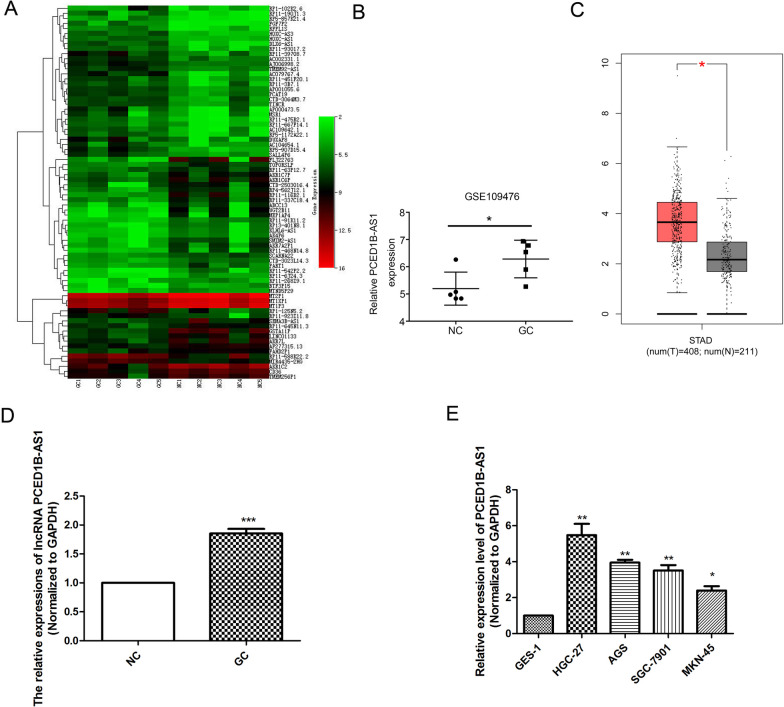
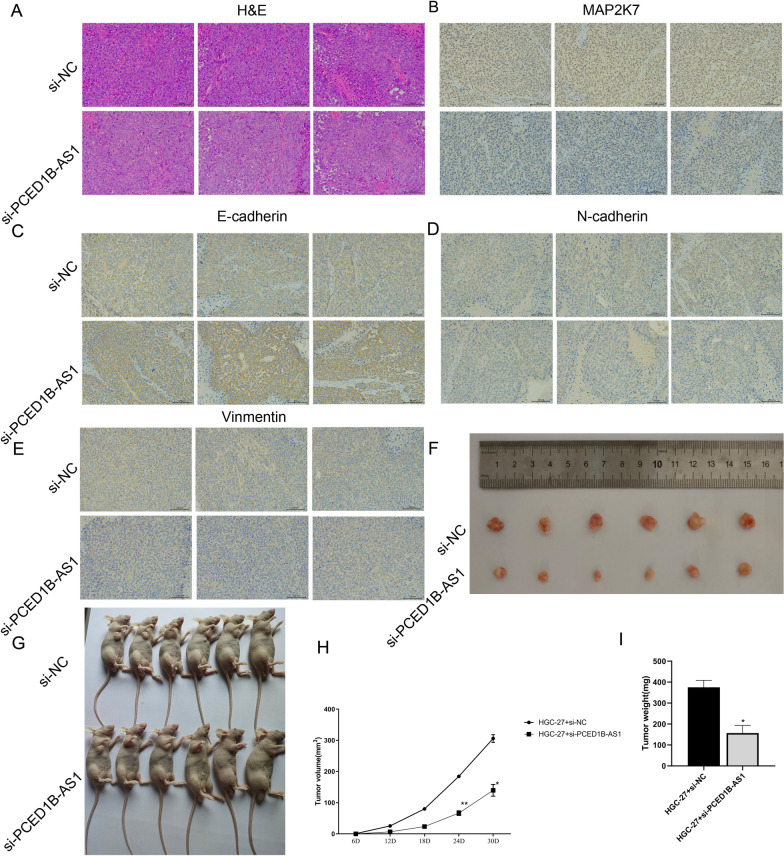
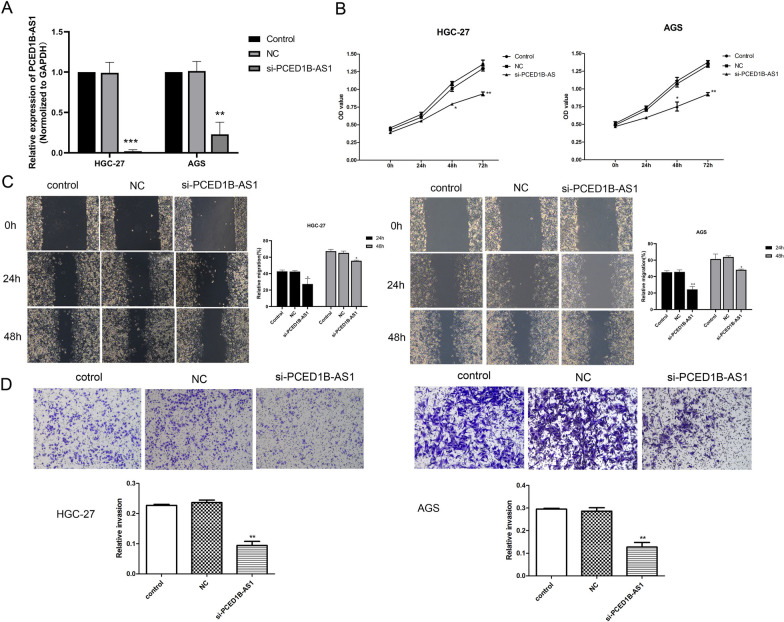
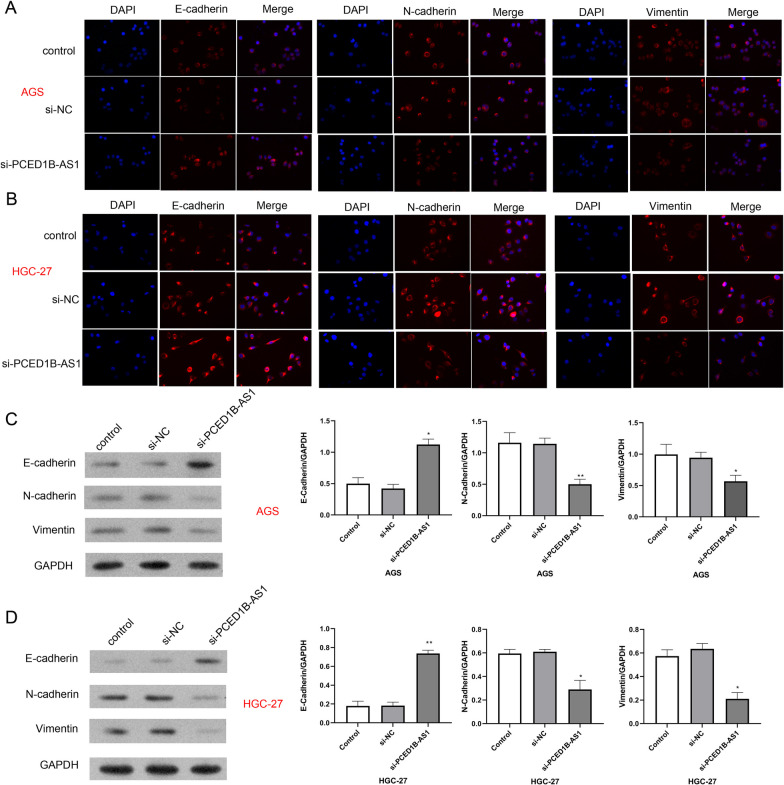
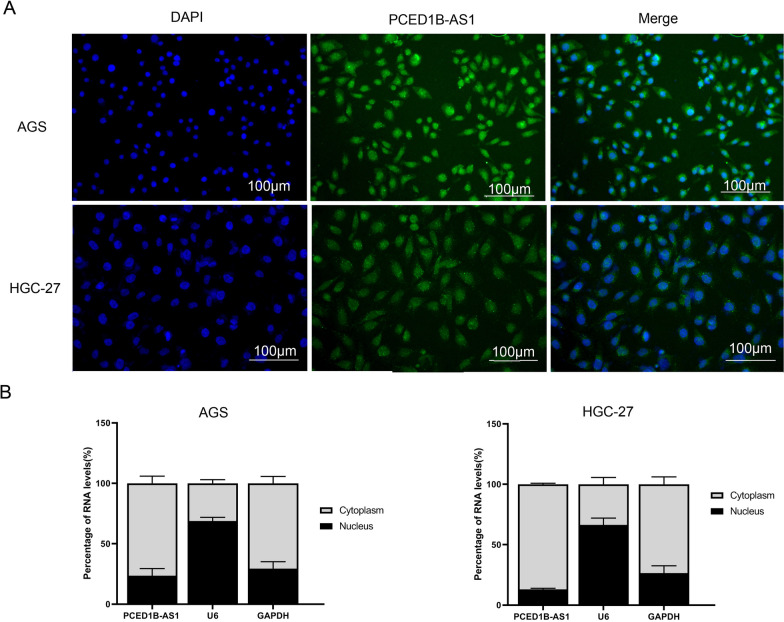
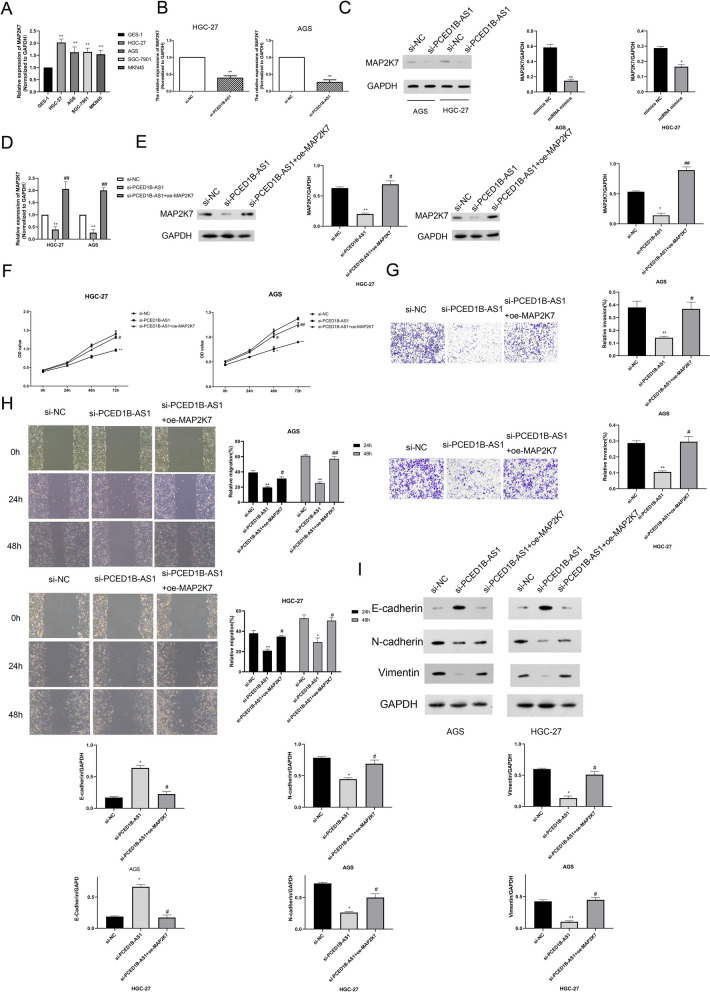
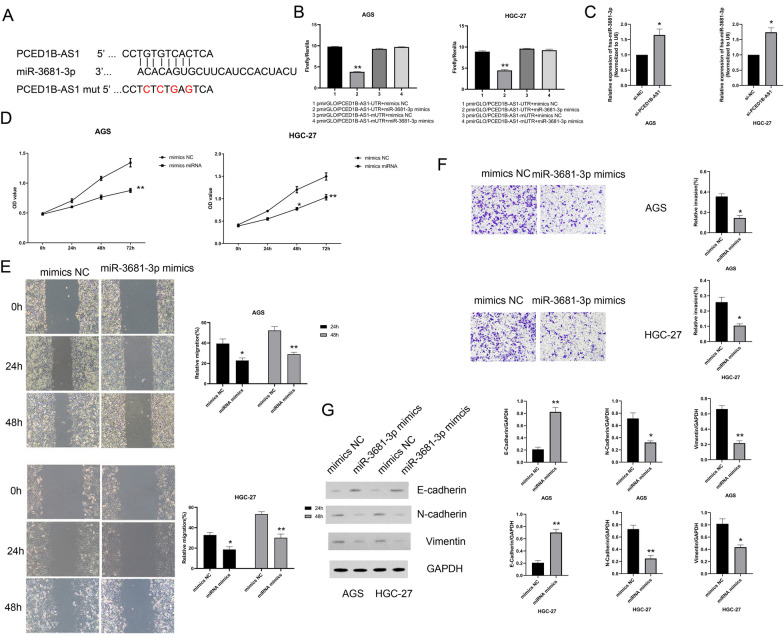
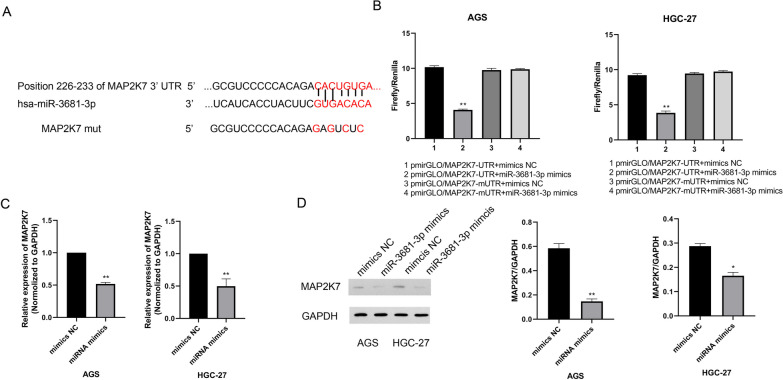
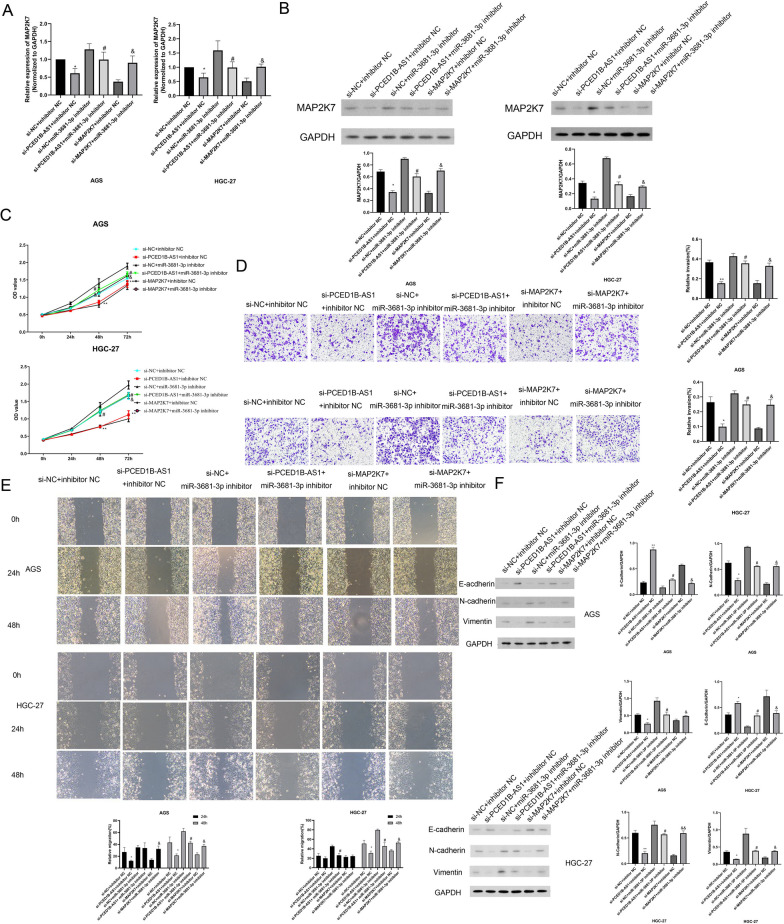
TCGA database was used to analyze the abnormal expression of lncRNA PCED1B-AS1 in gastric cancer. By database prediction and mass spectrometric analysis, miR-3681-3p and MAP2K7 are potential downstream target molecules of lncRNA PCED1B-AS1 and verified by dual-luciferase report assay. RT-qPCR analysis and western blot were performed to detect the expressions of PCED1B-AS1 and MAP2K7 in gastric cancer cell lines and tissues. CCK-8 kit was applied to measure the cell viability. Wound healing and Transwell experiment were used to detect the migration and invasion. Western blot and immunohistochemical staining were performed to detect the expressions of EMT-related proteins in tissues. The changes of tumor proliferation were detected by xenograft experiment in nude mice.
PCED1B-AS1 expression was higher but miR-3681-3 expression was lower in gastric cancer cell lines or tissues, compared to normal group. Function analysis verified PCED1B-AS1 promoted cell proliferation and inhibited cell apoptosis in gastric cancer cells in vitro and in vivo. LncRNA PCED1B-AS1 could bind directly to miR-3681-3p, and MAP2K7 was found to be a downstream target of miR-3681-3p. MiR-3681-3p mimics or si-MAP2K7 could partly reverse the effect of PCED1B-AS1 on gastric cancer cells.
PCED1B-AS1 accelerated cell proliferation and inhibited cell apoptosis through sponging miR-3681-3p to upregulate MAP2K7 expression in gastric cancer, which indicated PCED1B-AS1/miR-3681-3p/MAP2K7 axis may serve as a potential therapeutic target for gastric cancer.
长链非编码RNA(lncRNA)PCED1B-AS1在多种癌症中异常表达,已被确认为一种癌基因。我们的研究旨在探讨lncRNA PCED1B-AS1在胃癌中的调控机制。
利用TCGA数据库分析lncRNA PCED1B-AS1在胃癌中的异常表达。通过数据库预测和质谱分析,miR-3681-3p和丝裂原活化蛋白激酶激酶7(MAP2K7)是lncRNA PCED1B-AS1潜在的下游靶分子,并通过双荧光素酶报告基因检测进行验证。采用逆转录-定量聚合酶链反应(RT-qPCR)分析和蛋白质免疫印迹法检测lncRNA PCED1B-AS1和MAP2K7在胃癌细胞系和组织中的表达。应用细胞计数试剂盒-8(CCK-8)检测细胞活力。采用划痕实验和Transwell实验检测细胞迁移和侵袭能力。通过蛋白质免疫印迹法和免疫组织化学染色检测组织中上皮-间质转化(EMT)相关蛋白的表达。通过裸鼠异种移植实验检测肿瘤增殖的变化。
与正常组相比,lncRNA PCED1B-AS1在胃癌细胞系或组织中的表达较高,但miR-3681-3的表达较低。功能分析证实lncRNA PCED1B-AS1在体外和体内均促进胃癌细胞增殖并抑制细胞凋亡。lncRNA PCED1B-AS1可直接与miR-3681-3p结合,且发现MAP2K7是miR-3681-3p的下游靶标。miR-3681-3p模拟物或小干扰RNA(si)-MAP2K7可部分逆转PCED1B-AS1对胃癌细胞的作用。
在胃癌中,PCED1B-AS1通过吸附miR-3681-3p上调MAP2K7表达,从而加速细胞增殖并抑制细胞凋亡,这表明PCED1B-AS1/miR-3681-3p/MAP2K7轴可能是胃癌潜在的治疗靶点。