Ouyang Fu, Yuan Ping, Ju Yaxin, Chen Wei, Peng Zijun, Xu Hongbei
Department of Neurology, the Affiliated Hospital of Guizhou Medical University, Guiyang, Guizhou, China.
Department of Neurology, The First Affiliated Hospital of Chongqing Medical University, Chongqing, China.
Front Endocrinol (Lausanne). 2024 Apr 18;15:1340608. doi: 10.3389/fendo.2024.1340608. eCollection 2024.
This study aims to investigate the causal relationship between Alzheimer's Disease (AD) and Diabetic Retinopathy (DR).
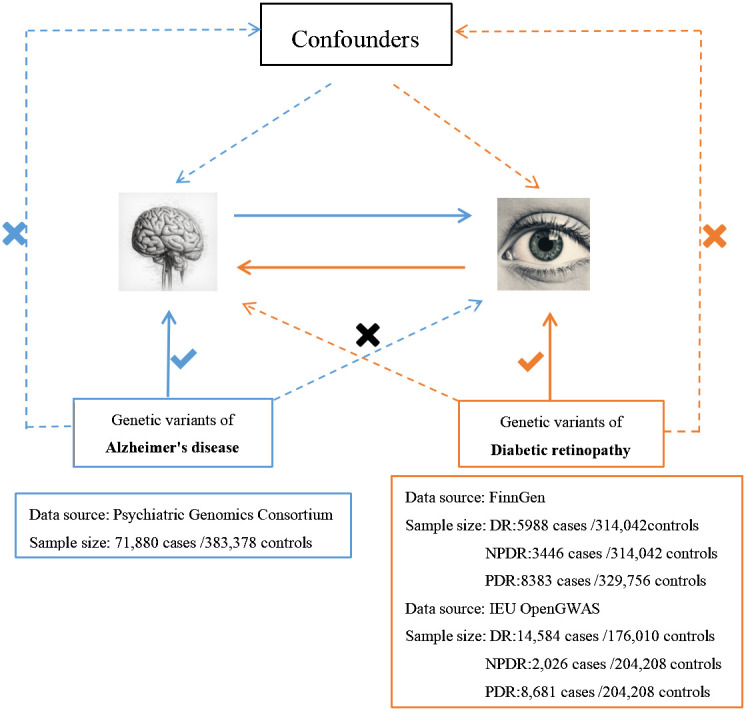
Employing Mendelian Randomization (MR), Generalized Summary-data-based Mendelian Randomization (GSMR), and the MR-Steiger test, this study scrutinizes the genetic underpinnings of the hypothesized causal association between AD and DR, as well as its Proliferative DR (PDR) and Non-Proliferative DR (NPDR) subtypes. Comprehensive data from Genome-Wide Association Studies (GWAS) were analyzed, specifically AD data from the Psychiatric Genomics Consortium (71,880 cases/383,378 controls), and DR, PDR, and NPDR data from both the FinnGen consortium (FinnGen release R8, DR: 5,988 cases/314,042 controls; PDR: 8,383 cases/329,756 controls; NPDR: 3,446 cases/314,042 controls) and the IEU OpenGWAS (DR: 14,584 cases/176,010 controls; PDR: 8,681 cases/204,208 controls; NPDR: 2,026 cases/204,208 controls). The study also incorporated Functional Mapping and Annotation (FUMA) for an in-depth analysis of the GWAS results.
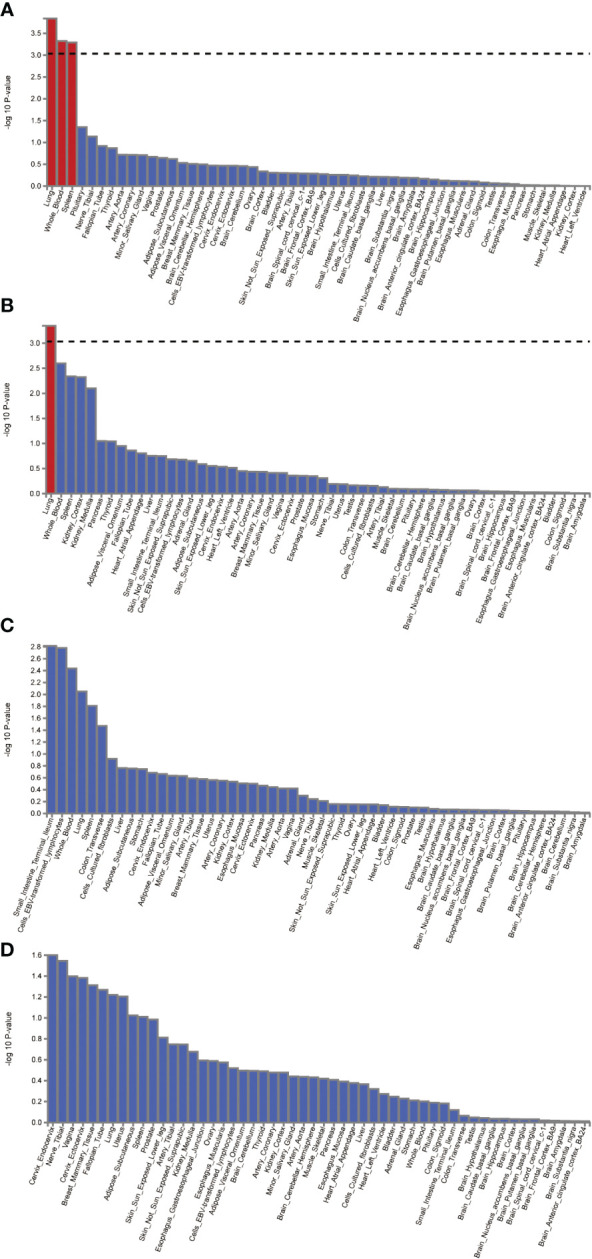
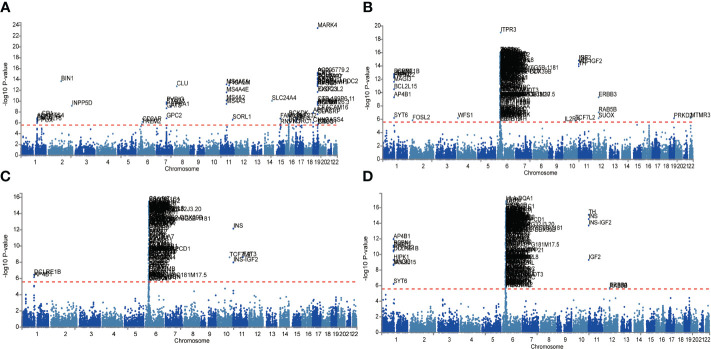
The MR analyses revealed that genetic susceptibility to AD significantly increases the risk of DR, as evidenced by GWAS data from the FinnGen consortium (OR: 2.5090; 95% confidence interval (CI):1.2102-5.2018, false discovery rate P-value ()=0.0201; GSMR: b=0.8936, b=0.3759, =0.0174), NPDR (OR: 2.7455; 95% CI: 1.3178-5.7197, =0.0166; GSMR: b=0.9682, b=0.3802, =0.0126), and PDR (OR: 2.3098; 95% CI: 1.2411-4.2986, =0.0164; GSMR: b=0.7962, b=0.3205, =0.0129) using DR GWAS from FinnGen consortium. These results were corroborated by DR GWAS datasets from IEU OpenGWAS. The MR-Steiger test confirmed a significant association of all identified instrumental variables (IVs) with AD. While a potential causal effect of DR and its subtypes on AD was identified, the robustness of these results was constrained by a low power value. FUMA analysis identified OARD1, NFYA, TREM1 as shared risk genes between DR and AD, suggesting a potential genetic overlap between these complex diseases.
This study underscores the contribution of AD to an increased risk of DR, as well as NPDR and PDR subtypes, underscoring the necessity of a holistic approach in the management of patients affected by these conditions.
本研究旨在调查阿尔茨海默病(AD)与糖尿病视网膜病变(DR)之间的因果关系。
本研究采用孟德尔随机化(MR)、基于广义汇总数据的孟德尔随机化(GSMR)和MR-Steiger检验,审视AD与DR之间假定因果关联的遗传基础,以及增殖性糖尿病视网膜病变(PDR)和非增殖性糖尿病视网膜病变(NPDR)亚型。分析了来自全基因组关联研究(GWAS)的综合数据,具体包括精神基因组学联盟的AD数据(71880例病例/383378例对照),以及来自芬兰基因联盟(芬兰基因版本R8,DR:5988例病例/314042例对照;PDR:8383例病例/329756例对照;NPDR:3446例病例/314042例对照)和IEU OpenGWAS(DR:14584例病例/176010例对照;PDR:8681例病例/204208例对照;NPDR:2026例病例/204208例对照)的DR、PDR和NPDR数据。该研究还纳入了功能映射和注释(FUMA)以深入分析GWAS结果。
MR分析显示,AD的遗传易感性显著增加了DR的风险,芬兰基因联盟的GWAS数据证明了这一点(比值比:2.5090;95%置信区间(CI):1.2102 - 5.2018,错误发现率P值()=0.0201;GSMR:b = 0.8936,b = 0.3759,= 0.0174),NPDR(比值比:2.7455;95% CI:1.3178 - 5.7197,= 0.0166;GSMR:b = 0.9682,b = 0.3802,= 0.0126),以及使用芬兰基因联盟DR GWAS的PDR(比值比:2.3098;95% CI:1.2411 - 4.2986,= 0.0164;GSMR:b = 0.7962,b = 0.3205,= 0.0129)。IEU OpenGWAS的DR GWAS数据集证实了这些结果。MR-Steiger检验证实了所有已识别的工具变量(IV)与AD之间存在显著关联。虽然确定了DR及其亚型对AD有潜在因果效应,但这些结果的稳健性受到低效能值的限制。FUMA分析确定OARD1、NFYA、TREM1为DR和AD之间的共享风险基因,表明这些复杂疾病之间存在潜在的遗传重叠。
本研究强调了AD对DR以及NPDR和PDR亚型风险增加的作用,强调了对受这些疾病影响的患者进行整体管理方法的必要性。