Department of Radiation Oncology, Fudan University Shanghai Cancer Center, Shanghai, China.
Shenzhen Institute of Advanced Technology, Chinese Academy of Sciences, Shenzhen, China.
Front Immunol. 2024 Apr 22;15:1375340. doi: 10.3389/fimmu.2024.1375340. eCollection 2024.
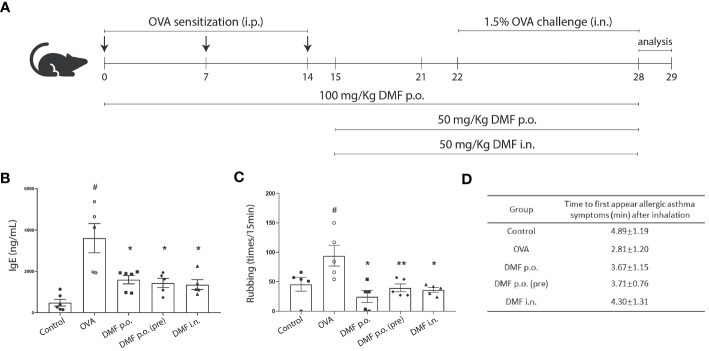
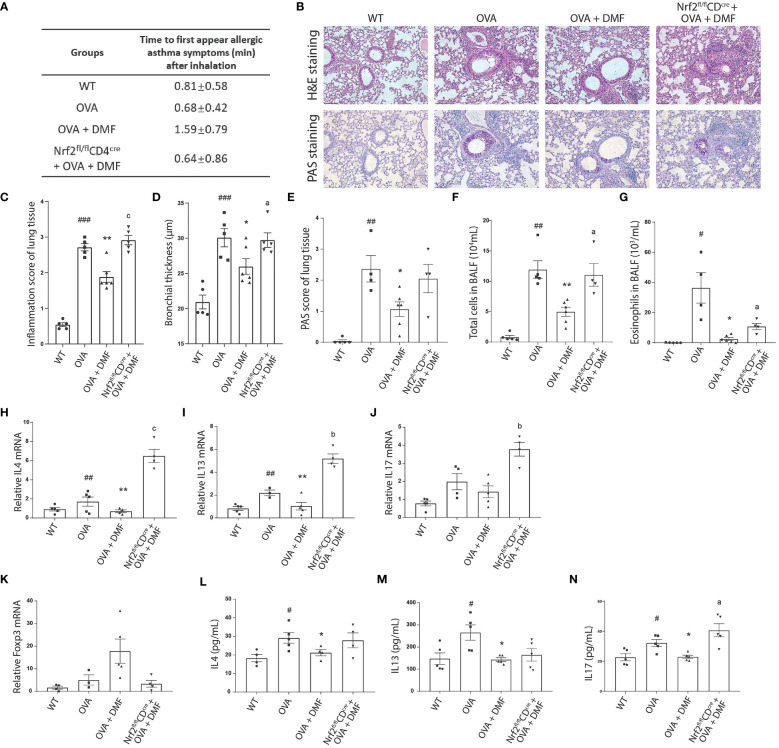
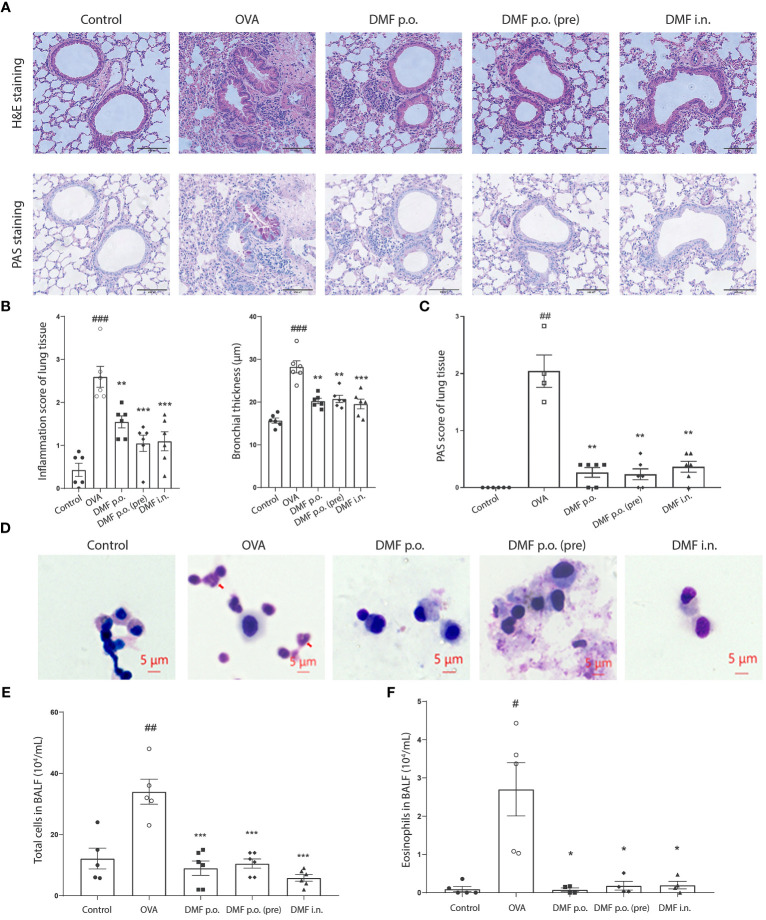
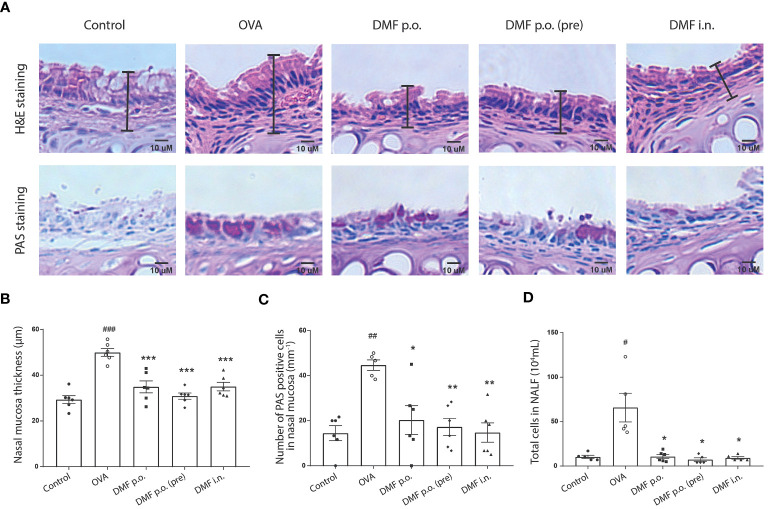
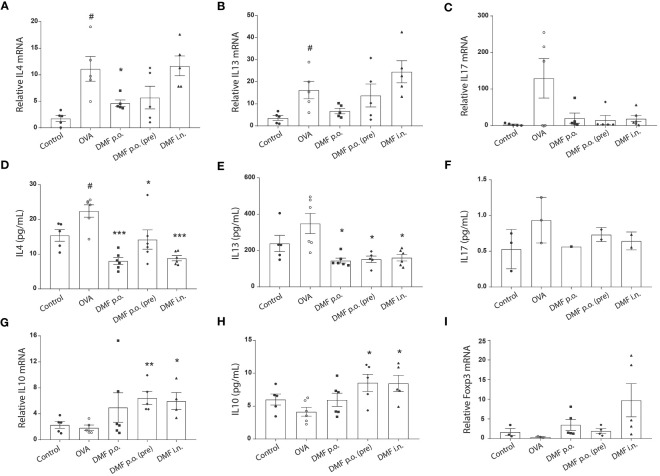
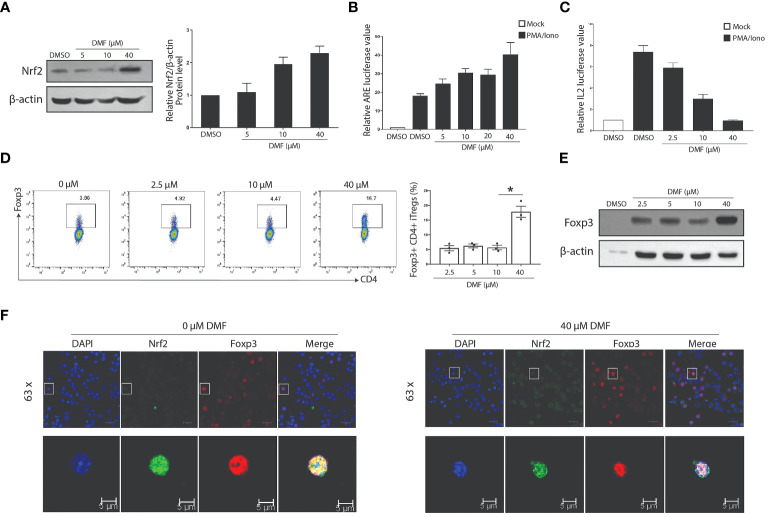
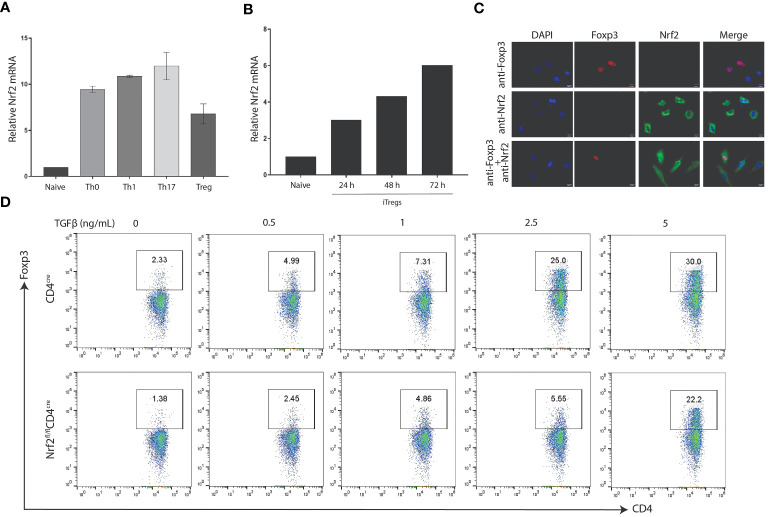
Allergic asthma is a widely prevalent inflammatory condition affecting people across the globe. T cells and their secretory cytokines are central to the pathogenesis of allergic asthma. Here, we have evaluated the anti-inflammatory impact of dimethyl fumarate (DMF) in allergic asthma with more focus on determining its effect on T cell responses in allergic asthma. By utilizing the ovalbumin (OVA)-induced allergic asthma model, we observed that DMF administration reduced the allergic asthma symptoms and IgE levels in the OVA-induced mice model. Histopathological analysis showed that DMF treatment in an OVA-induced animal model eased the inflammation in the nasal and bronchial tissues, with a particular decrease in the infiltration of immune cells. Additionally, RT-qPCR analysis exhibited that treatment of DMF in an OVA-induced model reduced the expression of inflammatory cytokine (IL4, IL13, and IL17) while augmenting anti-inflammatory IL10 and Foxp3 (forkhead box protein 3). Mechanistically, we found that DMF increased the expression of Foxp3 by exacerbating the expression of nuclear factor E2-related factor 2 (Nrf2), and the in-vitro activation of Foxp3+ Tregs leads to an escalated expression of Nrf2. Notably, CD4-specific Nrf2 deletion intensified the allergic asthma symptoms and reduced the in-vitro iTreg differentiation. Meanwhile, DMF failed to exert protective effects on OVA-induced allergic asthma in CD4-specific Nrf2 knock-out mice. Overall, our study illustrates that DMF enhances Nrf2 signaling in T cells to assist the differentiation of Tregs, which could improve the anti-inflammatory immune response in allergic asthma.
过敏性哮喘是一种广泛存在的炎症性疾病,影响着全球各地的人群。T 细胞及其分泌的细胞因子是过敏性哮喘发病机制的核心。在这里,我们评估了二甲基富马酸(DMF)在过敏性哮喘中的抗炎作用,更侧重于确定其对过敏性哮喘中 T 细胞反应的影响。通过利用卵清蛋白(OVA)诱导的过敏性哮喘模型,我们观察到 DMF 给药可减轻 OVA 诱导的小鼠模型中的过敏性哮喘症状和 IgE 水平。组织病理学分析表明,DMF 治疗可减轻 OVA 诱导的动物模型中的鼻和支气管组织炎症,免疫细胞浸润明显减少。此外,RT-qPCR 分析表明,DMF 治疗可降低 OVA 诱导模型中炎症细胞因子(IL4、IL13 和 IL17)的表达,同时增加抗炎细胞因子 IL10 和 Foxp3(叉头框蛋白 3)的表达。从机制上讲,我们发现 DMF 通过加剧核因子 E2 相关因子 2(Nrf2)的表达来增加 Foxp3 的表达,Foxp3+Treg 的体外激活导致 Nrf2 的表达上调。值得注意的是,CD4 特异性 Nrf2 缺失加剧了过敏性哮喘症状,并减少了体外 iTreg 的分化。同时,DMF 未能在 CD4 特异性 Nrf2 敲除小鼠中对 OVA 诱导的过敏性哮喘发挥保护作用。总的来说,我们的研究表明,DMF 增强了 T 细胞中的 Nrf2 信号传导,以促进 Treg 的分化,从而改善过敏性哮喘中的抗炎免疫反应。