School of Life Sciences, Institute of Life Science and Green Development, Hebei University, Baoding, 071002, P.R. China.
The Key Laboratory of Microbial Diversity Research and Application of Hebei Province, Baoding, 071002, P. R. China.
BMC Ecol Evol. 2024 May 8;24(1):58. doi: 10.1186/s12862-024-02248-9.
Karst caves serve as natural laboratories, providing organisms with extreme and constant conditions that promote isolation, resulting in a genetic relationship and living environment that is significantly different from those outside the cave. However, research on cave creatures, especially Opiliones, remains scarce, with most studies focused on water, soil, and cave sediments.
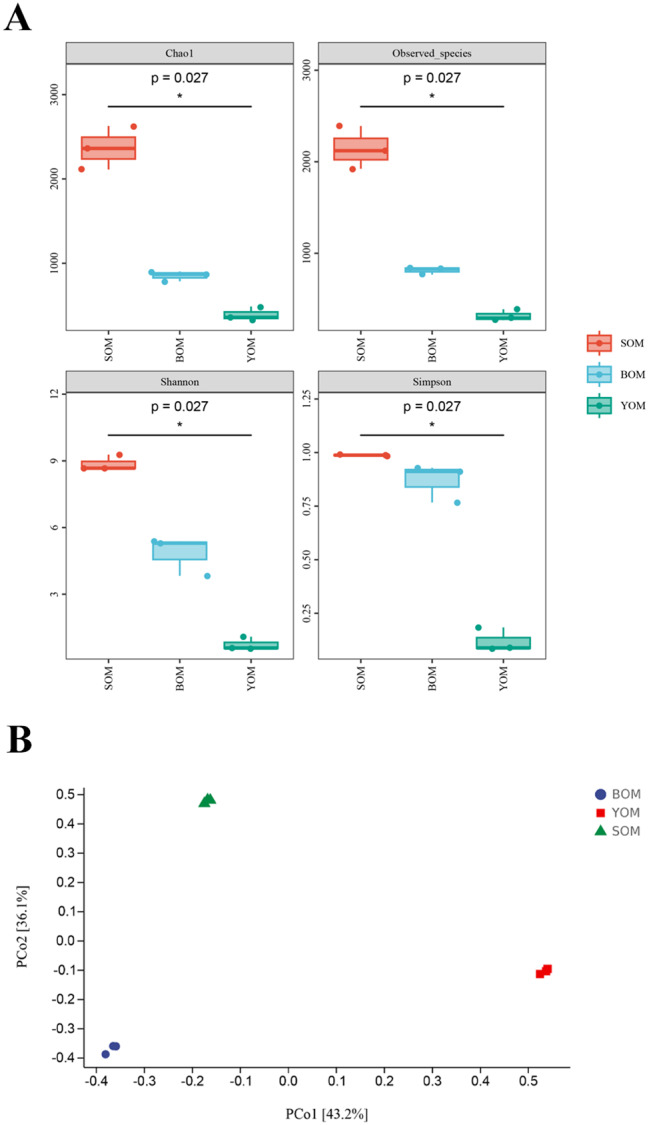
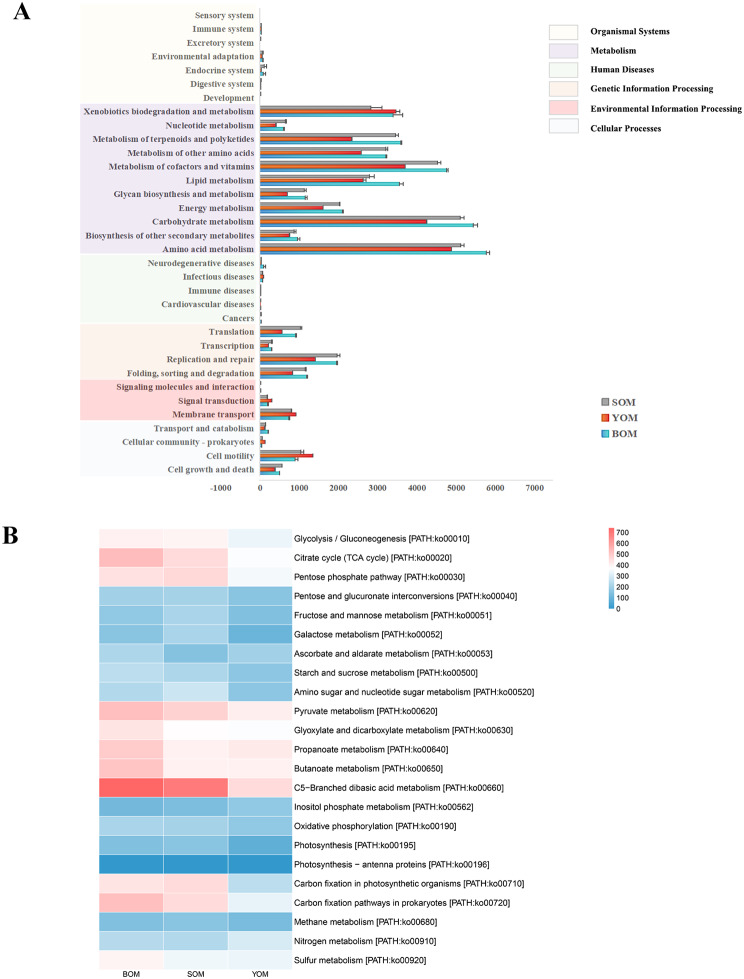
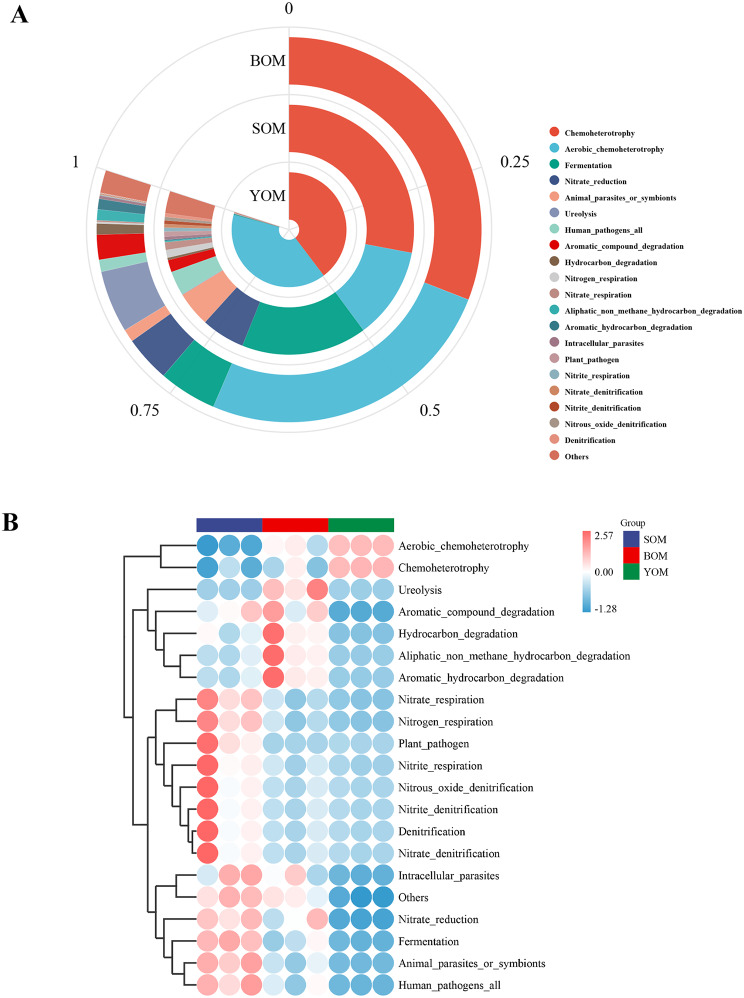
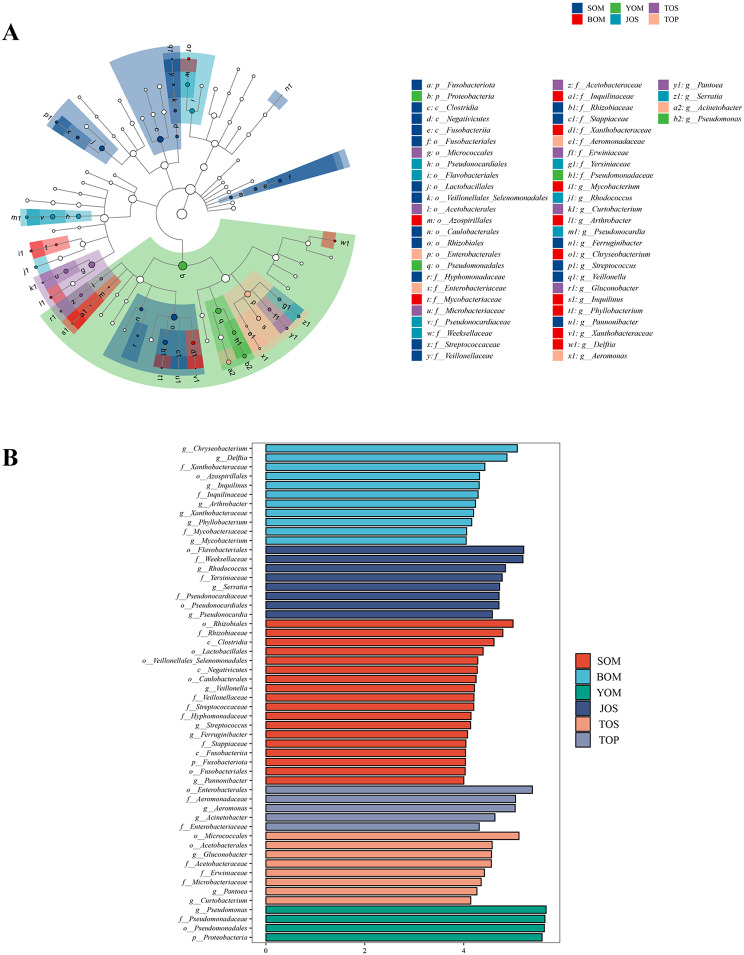
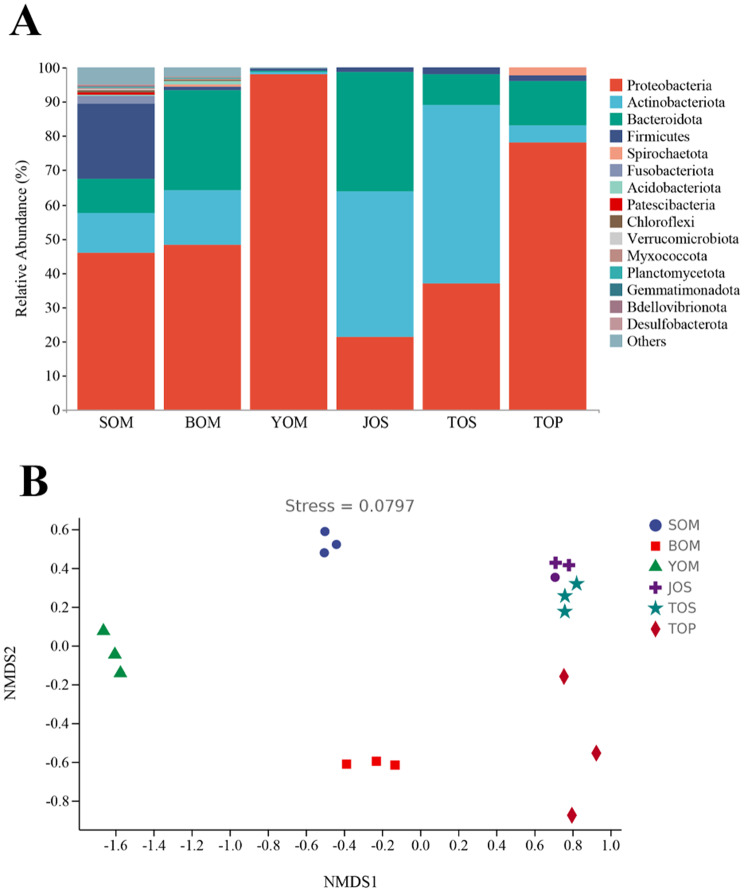
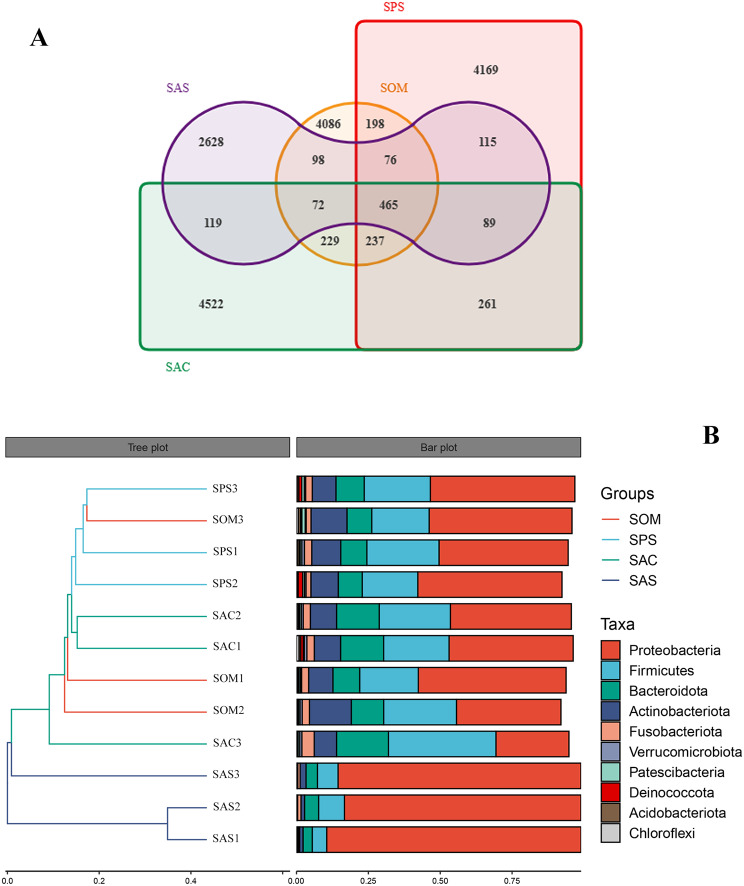
The structure of symbiotic bacteria in different caves were compared, revealing significant differences. Based on the alpha and beta diversity, symbiotic bacteria abundance and diversity in the cave were similar, but the structure of symbiotic bacteria differed inside and outside the cave. Microorganisms in the cave play an important role in material cycling and energy flow, particularly in the nitrogen cycle. Although microbial diversity varies inside and outside the cave, Opiliones in Beijing caves and Hainan Island exhibited a strong similarity, indicating that the two environments share commonalities.
The karst cave environment possesses high microbial diversity and there are noticeable differences among different caves. Different habitats lead to significant differences in the symbiotic bacteria in Opiliones inside and outside the cave, and cave microorganisms have made efforts to adapt to extreme environments. The similarity in symbiotic bacteria community structure suggests a potential similarity in host environments, providing an explanation for the appearance of Sinonychia martensi in caves in the north.
喀斯特洞穴作为天然实验室,为生物提供了极端且稳定的条件,促进了生物的隔离,从而导致其遗传关系和生活环境与洞穴外的生物有显著差异。然而,洞穴生物的研究,特别是盲蛛目动物,仍然很少,大多数研究集中在水、土壤和洞穴沉积物上。
比较了不同洞穴中共生细菌的结构,发现存在显著差异。基于 alpha 和 beta 多样性、共生细菌丰度和多样性,洞穴内和洞穴外的共生细菌相似,但洞穴内外的共生细菌结构不同。洞穴中的微生物在物质循环和能量流动中起着重要作用,特别是在氮循环中。尽管洞穴内外的微生物多样性不同,但北京洞穴和海南岛的盲蛛目动物表现出很强的相似性,表明这两个环境有共同之处。
喀斯特洞穴环境具有很高的微生物多样性,不同洞穴之间存在显著差异。不同的栖息地导致洞穴内外盲蛛目动物共生细菌存在显著差异,洞穴微生物已经在努力适应极端环境。共生细菌群落结构的相似性表明宿主环境可能存在潜在的相似性,这解释了北方洞穴中出现中华婪步甲的原因。