Department of Plant and Microbial Biology, University of Zurich, Zürich, Switzerland.
mBio. 2024 Jun 12;15(6):e0039024. doi: 10.1128/mbio.00390-24. Epub 2024 May 9.
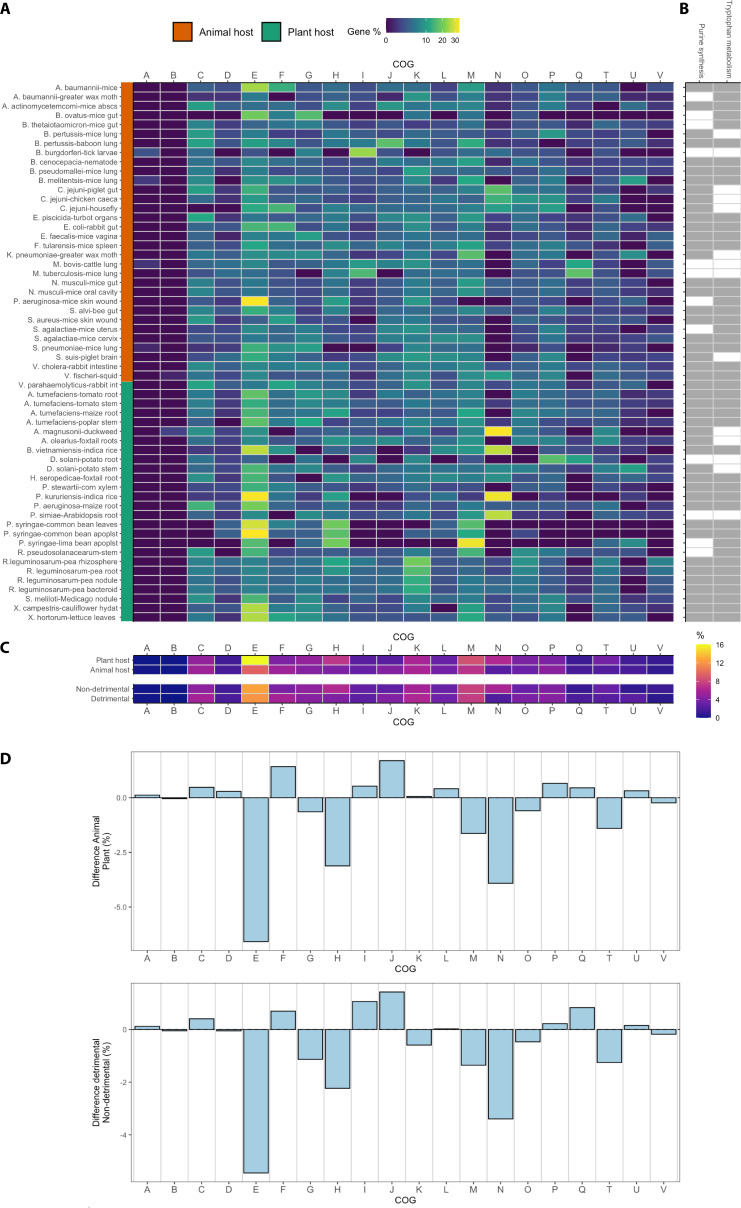
Bacteria are highly adaptable and grow in diverse niches, where they often interact with eukaryotic organisms. These interactions with different hosts span the entire spectrum from symbiosis to pathogenicity and thus determine the lifestyle of the bacterium. Knowledge of the genetic determinants involved in animal and plant host colonization by pathogenic and mutualistic bacteria is not only crucial to discover new drug targets for disease management but also for developing novel biostimulant strategies. In the last decades, significant progress in genome-wide high-throughput technologies such as transposon insertion sequencing has led to the identification of pathways that enable efficient host colonization. However, the extent to which similar genes play a role in this process in different bacteria is yet unclear. This review highlights the commonalities and specificities of bacterial determinants important for bacteria-host interaction.
细菌具有高度适应性,能在多种生境中生长,并且经常与真核生物相互作用。这些与不同宿主的相互作用涵盖了从共生到致病性的整个范围,因此决定了细菌的生活方式。了解与致病性和互利共生细菌对动物和植物宿主定殖相关的遗传决定因素,不仅对于发现疾病管理的新药物靶点至关重要,而且对于开发新型生物刺激策略也至关重要。在过去几十年中,转座子插入测序等全基因组高通量技术的显著进展,已经确定了能够实现有效宿主定殖的途径。然而,类似的基因在不同细菌中对这一过程起到的作用程度尚不清楚。本综述强调了细菌与宿主相互作用中重要的细菌决定因素的共性和特异性。