Reeder Brandon J, Deganutti Giuseppe, Ukeri John, Atanasio Silvia, Svistunenko Dimitri A, Ronchetti Christopher, Mobarec Juan Carlos, Welbourn Elizabeth, Asaju Jeffrey, Vos Marten H, Wilson Michael T, Reynolds Christopher A
School of Life Sciences, University of Essex Wivenhoe Park Colchester Essex CO4 3SQ UK
Centre for Health and Life Sciences (CHLS) Alison Gingell Building Coventry CV1 5FB UK
Chem Sci. 2024 Mar 21;15(18):6738-6751. doi: 10.1039/d4sc00953c. eCollection 2024 May 8.
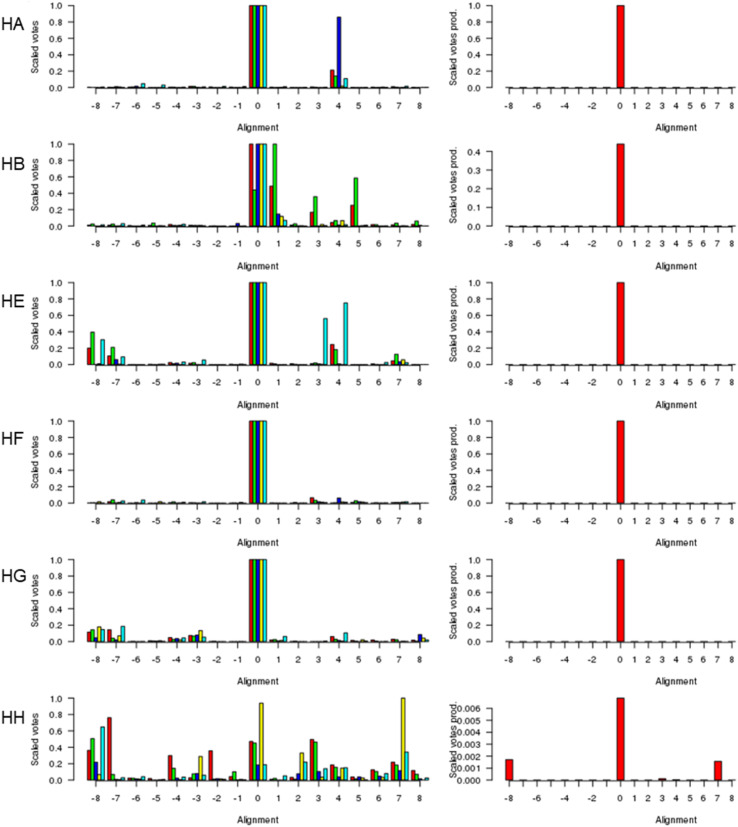
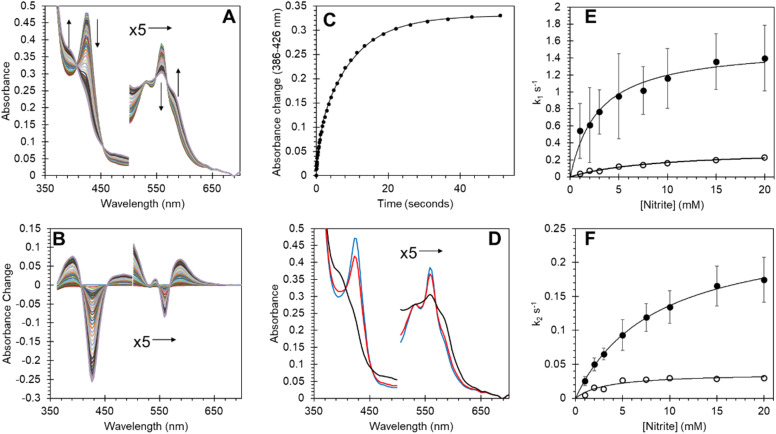
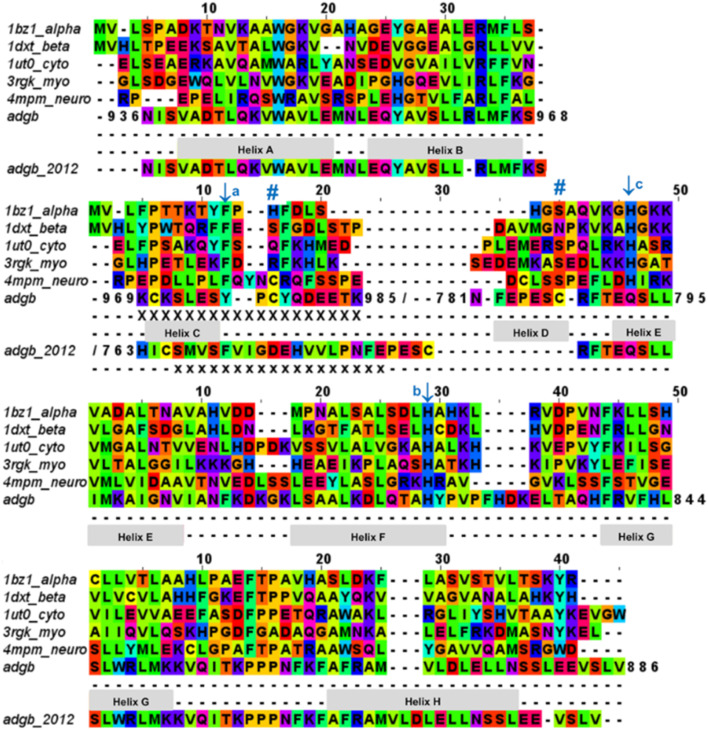
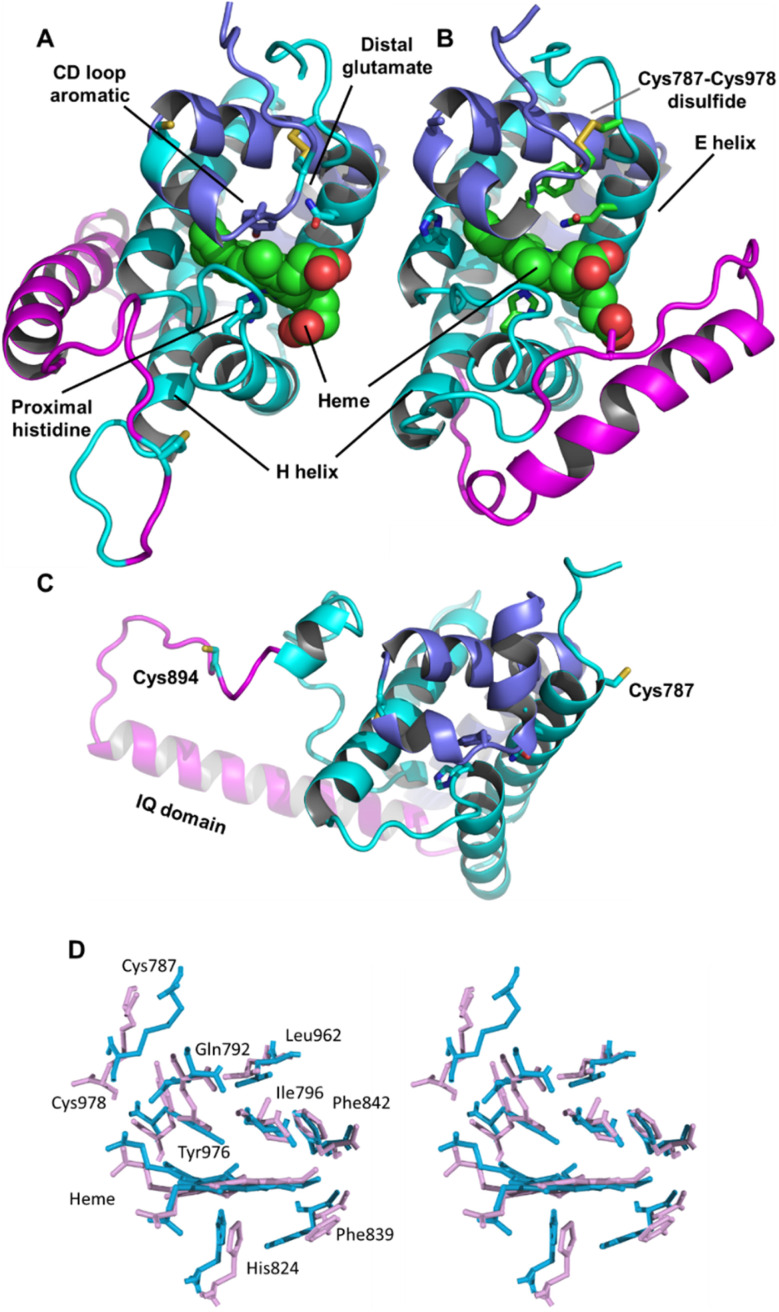
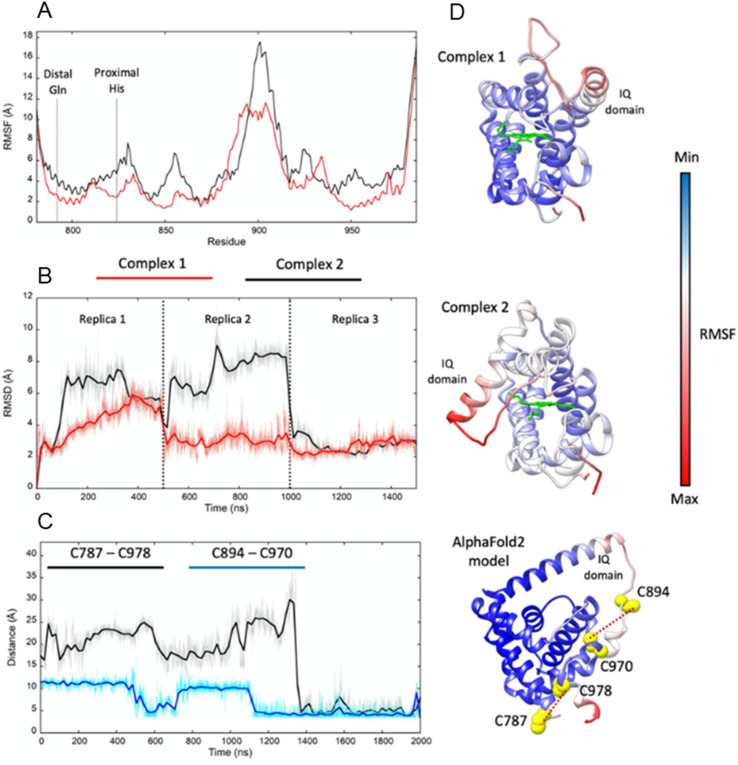
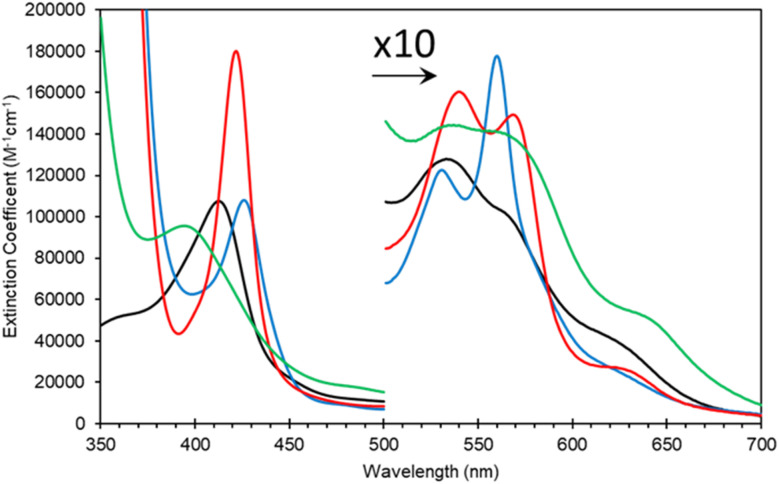
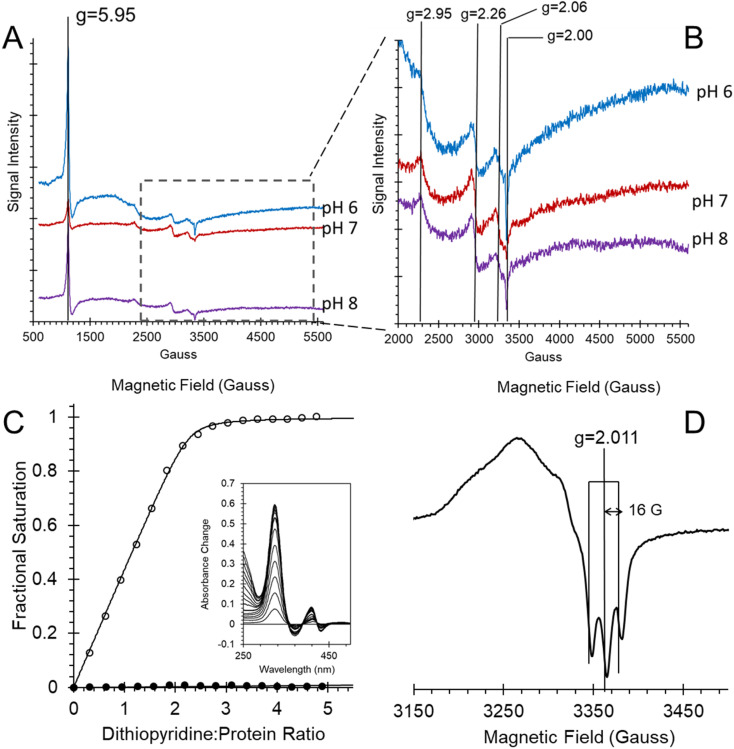
In the decade since the discovery of androglobin, a multi-domain hemoglobin of metazoans associated with ciliogenesis and spermatogenesis, there has been little advance in the knowledge of the biochemical and structural properties of this unusual member of the hemoglobin superfamily. Using a method for aligning remote homologues, coupled with molecular modelling and molecular dynamics, we have identified a novel structural alignment to other hemoglobins. This has led to the first stable recombinant expression and characterization of the circularly permuted globin domain. Exceptional for eukaryotic globins is that a tyrosine takes the place of the highly conserved phenylalanine in the CD1 position, a critical point in stabilizing the heme. A disulfide bond, similar to that found in neuroglobin, forms a closed loop around the heme pocket, taking the place of androglobin's missing CD loop and further supporting the heme pocket structure. Highly unusual in the globin superfamily is that the heme iron binds nitric oxide as a five-coordinate complex similar to other heme proteins that have nitric oxide storage functions. With rapid autoxidation and high nitrite reductase activity, the globin appears to be more tailored toward nitric oxide homeostasis or buffering. The use of our multi-template profile alignment method to yield the first biochemical characterisation of the circularly permuted globin domain of androglobin expands our knowledge of the fundamental functioning of this elusive protein and provides a pathway to better define the link between the biochemical traits of androglobin with proposed physiological functions.
自从发现雄激素结合球蛋白(一种与纤毛发生和精子发生相关的后生动物多结构域血红蛋白)以来的十年间,对于这个血红蛋白超家族中不同寻常成员的生化和结构特性的认识几乎没有进展。我们使用一种比对远缘同源物的方法,结合分子建模和分子动力学,确定了与其他血红蛋白的一种新的结构比对。这导致了首次对环状排列的球蛋白结构域进行稳定的重组表达和表征。真核球蛋白的特殊之处在于,在稳定血红素的关键点CD1位置上,酪氨酸取代了高度保守的苯丙氨酸。一个类似于在神经球蛋白中发现的二硫键,在血红素口袋周围形成一个闭环,取代了雄激素结合球蛋白缺失的CD环,并进一步支撑了血红素口袋结构。在球蛋白超家族中非常不寻常的是,血红素铁以五配位复合物的形式结合一氧化氮,类似于其他具有一氧化氮储存功能的血红素蛋白。由于具有快速的自氧化作用和高亚硝酸还原酶活性,该球蛋白似乎更适合一氧化氮稳态或缓冲。我们使用多模板轮廓比对方法对雄激素结合球蛋白的环状排列球蛋白结构域进行首次生化表征,扩展了我们对这种难以捉摸的蛋白质基本功能的认识,并为更好地定义雄激素结合球蛋白的生化特性与所提出的生理功能之间的联系提供了一条途径。