Chen Hui, Li Tingyu, Chen Xinyu, Qu Tianmeng, Zheng Xinyi, Luo Junjia, Li Bo, Zhang Guojin, Fu Zhixi
Key Laboratory of Land Resources Evaluation and Monitoring in Southwest, Sichuan Normal University, Ministry of Education, Chengdu, China.
College of Life Sciences, Sichuan Normal University, Chengdu, China.
Front Plant Sci. 2024 Apr 26;15:1367132. doi: 10.3389/fpls.2024.1367132. eCollection 2024.
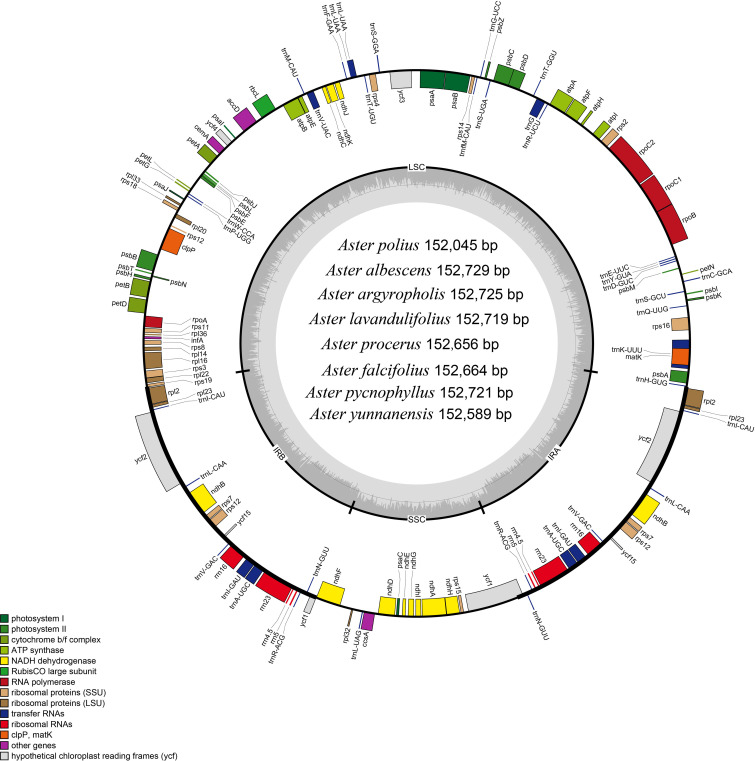
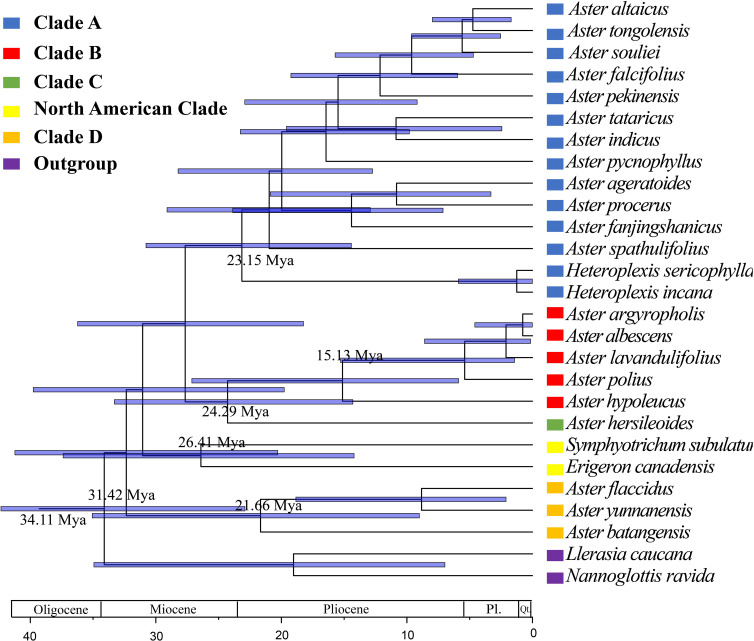
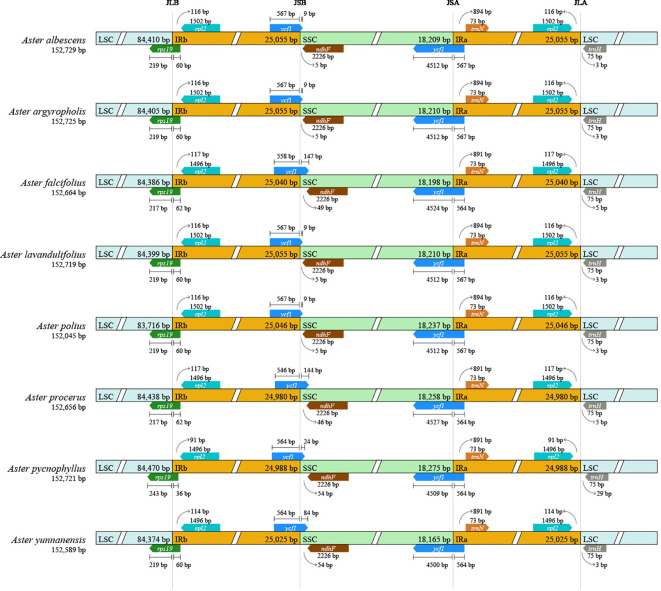
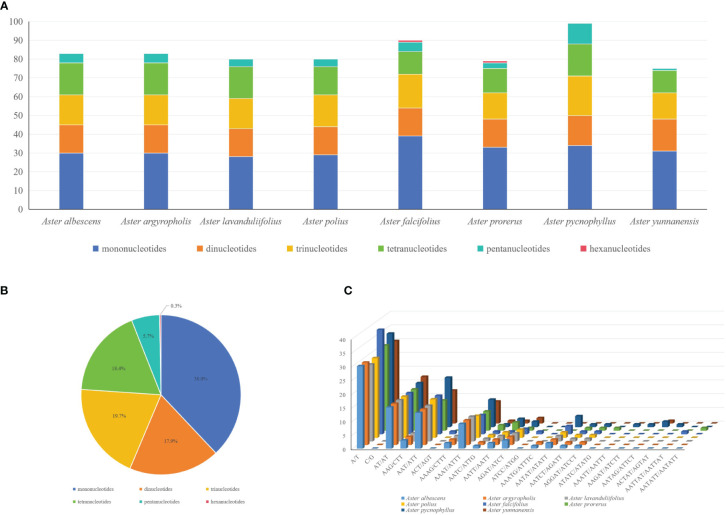
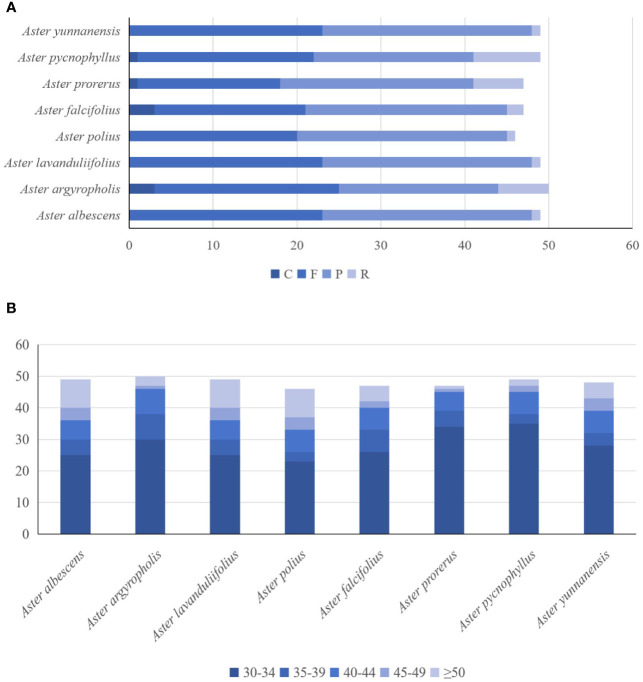
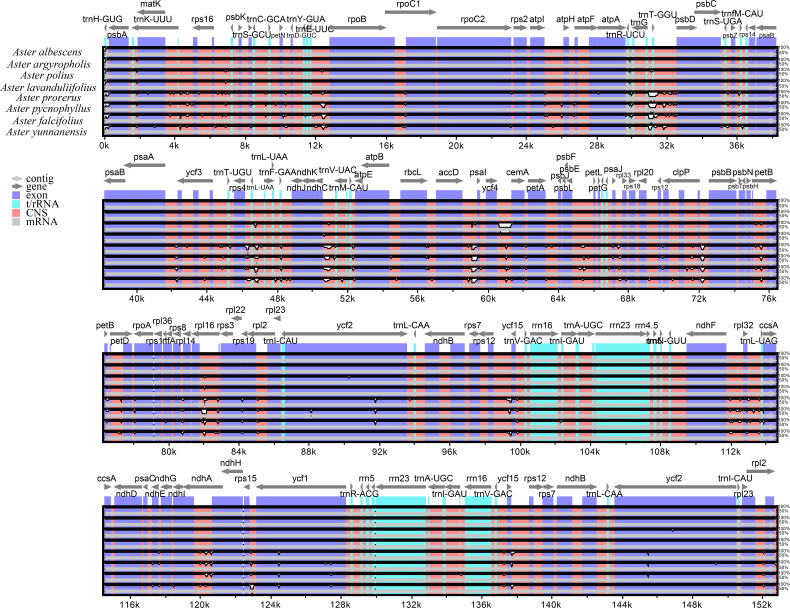
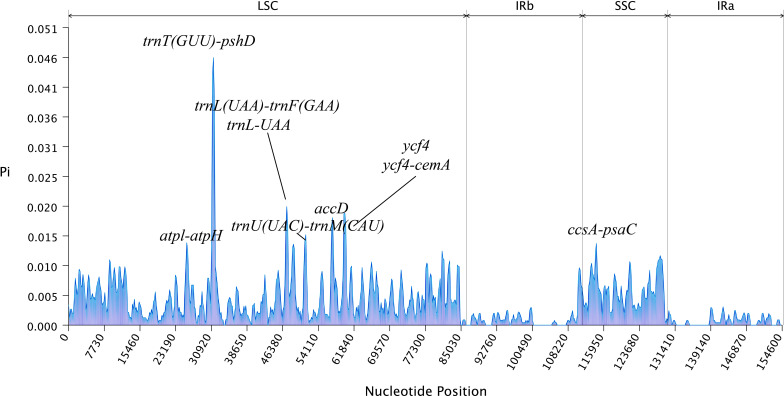
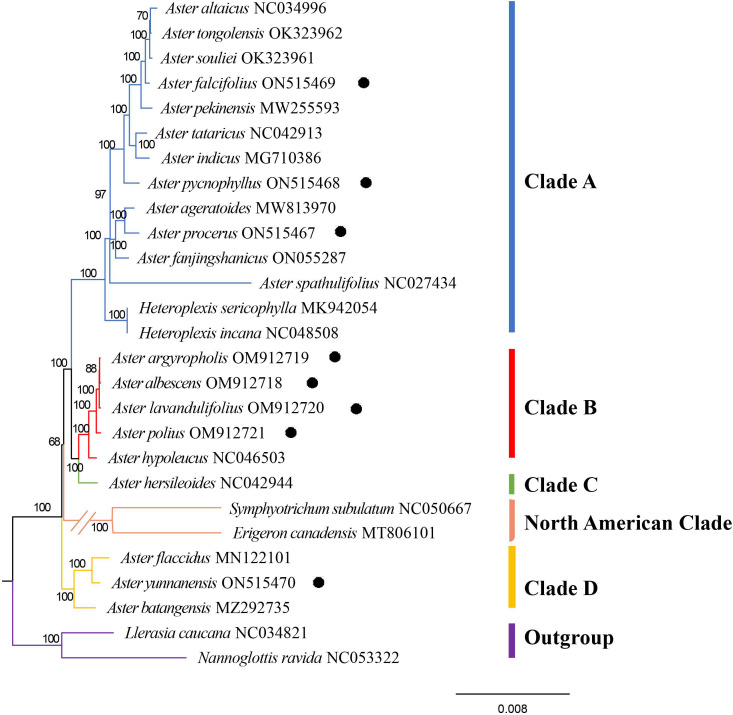
L. is an economically and phylogenetically important genus in the tribe Astereae. Here, the complete plastomes of the eight species were assembled and characterized using next-generation sequencing datasets. The results indicated the complete plastomes of had a quadripartite structure. These genomes were 152,045-152,729 bp in length and contained 132-133 genes, including 87 protein-coding genes, 37-38 tRNA genes, and eight rRNA genes. Expansion or contraction of inverted repeat regions and forward, palindromic, complement, and reverse repeats were detected in the eight species. Additionally, our analyses showed the richest type of simple sequence repeats was A/T mononucleotides, and 14 highly variable regions were discovered by analyzing the border regions, sequence divergence, and hotspots. Phylogenetic analyses indicated that 27 species in Astereae were clustered into six clades, i.e., A to D, North American, and outgroup clades, and supported that the genera , , and are nested within . The results indicated the clades B to D might be considered as genera. Divergence time estimate showed the clades A, B, C, and D diverged at 23.15 Mya, 15.13 Mya, 24.29 Mya, and 21.66 Mya, respectively. These results shed light on the phylogenetic relationships of and provided new information on species identification of and its related genera.
L. 是紫菀族中一个在经济和系统发育方面都很重要的属。在此,利用二代测序数据集组装并表征了该属8个物种的完整质体基因组。结果表明,这些完整的质体基因组具有四分体结构。这些基因组长度为152,045 - 152,729 bp,包含132 - 133个基因,其中包括87个蛋白质编码基因、37 - 38个tRNA基因和8个rRNA基因。在这8个物种中检测到了反向重复区域的扩增或收缩以及正向、回文、互补和反向重复。此外,我们的分析表明,最丰富的简单序列重复类型是A/T单核苷酸,通过分析边界区域、序列分歧和热点发现了14个高变区。系统发育分析表明,紫菀族中的27个物种聚为6个分支,即A至D分支、北美分支和外类群分支,并支持属L.、属[具体属名未给出]和属[具体属名未给出]嵌套在属[具体属名未给出]内。结果表明,分支B至D可被视为属。分歧时间估计显示,分支A、B、C和D分别在2315万年前、1513万年前、2429万年前和2166万年前发生分歧。这些结果揭示了属L. 的系统发育关系,并为属L. 及其相关属的物种鉴定提供了新信息。