Polyclinic for Operative Dentistry and Periodontology, University of Cologne, Faculty of Medicine and University Hospital Cologne, 50931, Cologne, Germany.
BMC Oral Health. 2024 May 14;24(1):566. doi: 10.1186/s12903-024-04313-7.
Our study aimed to evaluate the long-term concordance and acceptance when using powered devices for everyday oral hygiene routine and gingival health in patients showing papillary bleeding.
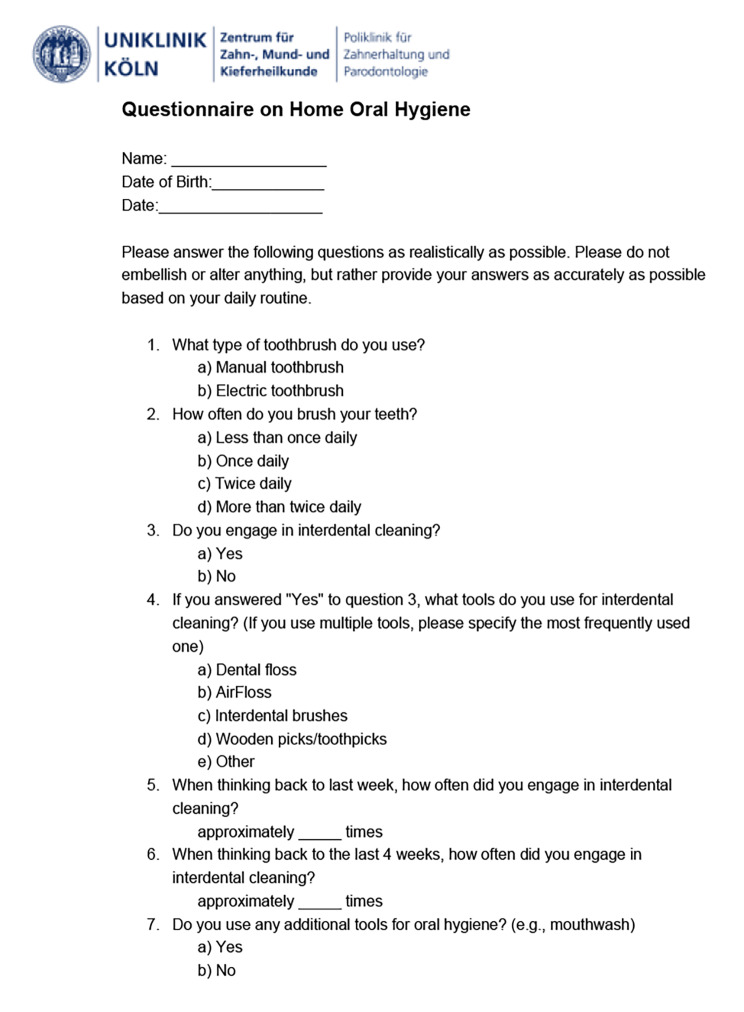
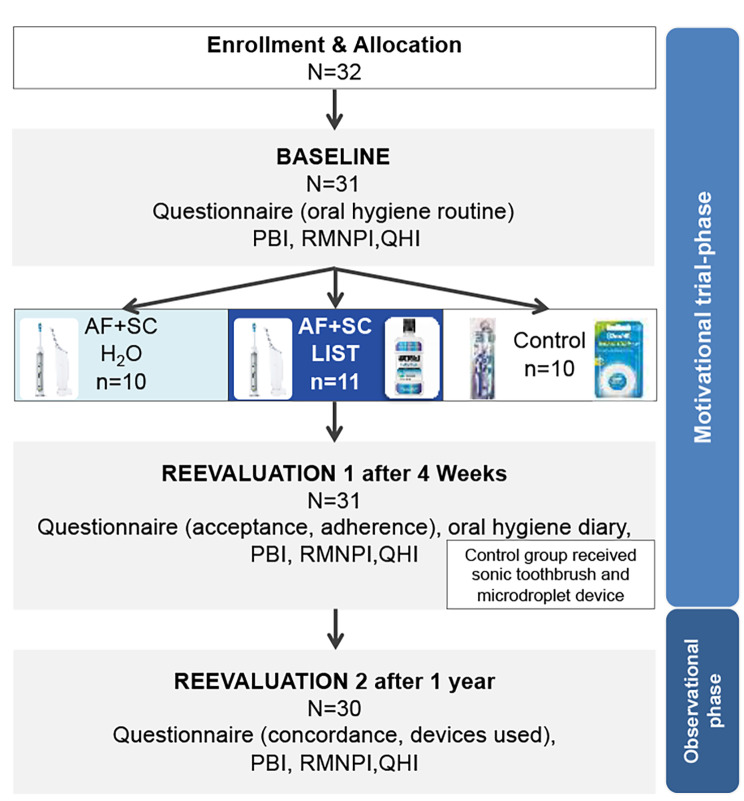
Thirty-one participants were recruited at the dental clinic of the University Hospital of Cologne, Germany, over a 6-week duration. At baseline, a standard dental check-up was performed, including oral hygiene indices and documentation of oral hygiene devices used. The study consisted of two consecutive phases: the first (motivational trial) was designed to prove the effectiveness and safety of a microdroplet device and a powered toothbrush compared to dental floss and a manual toothbrush over a period of 4 weeks. The second (observational) phase began with all participants receiving the powered oral homecare devices. Participants were able to use their oral hygiene measures of choice over an unsupervised period of 1 year. All participants were then rescheduled for a routine dental check-up, where oral hygiene indices and oral hygiene devices used were reevaluated.
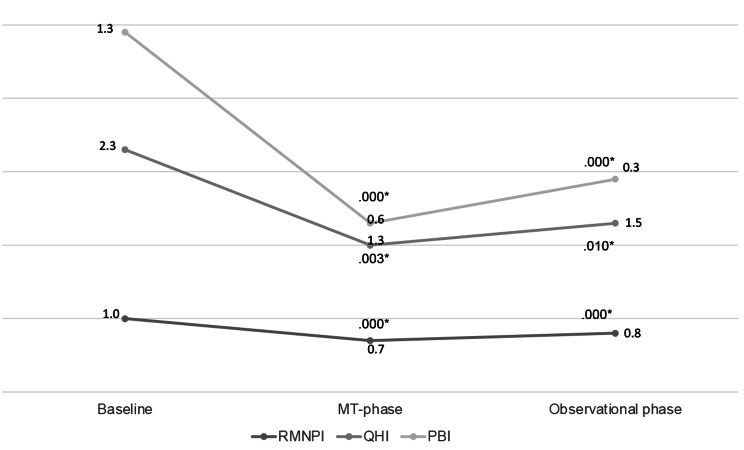
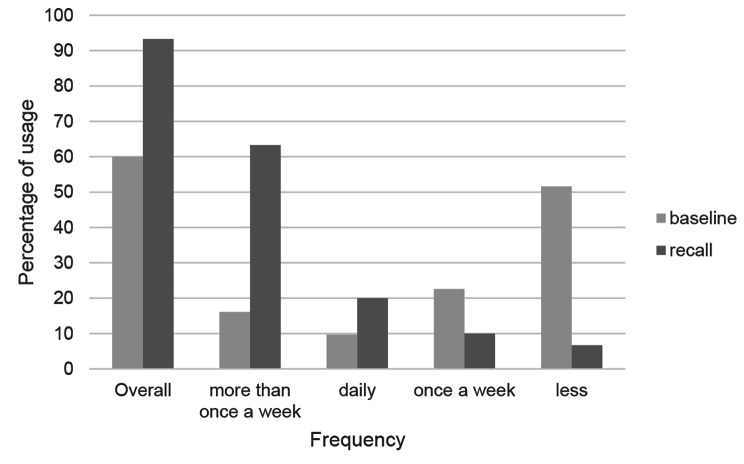
After 1 year, 93.3% of participants stated they performed interdental cleaning on a regular basis (baseline 60.0%). The percentage using a powered toothbrush increased from 41.9% (baseline) to 90.0% after 1 year. Oral hygiene parameters had improved after both the motivational trial and observational phases compared to baseline (papillary bleeding index p = .000; Rustogi Modified Navy Plaque Index p < .05; Quigley-Hein Index p = .000).
In the long term, participants preferred using powered oral hygiene devices over the gold standard dental floss and manual toothbrush. Improved oral hygiene parameters after 1 year may indicate implementation of newly acquired oral-hygiene skills during the 4-week instruction phase.
我们的研究旨在评估在出现乳突出血的患者中,日常口腔卫生常规和牙龈健康使用动力设备的长期一致性和接受程度。
在德国科隆大学医院的牙科诊所,我们在 6 周的时间内招募了 31 名参与者。在基线时,进行了标准的牙科检查,包括口腔卫生指数和记录使用的口腔卫生设备。该研究包括两个连续阶段:第一阶段(激励试验)旨在证明微滴设备和动力牙刷与牙线和手动牙刷相比在 4 周内的有效性和安全性。第二阶段(观察阶段)开始时,所有参与者都收到了动力口腔家庭护理设备。参与者可以在无人监督的情况下,在 1 年内使用他们选择的口腔卫生措施。然后,所有参与者都重新安排了常规牙科检查,重新评估口腔卫生指数和使用的口腔卫生设备。
1 年后,93.3%的参与者表示他们定期进行牙间清洁(基线时为 60.0%)。使用动力牙刷的比例从基线时的 41.9%增加到 1 年后的 90.0%。与基线相比,激励试验和观察阶段后,口腔卫生参数都有所改善(乳突出血指数 p=0.000;Rustogi 改良海军菌斑指数 p<0.05;Quigley-Hein 指数 p=0.000)。
从长远来看,参与者更喜欢使用动力口腔卫生设备,而不是黄金标准的牙线和手动牙刷。1 年后口腔卫生参数的改善可能表明在 4 周的指导阶段中,新获得的口腔卫生技能得到了实施。