Stapf Catherine A, Keefer Sara E, McInerney Jessica M, Cheer Joseph F, Calu Donna J
Program in Neuroscience, University of Maryland Baltimore, Baltimore, MD, 21201.
Department of Neurobiology, University of Maryland School of Medicine, Baltimore, MD 21201.
bioRxiv. 2024 Aug 6:2024.05.01.592059. doi: 10.1101/2024.05.01.592059.
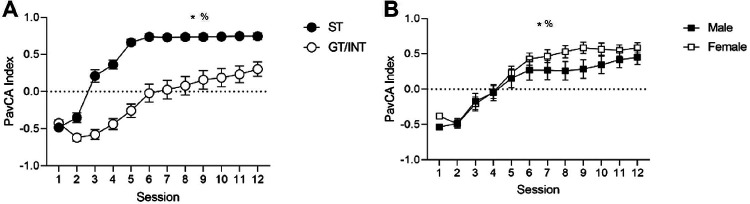
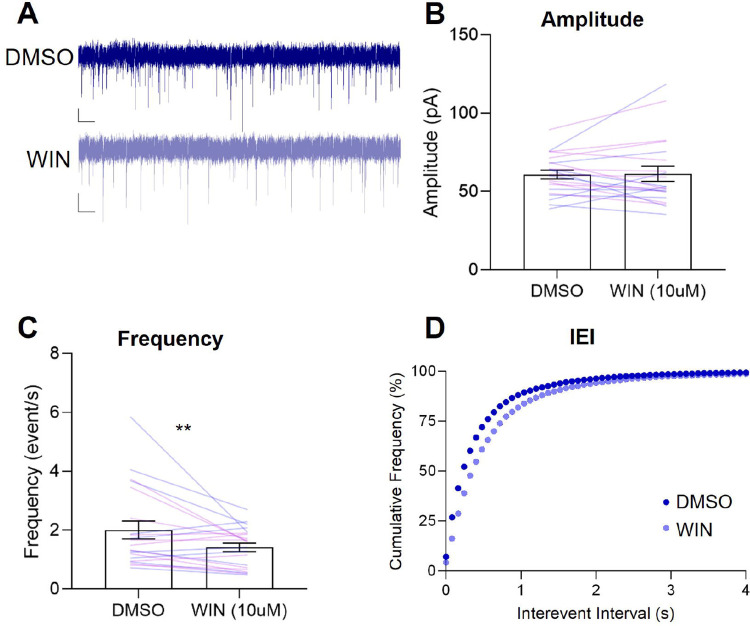
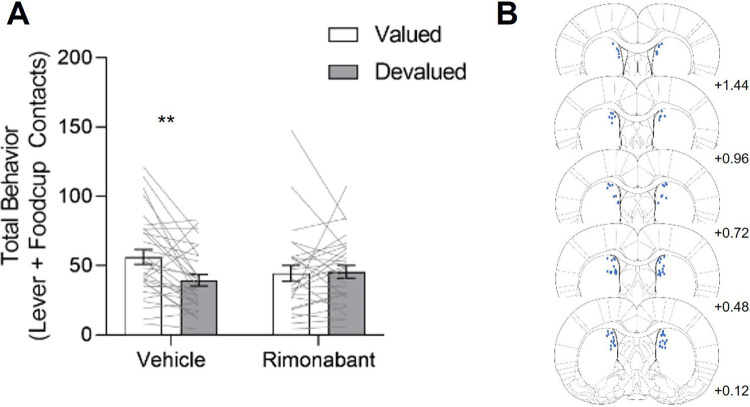
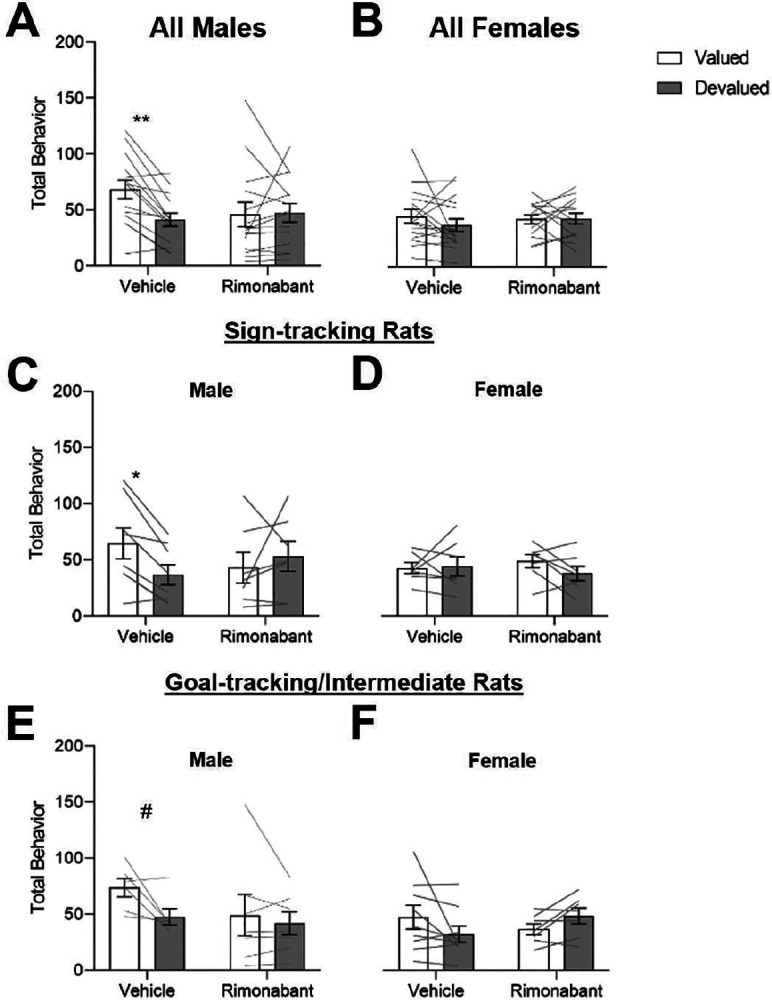
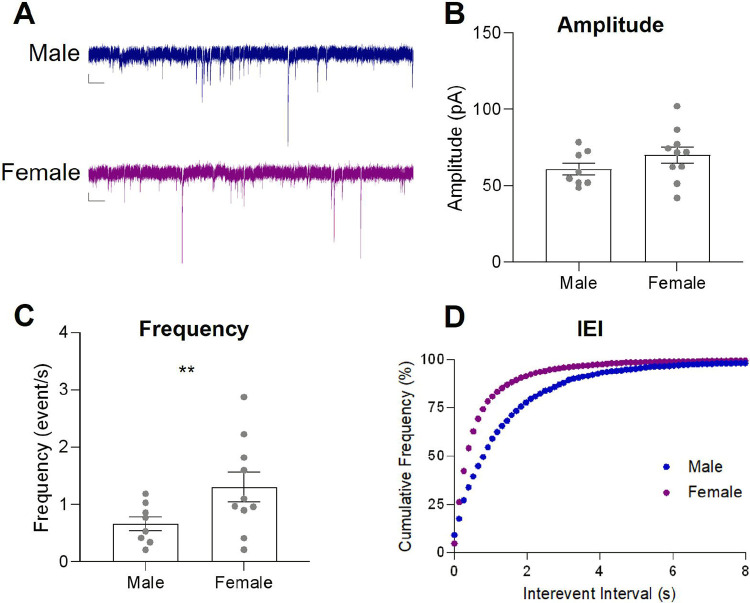
Cannabinoid-1 receptor (CB1R) signaling in the dorsal striatum regulates the shift from flexible to habitual behavior in instrumental outcome devaluation. Based on prior work establishing individual, sex, and experience-dependent differences in Pavlovian behaviors, we predicted a role for dorsomedial striatum CB1R signaling in driving rigid responding in Pavlovian autoshaping and outcome devaluation. We trained male and female Long Evans rats in Pavlovian Lever Autoshaping (PLA). We gave intra-dorsomedial striatum (DMS) infusions of the CB1R inverse agonist, rimonabant, before satiety-induced outcome devaluation test sessions, where we sated rats on training pellets or home cage chow and tested them in brief nonreinforced Pavlovian Lever Autoshaping sessions. Overall, inhibition of DMS CB1R signaling prevented Pavlovian outcome devaluation but did not affect behavior in reinforced PLA sessions. Males were sensitive to devaluation while females were not and DMS CB1R inhibition impaired devaluation sensitivity in males. We then investigated how DMS CB1R signaling impacts local inhibitory synaptic transmission in male and female Long Evans rats. We recorded spontaneous inhibitory postsynaptic currents (sIPSC) from DMS neurons at baseline and before and after application of a CB1R agonist, WIN 55,212-2. We found that male rats showed decreased sIPSC frequency compared to females, and that CB1R activation reduced DMS inhibitory transmission independent of sex. Altogether our results demonstrate that DMS CB1Rs regulate Pavlovian devaluation sensitivity and inhibitory synaptic transmission and suggest that basal sex differences in inhibitory synaptic transmission may underly sex differences in DMS function and behavioral flexibility.
背侧纹状体中的大麻素-1受体(CB1R)信号传导在工具性结果贬值中调节从灵活行为到习惯性行为的转变。基于先前关于巴甫洛夫行为中个体、性别和经验依赖性差异的研究,我们预测背内侧纹状体CB1R信号传导在驱动巴甫洛夫自动塑造和结果贬值中的刻板反应中发挥作用。我们在巴甫洛夫杠杆自动塑造(PLA)实验中训练雄性和雌性Long Evans大鼠。在饱足诱导的结果贬值测试环节之前,我们向背内侧纹状体(DMS)内注射CB1R反向激动剂利莫那班,在该测试环节中,我们让大鼠饱食训练用食丸或笼内食物,然后在简短的非强化巴甫洛夫杠杆自动塑造环节中对它们进行测试。总体而言,抑制DMS CB1R信号传导可防止巴甫洛夫式结果贬值,但不影响强化PLA环节中的行为。雄性对贬值敏感而雌性不敏感,DMS CB1R抑制会损害雄性的贬值敏感性。然后,我们研究了DMS CB1R信号传导如何影响雄性和雌性Long Evans大鼠的局部抑制性突触传递。我们在基线时以及应用CB1R激动剂WIN 55,212-2之前和之后,记录DMS神经元的自发性抑制性突触后电流(sIPSC)。我们发现,与雌性相比,雄性大鼠的sIPSC频率降低,并且CB1R激活会降低DMS抑制性传递,与性别无关。我们的研究结果总体表明,DMS CB1R调节巴甫洛夫式贬值敏感性和抑制性突触传递,并表明抑制性突触传递的基础性别差异可能是DMS功能和行为灵活性性别差异的基础。