Jerold B. Katz Professor of Neurology and Neuroscience, Weill Cornell Medicine, New York, NY, USA.
Neuron. 2024 May 15;112(10):1595-1610. doi: 10.1016/j.neuron.2024.04.027.
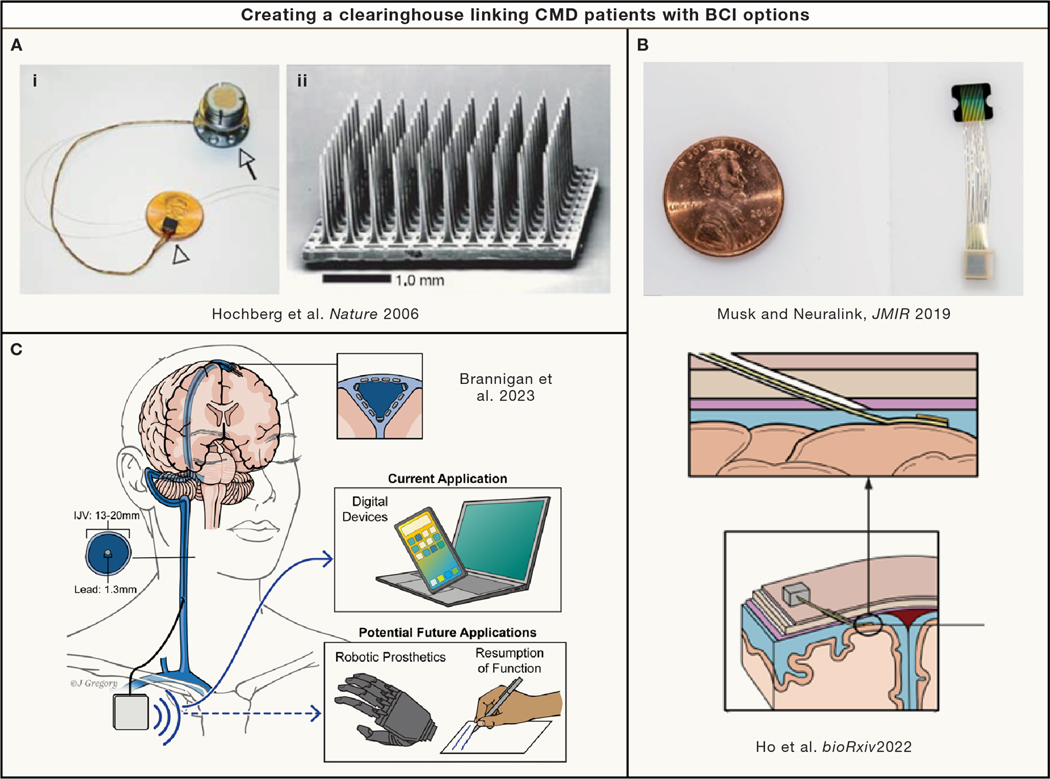
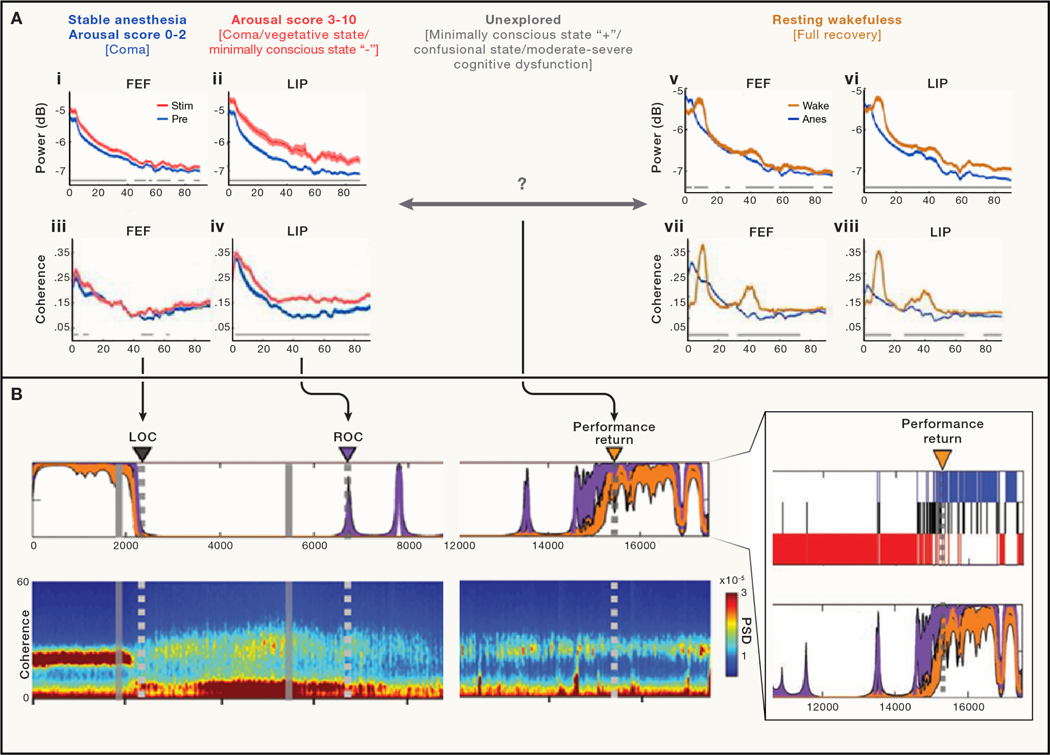
Recovery of consciousness after coma remains one of the most challenging areas for accurate diagnosis and effective therapeutic engagement in the clinical neurosciences. Recovery depends on preservation of neuronal integrity and evolving changes in network function that re-establish environmental responsiveness. It typically occurs in defined steps: it begins with eye opening and unresponsiveness in a vegetative state, then limited recovery of responsiveness characterizes the minimally conscious state, and this is followed by recovery of reliable communication. This review considers several points for novel interventions, for example, in persons with cognitive motor dissociation in whom a hidden cognitive reserve is revealed. Circuit mechanisms underlying restoration of behavioral responsiveness and communication are discussed. An emerging theme is the possibility to rescue latent capacities in partially damaged human networks across time. These opportunities should be exploited for therapeutic engagement to achieve individualized solutions for restoration of communication and environmental interaction across varying levels of recovery.
昏迷后意识的恢复仍然是临床神经科学中进行准确诊断和有效治疗干预的最具挑战性的领域之一。恢复取决于神经元完整性的保持和网络功能的不断变化,这些变化重新建立了对环境的反应能力。它通常以明确的步骤发生:从睁眼和植物状态下的无反应开始,然后是最小意识状态下的反应性有限恢复,接着是可靠沟通的恢复。这篇综述考虑了一些新的干预点,例如在认知运动分离的人身上,隐藏的认知储备被揭示出来。讨论了恢复行为反应性和沟通的电路机制。一个新兴的主题是有可能随着时间的推移挽救部分受损的人类网络中的潜在能力。应该利用这些机会进行治疗干预,以实现个性化的解决方案,恢复不同程度恢复的沟通和环境互动。