Haeder Simon F, Moynihan Donald P
Department of Health Policy & Management, Texas A&M University, 1266 TAMU, 212 Adriance Lab Road, College Station, TX 77843, United States.
McCourt School of Public Policy, Georgetown University, 37th Street NW O Street NW, Old North #100, Washington, DC 20057, United States.
Health Aff Sch. 2023 Jun 20;1(1):qxad001. doi: 10.1093/haschl/qxad001. eCollection 2023 Jul.
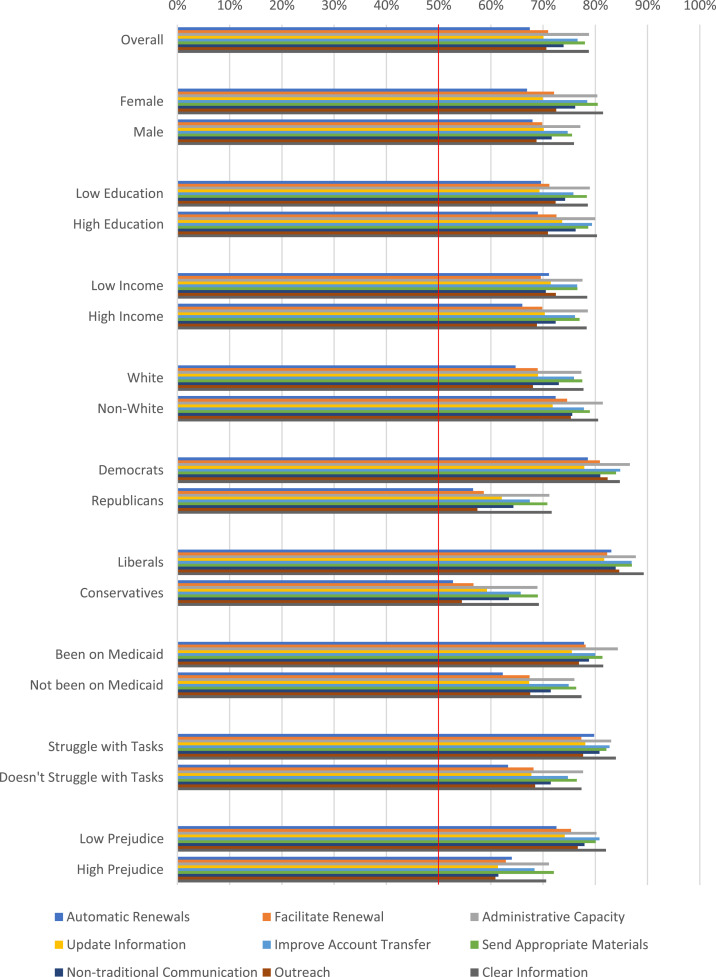
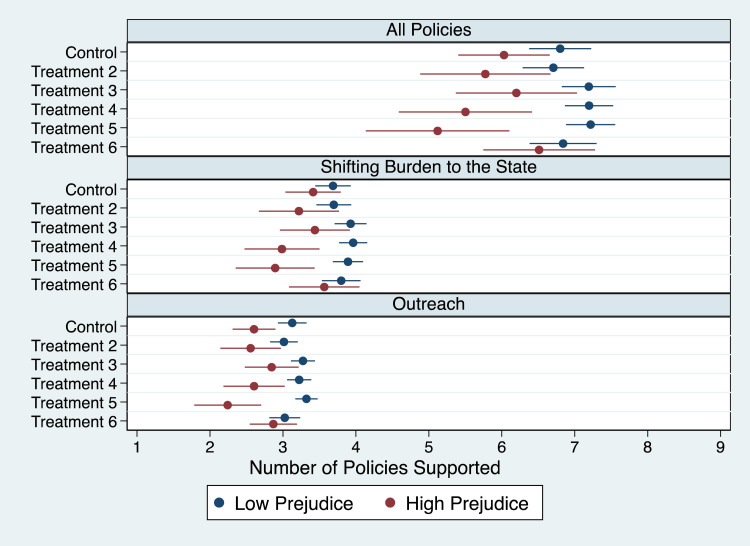
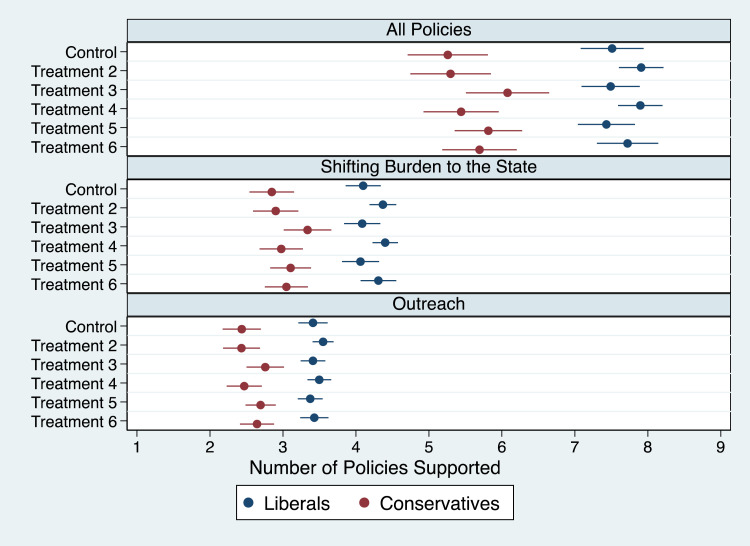
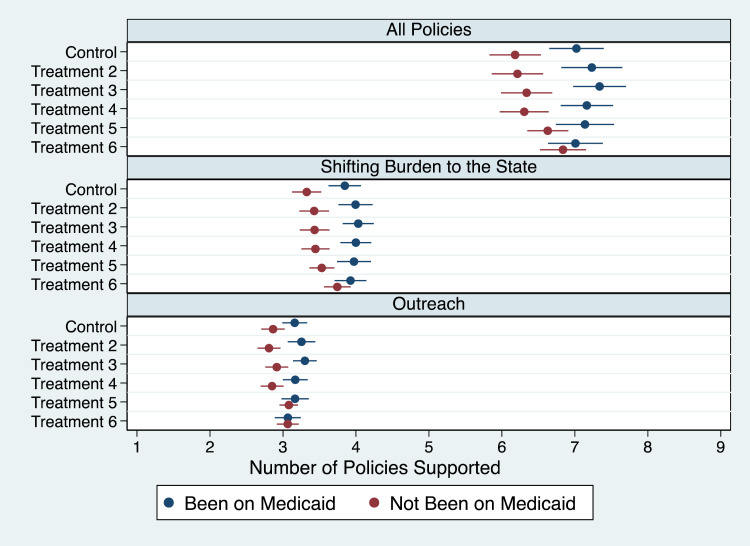
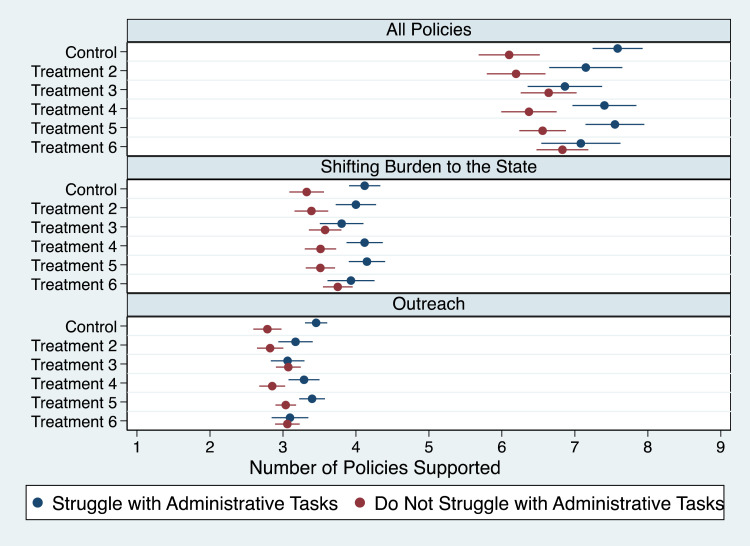
During the coronavirus disease 2019 (COVID-19) public health emergency (PHE), states were barred from disenrolling anyone from Medicaid unless the beneficiary asked to be disenrolled, moved out of state, or died. Coverage increased, but as the PHE ends an estimated 7 million eligible Americans are expected to lose insurance due to difficulty navigating the renewal process. The end of the PHE therefore offers state policymakers a chance to reassess the value of such administrative burdens as a variety of policy tools are available to mitigate these losses. We inform this discussion via a national survey that captures public preferences around administrative burdens in public health insurance. We find strong public support for burden-reduction techniques that minimize coverage losses such as using administrative data to shift burdens onto the state and better outreach and communication, with an average of 74% of respondents supporting each policy tool. This support holds across the ideological spectrum and demographic groups, but it is stronger among liberals than conservatives, for those with more direct experience of burdens, those who struggle with such burdens, and for those with lower racial prejudice.
在2019年冠状病毒病(COVID-19)公共卫生紧急事件(PHE)期间,各州被禁止将任何医疗补助计划参保人除名,除非受益人主动要求除名、搬离该州或死亡。医保覆盖范围有所扩大,但随着公共卫生紧急事件结束,预计约700万符合条件的美国人将因难以完成续保流程而失去保险。因此,公共卫生紧急事件的结束为州政策制定者提供了一个机会,可重新评估此类行政负担的价值,因为有多种政策工具可用于减轻这些损失。我们通过一项全国性调查为这一讨论提供信息,该调查收集了公众对公共医疗保险行政负担的偏好。我们发现,公众大力支持采用减轻负担的方法,尽量减少医保覆盖范围的损失,比如利用行政数据将负担转至州政府,并加强宣传和沟通,平均74%的受访者支持每项政策工具。这种支持在各种意识形态群体和人口群体中都存在,但在自由主义者中比保守主义者中更强,在那些有更直接负担经历的人、那些与这些负担作斗争的人以及那些种族偏见较低的人中也更强。