Sato Sumire D, Shah Valay A, Fettrow Tyler, Hall Kristina G, Tays Grant D, Cenko Erta, Roy Arkaprava, Clark David J, Ferris Daniel P, Hass Chris J, Manini Todd M, Seidler Rachael D
Department of Applied Kinesiology and Physiology, University of Florida, Gainesville, FL, USA.
NASA Langley Research Center, Hampton, VA, USA.
bioRxiv. 2025 Feb 6:2024.05.07.592861. doi: 10.1101/2024.05.07.592861.
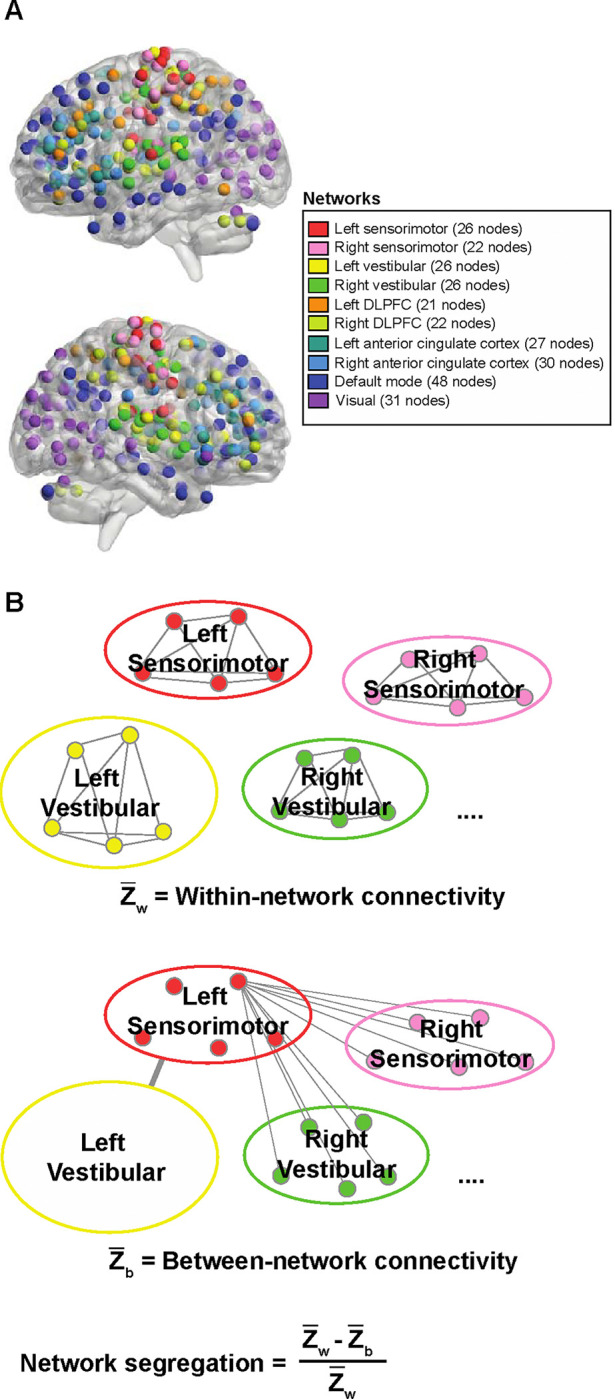
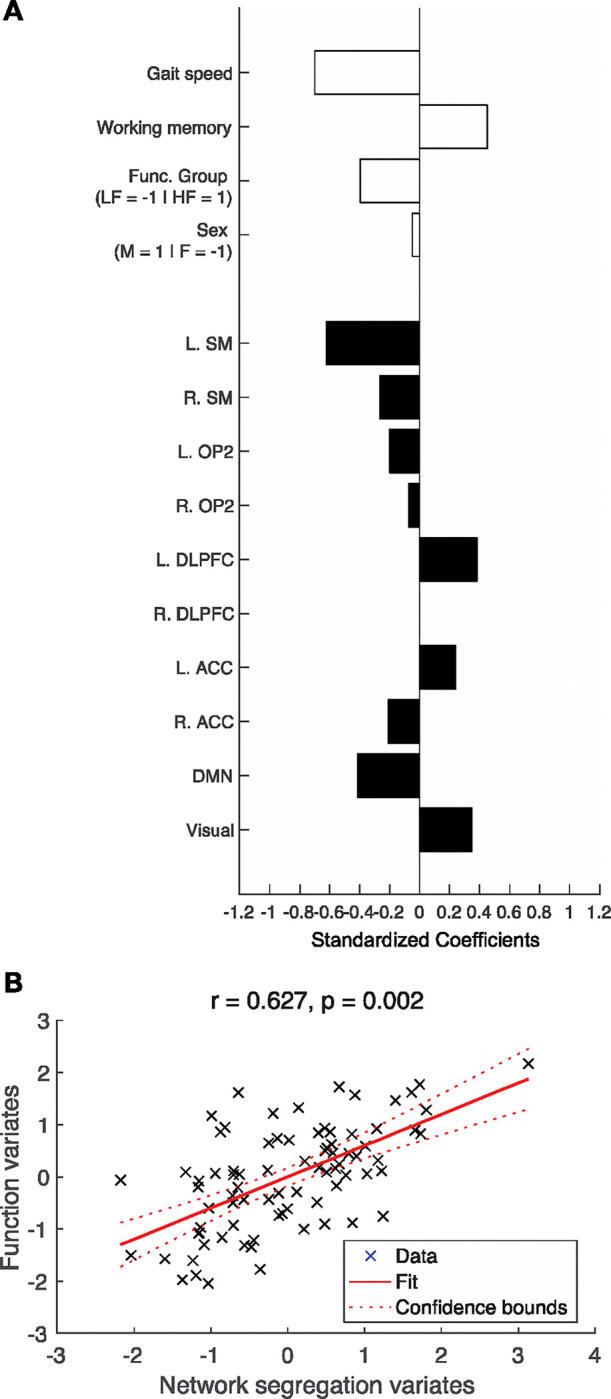
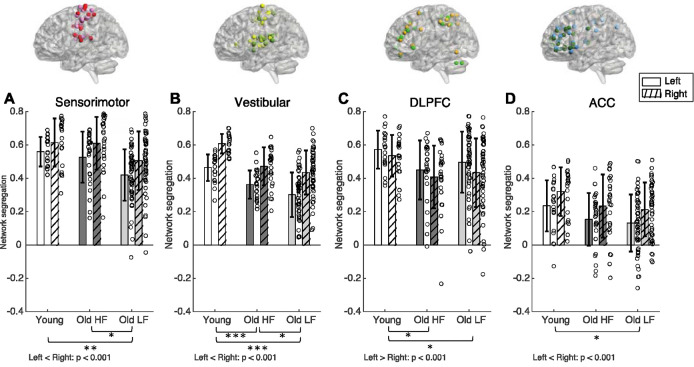
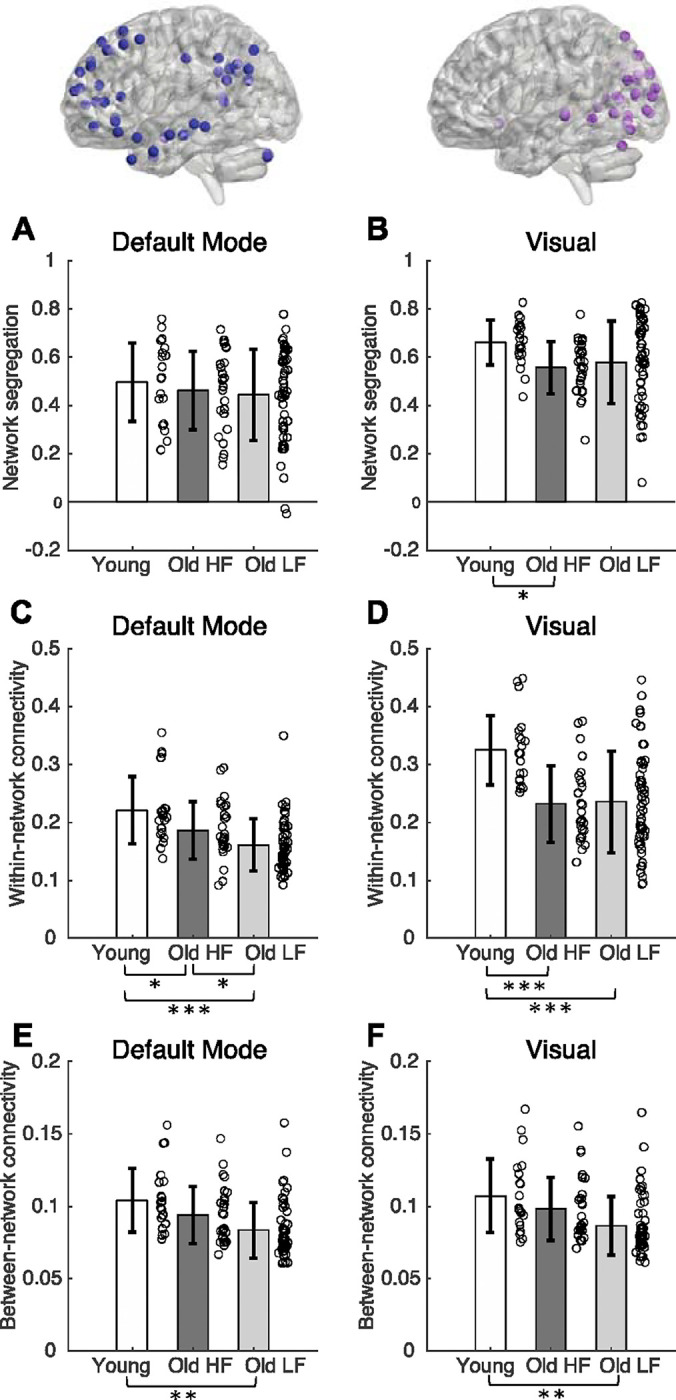
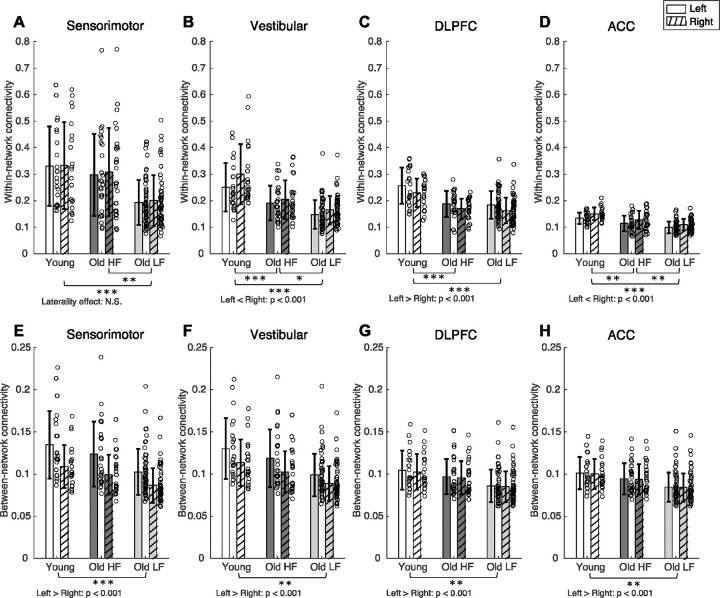
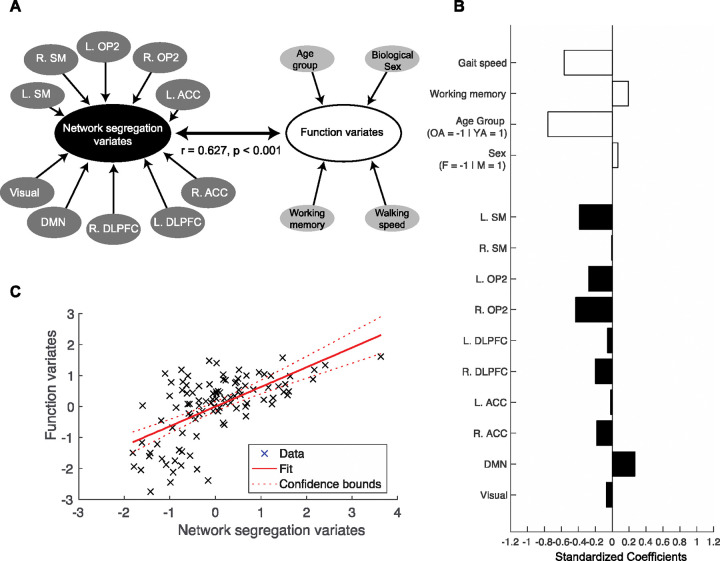
Older adults exhibit larger individual differences in walking ability and cognitive function than young adults. Characterizing intrinsic brain connectivity differences in older adults across a wide walking performance spectrum may provide insight into the mechanisms of functional decline in some older adults and resilience in others. Thus, the objectives of this study were to: (1) determine whether young adults and high- and low-functioning older adults show group differences in brain network segregation, and (2) determine whether network segregation is associated with working memory and walking function in these groups. The analysis included 21 young adults and 81 older adults. Older adults were further categorized according to their physical function using a standardized assessment; 54 older adults had low physical function while 27 were considered high functioning. Structural and functional resting state magnetic resonance images were collected using a Siemens Prisma 3T scanner. Working memory was assessed with the NIH Toolbox list sorting test. Walking speed was assessed with a 400 m-walk test at participants' self-selected speed. We found that network segregation in mobility-related networks (sensorimotor, vestibular) was higher in older adults with higher physical function compared to older adults with lower physical function. There were no group differences in laterality effects on network segregation. We found multivariate associations between working memory and walking speed with network segregation scores. The interaction of left sensorimotor network segregation and age groups was associated with higher working memory function. Higher left sensorimotor, left vestibular, right anterior cingulate cortex, and interaction of left anterior cingulate cortex network segregation and age groups were associated with faster walking speed. These results are unique and significant because they demonstrate higher network segregation is largely related to higher physical function and not age alone.
与年轻人相比,老年人在步行能力和认知功能方面表现出更大的个体差异。描绘不同步行表现水平的老年人内在脑连接差异,可能有助于深入了解一些老年人功能衰退和另一些老年人恢复力的机制。因此,本研究的目的是:(1)确定年轻人以及功能高和低的老年人在脑网络分离方面是否存在组间差异,以及(2)确定这些组中的网络分离是否与工作记忆和步行功能相关。分析纳入了21名年轻人和81名老年人。使用标准化评估根据身体功能将老年人进一步分类;54名老年人身体功能低,而27名被认为功能高。使用西门子Prisma 3T扫描仪采集结构和功能静息态磁共振图像。使用美国国立卫生研究院工具箱列表排序测试评估工作记忆。以参与者自行选择的速度进行400米步行测试来评估步行速度。我们发现,与身体功能较低的老年人相比,身体功能较高的老年人在与运动相关的网络(感觉运动、前庭)中的网络分离更高。在网络分离的偏侧性效应方面没有组间差异。我们发现工作记忆和步行速度与网络分离分数之间存在多变量关联。左感觉运动网络分离与年龄组的相互作用与更高的工作记忆功能相关。更高的左感觉运动、左前庭、右前扣带回皮层,以及左前扣带回皮层网络分离与年龄组的相互作用与更快的步行速度相关。这些结果是独特且重要的,因为它们表明更高的网络分离在很大程度上与更高的身体功能相关,而不仅仅与年龄有关。