Faculty of Biology, Technion Institute of Technology, Haifa, Israel.
University of Colorado , Boulder, CO, USA.
J Cell Biol. 2024 Aug 5;223(8). doi: 10.1083/jcb.202402046. Epub 2024 May 20.
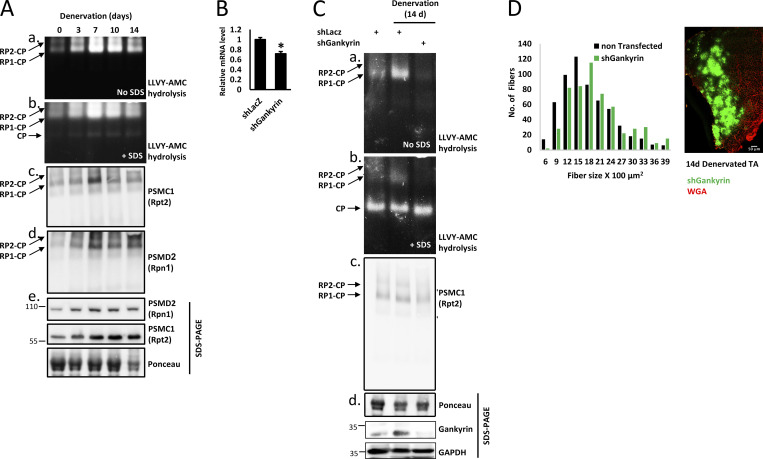
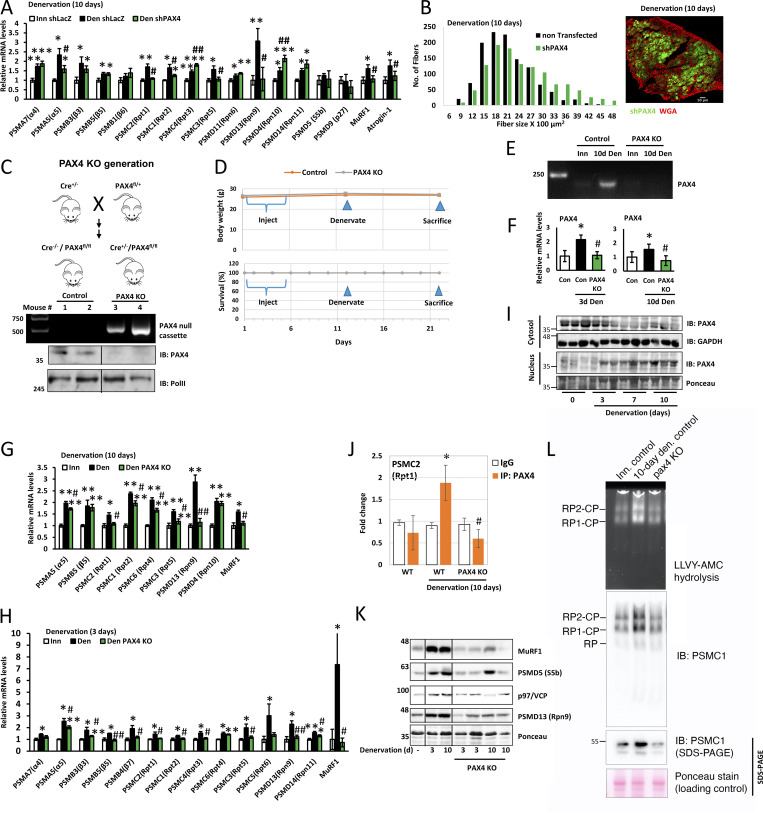
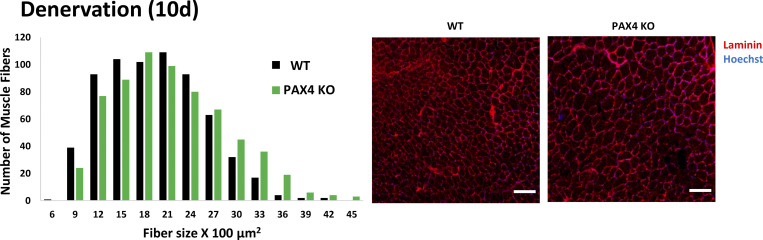
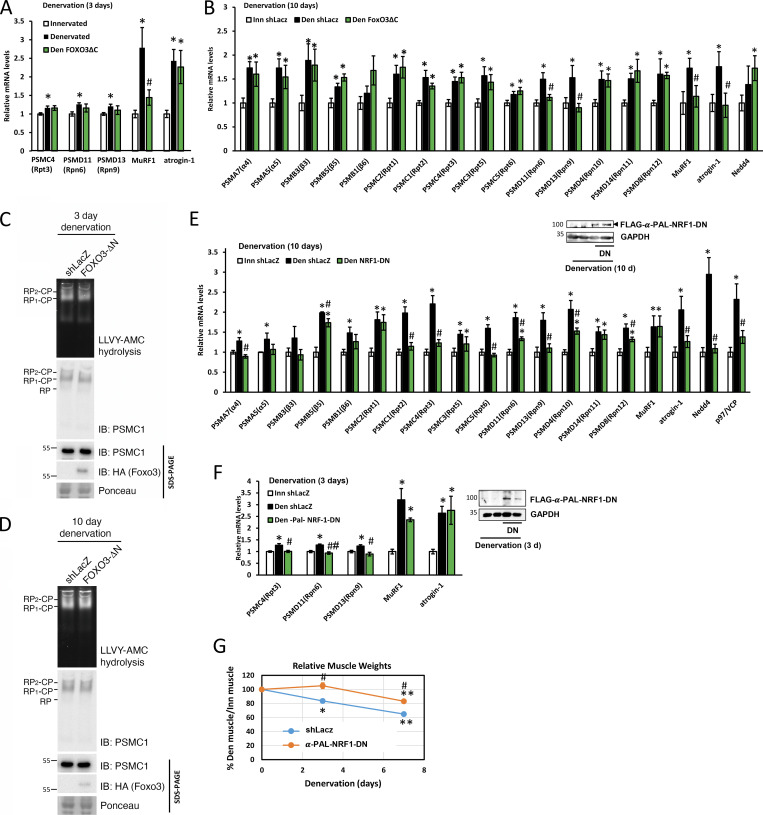
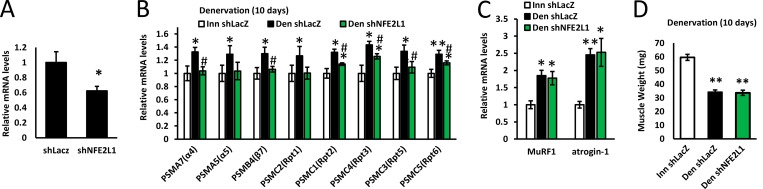
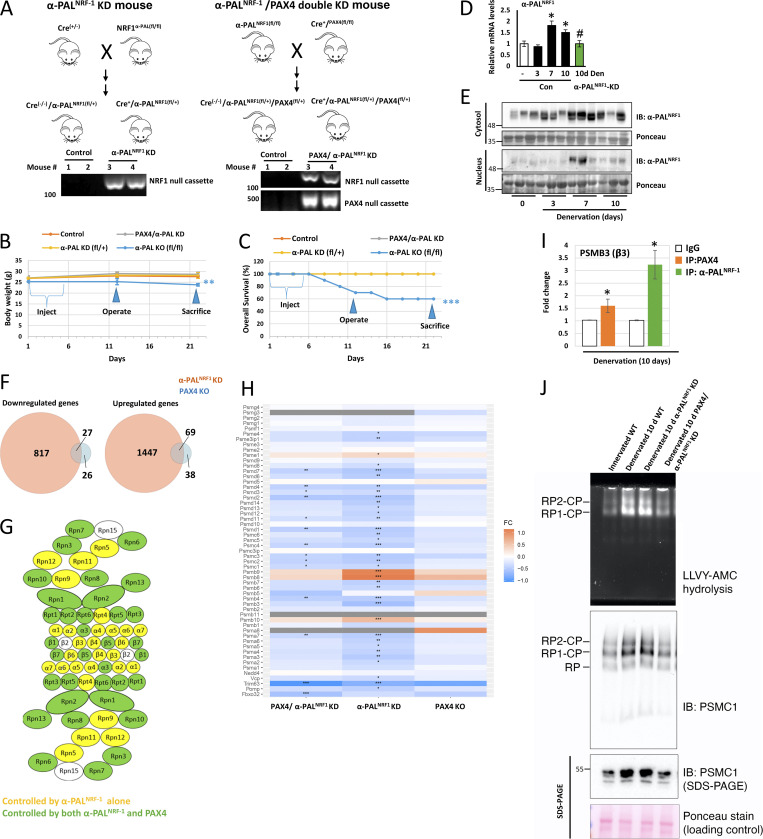
Proteasome activity is crucial for cellular integrity, but how tissues adjust proteasome content in response to catabolic stimuli is uncertain. Here, we demonstrate that transcriptional coordination by multiple transcription factors is required to increase proteasome content and activate proteolysis in catabolic states. Using denervated mouse muscle as a model system for accelerated proteolysis in vivo, we reveal that a two-phase transcriptional program activates genes encoding proteasome subunits and assembly chaperones to boost an increase in proteasome content. Initially, gene induction is necessary to maintain basal proteasome levels, and in a more delayed phase (7-10 days after denervation), it stimulates proteasome assembly to meet cellular demand for excessive proteolysis. Intriguingly, the transcription factors PAX4 and α-PALNRF-1 control the expression of proteasome among other genes in a combinatorial manner, driving cellular adaptation to muscle denervation. Consequently, PAX4 and α-PALNRF-1 represent new therapeutic targets to inhibit proteolysis in catabolic diseases (e.g., type-2 diabetes, cancer).
蛋白酶体活性对于细胞完整性至关重要,但组织如何响应分解代谢刺激来调整蛋白酶体含量尚不清楚。在这里,我们证明了多个转录因子的转录协调对于增加蛋白酶体含量和激活分解代谢状态下的蛋白水解是必需的。我们使用去神经的小鼠肌肉作为体内加速蛋白水解的模型系统,揭示了一个两阶段的转录程序激活了编码蛋白酶体亚基和组装伴侣的基因,以促进蛋白酶体含量的增加。最初,基因诱导对于维持基础蛋白酶体水平是必要的,而在更延迟的阶段(去神经后 7-10 天),它刺激蛋白酶体组装以满足细胞对过度蛋白水解的需求。有趣的是,转录因子 PAX4 和 α-PALNRF-1 以组合方式控制除其他基因外的蛋白酶体表达,驱动细胞适应肌肉去神经。因此,PAX4 和 α-PALNRF-1 代表了抑制分解代谢疾病(例如 2 型糖尿病、癌症)中蛋白水解的新治疗靶点。