Jerez Horacio Emanuel, Simioni Yamila Roxana, Ghosal Kajal, Morilla Maria Jose, Romero Eder Lilia
Nanomedicine Research and Development Centre (NARD), Science and Technology Department, National University of Quilmes, Roque Sáenz Peña 352, Bernal, Buenos Aires, Argentina.
Department of Pharmaceutical Technology, Jadavpur University, 188, Raja Subodh Chandra Mallick Rd., Jadavpur, Kolkata 700032, West Bengal, India.
Beilstein J Nanotechnol. 2024 May 13;15:517-534. doi: 10.3762/bjnano.15.46. eCollection 2024.
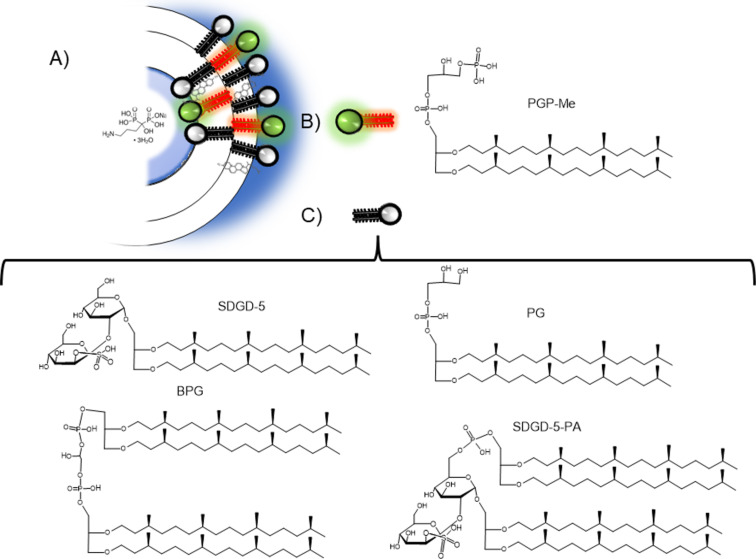
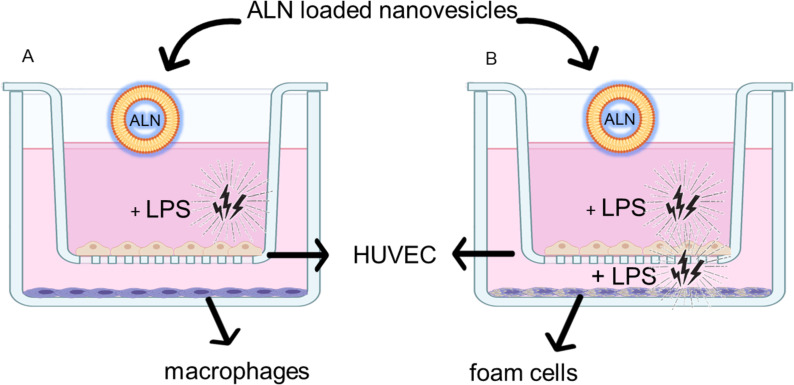
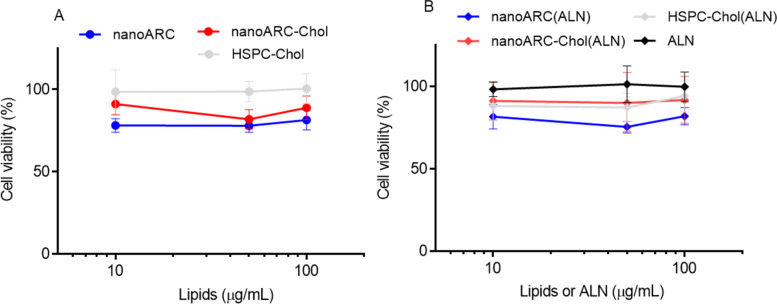
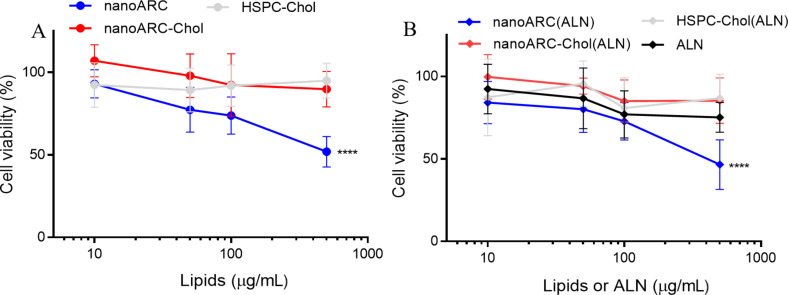
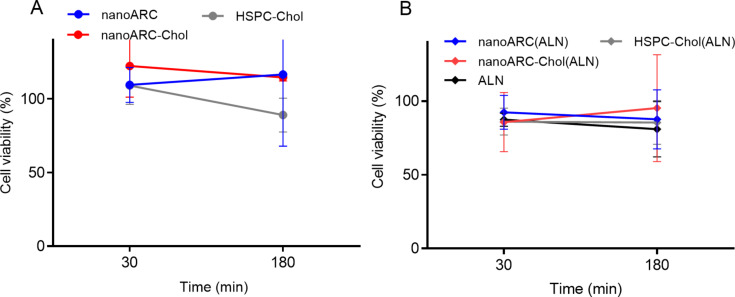
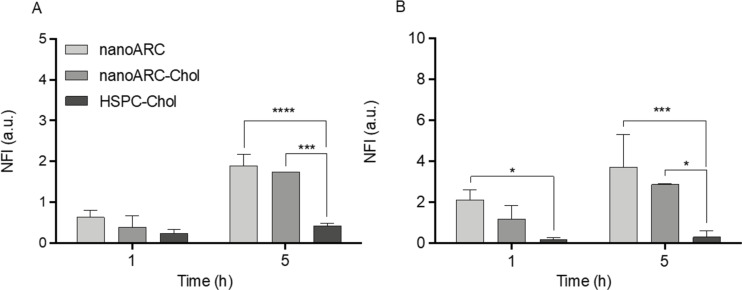
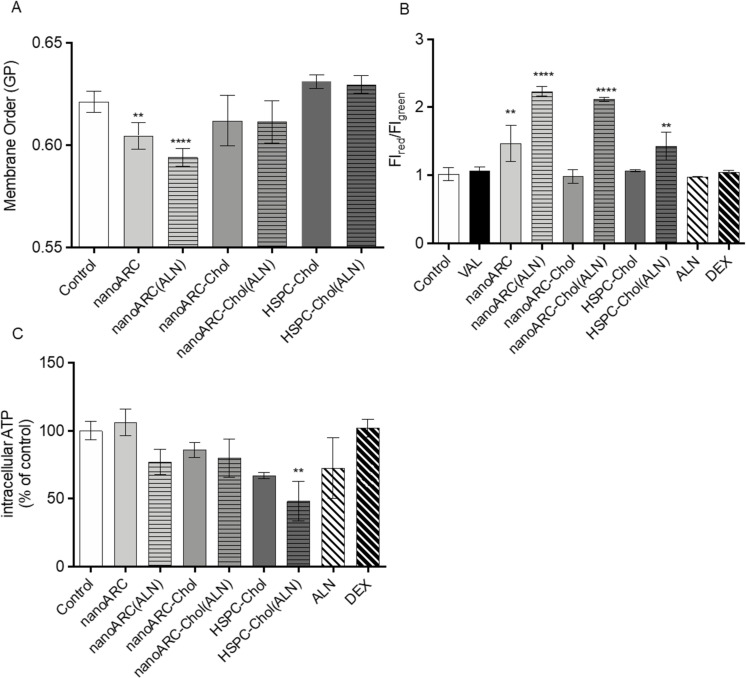
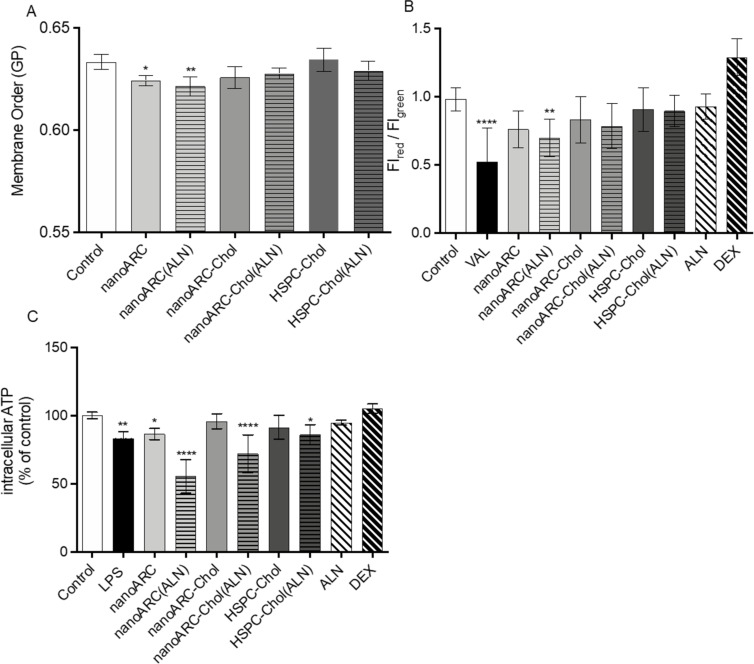
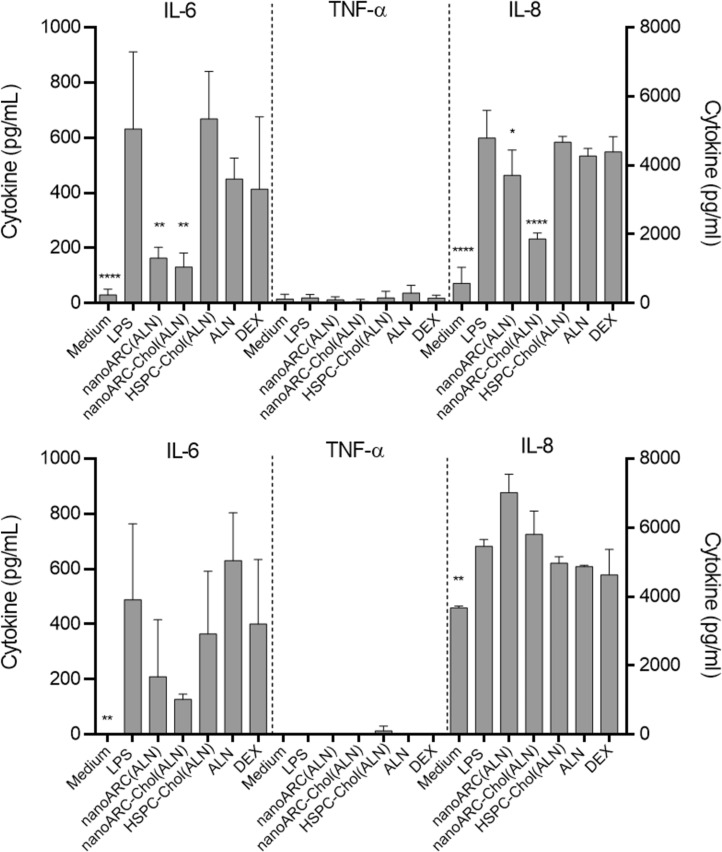
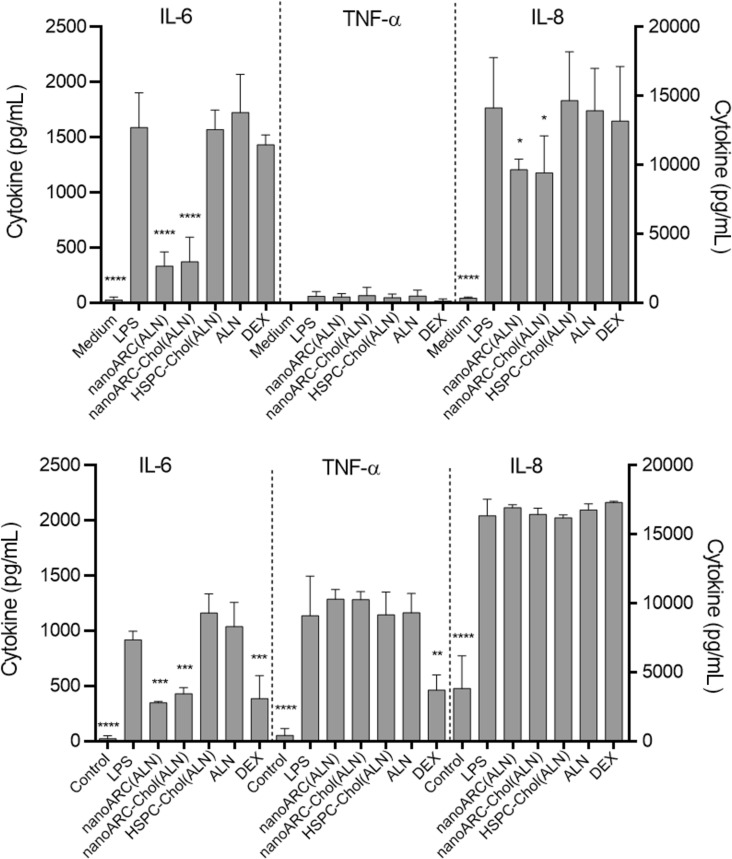
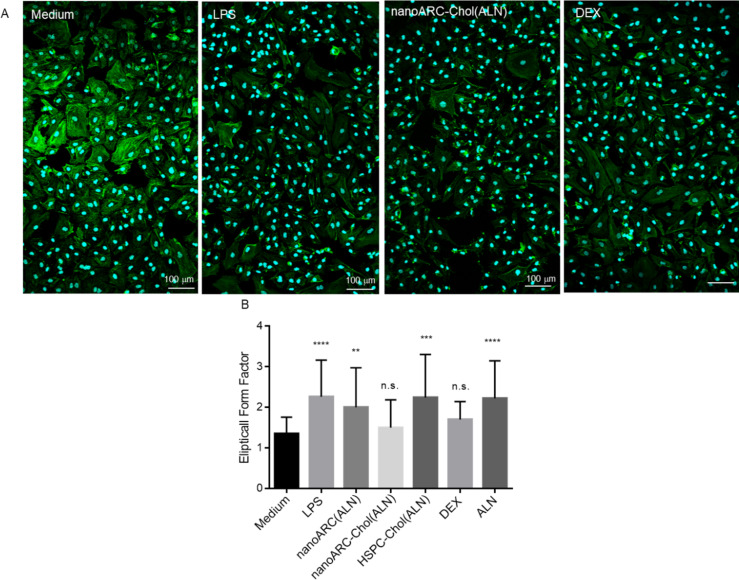
Sodium alendronate (ALN) is a very hydrosoluble and poorly permeable molecule used as an antiresorptive agent and with vascular anticalcifying capacity. Loaded into targeted nanovesicles, its anti-inflammatory activity may be amplified towards extra-osseous and noncalcified target cells, such as severely irritated vascular endothelium. Here cytotoxicity, mitochondrial membrane potential, ATP content, and membrane fluidity of human endothelial venous cells (HUVECs) were determined after endocytosis of ALN-loaded nanoarchaeosomes (nanoARC-Chol(ALN), made of polar lipids from : cholesterol 7:3 w/w, 166 ± 5 nm, 0.16 ± 0.02 PDI, -40.8 ± 5.4 mV potential, 84.7 ± 21 µg/mg ALN/total lipids, TL). The effect of nanoARC-Chol(ALN) was further assessed on severely inflamed HUVECs. To that aim, HUVECs were grown on a porous barrier on top of a basal compartment seeded either with macrophages or human foam cells. One lighter and one more pronounced inflammatory context was modelled by adding lipopolysaccharide (LPS) to the apical or the apical and basal compartments. The endocytosis of nanoARC-Chol(ALN), was observed to partly reduce the endothelial-mesenchymal transition of HUVECs. Besides, while 10 mg/mL dexamethasone, 7.6 mM free ALN and ALN-loaded liposomes failed, 50 μg/mL TL + 2.5 μg/mL ALN (i.e., nanoARC-Chol(ALN)) reduced the IL-6 and IL-8 levels by, respectively, 75% and 65% in the mild and by, respectively, 60% and 40% in the pronounced inflammation model. This is the first report showing that the endocytosis of nanoARC-Chol(ALN) by HUVECs magnifies the anti-inflammatory activity of ALN even under conditions of intense irritation, not only surpassing that of free ALN but also that of dexamethasone.
阿仑膦酸钠(ALN)是一种水溶性很强但渗透性很差的分子,用作抗吸收剂并具有血管抗钙化能力。将其装载到靶向纳米囊泡中,其抗炎活性可能会增强,作用于骨外和未钙化的靶细胞,如严重受刺激的血管内皮细胞。在此,测定了人内皮静脉细胞(HUVECs)在摄取负载阿仑膦酸钠的纳米古囊体(nanoARC-Chol(ALN),由极性脂质制成:胆固醇7:3 w/w,166±5 nm,0.16±0.02 PDI,-40.8±5.4 mV电位,84.7±21 µg/mg ALN/总脂质,TL)后的细胞毒性、线粒体膜电位、ATP含量和膜流动性。进一步评估了nanoARC-Chol(ALN)对严重炎症的HUVECs的影响。为此,将HUVECs培养在多孔屏障上,该屏障位于接种有巨噬细胞或人泡沫细胞的基底隔室上方。通过向顶端或顶端和基底隔室添加脂多糖(LPS)来模拟一种较轻和一种更明显的炎症环境。观察到nanoARC-Chol(ALN)的内吞作用部分减少了HUVECs的内皮-间充质转化。此外,虽然10 mg/mL地塞米松、7.6 mM游离ALN和负载ALN的脂质体均无效,但50 μg/mL TL + 2.5 μg/mL ALN(即nanoARC-Chol(ALN))在轻度炎症模型中分别将IL-6和IL-8水平降低了75%和65%,在明显炎症模型中分别降低了60%和40%。这是第一份报告表明HUVECs对nanoARC-Chol(ALN)的内吞作用即使在强烈刺激条件下也能放大ALN的抗炎活性,不仅超过游离ALN,还超过地塞米松。