Neurobiology and Genetics, Biocentre, University of Würzburg, Würzburg, Germany.
J Comp Physiol A Neuroethol Sens Neural Behav Physiol. 2024 Jul;210(4):481-493. doi: 10.1007/s00359-024-01704-7. Epub 2024 May 28.
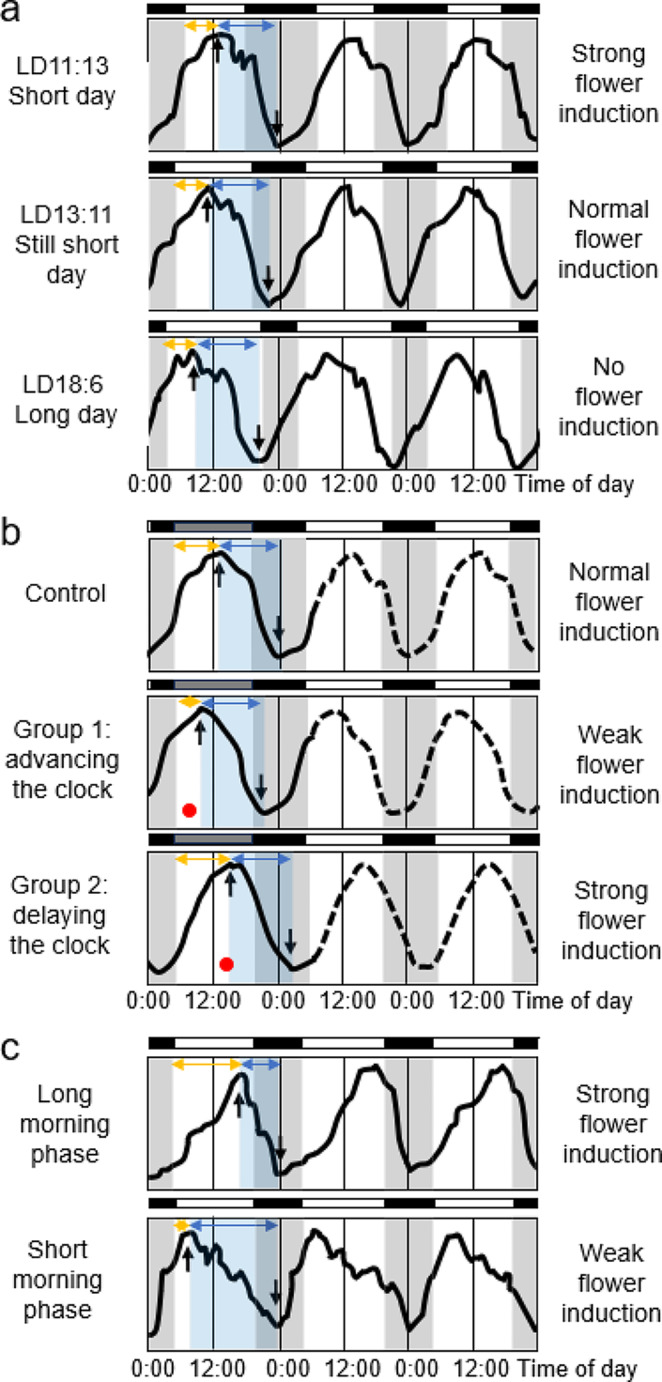
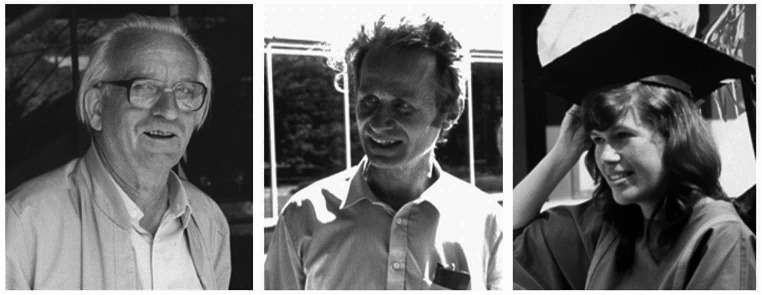
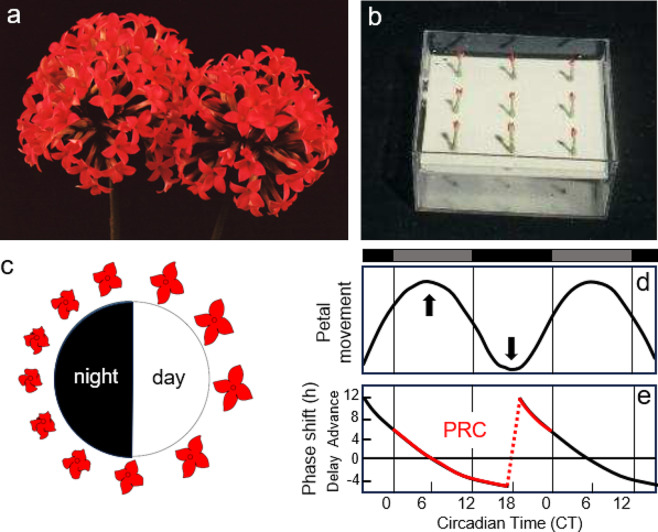
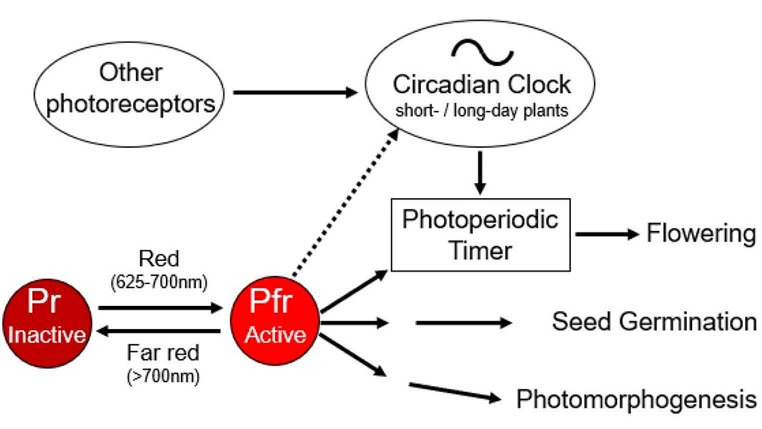
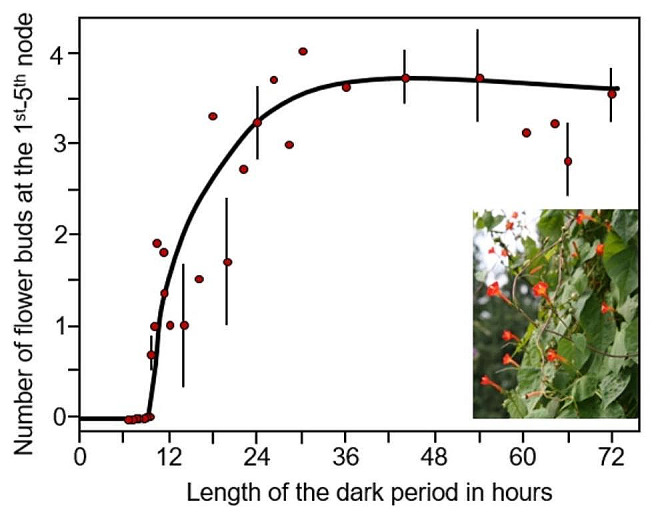
In 1936, Erwin Bünning published his groundbreaking work that the endogenous clock is used to measure day length for initiating photoperiodic responses. His publication triggered years of controversial debate until it ultimately became the basic axiom of rhythm research and the theoretical pillar of chronobiology. Bünning's thesis is frequently quoted in the articles in this special issue on the subject of "A clock for all seasons". However, nowadays only few people know in detail about Bünning's experiments and almost nobody knows about the contribution of his former doctoral student, Wolfgang Engelmann, to his theory because most work on this topic is published in German. The aim of this review is to give an overview of the most important experiments at that time, including Wolfgang Engelmann's doctoral thesis, in which he demonstrated the importance of the circadian clock for photoperiodic flower induction in the Flaming Katy, Kalanchoë blossfeldiana, but not in the Red Morning Glory, Ipomoea coccinea.
1936 年,Erwin Bünning 发表了具有开创性的工作,即内源性时钟用于测量日长以引发光周期反应。他的出版物引发了多年的争议性辩论,直到最终成为节律研究的基本公理和生物钟学的理论支柱。本专题中关于“四季时钟”主题的文章经常引用 Bünning 的论文。然而,如今只有少数人详细了解 Bünning 的实验,几乎没有人知道他的前博士生 Wolfgang Engelmann 对他的理论的贡献,因为该主题的大部分工作都是用德语发表的。本文的目的是概述当时最重要的实验,包括 Wolfgang Engelmann 的博士论文,该论文证明了生物钟对 Flaming Katy(Kalanchoë blossfeldiana)光周期花诱导的重要性,但对 Red Morning Glory(Ipomoea coccinea)则没有。