• 文献检索
  • 文档翻译
  • 深度研究
  • 学术资讯
  • Suppr Zotero 插件Zotero 插件
  • 邀请有礼
  • 套餐&价格
  • 历史记录
应用&插件
Suppr Zotero 插件Zotero 插件浏览器插件Mac 客户端Windows 客户端微信小程序
定价
高级版会员购买积分包购买API积分包
服务
文献检索文档翻译深度研究API 文档MCP 服务
关于我们
关于 Suppr公司介绍联系我们用户协议隐私条款
关注我们

Suppr 超能文献

核心技术专利:CN118964589B侵权必究
粤ICP备2023148730 号-1Suppr @ 2026

文献检索

告别复杂PubMed语法,用中文像聊天一样搜索,搜遍4000万医学文献。AI智能推荐,让科研检索更轻松。

立即免费搜索

文件翻译

保留排版,准确专业,支持PDF/Word/PPT等文件格式,支持 12+语言互译。

免费翻译文档

深度研究

AI帮你快速写综述,25分钟生成高质量综述,智能提取关键信息,辅助科研写作。

立即免费体验

单细胞 RNA 测序揭示了脑出血后血肿周围水肿进展过程中免疫景观的演变。

Single-cell RNA sequencing reveals the evolution of the immune landscape during perihematomal edema progression after intracerebral hemorrhage.

机构信息

Department of Clinical Medicine, Jining Medical University, Jining, China.

Department of Emergency Stroke, Affiliated Hospital of Jining Medical University, Jining, China.

出版信息

J Neuroinflammation. 2024 May 28;21(1):140. doi: 10.1186/s12974-024-03113-8.

DOI:10.1186/s12974-024-03113-8
PMID:38807233
原文链接:https://pmc.ncbi.nlm.nih.gov/articles/PMC11131315/
Abstract

BACKGROUND

Perihematomal edema (PHE) after post-intracerebral hemorrhage (ICH) has complex pathophysiological mechanisms that are poorly understood. The complicated immune response in the post-ICH brain constitutes a crucial component of PHE pathophysiology. In this study, we aimed to characterize the transcriptional profiles of immune cell populations in human PHE tissue and explore the microscopic differences between different types of immune cells.

METHODS

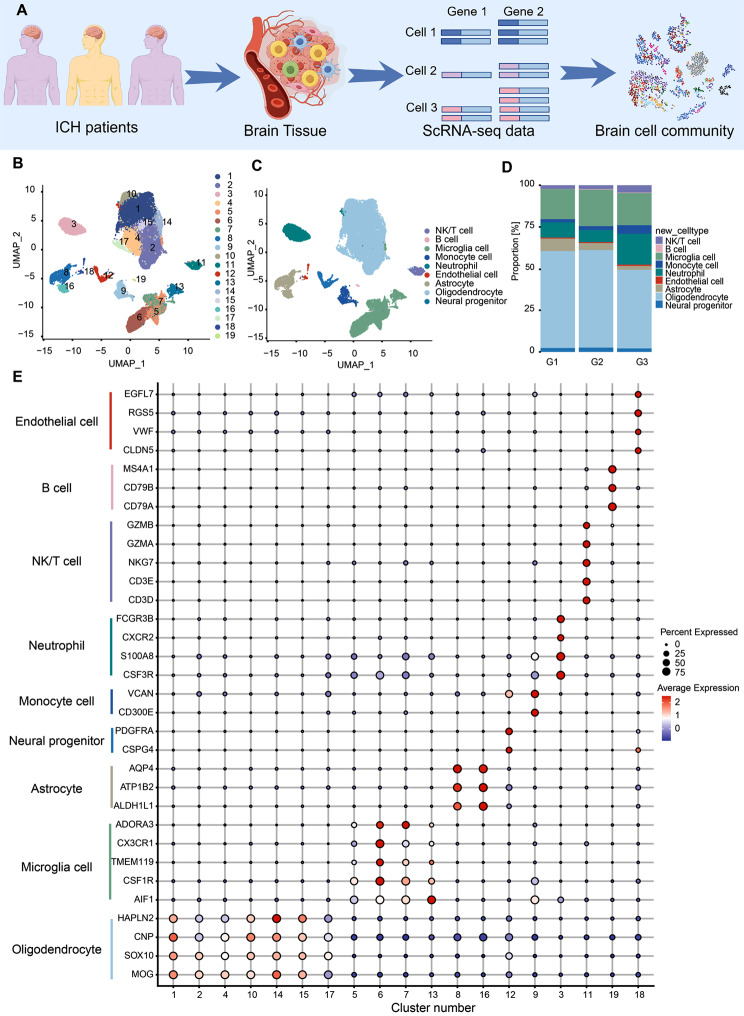
9 patients with basal ganglia intracerebral hemorrhage (hematoma volume 50-100 ml) were enrolled in this study. A multi-stage profile was developed, comprising Group1 (n = 3, 0-6 h post-ICH, G1), Group2 (n = 3, 6-24 h post-ICH, G2), and Group3 (n = 3, 24-48 h post-ICH, G3). A minimal quantity of edematous tissue surrounding the hematoma was preserved during hematoma evacuation. Single cell RNA sequencing (scRNA-seq) was used to map immune cell populations within comprehensively resected PHE samples collected from patients at different stages after ICH.

RESULTS

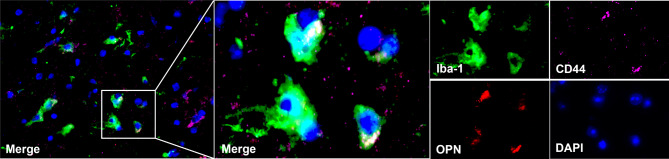
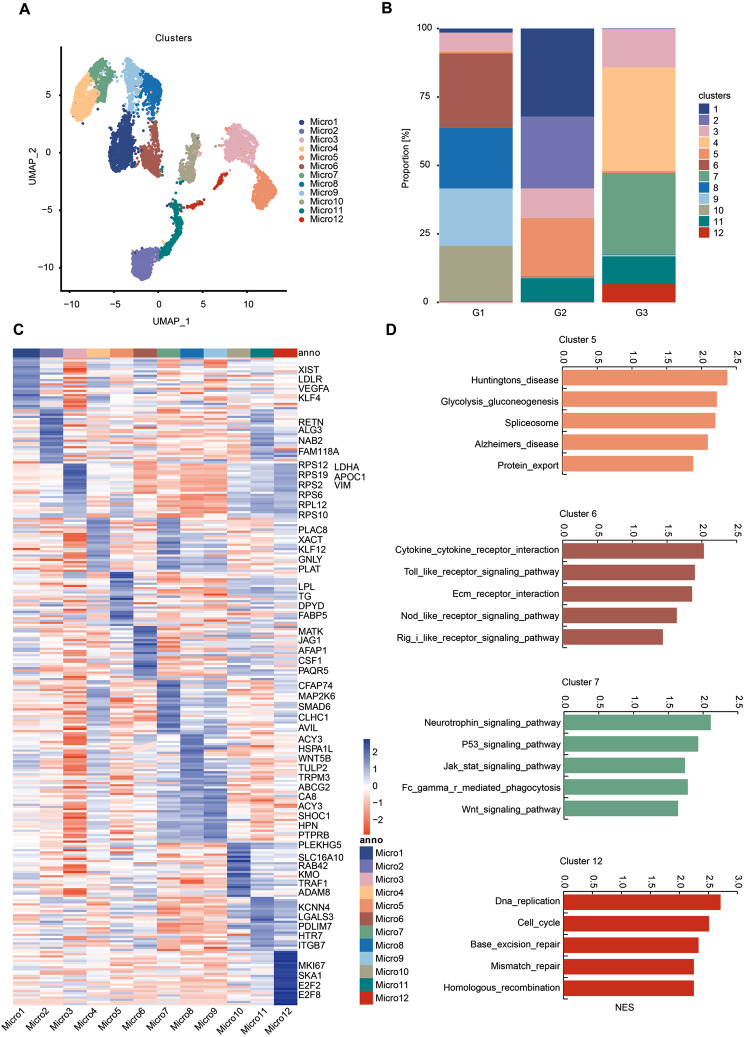
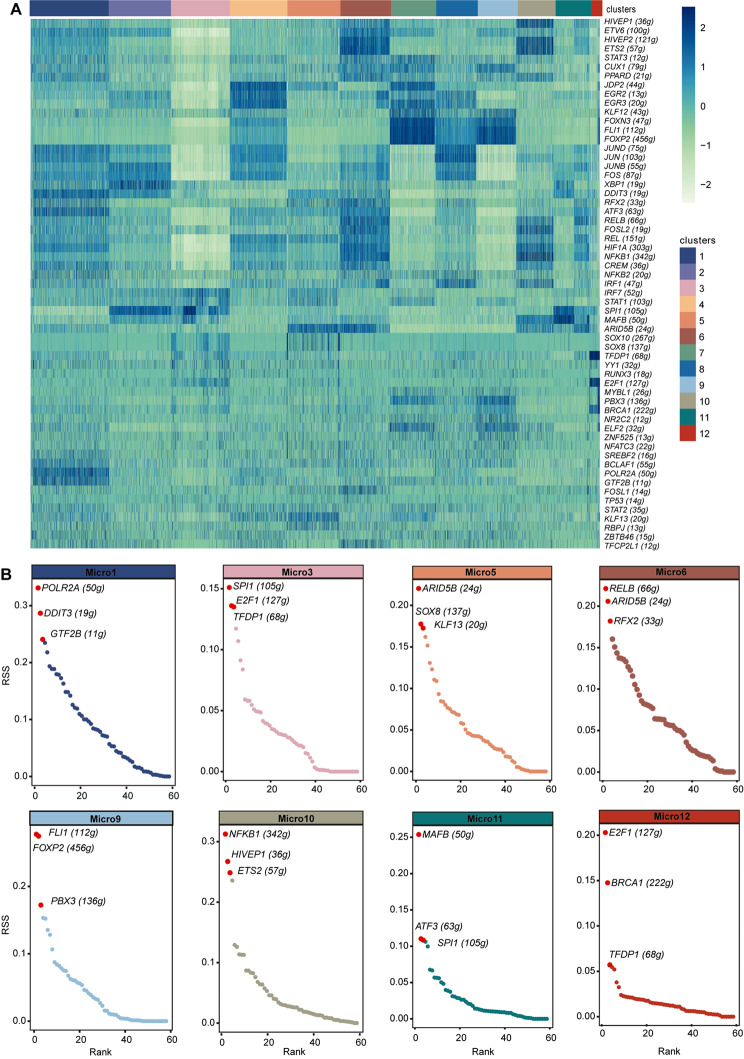
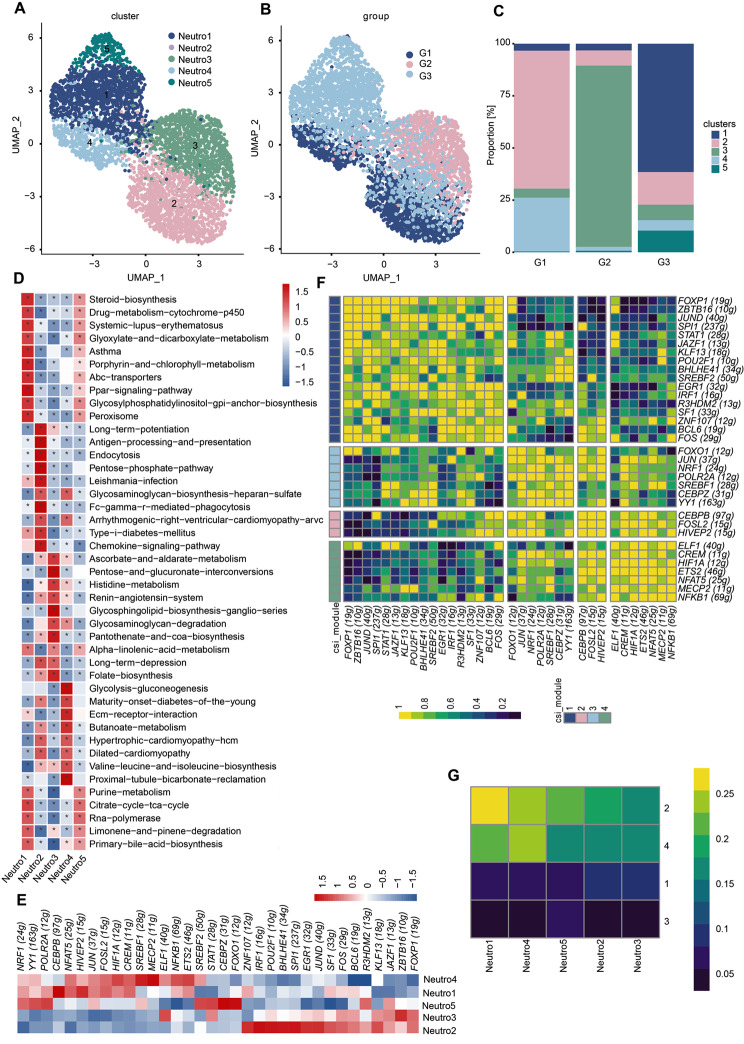
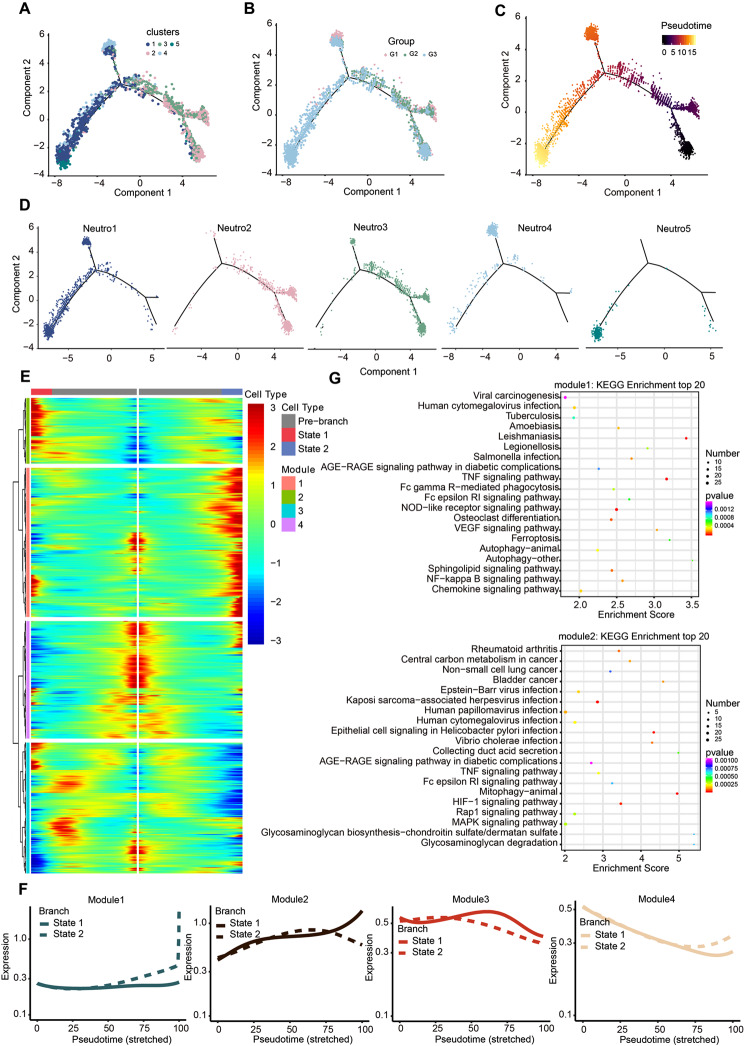
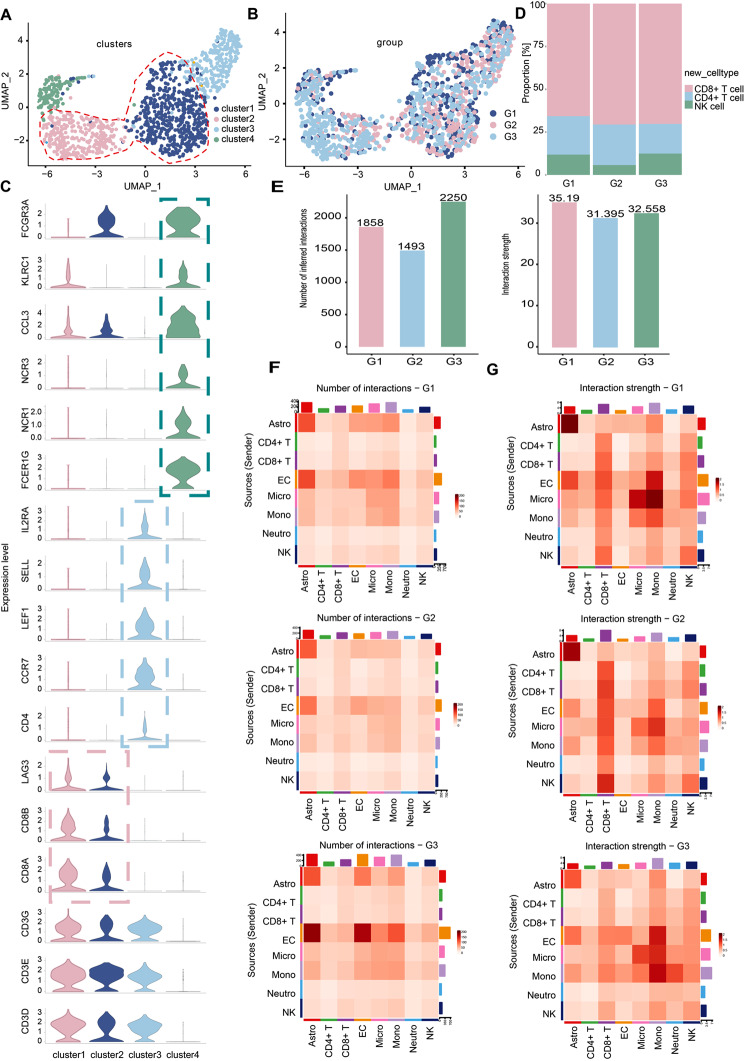
We established, for the first time, a comprehensive landscape of diverse immune cell populations in human PHE tissue at a single-cell level. Our study identified 12 microglia subsets and 5 neutrophil subsets in human PHE tissue. What's more, we discovered that the secreted phosphoprotein-1 (SPP1) pathway served as the basis for self-communication between microglia subclusters during the progression of PHE. Additionally, we traced the trajectory branches of different neutrophil subtypes. Finally, we also demonstrated that microglia-produced osteopontin (OPN) could regulate the immune environment in PHE tissue by interacting with CD44-positive cells.

CONCLUSIONS

As a result of our research, we have gained valuable insight into the immune-microenvironment within PHE tissue, which could potentially be used to develop novel treatment modalities for ICH.

摘要

背景

脑出血(ICH)后出现的血肿周围水肿(PHE)具有复杂的病理生理学机制,目前尚未完全阐明。ICH 后脑内复杂的免疫反应是 PHE 病理生理学的重要组成部分。在这项研究中,我们旨在描述人类 PHE 组织中免疫细胞群体的转录谱,并探索不同类型免疫细胞之间的微观差异。

方法

本研究纳入了 9 名基底节脑出血(血肿量 50-100ml)患者。采用多阶段方案,包括第 1 组(n=3,ICH 后 0-6 小时,G1)、第 2 组(n=3,ICH 后 6-24 小时,G2)和第 3 组(n=3,ICH 后 24-48 小时,G3)。在血肿清除过程中,保留了血肿周围少量水肿组织。使用单细胞 RNA 测序(scRNA-seq)对从不同 ICH 后阶段的患者中全面切除的 PHE 样本中免疫细胞群体进行了图谱绘制。

结果

我们首次在单细胞水平上建立了人类 PHE 组织中多种免疫细胞群体的全面图谱。我们的研究在人类 PHE 组织中鉴定出 12 个小胶质细胞亚群和 5 个中性粒细胞亚群。此外,我们发现 SPP1 途径是 PHE 进展中小胶质细胞亚群之间自我通讯的基础。另外,我们追踪了不同中性粒细胞亚型的轨迹分支。最后,我们还证明了小胶质细胞产生的骨桥蛋白(OPN)可以通过与 CD44 阳性细胞相互作用来调节 PHE 组织中的免疫环境。

结论

通过我们的研究,我们深入了解了 PHE 组织中的免疫微环境,这可能为 ICH 的治疗提供新的方法。
https://cdn.ncbi.nlm.nih.gov/pmc/blobs/c147/11131315/bc036ff700fc/12974_2024_3113_Fig10_HTML.jpg
https://cdn.ncbi.nlm.nih.gov/pmc/blobs/c147/11131315/270eff4bb704/12974_2024_3113_Fig1_HTML.jpg
https://cdn.ncbi.nlm.nih.gov/pmc/blobs/c147/11131315/4c4f2fec1b2c/12974_2024_3113_Fig2_HTML.jpg
https://cdn.ncbi.nlm.nih.gov/pmc/blobs/c147/11131315/a937f22efda6/12974_2024_3113_Fig3_HTML.jpg
https://cdn.ncbi.nlm.nih.gov/pmc/blobs/c147/11131315/07fdef9f1290/12974_2024_3113_Fig4_HTML.jpg
https://cdn.ncbi.nlm.nih.gov/pmc/blobs/c147/11131315/073c246ba54b/12974_2024_3113_Fig5_HTML.jpg
https://cdn.ncbi.nlm.nih.gov/pmc/blobs/c147/11131315/4aa0432e4300/12974_2024_3113_Fig6_HTML.jpg
https://cdn.ncbi.nlm.nih.gov/pmc/blobs/c147/11131315/03cee75309b1/12974_2024_3113_Fig7_HTML.jpg
https://cdn.ncbi.nlm.nih.gov/pmc/blobs/c147/11131315/9a493f9341d8/12974_2024_3113_Fig8_HTML.jpg
https://cdn.ncbi.nlm.nih.gov/pmc/blobs/c147/11131315/6bb986961404/12974_2024_3113_Fig9_HTML.jpg
https://cdn.ncbi.nlm.nih.gov/pmc/blobs/c147/11131315/bc036ff700fc/12974_2024_3113_Fig10_HTML.jpg
https://cdn.ncbi.nlm.nih.gov/pmc/blobs/c147/11131315/270eff4bb704/12974_2024_3113_Fig1_HTML.jpg
https://cdn.ncbi.nlm.nih.gov/pmc/blobs/c147/11131315/4c4f2fec1b2c/12974_2024_3113_Fig2_HTML.jpg
https://cdn.ncbi.nlm.nih.gov/pmc/blobs/c147/11131315/a937f22efda6/12974_2024_3113_Fig3_HTML.jpg
https://cdn.ncbi.nlm.nih.gov/pmc/blobs/c147/11131315/07fdef9f1290/12974_2024_3113_Fig4_HTML.jpg
https://cdn.ncbi.nlm.nih.gov/pmc/blobs/c147/11131315/073c246ba54b/12974_2024_3113_Fig5_HTML.jpg
https://cdn.ncbi.nlm.nih.gov/pmc/blobs/c147/11131315/4aa0432e4300/12974_2024_3113_Fig6_HTML.jpg
https://cdn.ncbi.nlm.nih.gov/pmc/blobs/c147/11131315/03cee75309b1/12974_2024_3113_Fig7_HTML.jpg
https://cdn.ncbi.nlm.nih.gov/pmc/blobs/c147/11131315/9a493f9341d8/12974_2024_3113_Fig8_HTML.jpg
https://cdn.ncbi.nlm.nih.gov/pmc/blobs/c147/11131315/6bb986961404/12974_2024_3113_Fig9_HTML.jpg
https://cdn.ncbi.nlm.nih.gov/pmc/blobs/c147/11131315/bc036ff700fc/12974_2024_3113_Fig10_HTML.jpg

相似文献

1
Single-cell RNA sequencing reveals the evolution of the immune landscape during perihematomal edema progression after intracerebral hemorrhage.单细胞 RNA 测序揭示了脑出血后血肿周围水肿进展过程中免疫景观的演变。
J Neuroinflammation. 2024 May 28;21(1):140. doi: 10.1186/s12974-024-03113-8.
2
Perihematomal Edema After Intracerebral Hemorrhage in Patients With Active Malignancy.伴有活动性恶性肿瘤的脑出血患者的血肿周围水肿。
Stroke. 2020 Jan;51(1):129-136. doi: 10.1161/STROKEAHA.119.027085. Epub 2019 Nov 20.
3
High Serum MiR-130a Levels Are Associated with Severe Perihematomal Edema and Predict Adverse Outcome in Acute ICH.血清 miR-130a 水平升高与急性脑出血严重的血肿周围水肿相关,并可预测不良预后。
Mol Neurobiol. 2016 Mar;53(2):1310-1321. doi: 10.1007/s12035-015-9099-0. Epub 2015 Jan 29.
4
Lobar intracerebral hemorrhage model in pigs: rapid edema development in perihematomal white matter.猪脑叶脑出血模型:血肿周围白质快速出现水肿
Stroke. 1996 Mar;27(3):490-7. doi: 10.1161/01.str.27.3.490.
5
Minimally invasive surgery plus recombinant tissue-type plasminogen activator for intracerebral hemorrhage evacuation decreases perihematomal edema.微创手术联合重组组织型纤溶酶原激活剂清除脑出血可减少血肿周围水肿。
Stroke. 2013 Mar;44(3):627-34. doi: 10.1161/STROKEAHA.111.000411. Epub 2013 Feb 7.
6
Sex Differences in Perihematomal Edema Volume and Outcome After Intracerebral Hemorrhage.脑出血后血肿周围水肿体积及预后的性别差异
Neurocrit Care. 2024 Aug;41(1):208-217. doi: 10.1007/s12028-024-01945-z. Epub 2024 Feb 20.
7
Neutrophil-Lymphocyte Ratio and Perihematomal Edema Growth in Intracerebral Hemorrhage.脑出血中中性粒细胞与淋巴细胞比值及血肿周围水肿的增长
Stroke. 2017 Sep;48(9):2589-2592. doi: 10.1161/STROKEAHA.117.018120. Epub 2017 Jul 11.
8
A comprehensive prediction model predicts perihematomal edema growth in the acute stage after intracerebral hemorrhage.一个全面的预测模型预测了脑出血后急性阶段的血肿周围水肿增长。
Clin Neurol Neurosurg. 2024 Oct;245:108495. doi: 10.1016/j.clineuro.2024.108495. Epub 2024 Aug 6.
9
Perihematomal Edema Is Greater in the Presence of a Spot Sign but Does Not Predict Intracerebral Hematoma Expansion.血肿周围水肿在存在斑点征时更明显,但不能预测颅内血肿扩大。
Stroke. 2016 Feb;47(2):350-5. doi: 10.1161/STROKEAHA.115.011295. Epub 2015 Dec 22.
10
Molecular Correlates of Hemorrhage and Edema Volumes Following Human Intracerebral Hemorrhage Implicate Inflammation, Autophagy, mRNA Splicing, and T Cell Receptor Signaling.脑出血后出血和水肿体积的分子相关性表明炎症、自噬、mRNA 剪接和 T 细胞受体信号传导的作用。
Transl Stroke Res. 2021 Oct;12(5):754-777. doi: 10.1007/s12975-020-00869-y. Epub 2020 Nov 18.

引用本文的文献

1
Spatiotemporal Dynamics of Central Nervous System Diseases: Advancing Translational Neuropathology via Single-Cell and Spatial Multiomics.中枢神经系统疾病的时空动态:通过单细胞和空间多组学推进转化神经病理学
MedComm (2020). 2025 Aug 19;6(9):e70328. doi: 10.1002/mco2.70328. eCollection 2025 Sep.
2
Comprehensive insight on immune landscape in intracerebral hemorrhage patients with single-cell RNA sequencing: from blood to hematoma.通过单细胞RNA测序对脑出血患者免疫格局的全面洞察:从血液到血肿
J Neuroinflammation. 2025 Jul 30;22(1):195. doi: 10.1186/s12974-025-03518-z.
3
Astrocyte-microglia crosstalk in subarachnoid hemorrhage: mechanisms and treatments.

本文引用的文献

1
Comparison of two minimally invasive surgical approaches for hypertensive intracerebral hemorrhage: a study based on postoperative intracranial pressure parameters.两种微创术式治疗高血压性脑出血的效果比较:基于术后颅内压参数的研究。
BMC Surg. 2024 Jan 3;24(1):10. doi: 10.1186/s12893-023-02306-x.
2
Hematoma evacuation based on active strategies versus conservative treatment in the management of moderate basal ganglia hemorrhage: A retrospective study.基于积极策略的血肿清除术与保守治疗在中度基底节区脑出血管理中的比较:一项回顾性研究。
Transl Neurosci. 2023 Jul 29;14(1):20220292. doi: 10.1515/tnsci-2022-0292. eCollection 2023 Jan 1.
3
蛛网膜下腔出血中星形胶质细胞与小胶质细胞的相互作用:机制与治疗
Front Immunol. 2025 Jun 30;16:1547858. doi: 10.3389/fimmu.2025.1547858. eCollection 2025.
4
A review of cell death pathways in hemorrhagic stroke.出血性卒中细胞死亡途径综述。
Front Cell Dev Biol. 2025 Apr 28;13:1570569. doi: 10.3389/fcell.2025.1570569. eCollection 2025.
5
T cell receptor activation contributes to brain damage after intracerebral hemorrhage in mice.T细胞受体激活导致小鼠脑出血后脑损伤。
J Neuroinflammation. 2025 Mar 13;22(1):78. doi: 10.1186/s12974-025-03402-w.
6
Single-cell RNA sequencing in stroke and traumatic brain injury: Current achievements, challenges, and future perspectives on transcriptomic profiling.中风和创伤性脑损伤中的单细胞RNA测序:转录组分析的当前成就、挑战及未来展望
J Cereb Blood Flow Metab. 2024 Dec 9:271678X241305914. doi: 10.1177/0271678X241305914.
lncRNA XIST inhibition promotes M2 polarization of microglial and aggravates the spinal cord injury via regulating miR-124-3p / IRF1 axis.
长链非编码RNA XIST抑制通过调节miR-124-3p/IRF1轴促进小胶质细胞的M2极化并加重脊髓损伤。
Heliyon. 2023 Jul 3;9(7):e17852. doi: 10.1016/j.heliyon.2023.e17852. eCollection 2023 Jul.
4
Neutrophils and emergency granulopoiesis drive immune suppression and an extreme response endotype during sepsis.中性粒细胞和应急性粒细胞生成导致脓毒症期间免疫抑制和极端反应表型。
Nat Immunol. 2023 May;24(5):767-779. doi: 10.1038/s41590-023-01490-5. Epub 2023 Apr 24.
5
Crosstalk between microglia and neural stem cells influences the relapse of glioblastoma in GBM immunological microenvironment.小胶质细胞与神经干细胞之间的串扰影响胶质母细胞瘤在 GBM 免疫微环境中的复发。
Clin Immunol. 2023 Jun;251:109333. doi: 10.1016/j.clim.2023.109333. Epub 2023 Apr 23.
6
APOE modulates microglial immunometabolism in response to age, amyloid pathology, and inflammatory challenge.载脂蛋白 E 调节小胶质细胞免疫代谢以应对年龄、淀粉样蛋白病理和炎症挑战。
Cell Rep. 2023 Mar 28;42(3):112196. doi: 10.1016/j.celrep.2023.112196. Epub 2023 Mar 3.
7
The extracellular matrix and the immune system: A mutually dependent relationship.细胞外基质与免疫系统:相互依存的关系。
Science. 2023 Feb 17;379(6633):eabp8964. doi: 10.1126/science.abp8964.
8
CNS-peripheral immune interactions in hemorrhagic stroke.中枢神经系统-外周免疫相互作用与出血性卒中。
J Cereb Blood Flow Metab. 2023 Feb;43(2):185-197. doi: 10.1177/0271678X221145089. Epub 2022 Dec 7.
9
Targeting the brain 5-HT7 receptor to prevent hypomyelination in a rodent model of perinatal white matter injuries.针对大脑 5-HT7 受体预防围生期脑白质损伤啮齿动物模型中的少突胶质细胞发育不良。
J Neural Transm (Vienna). 2023 Mar;130(3):281-297. doi: 10.1007/s00702-022-02556-8. Epub 2022 Nov 6.
10
Mechanism and Regulation of Microglia Polarization in Intracerebral Hemorrhage.脑内出血中小胶质细胞极化的机制与调控。
Molecules. 2022 Oct 20;27(20):7080. doi: 10.3390/molecules27207080.