Department of Encephalopathy, Shenzhen Luohu District Hospital of Traditional Chinese Medicine, Shenzhen, China.
Department of Encephalopathy, Shenzhen Hospital of Shanghai University of Traditional Chinese Medicine, Shenzhen, China.
J Cell Mol Med. 2024 Jun;28(11):e18365. doi: 10.1111/jcmm.18365.
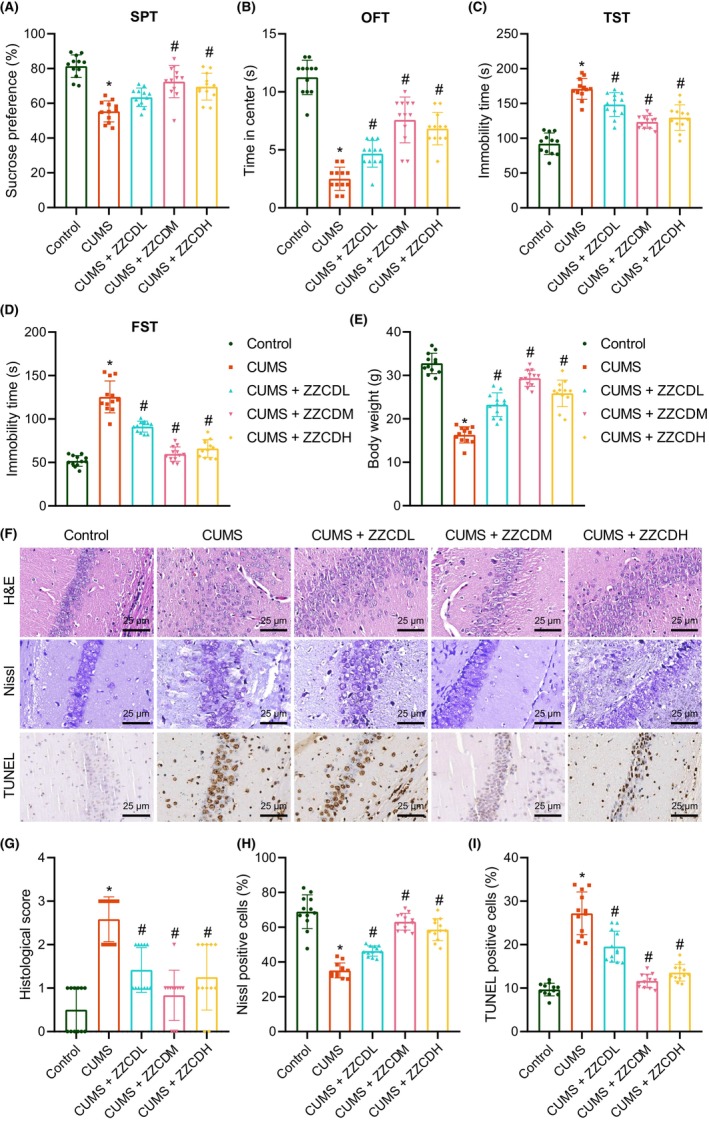
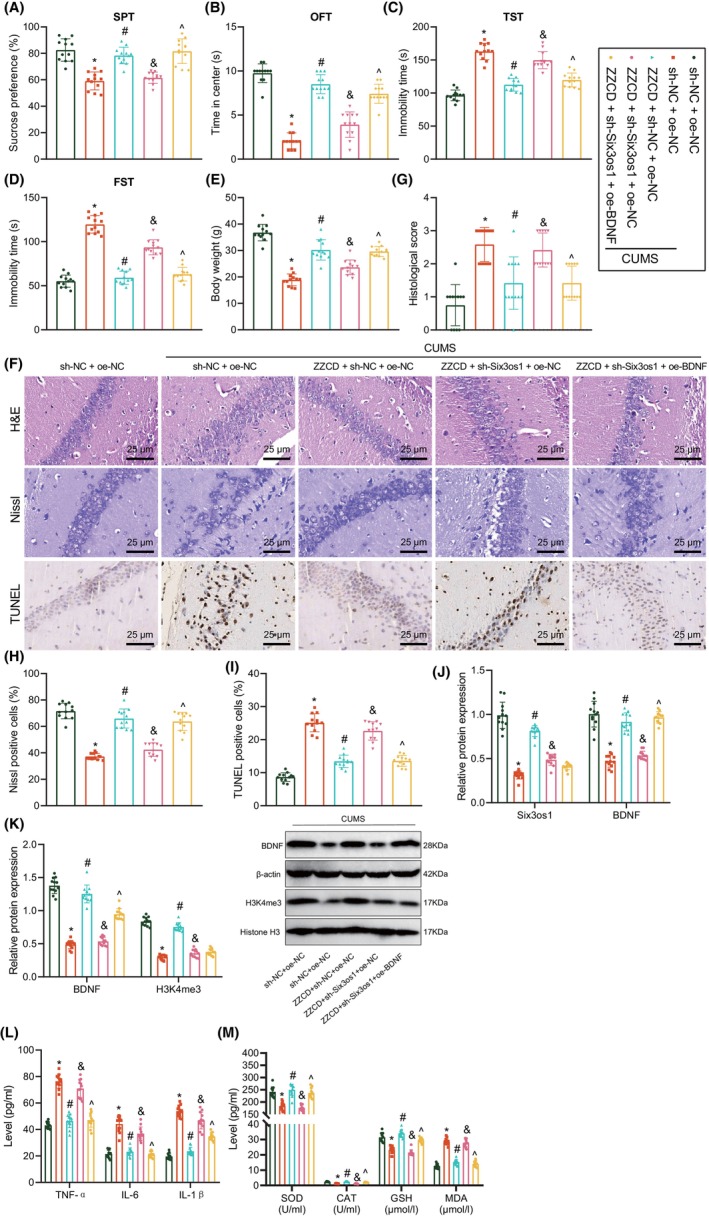
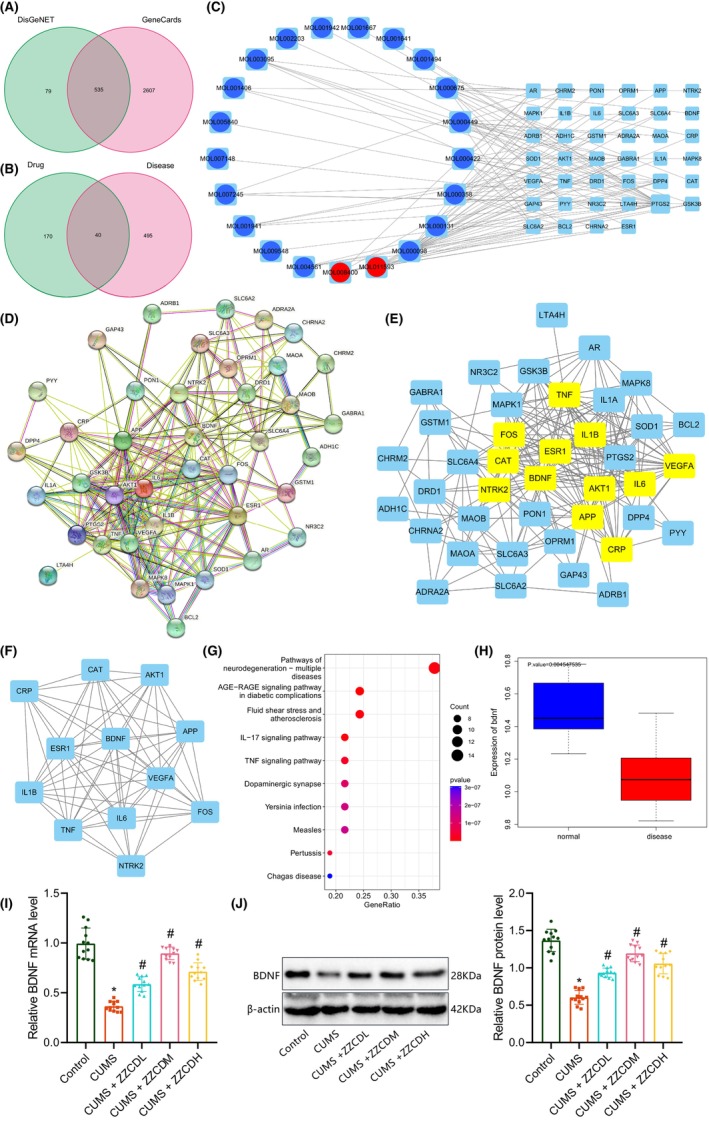
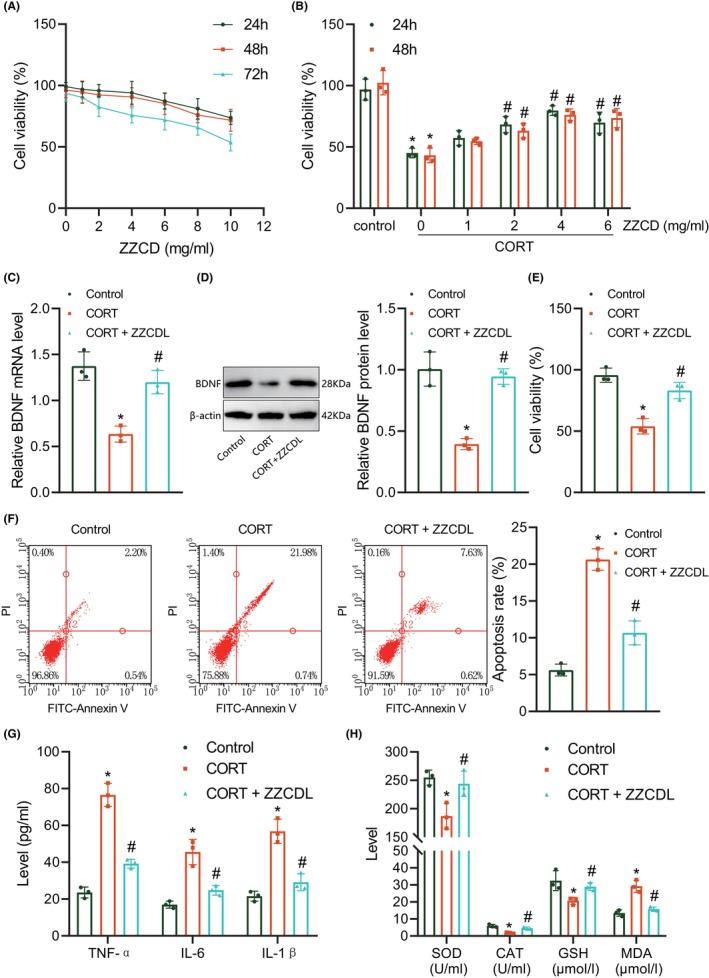
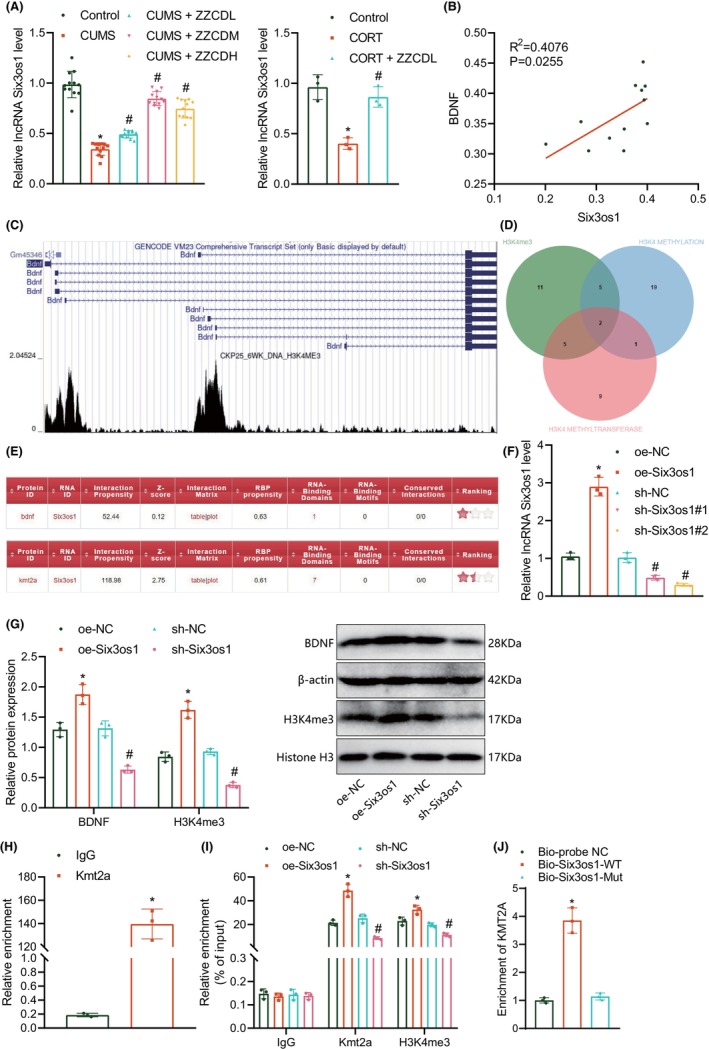
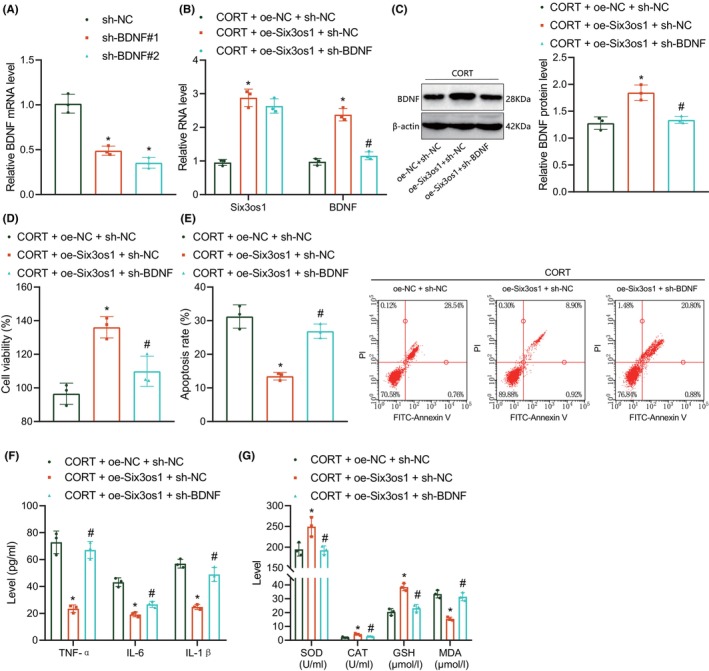
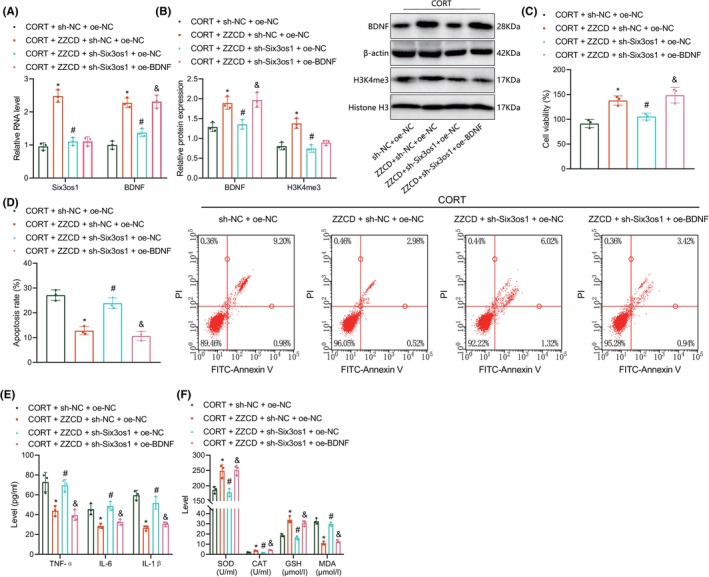
Traditional Chinese medicine, particularly Zhi-zi-chi decoction (ZZCD), is gaining recognition as a potential treatment for depression. This study aimed to uncover the molecular mechanisms behind ZZCD's antidepressant effects, focusing on lncRNA Six3os1 and histone H3K4 methylation at the BDNF promoter. Network pharmacology and in vivo experiments were conducted to identify ZZCD targets and evaluate its impact on depression-related behaviours and neuron injury. The role of Six3os1 in recruiting KMT2A to the BDNF promoter and its effects on oxidative stress and neuron injury were investigated. ZZCD reduced depression-like behaviours and neuron injury in mice subjected to chronic stress. It upregulated Six3os1, which facilitated KMT2A recruitment to the BDNF promoter, leading to increased histone H3K4 methylation and enhanced BDNF expression. ZZCD also inhibited CORT-induced neuron injury, inflammatory response and oxidative stress in vitro. ZZCD's antidepressant properties involve Six3os1 upregulation, which exerts neuroprotective effects by inhibiting oxidative stress and neuron injury, thereby alleviating depressive symptoms. Targeting Six3os1 upregulation may offer a potential therapeutic intervention for depression.
传统中药,特别是栀子豉汤(ZZCD),作为一种治疗抑郁症的方法正受到越来越多的关注。本研究旨在揭示 ZZCD 抗抑郁作用的分子机制,重点研究 lncRNA Six3os1 和 BDNF 启动子上的组蛋白 H3K4 甲基化。通过网络药理学和体内实验,鉴定 ZZCD 的靶点,并评估其对抑郁相关行为和神经元损伤的影响。研究了 Six3os1 在招募 KMT2A 到 BDNF 启动子中的作用及其对氧化应激和神经元损伤的影响。ZZCD 可减轻慢性应激小鼠的抑郁样行为和神经元损伤。它上调了 Six3os1,促进了 KMT2A 招募到 BDNF 启动子,导致组蛋白 H3K4 甲基化增加和 BDNF 表达增强。ZZCD 还可抑制体外 CORT 诱导的神经元损伤、炎症反应和氧化应激。ZZCD 的抗抑郁作用涉及 Six3os1 的上调,通过抑制氧化应激和神经元损伤发挥神经保护作用,从而缓解抑郁症状。靶向 Six3os1 的上调可能为抑郁症提供一种潜在的治疗干预措施。