Rahman Idrisa, Liang Barry, Sajid Andaleeb, Ambudkar Suresh V, Huang Huang-Chiao
Fischell Department of Bioengineering, University of Maryland, College Park, Maryland, USA.
Laboratory of Cell Biology, Center for Cancer Research, National Cancer Institute, National Institutes of Health, Bethesda, Maryland, USA.
Photochem Photobiol. 2025 Jan-Feb;101(1):188-205. doi: 10.1111/php.13970. Epub 2024 Jun 2.
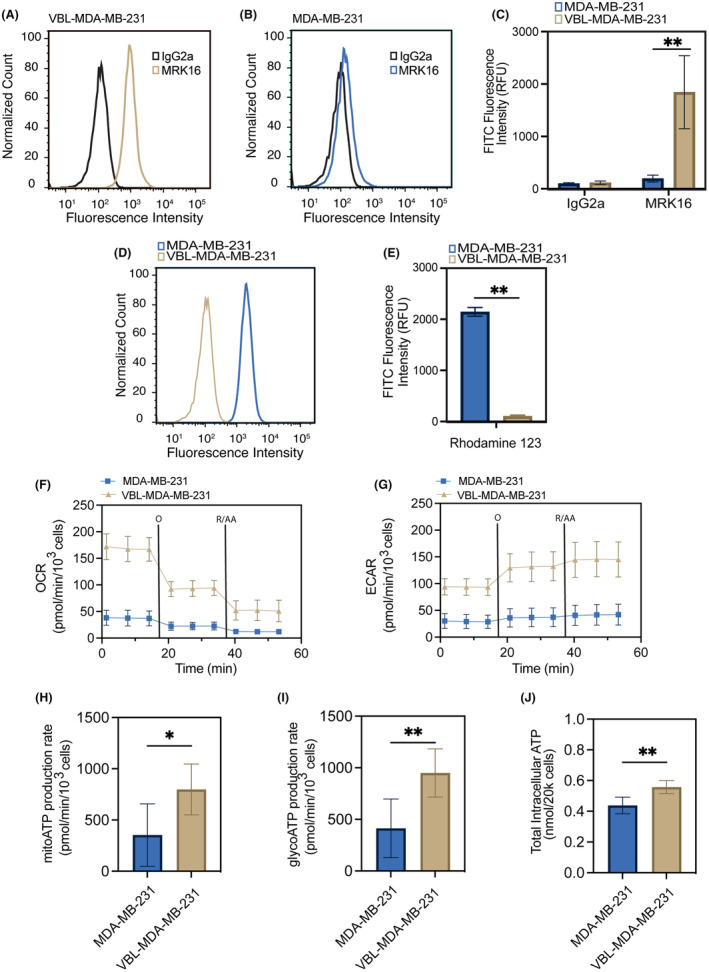
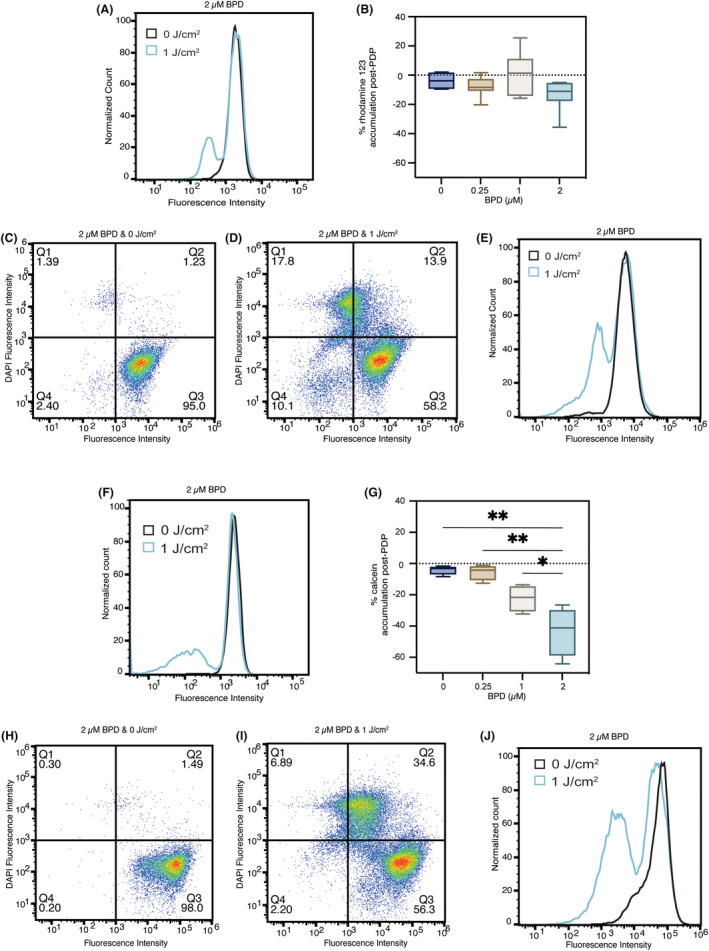
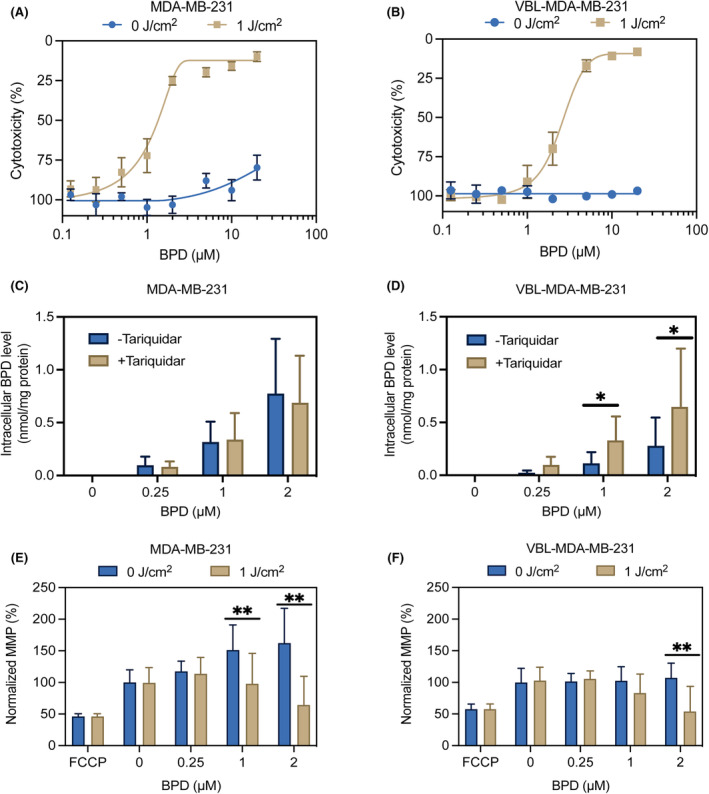
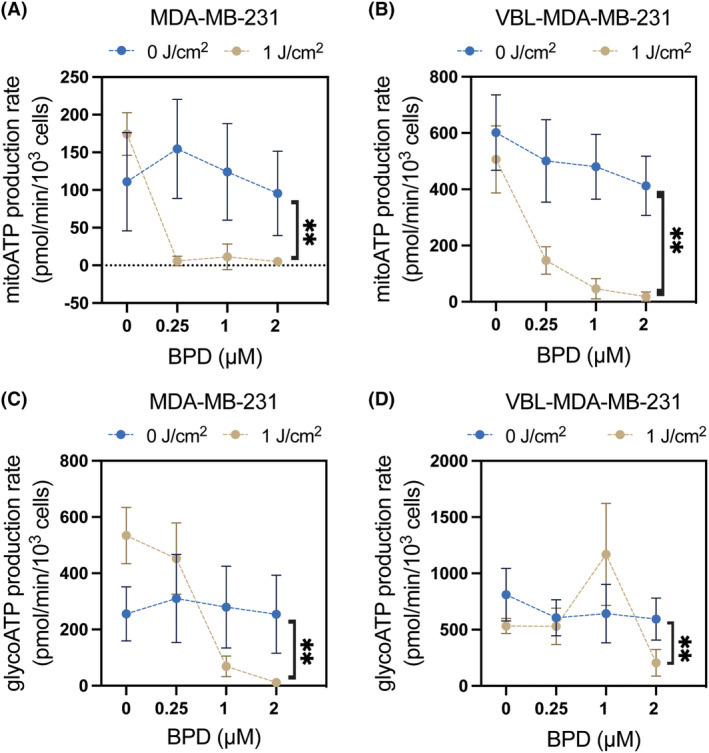
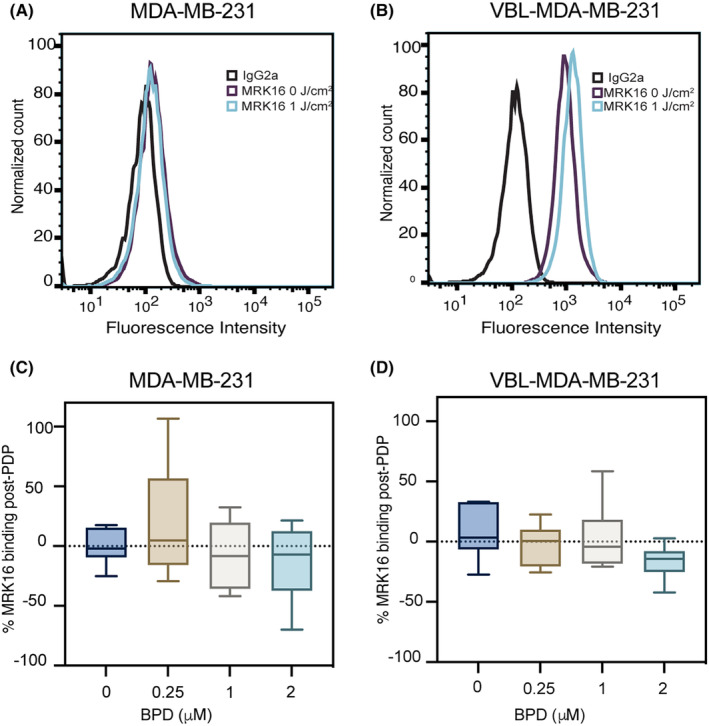
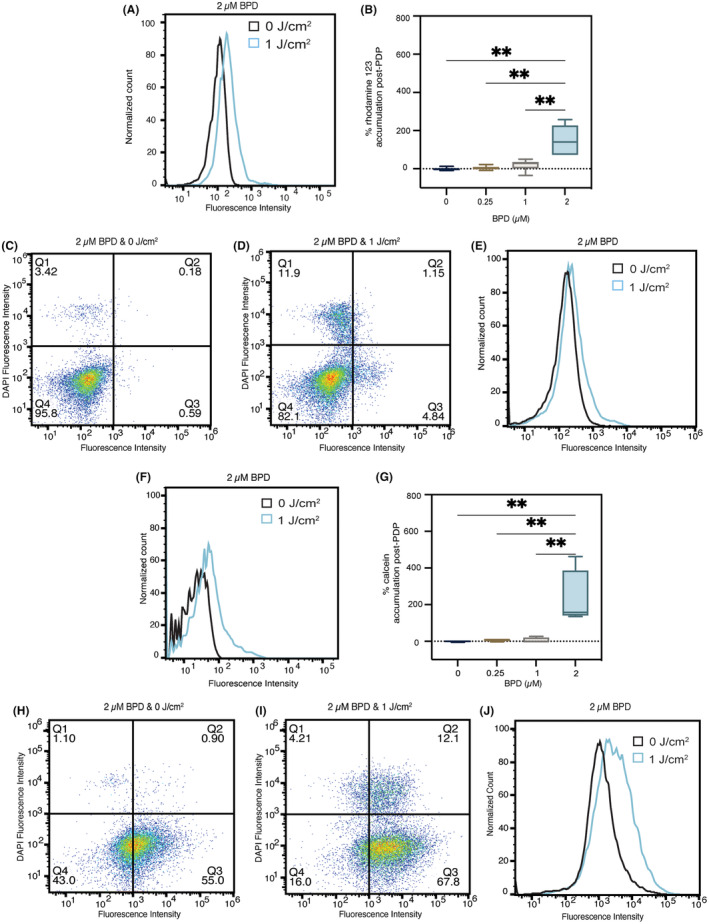
P-glycoprotein (P-gp, ABCB1) is a well-researched ATP-binding cassette (ABC) drug efflux transporter linked to the development of cancer multidrug resistance (MDR). Despite extensive studies, approved therapies to safely inhibit P-gp in clinical settings are lacking, necessitating innovative strategies beyond conventional inhibitors or antibodies to reverse MDR. Photodynamic therapy is a globally approved cancer treatment that uses targeted, harmless red light to activate non-toxic photosensitizers, confining its cytotoxic photochemical effects to disease sites while sparing healthy tissues. This study demonstrates that photodynamic priming (PDP), a sub-cytotoxic photodynamic therapy process, can inhibit P-gp function by modulating cellular respiration and ATP levels in light accessible regions. Using chemoresistant (VBL-MDA-MB-231) and chemosensitive (MDA-MB-231) triple-negative breast cancer cell lines, we showed that PDP decreases mitochondrial membrane potential by 54.4% ± 30.4 and reduces mitochondrial ATP production rates by 94.9% ± 3.46. Flow cytometry studies showed PDP can effectively improve the retention of P-gp substrates (calcein) by up to 228.4% ± 156.3 in chemoresistant VBL-MDA-MB-231 cells, but not in chemosensitive MDA-MB-231 cells. Further analysis revealed that PDP did not alter the cell surface expression level of P-gp in VBL-MDA-MB-231 cells. These findings indicate that PDP can reduce cellular ATP below the levels that is required for the function of P-gp and improve intracellular substrate retention. We propose that PDP in combination with chemotherapy drugs, might improve the efficacy of chemotherapy and overcome cancer MDR.
P-糖蛋白(P-gp,ABCB1)是一种经过充分研究的ATP结合盒(ABC)药物外排转运蛋白,与癌症多药耐药性(MDR)的发生发展有关。尽管进行了广泛的研究,但临床上仍缺乏安全抑制P-gp的获批疗法,因此需要超越传统抑制剂或抗体的创新策略来逆转MDR。光动力疗法是一种全球获批的癌症治疗方法,它利用靶向的无害红光激活无毒的光敏剂,将其细胞毒性光化学效应局限于病变部位,同时保护健康组织。本研究表明,光动力预处理(PDP),一种亚细胞毒性光动力治疗过程,可以通过调节光照可及区域的细胞呼吸和ATP水平来抑制P-gp功能。使用耐化疗(VBL-MDA-MB-231)和化疗敏感(MDA-MB-231)的三阴性乳腺癌细胞系,我们发现PDP可使线粒体膜电位降低54.4%±30.4,并使线粒体ATP产生率降低94.9%±3.46。流式细胞术研究表明,PDP可使耐化疗的VBL-MDA-MB-231细胞中P-gp底物(钙黄绿素)的保留率有效提高228.4%±156.3,但在化疗敏感的MDA-MB-231细胞中则无此作用。进一步分析表明,PDP并未改变VBL-MDA-MB-231细胞中P-gp的细胞表面表达水平。这些发现表明,PDP可将细胞内ATP水平降低至P-gp功能所需水平以下,并提高细胞内底物保留率。我们提出,PDP与化疗药物联合使用,可能会提高化疗疗效并克服癌症MDR。