Department of Medical Statistics, School of Public Health, Sun Yat-sen University, Guangzhou, 510080, Guangdong, China.
Department of Pediatrics, Shenzhen People's Hospital, Shenzhen, 518020, Guangdong, China.
Biomed Eng Online. 2024 Jun 1;23(1):50. doi: 10.1186/s12938-024-01244-w.
Over 60% of epilepsy patients globally are children, whose early diagnosis and treatment are critical for their development and can substantially reduce the disease's burden on both families and society. Numerous algorithms for automated epilepsy detection from EEGs have been proposed. Yet, the occurrence of epileptic seizures during an EEG exam cannot always be guaranteed in clinical practice. Models that exclusively use seizure EEGs for detection risk artificially enhanced performance metrics. Therefore, there is a pressing need for a universally applicable model that can perform automatic epilepsy detection in a variety of complex real-world scenarios.
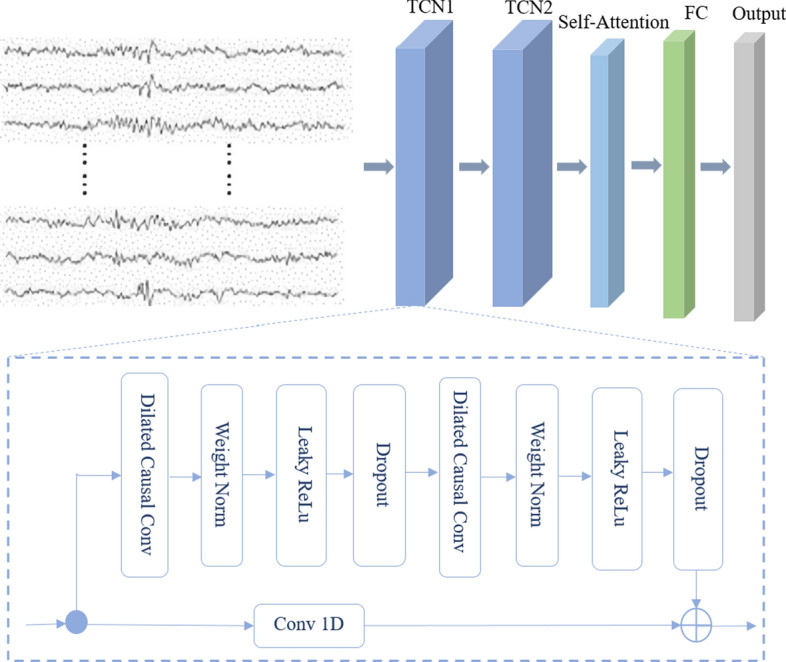
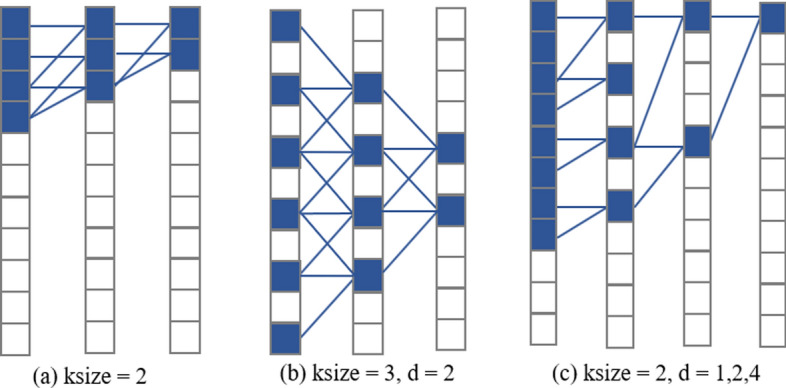
To address this problem, we have devised a novel technique employing a temporal convolutional neural network with self-attention (TCN-SA). Our model comprises two primary components: a TCN for extracting time-variant features from EEG signals, followed by a self-attention (SA) layer that assigns importance to these features. By focusing on key features, our model achieves heightened classification accuracy for epilepsy detection.
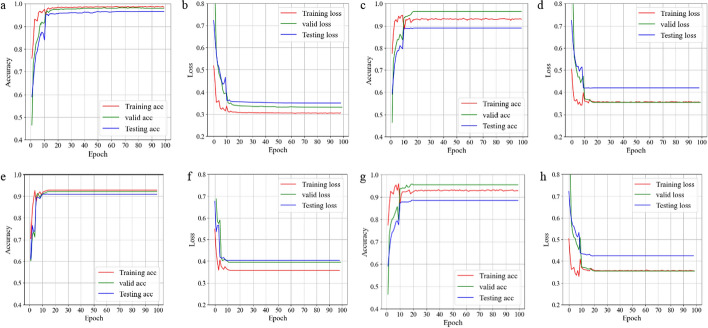
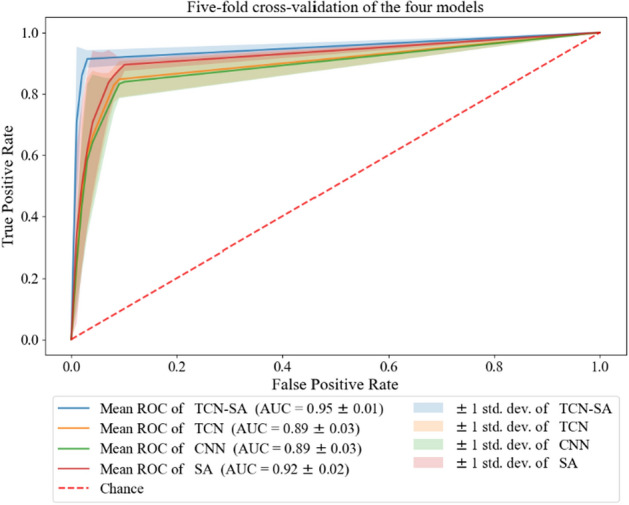
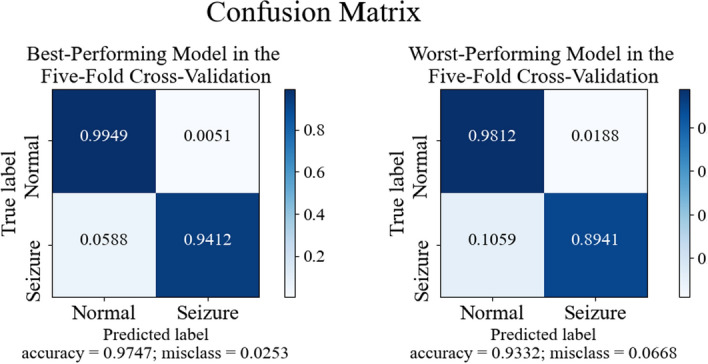
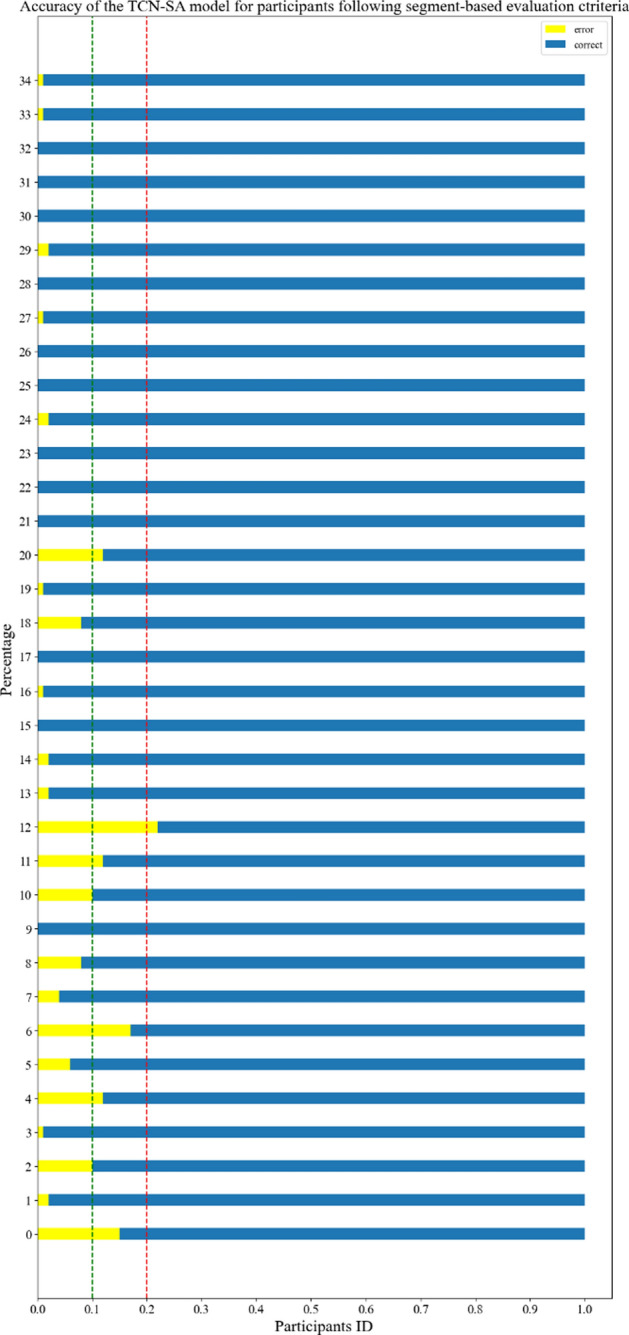
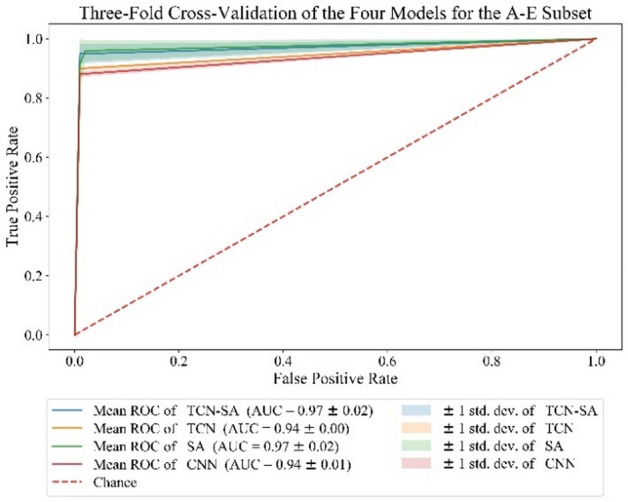
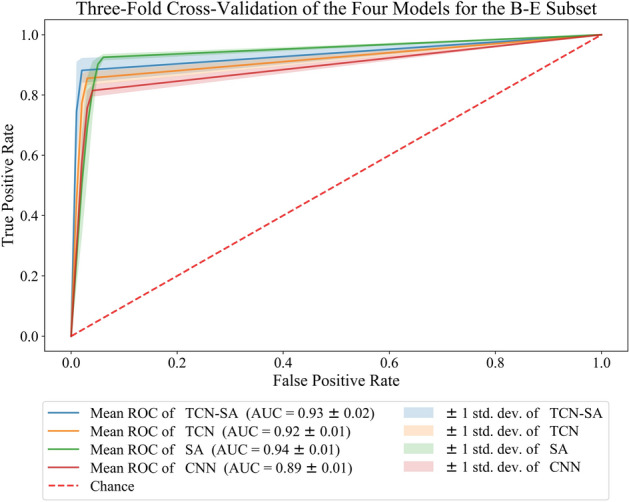
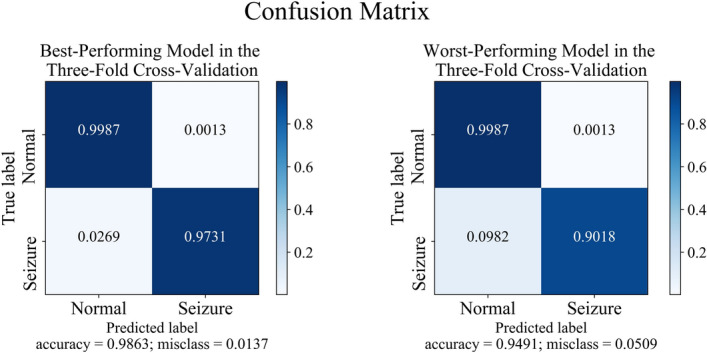
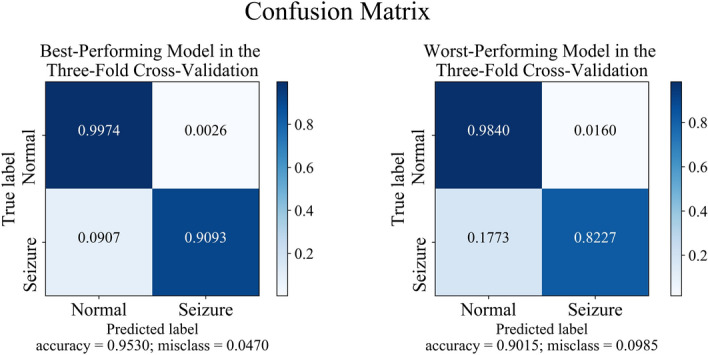
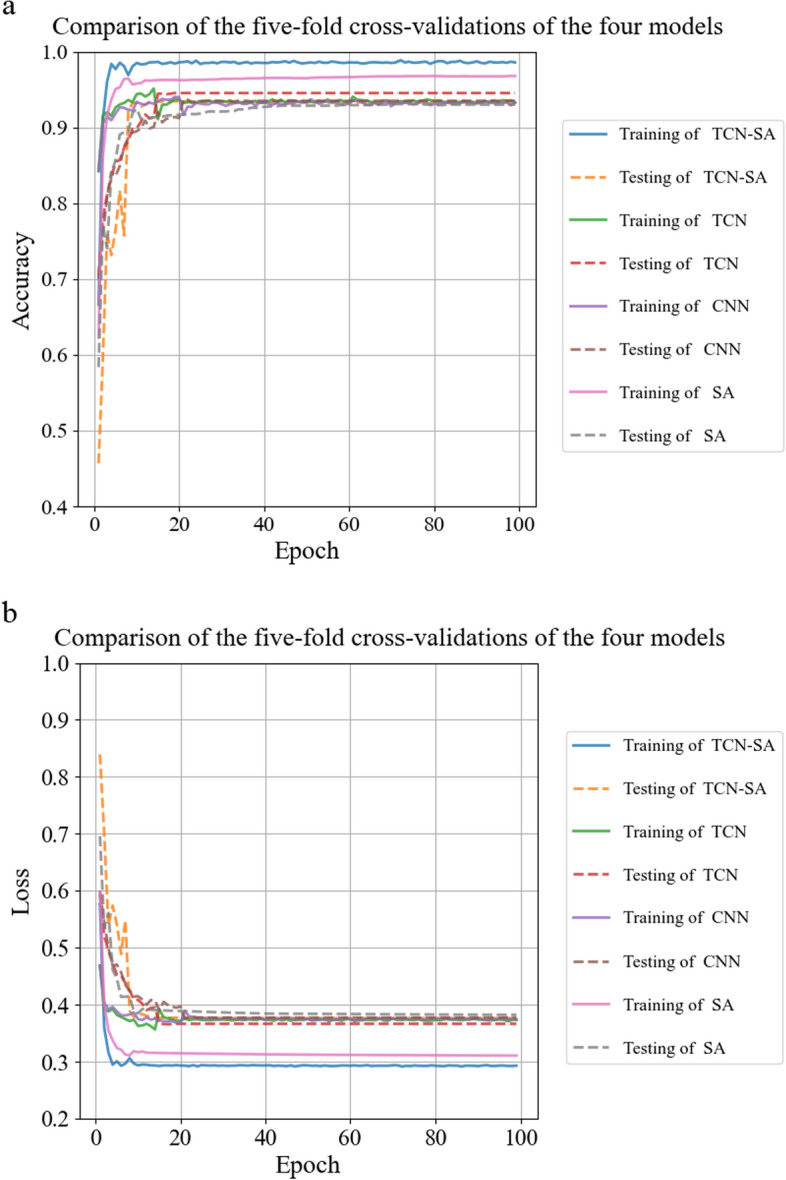
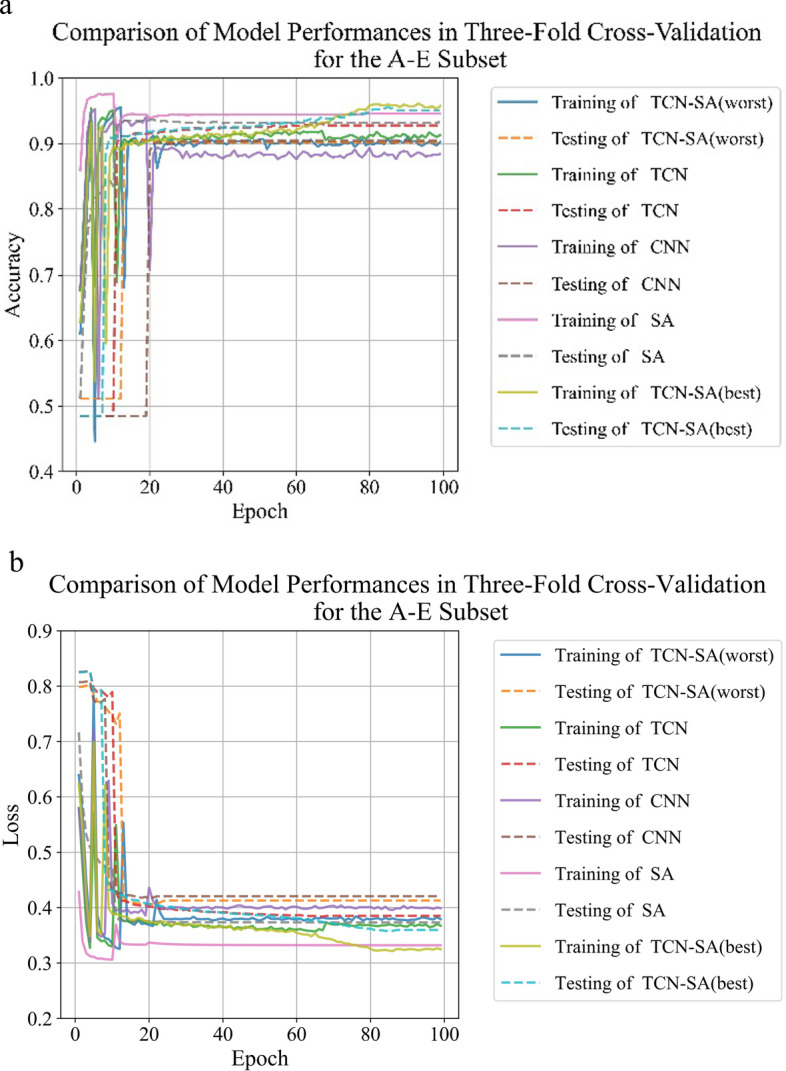
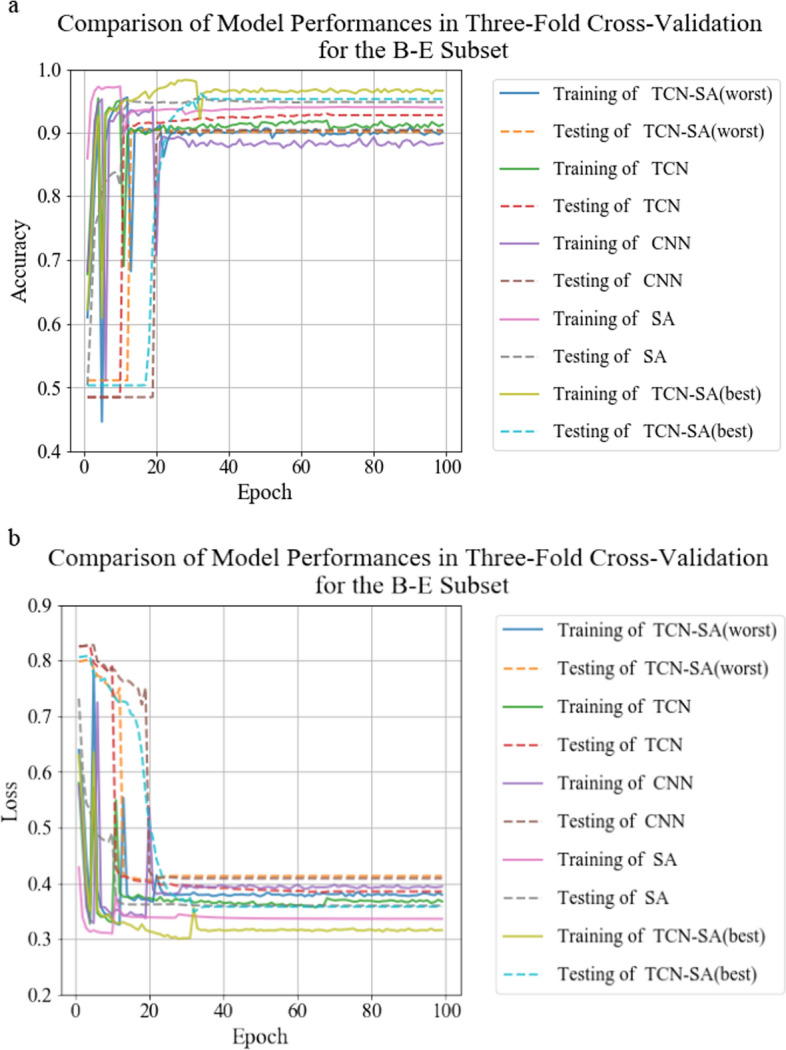
The efficacy of our model was validated on a pediatric epilepsy dataset we collected and on the Bonn dataset, attaining accuracies of 95.50% on our dataset, and 97.37% (A v. E), and 93.50% (B vs E), respectively. When compared with other deep learning architectures (temporal convolutional neural network, self-attention network, and standardized convolutional neural network) using the same datasets, our TCN-SA model demonstrated superior performance in the automated detection of epilepsy.
The proven effectiveness of the TCN-SA approach substantiates its potential as a valuable tool for the automated detection of epilepsy, offering significant benefits in diverse and complex real-world clinical settings.
全球超过 60%的癫痫患者为儿童,他们的早期诊断和治疗对其发展至关重要,可大大降低疾病给家庭和社会带来的负担。已经提出了许多用于从 EEG 中自动检测癫痫的算法。然而,在临床实践中,并不总能保证在 EEG 检查中出现癫痫发作。仅使用癫痫发作 EEG 进行检测的模型存在人为提高性能指标的风险。因此,迫切需要一种通用模型,能够在各种复杂的现实场景中进行自动癫痫检测。
为了解决这个问题,我们设计了一种新颖的技术,采用了具有自注意力的时间卷积神经网络(TCN-SA)。我们的模型由两个主要部分组成:一个用于从 EEG 信号中提取时变特征的 TCN,以及一个为这些特征分配重要性的自注意力(SA)层。通过关注关键特征,我们的模型实现了更高的癫痫检测分类准确性。
我们的模型在我们收集的儿科癫痫数据集和波恩数据集上进行了验证,在我们的数据集上达到了 95.50%的准确率,在 A v. E 上达到了 97.37%,在 B vs E 上达到了 93.50%。与其他深度学习架构(时间卷积神经网络、自注意力网络和标准化卷积神经网络)在相同数据集上进行比较时,我们的 TCN-SA 模型在癫痫的自动检测中表现出了更好的性能。
TCN-SA 方法的有效性证明了其作为癫痫自动检测有价值工具的潜力,在各种复杂的现实临床环境中具有重要的应用价值。