Westbury Baylee C, Watanabe Hirofumi, Sucov Henry M
Dept. of Regenerative Medicine and Cell Biology, Medical University of South Carolina.
Dept. of Pediatrics and Child Health, Nihon Univeristy School of Medicine.
MicroPubl Biol. 2024 May 16;2024. doi: 10.17912/micropub.biology.001164. eCollection 2024.
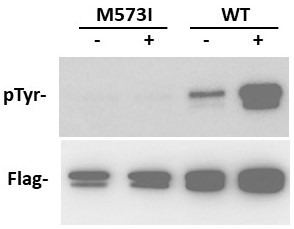
Most mammalian cardiomyocytes become polyploid in the neonatal period, concurrent with their loss of proliferative capacity. In mice, natural or engineered mutation of the cardiomyocyte-specific kinase gene causes a higher level of diploid CMs and a higher capacity to support proliferation after adult injury. Here, we identified a polymorphism in the canine gene that is particularly common in the West Highland White Terrier breed, and show that this variant eliminates Tnni3k kinase activity. Thus, in several species, natural Tnni3k polymorphisms exist that are predicted to contribute to variation in diploid CM level and heart regenerative ability.
大多数哺乳动物的心肌细胞在新生儿期会变成多倍体,同时失去增殖能力。在小鼠中,心肌细胞特异性激酶基因的自然突变或工程突变会导致更高水平的二倍体心肌细胞以及成年损伤后更强的增殖支持能力。在这里,我们在犬类基因中鉴定出一种多态性,这种多态性在西高地白梗犬种中尤为常见,并表明这种变体消除了Tnni3k激酶活性。因此,在几个物种中,存在天然的Tnni3k多态性,预计这些多态性会导致二倍体心肌细胞水平和心脏再生能力的差异。