First Clinical Medical College, Shandong University of Traditional Chinese Medicine, Jinan, China.
Xiyuan Hospital, China Academy of Chinese Medical Sciences, Beijing, China.
Front Public Health. 2024 May 21;12:1405770. doi: 10.3389/fpubh.2024.1405770. eCollection 2024.
We aimed to report the latest and largest pooled analyses and evidence updates to assess the effectiveness of telemedicine interventions for self-management (DSM) in patients with type 2 diabetes mellitus (T2DM).
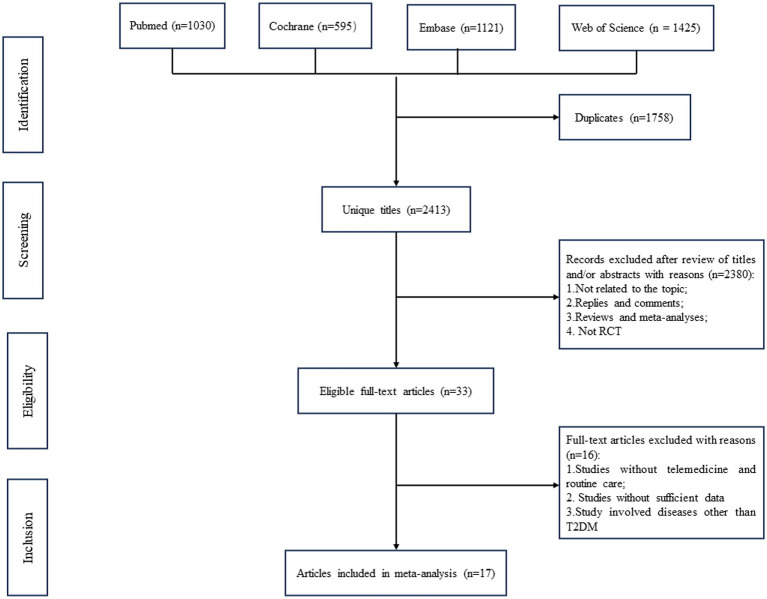
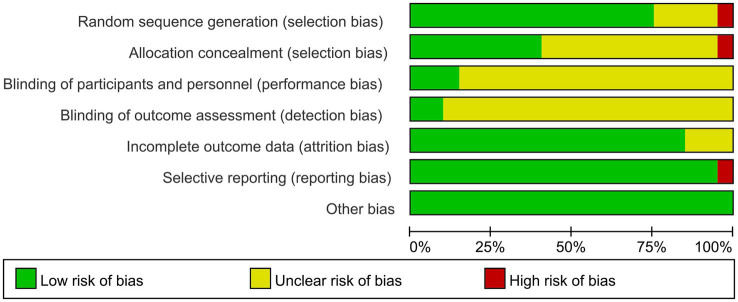
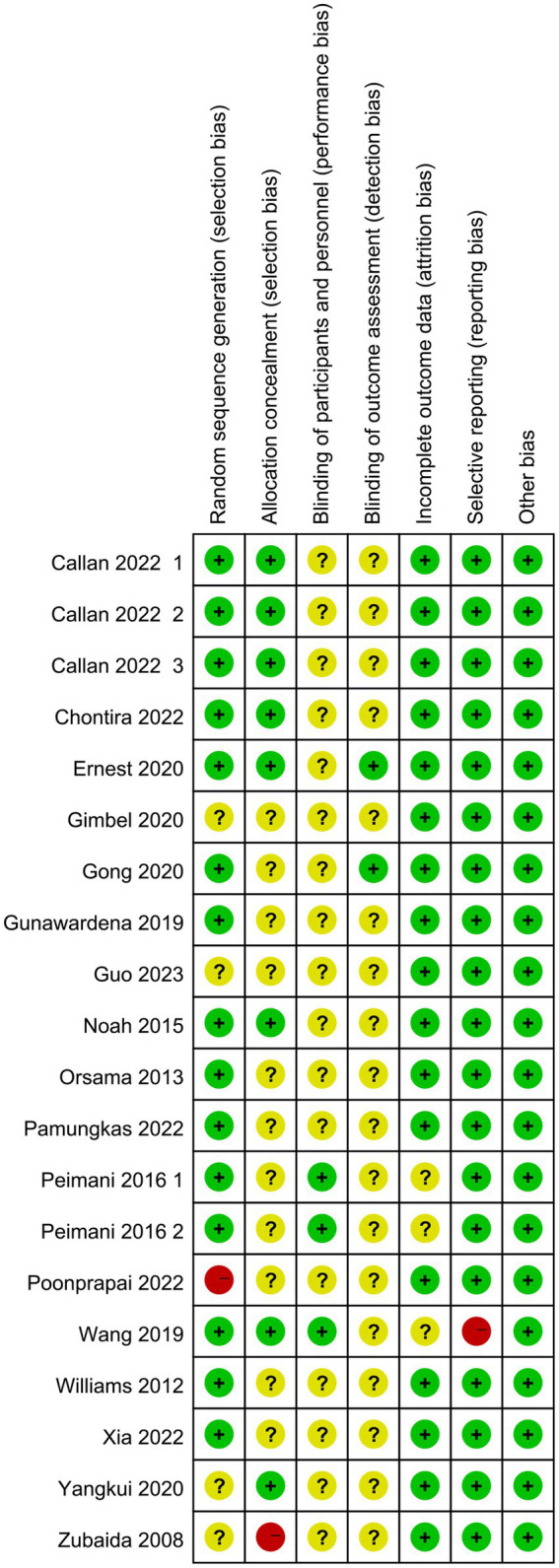
A systematic literature search was conducted using PubMed, Cochrane, Embase, and Web of Science in December 2023. We included randomized controlled trials (RCTs) of adults (≥18 years of age) diagnosed with T2DM where the intervention was the application of telemedicine. The Cochrane Risk of Bias Assessment was used to evaluate quality. The study's main outcome indicators were glycosylated hemoglobin (HbA1c) and diabetes self-management (DSM) capacity.
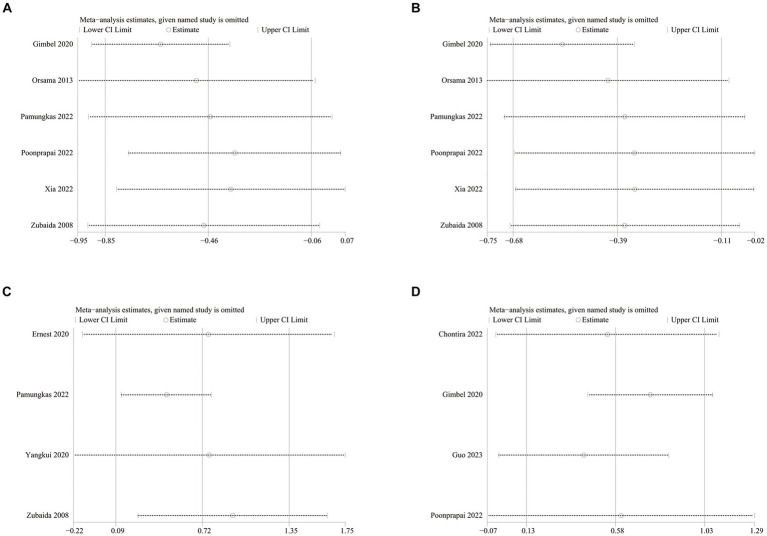
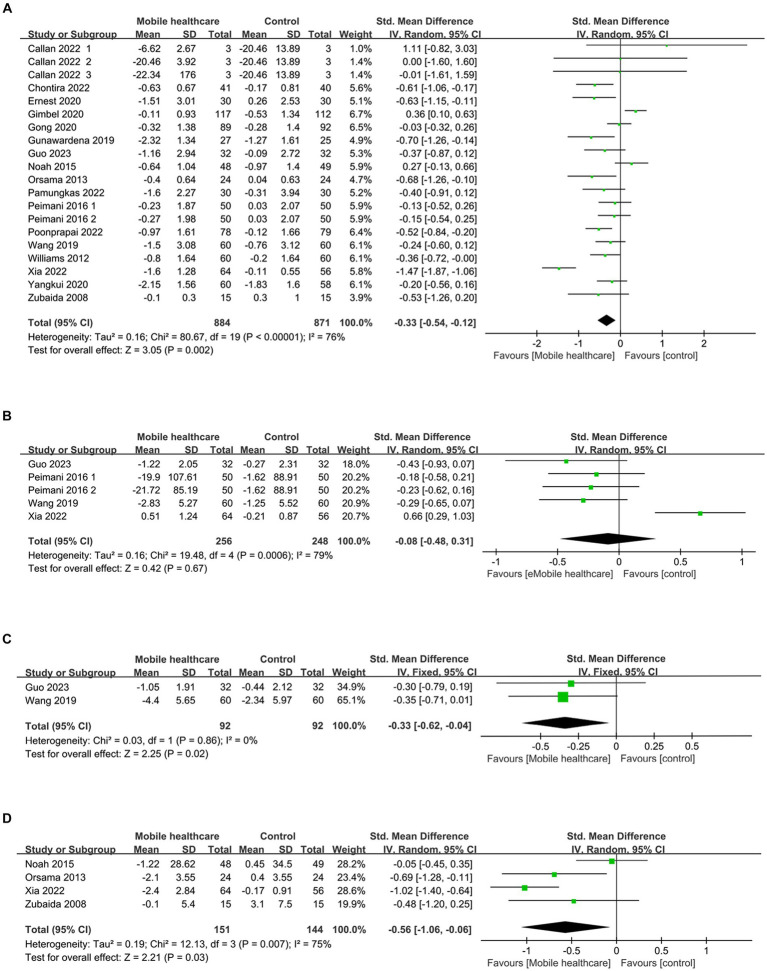
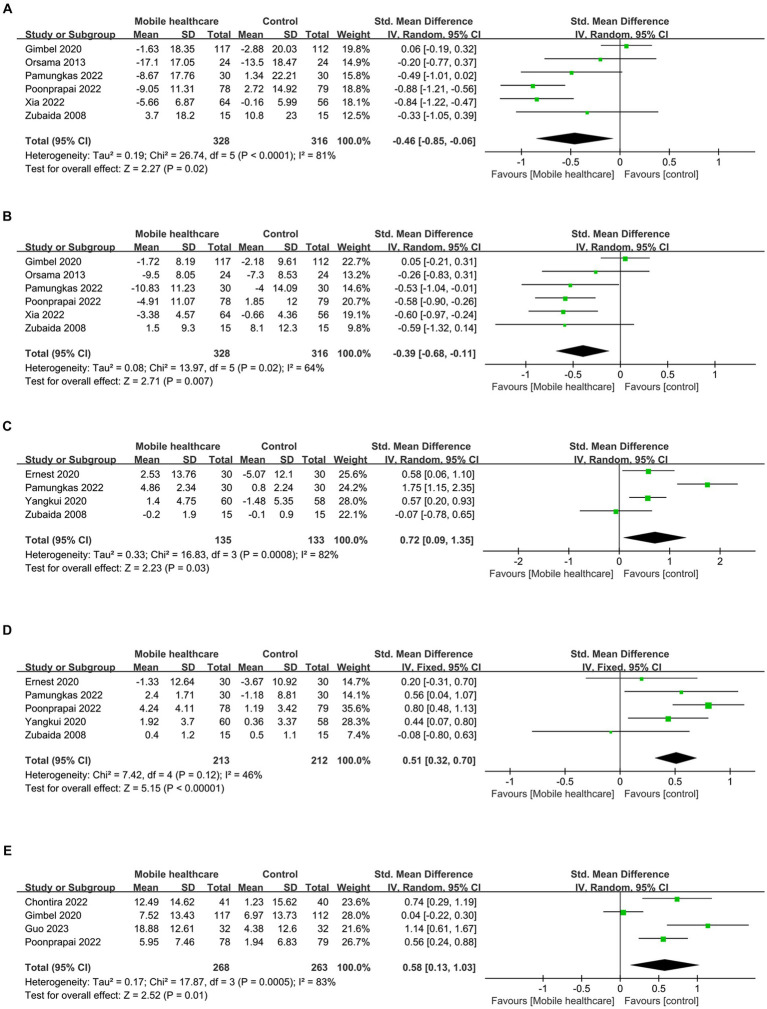
A total of 17 eligible articles, comprising 20 studies and 1,456 patients (734 in the intervention group and 722 in the control group), were included in the evidence synthesis. The baseline characteristics of both groups were similar in all outcomes. Comprehensive analyses showed post-intervention decreases in HbA1c, 2-h postprandial glucose, systolic and diastolic blood pressure, increases in Diabetes Self- Care activities, DSM competencies based on dietary and medication adherence, and improvements in overall DSM scores, all of which were statistically significant. While no statistically significant differences were observed in body mass index, lipids, and other DSM dimensions. Based on subgroup analyses, app-based experimental interventions targeting under 60 years old populations in Asia and North America were found to be more effective and less heterogeneity in the short term (<6 months of intervention).
Telemedicine interventions may assist patients with T2DM in enhancing their DSM and improving their HbA1c levels. Clinician can use various telemedicine interventions to enhance DSM in T2DM patients, considering local circumstances.
https://www.crd.york.ac.uk/PROSPERO/, CRD42024508522.
本研究旨在报告最新且最大的汇总分析和证据更新,以评估远程医疗干预措施在 2 型糖尿病(T2DM)患者自我管理(DSM)中的有效性。
2023 年 12 月,我们通过 PubMed、Cochrane、Embase 和 Web of Science 进行了系统文献检索。我们纳入了针对成年人(≥18 岁)T2DM 患者的随机对照试验(RCT),其中干预措施为远程医疗应用。采用 Cochrane 偏倚风险评估工具评估质量。该研究的主要结局指标为糖化血红蛋白(HbA1c)和糖尿病自我管理(DSM)能力。
共有 17 项符合条件的文章,包括 20 项研究和 1456 名患者(干预组 734 名,对照组 722 名)纳入证据综合分析。两组所有结局的基线特征相似。综合分析显示,干预后 HbA1c、餐后 2 小时血糖、收缩压和舒张压下降,糖尿病自我护理活动、基于饮食和药物依从性的 DSM 能力以及整体 DSM 评分提高,均有统计学意义。而体重指数、血脂和其他 DSM 维度无统计学差异。基于亚组分析,针对亚洲和北美的 60 岁以下人群的基于应用程序的实验性干预在短期(<6 个月的干预)内更有效,异质性更小。
远程医疗干预措施可能有助于 T2DM 患者提高 DSM 并改善 HbA1c 水平。临床医生可以根据当地情况使用各种远程医疗干预措施来增强 T2DM 患者的 DSM。