Affiliated Cancer Hospital of Zhengzhou University, Henan Cancer Hospital, Zhengzhou, China.
School of Computer and Artificial Intelligence, Zhengzhou University, Zhengzhou, China.
BMC Cancer. 2024 Jun 5;24(1):685. doi: 10.1186/s12885-024-12424-1.
Gastric cancer is one of the most common tumors worldwide, and most patients are deprived of treatment options when diagnosed at advanced stages. PRDM14 has carcinogenic potential in breast and non-small cell lung cancer. however, its role in gastric cancer has not been elucidated.
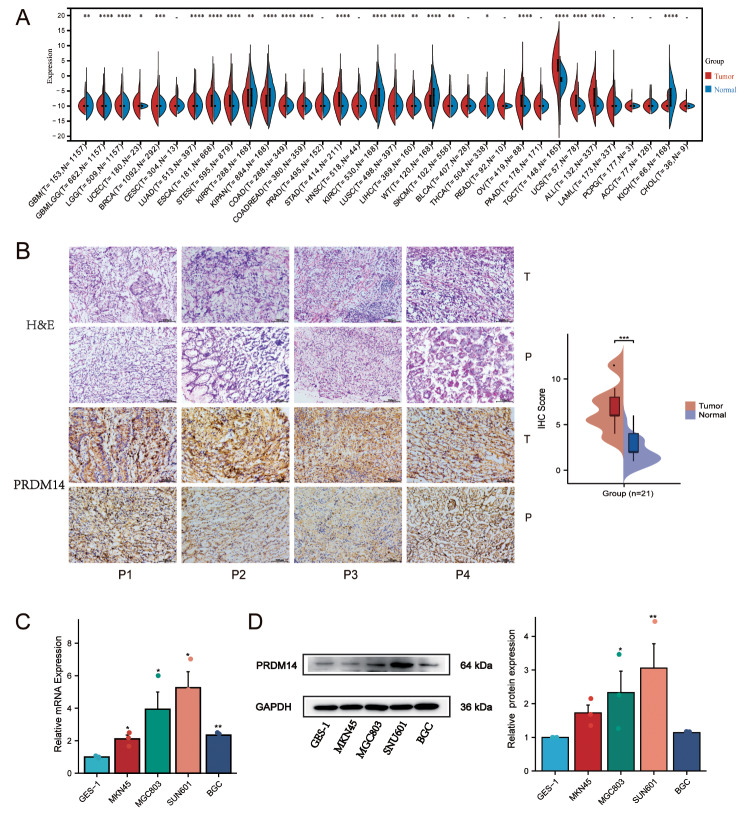
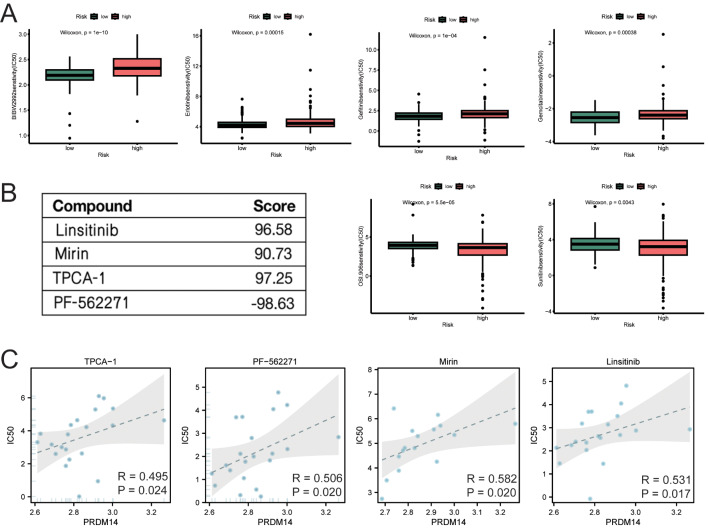
We aimed to elucidate the expression of PRDM14 using pan-cancer analysis. We monitored the expression of PRDM14 in cells and patients using quantitative polymerase chain reaction, western blotting, and immunohistochemistry. We observed that cell phenotypes and regulatory genes were influenced by PRDM14 by silencing PRDM14. We evaluated and validated the value of the PRDM14-derived prognostic model. Finally, we predicted the relationship between PRDM14 and small-molecule drug responses using the Connectivity Map and The Genomics of Drug Sensitivity in Cancer databases.
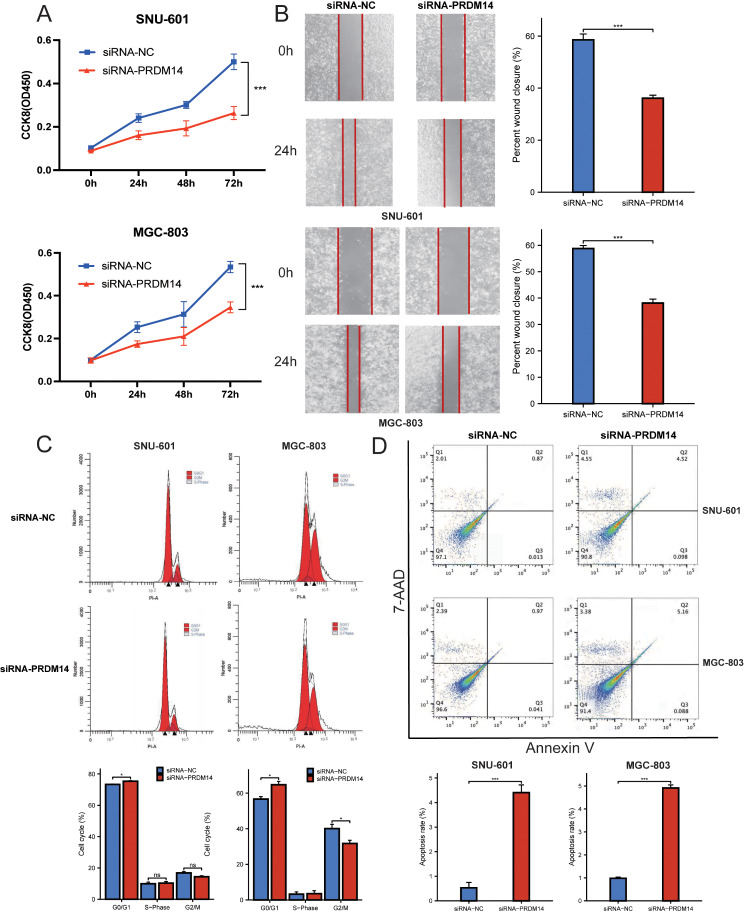
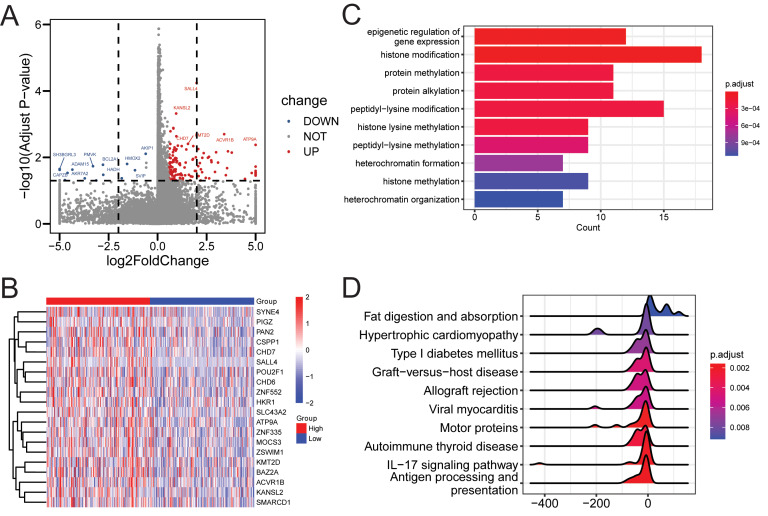
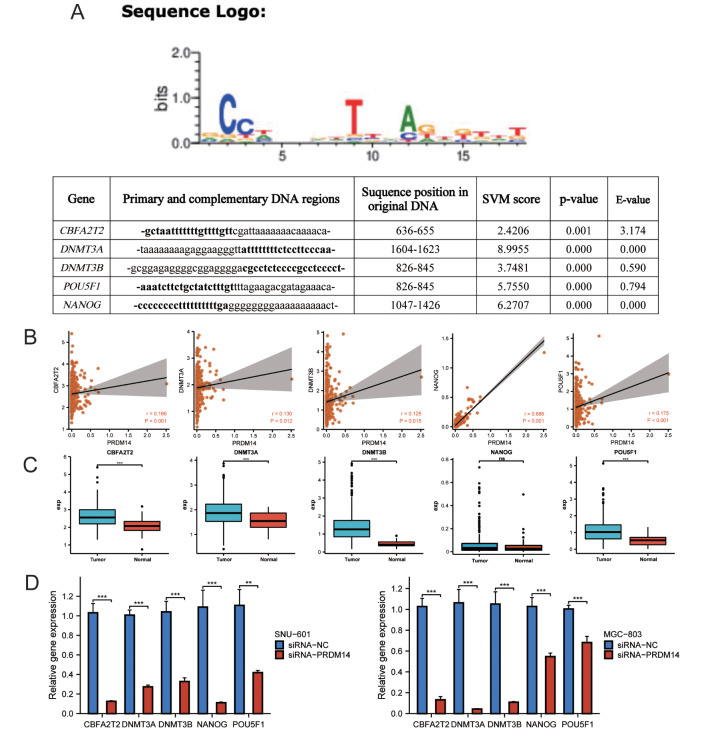
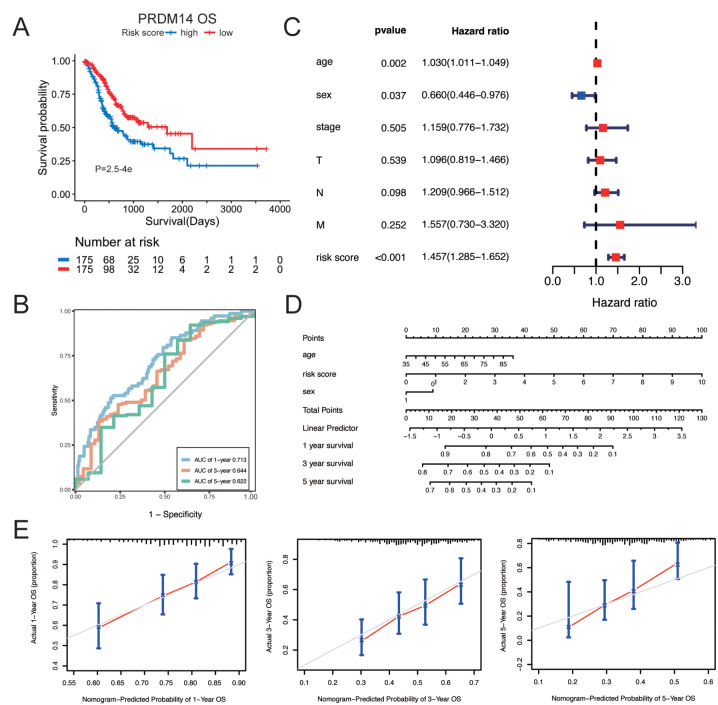
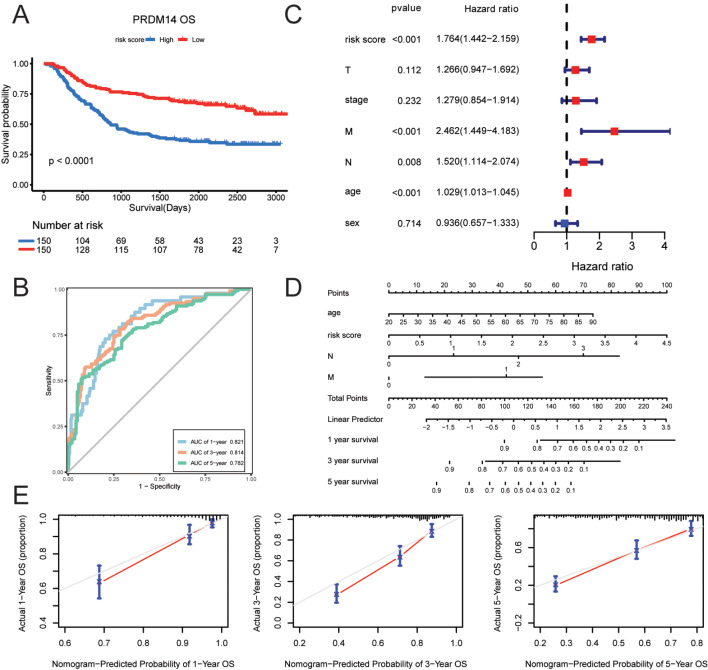
PRDM14 was significantly overexpressed in gastric cancer, which identified in cell lines and patients' tissues. Silencing the expression of PRDM14 resulted in apoptosis promotion, cell cycle arrest, and inhibition of the growth and migration of GC cells. Functional analysis revealed that PRDM14 acts in epigenetic regulation and modulates multiple DNA methyltransferases or transcription factors. The PRDM14-derived differentially expressed gene prognostic model was validated to reliably predict the patient prognosis. Nomograms (age, sex, and PRDM14-risk score) were used to quantify the probability of survival. PRDM14 was positively correlated with sensitivity to small-molecule drugs such as TPCA-1, PF-56,227, mirin, and linsitinib.
Collectively, our findings suggest that PRDM14 is a positive regulator of gastric cancer progression. Therefore, it may be a potential therapeutic target for gastric cancer.
胃癌是全球最常见的肿瘤之一,大多数患者在晚期诊断时被剥夺了治疗选择。PRDM14 在乳腺癌和非小细胞肺癌中具有致癌潜力。然而,其在胃癌中的作用尚未阐明。
我们旨在通过泛癌分析阐明 PRDM14 的表达。我们使用定量聚合酶链反应、western blot 和免疫组织化学监测细胞和患者中 PRDM14 的表达。我们通过沉默 PRDM14 观察到细胞表型和调节基因受到 PRDM14 的影响。我们评估和验证了 PRDM14 衍生的预后模型的价值。最后,我们使用 Connectivity Map 和癌症药物敏感性基因组学数据库预测了 PRDM14 与小分子药物反应之间的关系。
PRDM14 在胃癌中显著过表达,在细胞系和患者组织中均得到鉴定。沉默 PRDM14 的表达导致细胞凋亡促进、细胞周期停滞以及 GC 细胞生长和迁移的抑制。功能分析表明 PRDM14 作用于表观遗传调控,并调节多个 DNA 甲基转移酶或转录因子。PRDM14 衍生的差异表达基因预后模型被验证可可靠地预测患者预后。列线图(年龄、性别和 PRDM14 风险评分)用于量化生存概率。PRDM14 与小分子药物如 TPCA-1、PF-56227、mirin 和 linsitinib 的敏感性呈正相关。
综上所述,我们的研究结果表明 PRDM14 是胃癌进展的正调控因子。因此,它可能是胃癌的潜在治疗靶点。