Haeyen Suzanne
GGNet, Centre for Mental Health, Scelta, Centre of Expertise for Personality Disorders Apeldoorn, Warnsveld, Netherlands.
Research Group for Arts and Psychomotor Therapies in Health Care, Academy of Health & Vitality, HAN University of Applied Sciences, Nijmegen, Netherlands.
Front Psychol. 2024 May 22;15:1382007. doi: 10.3389/fpsyg.2024.1382007. eCollection 2024.
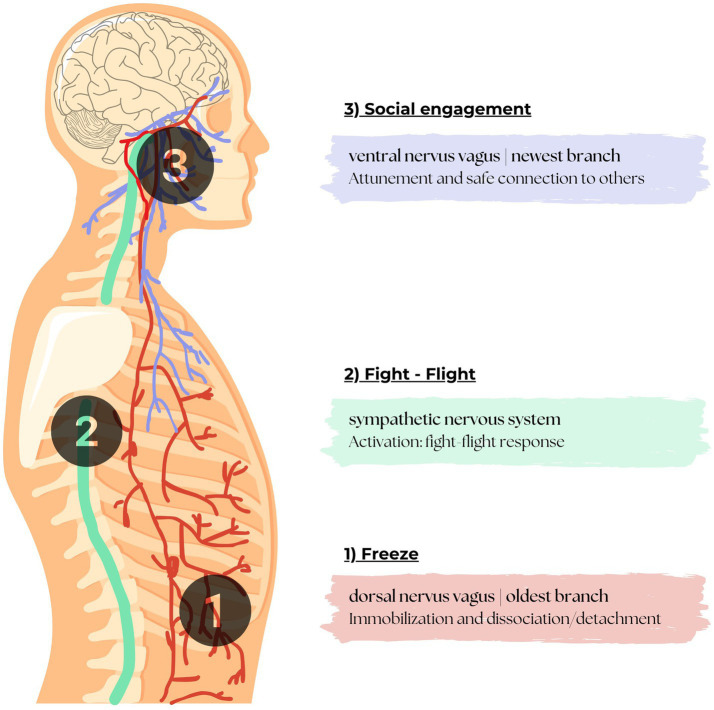
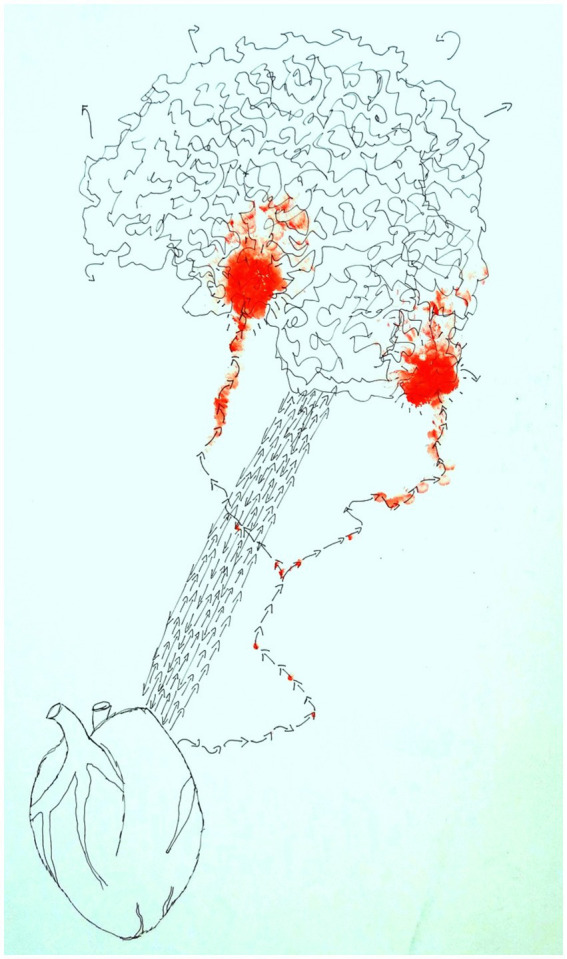
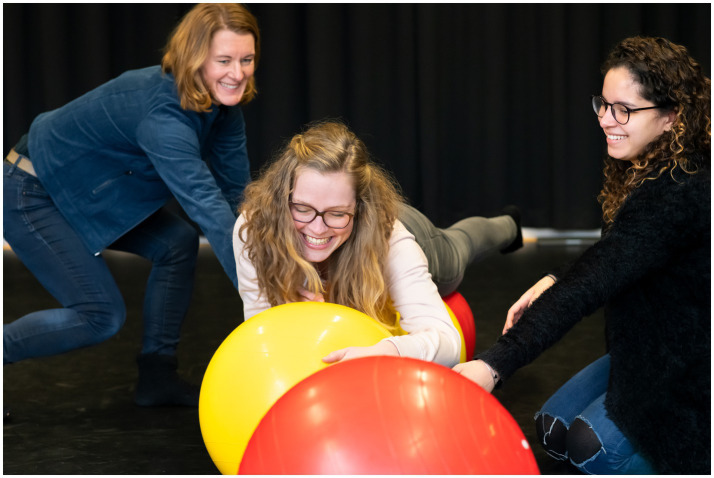
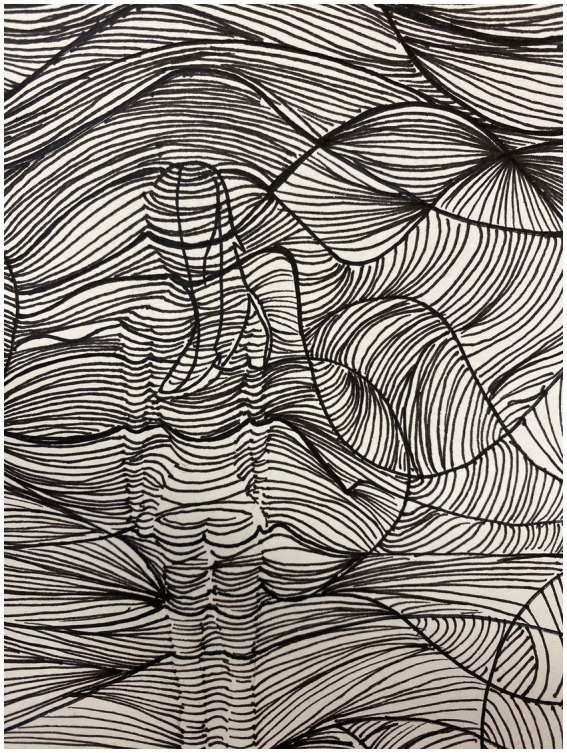
Polyvagal theory advocates for working with the body, becoming aware of the body and connecting with the senses. Similarly, paying attention to and influencing one's physical and sensory experience is a core aspect of the creative arts and psychomotor therapies. Polyvagal theory offers opportunities for strengthening resilience by treating emotion-regulation problems, stress, and trauma, as well as restoring regulation of the autonomic nervous system. Paying attention to and influencing physical and sensory experiences are core aspects of creative arts and psychomotor therapies. This theoretical paper explores how polyvagal theory can serve as a foundational theory and support the creative arts and psychomotor therapies for emotion regulation in stress and trauma. A number of pillars in polyvagal theory have links with arts therapies, such as an emphasis on physical and sensory experience in situations of safety or threat. This theory may offer insight into the role of the body in stressful situations, the role of co-and self-regulation, and thus the functioning of and the rationale for use of creative arts and psychomotor therapies. Through interventions focused on promoting healthy autonomic responses and regulating physiological responses, clients can learn to better regulate and process their emotional experiences. Although this could be broadly useful, it would seem particularly promising in therapies focused on stress and trauma. This article provides an introduction to polyvagal theory and outlines how it can serve as an explanatory, hypothetical model for the working mechanisms that underlie creative arts and psychomotor therapies. The application of PVT in creative arts and psychomotor therapies will be explored by describing techniques for "noticing and naming" and "learning to change," as well as by highlighting the role of PVT in the therapeutic relationship. It provides case examples and discusses the role of creative arts and psychomotor therapies for stress regulation and resilience conceptualized in line with the polyvagal theory.
多元迷走神经理论主张与身体合作,感知身体并与各种感觉建立联系。同样,关注并影响一个人的身体和感官体验是创造性艺术和心理运动疗法的核心方面。多元迷走神经理论通过治疗情绪调节问题、压力和创伤,以及恢复自主神经系统的调节功能,为增强恢复力提供了机会。关注并影响身体和感官体验是创造性艺术和心理运动疗法的核心方面。这篇理论性论文探讨了多元迷走神经理论如何能够作为一种基础理论,支持创造性艺术和心理运动疗法在压力和创伤情境下进行情绪调节。多元迷走神经理论中的一些支柱与艺术疗法相关联,比如在安全或威胁情境中对身体和感官体验的强调。该理论可能有助于深入理解身体在压力情境中的作用、协同调节和自我调节的作用,进而理解创造性艺术和心理运动疗法的运作机制及应用原理。通过专注于促进健康自主反应和调节生理反应的干预措施,来访者能够学会更好地调节和处理自己的情绪体验。虽然这在广泛意义上可能都有用,但在专注于压力和创伤的疗法中似乎尤其有前景。本文介绍了多元迷走神经理论,并概述了它如何能够作为一种解释性的假设模型,用于阐释创造性艺术和心理运动疗法背后的工作机制。将通过描述“觉察与命名”和“学习改变”的技巧,以及强调多元迷走神经理论在治疗关系中的作用,来探讨多元迷走神经理论在创造性艺术和心理运动疗法中的应用。文中提供了案例,并讨论了创造性艺术和心理运动疗法在按照多元迷走神经理论概念化的压力调节和恢复力方面所起的作用。