Li Yuanqi, Huang Hao, Wang Qi, Zheng Xiao, Zhou Yi, Kong Xiangyin, Huang Tao, Zhang Jinping, Zhou You
Tumor Biological Diagnosis and Treatment Center, The Third Affiliated Hospital of Soochow University, Changzhou, China.
Jiangsu Engineering Research Center for Tumor Immunotherapy, Changzhou, China.
Front Genet. 2024 May 27;15:1363197. doi: 10.3389/fgene.2024.1363197. eCollection 2024.
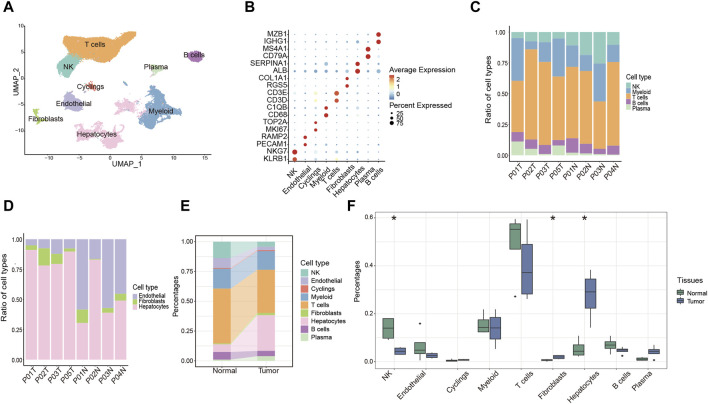
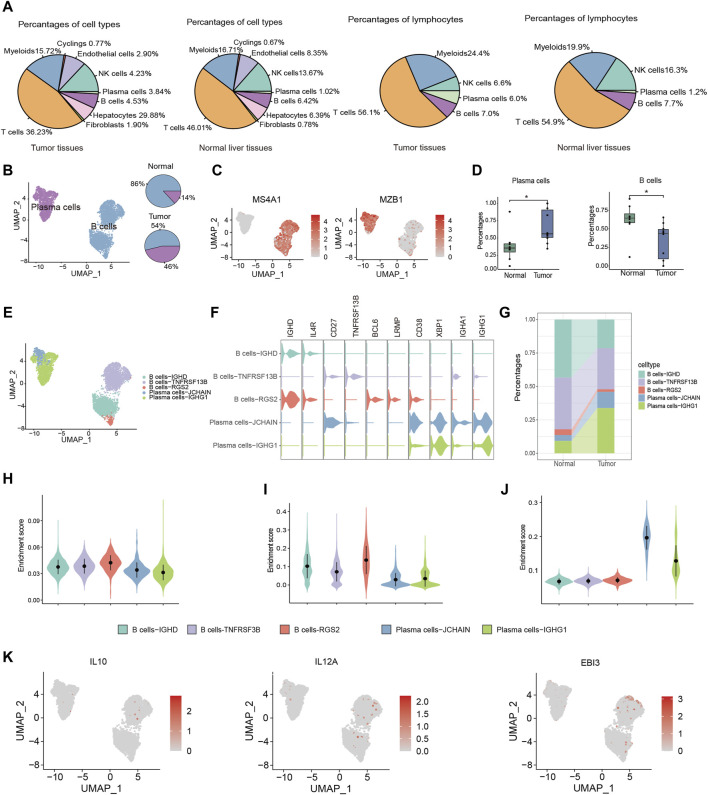
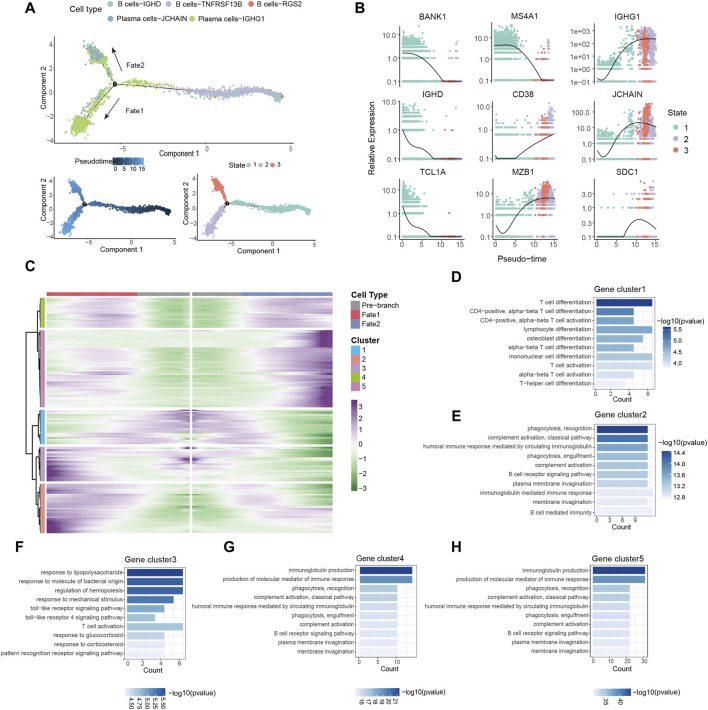
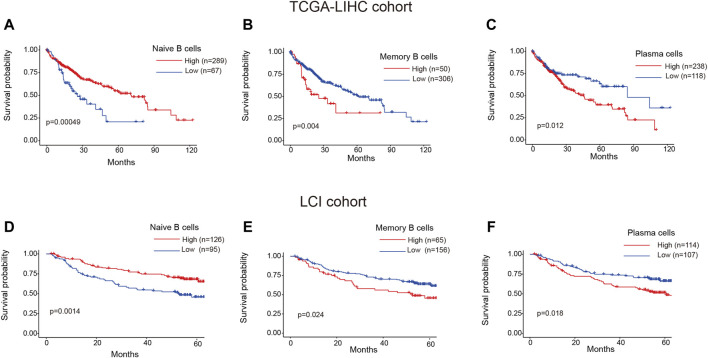
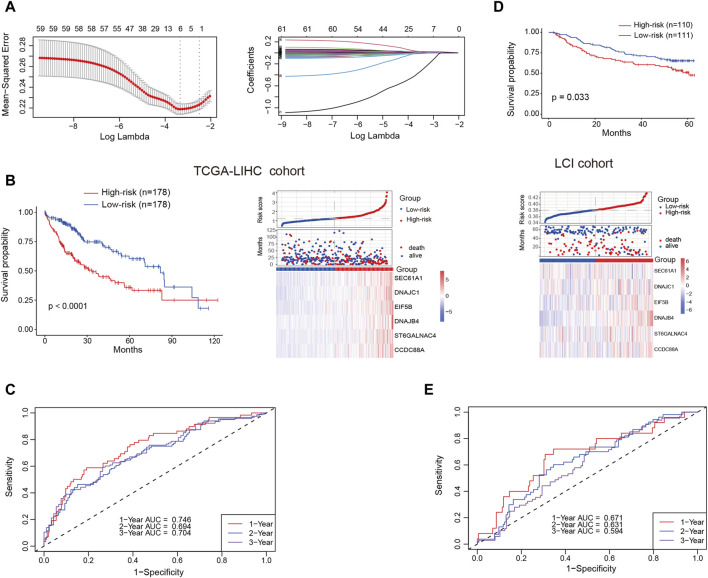
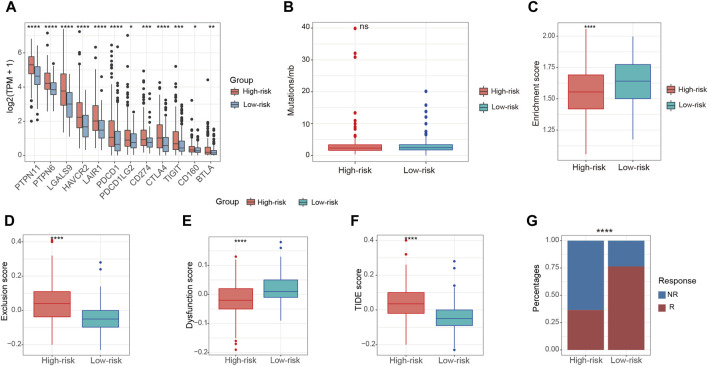
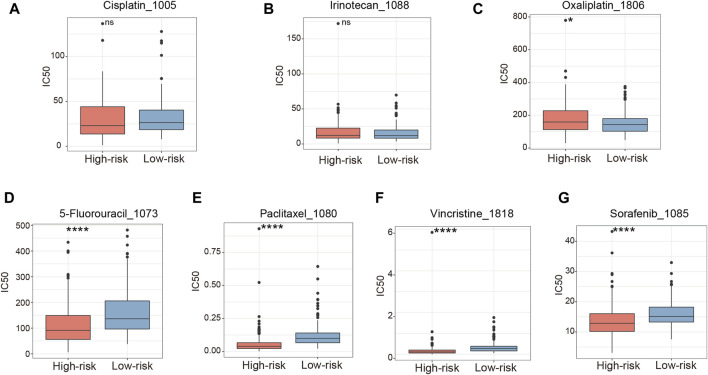
Hepatocellular carcinoma (HCC) represents a substantial global health burden. Tumorinfiltrating B lymphocytes (TIL-Bs) contribute to tumor progression and significantly impact the efficacy of tumor therapy. However, the characteristics of TIL-Bs in HCC and their effect on HCC therapy remain elusive. Single-cell RNA sequencing (scRNAseq) was applied to investigate the heterogeneity, cellular differentiation and cell-cell communication of TIL-Bs in HCC. Further, the Cancer Genome Atlas-liver hepatocellular carcinoma (TCGA-LIHC) and liver cancer institutes (LCI) cohorts were applied to construct and validate the plasma cell marker-based prognostic risk model. The relationship between the prognostic risk model and the responsiveness of immunotherapy and chemotherapy in patients with HCC were estimated by OncoPredict and tumor immune dysfunction and exclusion (TIDE) algorithm. Finally, we established nomogram and calibration curves to evaluate the precision of the risk score in predicating survival probability. Our data identified five subtypes of TIL-Bs in HCC, each exhibiting varying levels of infiltration in tumor tissues. The interactions between TIL-Bs and other cell types contributed to shaping distinct tumor microenvironments (TME). Moreover, we found that TIL-Bs subtypes had disparate prognostic values in HCC patients. The prognostic risk model demonstrated exceptional predictive accuracy for overall survival and exhibited varying sensitivities to immunotherapy and chemotherapy among patients with HCC. Our data demonstrated that the risk score stood as an independent prognostic predictor and the nomogram results further affirmed its strong prognostic capability. This study reveals the heterogeneity of TIL-Bs and provides a prognostic risk model based on plasma cell markers in HCC, which could prove valuable in predicting prognosis and guiding the choice of suitable therapies for patients with HCC.
肝细胞癌(HCC)是一项重大的全球健康负担。肿瘤浸润性B淋巴细胞(TIL-Bs)促进肿瘤进展,并显著影响肿瘤治疗的疗效。然而,HCC中TIL-Bs的特征及其对HCC治疗的影响仍不清楚。应用单细胞RNA测序(scRNAseq)来研究HCC中TIL-Bs的异质性、细胞分化和细胞间通讯。此外,利用癌症基因组图谱-肝细胞癌(TCGA-LIHC)和肝癌研究所(LCI)队列构建并验证基于浆细胞标志物的预后风险模型。通过OncoPredict和肿瘤免疫功能障碍与排除(TIDE)算法评估预后风险模型与HCC患者免疫治疗和化疗反应性之间的关系。最后,我们建立了列线图和校准曲线,以评估风险评分预测生存概率的准确性。我们的数据确定了HCC中TIL-Bs的五种亚型,每种亚型在肿瘤组织中的浸润水平各不相同。TIL-Bs与其他细胞类型之间的相互作用有助于形成不同的肿瘤微环境(TME)。此外,我们发现TIL-Bs亚型在HCC患者中具有不同的预后价值。预后风险模型对总生存期显示出卓越的预测准确性,并且在HCC患者中对免疫治疗和化疗表现出不同的敏感性。我们的数据表明风险评分是一个独立的预后预测指标,列线图结果进一步证实了其强大的预后能力。本研究揭示了TIL-Bs的异质性,并提供了一种基于浆细胞标志物的HCC预后风险模型,这对于预测预后和指导HCC患者选择合适的治疗方法可能具有重要价值。