Department of Oncology-Pathology, Karolinska Institutet, Stockholm, Sweden.
Department of Molecular Medicine and Surgery, Karolinska Institutet, Stockholm, Sweden.
Endocr Relat Cancer. 2024 Jul 8;31(9). doi: 10.1530/ERC-23-0061. Print 2024 Sep 1.
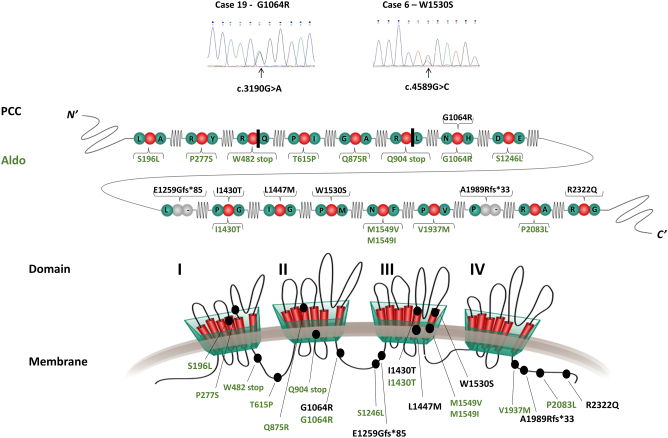
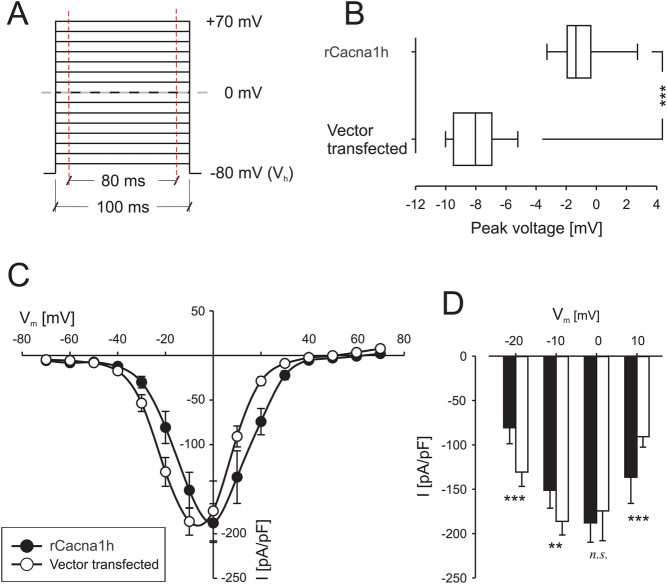
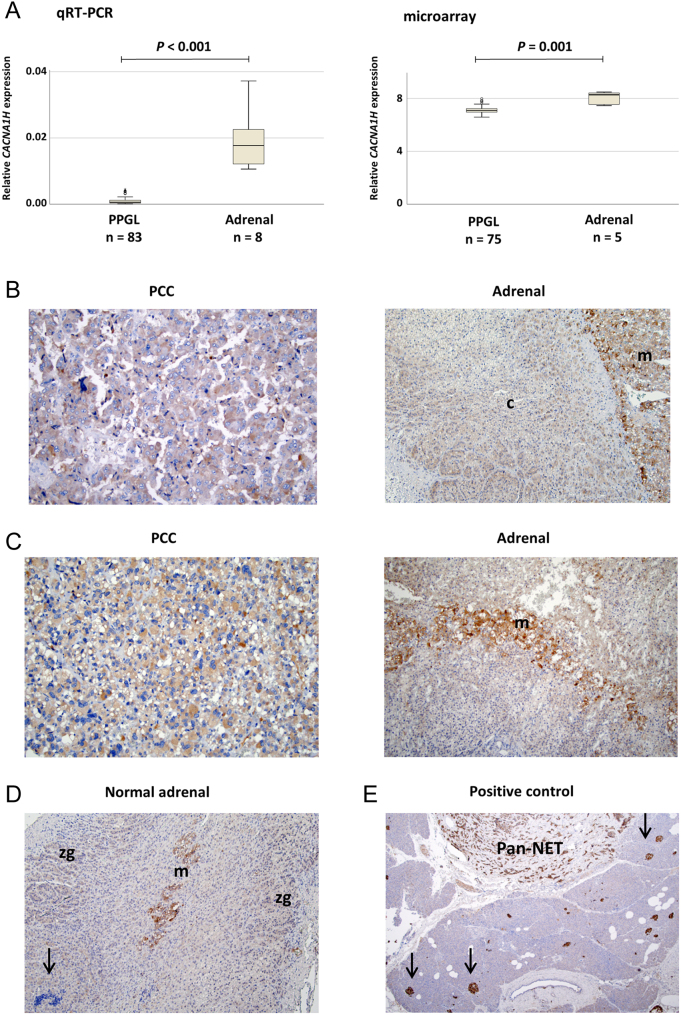
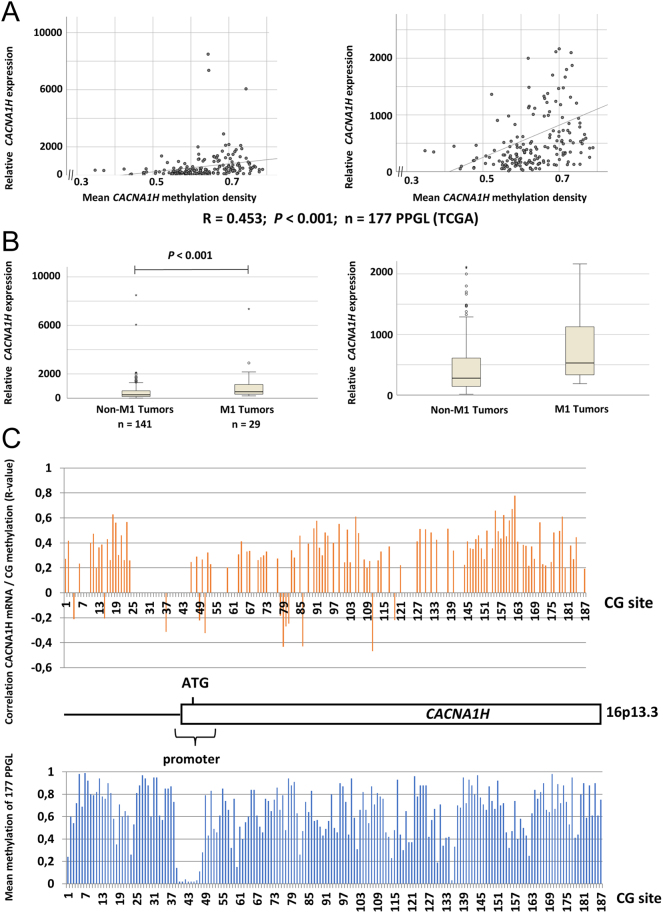
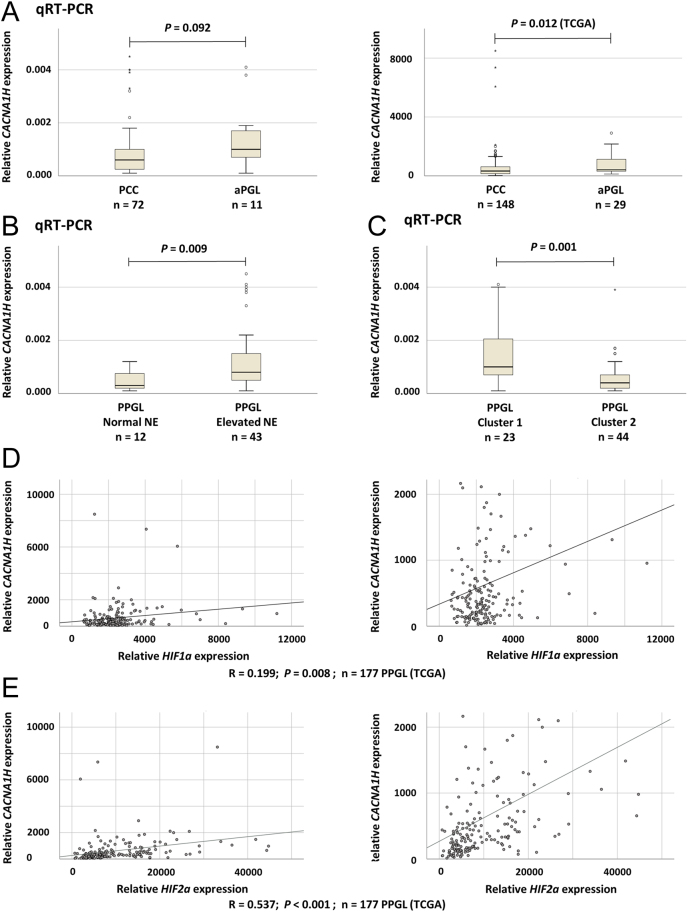
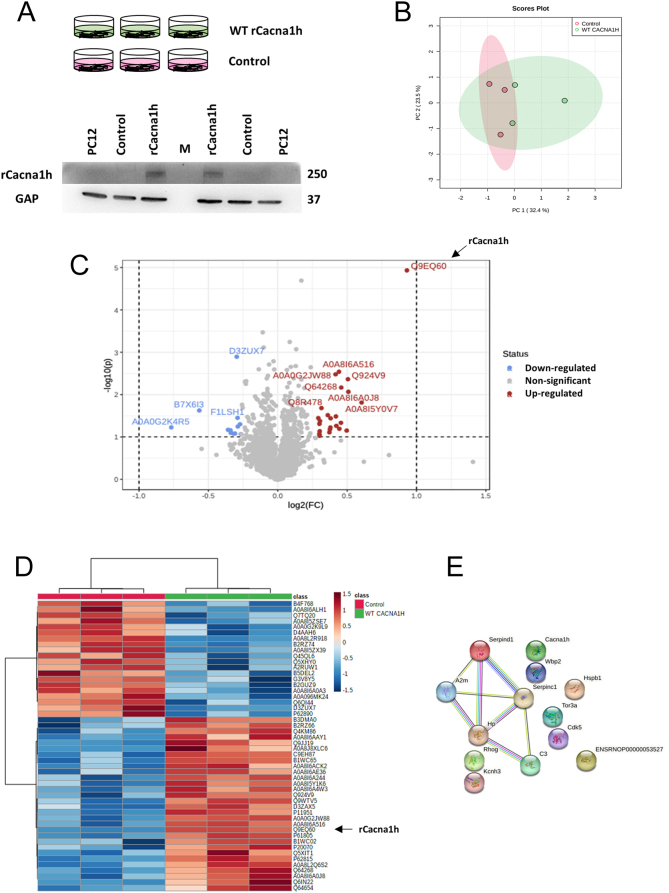
Pheochromocytoma (PCC) and abdominal paraganglioma (aPGL) (together abbreviated PPGL) frequently present with an underlying genetic event in a PPGL driver gene, and additional susceptibility genes are anticipated. Here, we re-analyzed whole-exome sequencing data for PCC patients and identified two patients with rare missense variants in the calcium voltage-gated channel subunit 1H gene (CACNA1H). CACNA1H variants were also found in the clinical setting in PCC patients using targeted sequencing and from analysis of The Cancer Genome Atlas database. In total, CACNA1H variants were found in six PCC cases. Three of these were constitutional, and two are known to have functional consequences on hormone production and gene expression in primary aldosteronism and aldosterone-producing adrenocortical adenoma. In general, PPGL exhibited reduced CACNA1H mRNA expression as compared to normal adrenal. Immunohistochemistry showed strong CACNA1H (CaV3.2) staining in adrenal medulla while PPGL typically had weak or negative staining. Reduced CACNA1H gene expression was especially pronounced in PCC compared to aPGL and in PPGL with cluster 2 kinase signaling phenotype. Furthermore, CACNA1H levels correlated with HIF1A and HIF2A. Moreover, TCGA data revealed a correlation between CACNA1H methylation density and gene expression. Expression of rCacna1h in PC12 cells induced differential protein expression profiles, determined by mass spectrometry, as well as a shift in the membrane potential where maximum calcium currents were observed, as determined by electrophysiology. The findings suggest the involvement of CACNA1H/CaV3.2 in pheochromocytoma development and establish a potential link between the etiology of adrenomedullary and adrenocortical tumor development.
嗜铬细胞瘤(PCC)和腹部副神经节瘤(aPGL)(统称为 PPGL)常因 PPGL 驱动基因中的潜在遗传事件和其他易感性基因而发生。在这里,我们重新分析了 PCC 患者的全外显子组测序数据,发现了两名患者在钙电压门控通道亚基 1H 基因(CACNA1H)中存在罕见的错义变异。使用靶向测序和分析 The Cancer Genome Atlas 数据库,在 PCC 患者的临床环境中也发现了 CACNA1H 变体。总共在 6 例 PCC 病例中发现了 CACNA1H 变体。其中 3 例为遗传性的,另外 2 例已知在原发性醛固酮增多症和醛固酮分泌性肾上腺皮质腺瘤中对激素产生和基因表达有功能影响。一般来说,与正常肾上腺相比,PPGL 表现出 CACNA1H 表达降低。免疫组化显示,肾上腺髓质中 CACNA1H(CaV3.2)染色强烈,而 PPGL 通常染色较弱或阴性。与 aPGL 相比,PCC 中 CACNA1H 基因表达降低更为明显,在具有簇 2 激酶信号表型的 PPGL 中更是如此。此外,CACNA1H 水平与 HIF1A 和 HIF2A 相关。此外,TCGA 数据显示 CACNA1H 甲基化密度与基因表达之间存在相关性。PC12 细胞中 rCacna1h 的表达诱导了通过质谱法确定的差异蛋白表达谱的改变,以及通过电生理学确定的最大钙电流观察到的膜电位的改变。这些发现表明 CACNA1H/CaV3.2 参与了嗜铬细胞瘤的发生,并建立了肾上腺髓质和肾上腺皮质肿瘤发生的病因之间的潜在联系。