Dumachița-Șargu Gabriela, Socolov Răzvan, Balan Teodora Ana, Gafițanu Dumitru, Akad Mona, Balan Raluca Anca
Department of Morphofunctional Sciences I, "Grigore T. Popa" University of Medicine and Pharmacy, 700115 Iasi, Romania.
"Elena Doamna" Clinical Hospital of Obstetrics and Gynecology, 700398 Iasi, Romania.
Diagnostics (Basel). 2024 Jun 1;14(11):1172. doi: 10.3390/diagnostics14111172.
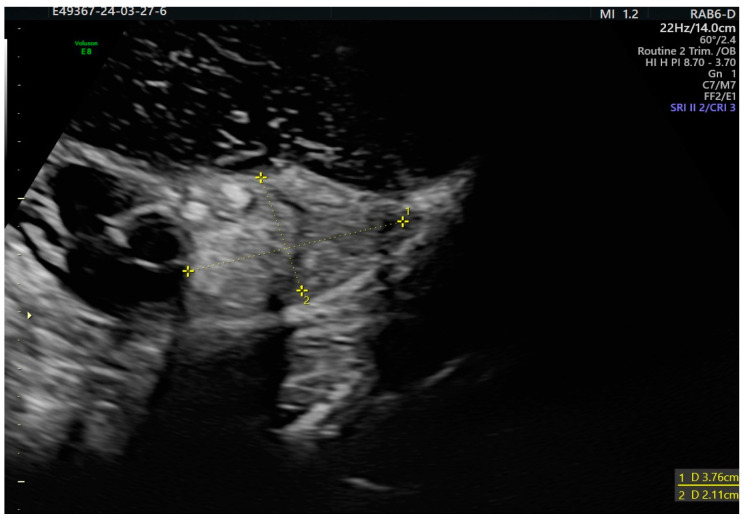
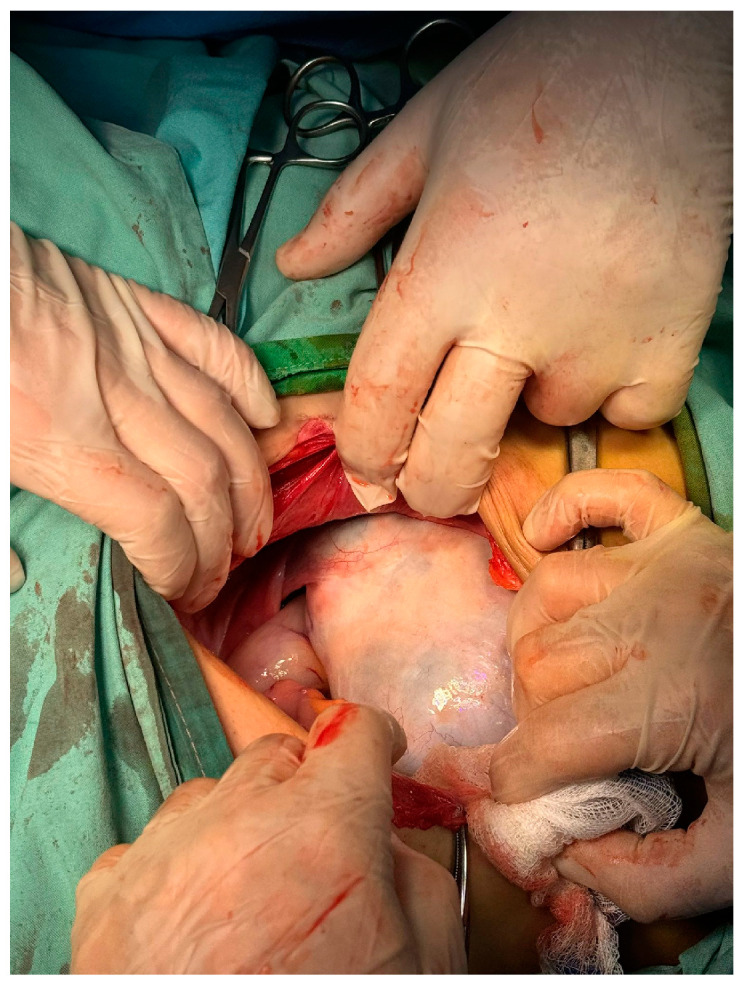
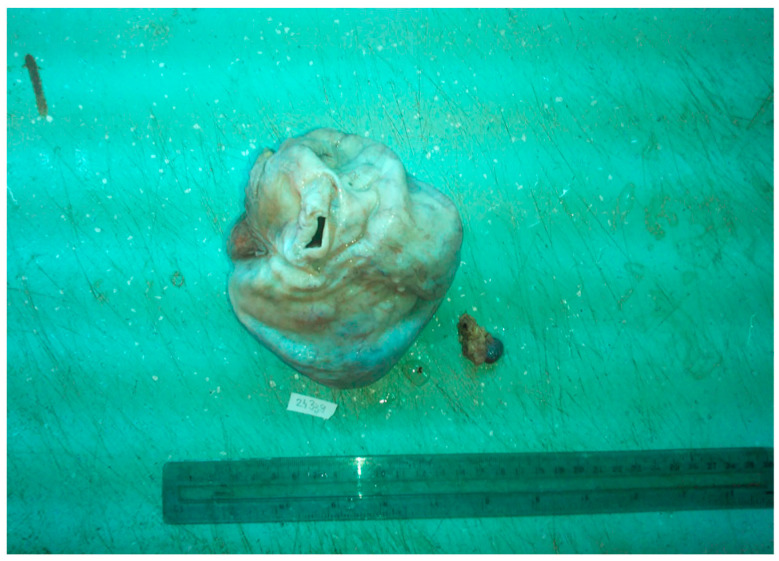
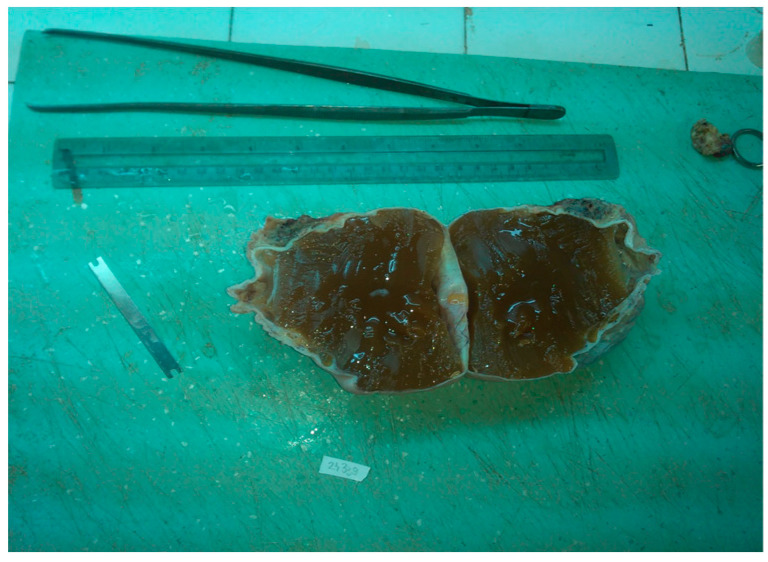
Struma ovarii is a rare type of ovarian teratoma primarily composed of over 50% thyroid tissue. Its occurrence is reported in 2-5% of all ovarian teratomas, with approximately 0.5% to 10% showing malignant transformation. Managing it during pregnancy poses significant challenges as pregnancy can promote the growth of malignant struma ovarii due to elevated levels of ovarian and pregnancy-related hormones, including estrogen, progesterone, and human chorionic gonadotrophin (hCG). Most ovarian tumors, including struma ovarii, are detected during routine ultrasonography in the first and second trimesters, often as acute emergencies. Diagnosis during pregnancy is rare, with some cases incidentally discovered during cesarean section when inspecting the adnexa for ovarian cysts. This review explores the diagnostic, management, and therapeutic approaches to struma ovarii during pregnancy.
卵巢甲状腺肿是一种罕见的卵巢畸胎瘤,主要由超过50%的甲状腺组织构成。据报道,其在所有卵巢畸胎瘤中的发生率为2%至5%,约0.5%至10%会发生恶变。在孕期对其进行管理面临重大挑战,因为妊娠期间卵巢激素及与妊娠相关的激素(包括雌激素、孕激素和人绒毛膜促性腺激素(hCG))水平升高,会促使恶变的卵巢甲状腺肿生长。大多数卵巢肿瘤,包括卵巢甲状腺肿,是在孕早期和孕中期的常规超声检查时被发现的,常常是作为急症。孕期诊断罕见,有些病例是在剖宫产时检查附件有无卵巢囊肿时偶然发现的。本文综述探讨了孕期卵巢甲状腺肿的诊断、管理及治疗方法。