He Junxian, Ma Menghui, Xu Zhenhan, Guo Jintao, Chen Haicheng, Yang Xing, Chen Peigen, Liu Guihua
Reproductive Medicine Center, The Sixth Affiliated Hospital, Sun Yat-sen University, Guangzhou, China.
GuangDong Engineering Technology Research Center of Fertility Preservation, Guangzhou, China.
Microbiol Spectr. 2024 Aug 6;12(8):e0075924. doi: 10.1128/spectrum.00759-24. Epub 2024 Jun 20.
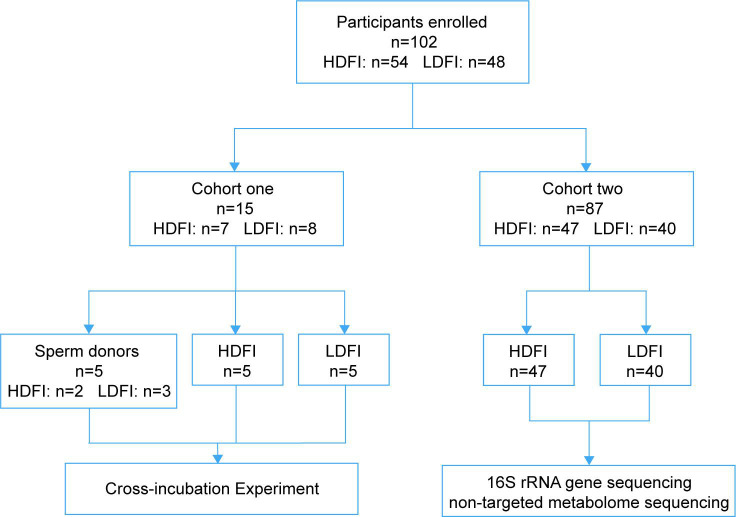
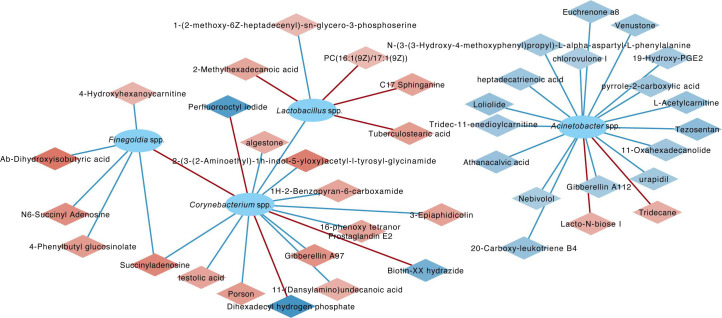
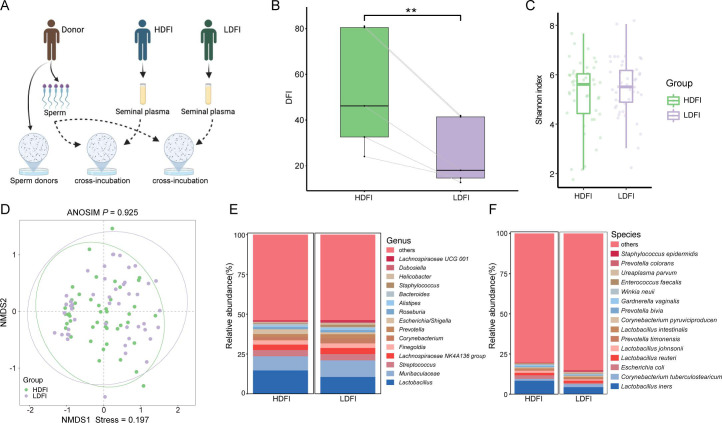
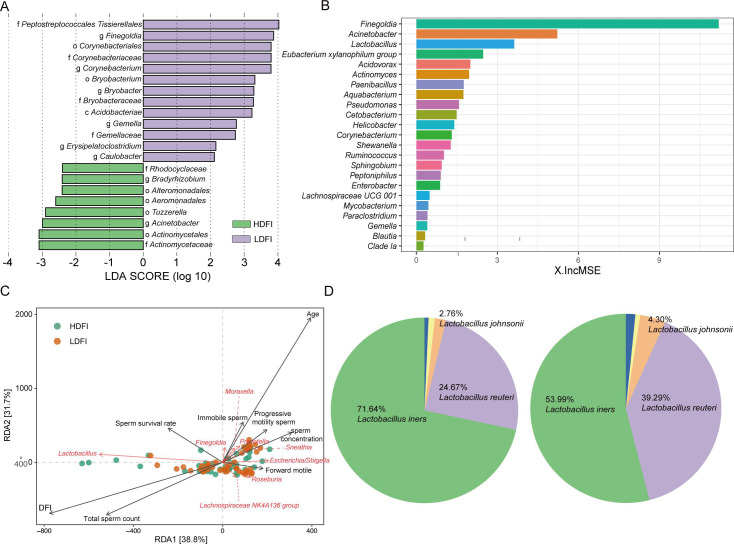
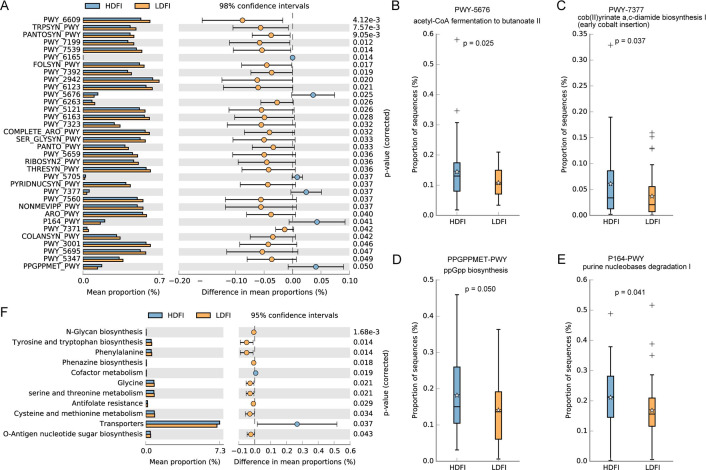
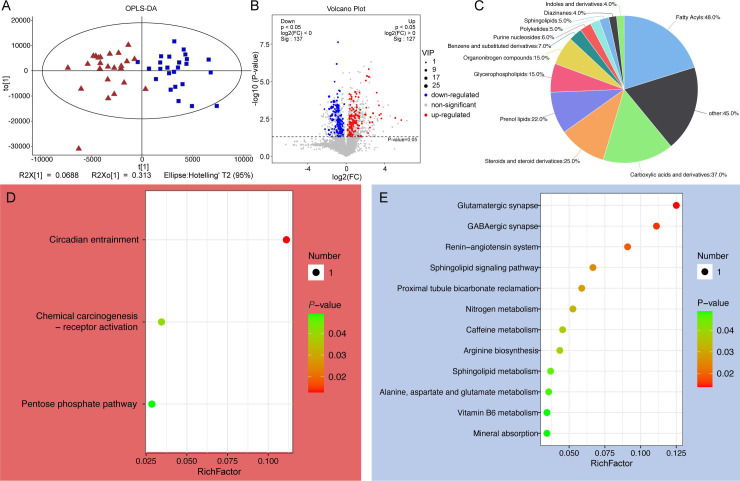
DNA fragmentation index (DFI), a new biomarker to diagnose male infertility, is closely associated with poor reproductive outcomes. Previous research reported that seminal microbiome correlated with sperm DNA integrity, suggesting that the microbiome may be one of the causes of DNA damage in sperm. However, it has not been elucidated how the microbiota exerts their effects. Here, we used a combination of 16S rRNA sequencing and untargeted metabolomics techniques to investigate the role of microbiota in high sperm DNA fragmentation index (HDFI). We report that increased specific microbial profiles contribute to high sperm DNA fragmentation, thus implicating the seminal microbiome as a new therapeutic target for HDFI patients. Additionally, we found that the amount of species was altered: was enriched in HDFI patients, shedding light on the potential influence of on male reproductive health. Finally, we also identified enrichment of the acetyl-CoA fermentation to butanoate II and purine nucleobase degradation I in the high sperm DNA fragmentation samples, suggesting that butanoate may be the target metabolite of sperm DNA damage. These findings provide valuable insights into the complex interplay between microbiota and sperm quality in HDFI patients, laying the foundation for further research and potential clinical interventions.IMPORTANCEThe DNA fragmentation index (DFI) is a measure of sperm DNA fragmentation. Because high sperm DNA fragmentation index (HDFI) has been strongly associated with adverse reproductive outcomes, this has been linked to the seminal microbiome. Because the number of current treatments for HDFI is limited and most of them have no clear efficacy, it is critical to understand how semen microbiome exerts their effects on sperm DNA. Here, we evaluated the semen microbiome and its metabolites in patients with high and low sperm DNA fragmentation. We found that increased specific microbial profiles contribute to high sperm DNA fragmentation. In particular, was uniquely correlated with high sperm DNA fragmentation. Additionally, butanoate may be the target metabolite produced by the microbiome to damage sperm DNA. Our findings support the interaction between semen microbiome and sperm DNA damage and suggest that seminal microbiome should be a new therapeutic target for HDFI patients.
DNA碎片化指数(DFI)是一种用于诊断男性不育的新型生物标志物,与不良生殖结局密切相关。先前的研究报道,精液微生物群与精子DNA完整性相关,这表明微生物群可能是精子DNA损伤的原因之一。然而,微生物群如何发挥其作用尚未阐明。在这里,我们结合16S rRNA测序和非靶向代谢组学技术,研究微生物群在高精子DNA碎片化指数(HDFI)中的作用。我们报告称,特定微生物谱的增加导致高精子DNA碎片化,因此表明精液微生物群是HDFI患者的一个新的治疗靶点。此外,我们发现物种数量发生了变化:在HDFI患者中富集,这揭示了其对男性生殖健康的潜在影响。最后,我们还在高精子DNA碎片化样本中鉴定出乙酰辅酶A发酵生成丁酸II和嘌呤核苷碱基降解I的富集,这表明丁酸可能是精子DNA损伤的目标代谢物。这些发现为HDFI患者微生物群与精子质量之间的复杂相互作用提供了有价值的见解,为进一步研究和潜在的临床干预奠定了基础。
重要性
DNA碎片化指数(DFI)是精子DNA碎片化的一种度量。由于高精子DNA碎片化指数(HDFI)与不良生殖结局密切相关,这与精液微生物群有关。由于目前针对HDFI的治疗方法有限,且大多数方法疗效不明确,因此了解精液微生物群如何对精子DNA发挥作用至关重要。在这里,我们评估了精子DNA碎片化程度高和低的患者的精液微生物群及其代谢物。我们发现特定微生物谱的增加导致高精子DNA碎片化。特别是,与高精子DNA碎片化具有独特的相关性。此外,丁酸可能是微生物群产生的损伤精子DNA的目标代谢物。我们的发现支持精液微生物群与精子DNA损伤之间的相互作用,并表明精液微生物群应该是HDFI患者的一个新的治疗靶点。