Bogdan Andreea Monica, Mitrea Ioan Liviu, Ionita Mariana
Department of Parasitology and Parasitic Diseases & Animal Biology, Faculty of Veterinary Medicine, University of Agronomic Sciences and Veterinary Medicine of Bucharest, 011464 Bucharest, Romania.
Vet Sci. 2024 Jun 13;11(6):269. doi: 10.3390/vetsci11060269.
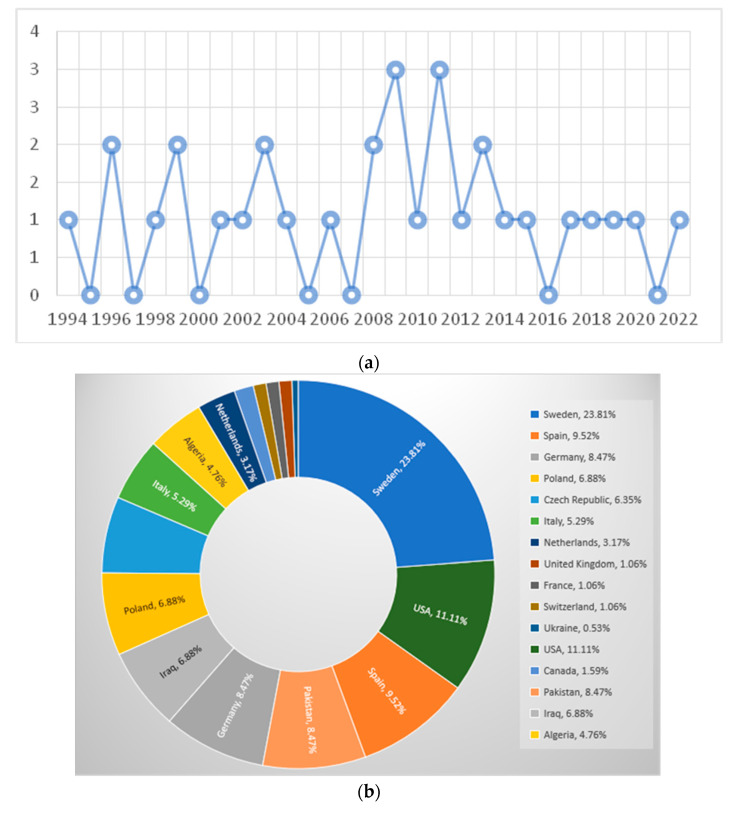
Equine granulocytic anaplasmosis (EGA) is a tick-borne disease affecting horses worldwide, caused by . The disease ranges from non-specific clinical signs to fatal outcomes. This paper aimed to analyze EGA cases reported in peer-reviewed journals, particularly on clinico-pathological findings, diagnosis, and therapeutic management. Overall, 189 clinical cases from 31 publications were included in the study. Extensive symptomatology for the EGA cases was reported, of which mostly was fever (90.30%), followed by limb edema (48.51%), anorexia (41.79%), depression (32.84%), icterus (22.39%), ataxia (17.91), tachycardia (16.42%), and lethargy (15.67%). Laboratory tests revealed thrombocytopenia (90.32%), anemia (75%), decreased hematocrit (70.59%), leukopenia (55.88%), lymphopenia (58.14%), and neutropenia (41.67%) as the most common hematological abnormalities. For a subset of tested animals, hyperbilirubinemia (20/29), hyperfibrinogenemia (13/15), and hyponatremia (10/10) were also reported. The diagnosis was established by microscopic identification of morulae (in 153 cases), and/or PCR (120 cases), isolation (1 case), or serology (56 cases). For treatment, oxytetracycline was used in the majority (52.24%) of EGA cases, but recovery without antibiotherapy (10.34%) was also noted. In conclusion, the variety of clinical and pathological findings and the challenging therapeutic approaches reported suggest that EGA should be included in the differential diagnosis when fever occurs.
马粒细胞无形体病(EGA)是一种由蜱传播的疾病,在全球范围内影响马匹。该疾病的临床表现从非特异性症状到致命后果不等。本文旨在分析同行评审期刊上报道的EGA病例,特别是临床病理结果、诊断和治疗管理。该研究共纳入了来自31篇出版物的189例临床病例。报告了EGA病例的广泛症状,其中最常见的是发热(90.30%),其次是肢体水肿(48.51%)、厌食(41.79%)、抑郁(32.84%)、黄疸(22.39%)、共济失调(17.91%)、心动过速(16.42%)和嗜睡(15.67%)。实验室检查显示,血小板减少(90.32%)、贫血(75%)、血细胞比容降低(70.59%)、白细胞减少(55.88%)、淋巴细胞减少(58.14%)和中性粒细胞减少(41.67%)是最常见的血液学异常。对于一部分受试动物,还报告了高胆红素血症(20/29)、高纤维蛋白原血症(13/15)和低钠血症(10/10)。诊断通过显微镜下鉴定桑葚体(153例)和/或PCR(120例)、分离培养(1例)或血清学检测(56例)来确立。在治疗方面,大多数EGA病例(52.24%)使用了土霉素,但也注意到有未使用抗生素治疗而康复的情况(10.34%)。总之,所报告的各种临床和病理结果以及具有挑战性的治疗方法表明,发热时应将EGA纳入鉴别诊断。