MacPherson G G, Warrell M J, White N J, Looareesuwan S, Warrell D A
Am J Pathol. 1985 Jun;119(3):385-401.
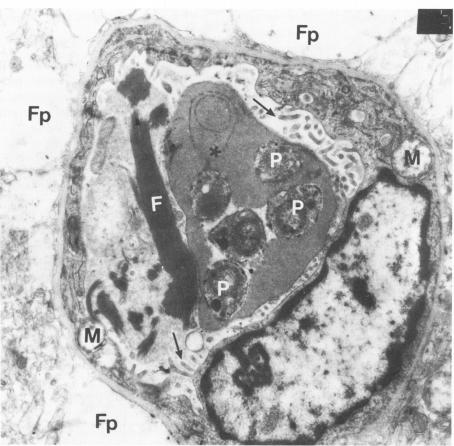
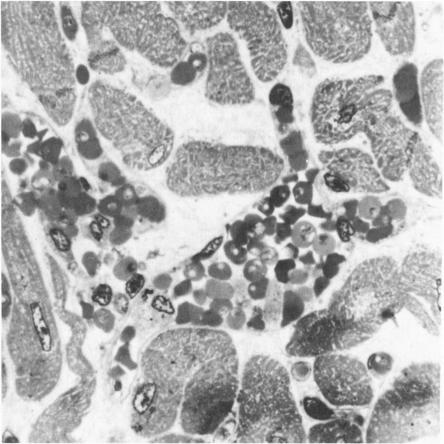
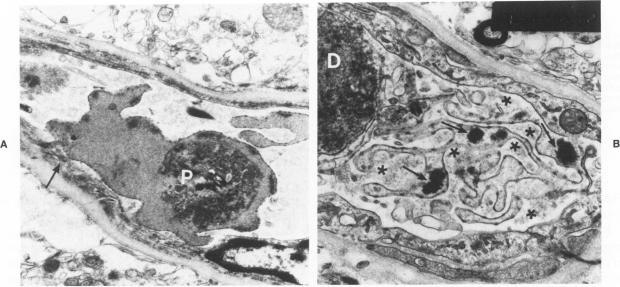
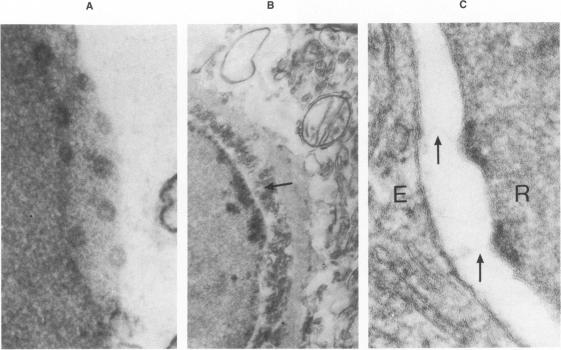
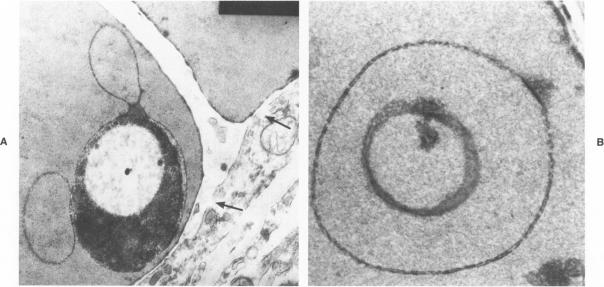
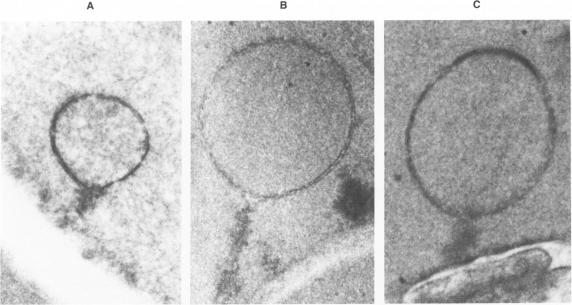
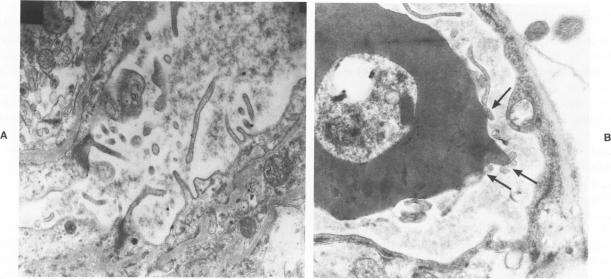
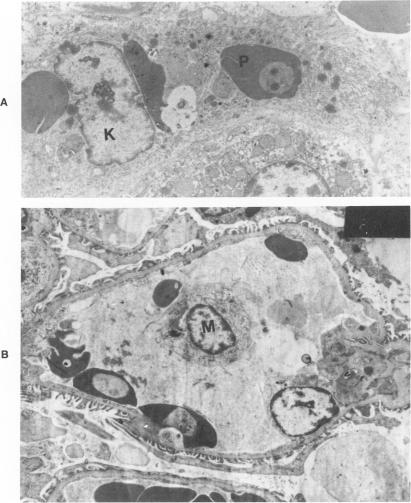
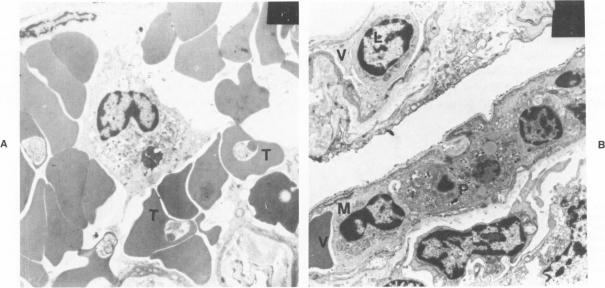
For investigation of the pathogenesis of cerebral malaria, immediate postmortem samples from brain and other tissues of patients dying with Plasmodium falciparum malaria, with (CM) or without (NCM) cerebral malaria, were processed for electron microscopy. Counts of parasitized erythrocytes (PRBCs) in cerebral and other vessels showed that the proportion of PRBCs was higher in CM than in NCM, and also that the proportion of PRBCs was higher in the brain than in other organs examined in both CM and NCM. Cerebral vessels from CM patients were more tightly packed with RBCs than those from NCM patients, but there was no significant difference in the amount or degree of endothelial damage or numbers of vessels with endothelial pseudopodia. Fibrillar (fibrin) deposits were present in a small proportion of vessels, but no thrombosis was present. There was neither acute nor chronic inflammation, and leukocytes were absent within or outside cerebral vessels. There was no immune complex deposition in cerebral vessels. Parasites in cerebral vessels were mainly trophozoites or schizonts. Occasional RBC remnants following parasite release were seen. Some parasites were degenerate, resembling crisis forms. PRBCs adhered to endothelium via surface knobs. It is concluded that there is no evidence for an inflammatory or immune pathogenesis for human cerebral malaria and that the clinical effects probably relate to anoxia and the metabolic activities of the parasites.
为了研究脑型疟疾的发病机制,对死于恶性疟原虫疟疾(伴有脑型疟疾[CM]或不伴有脑型疟疾[NCM])的患者的脑及其他组织的死后即刻样本进行电子显微镜检查。对脑和其他血管中被寄生红细胞(PRBCs)的计数显示,CM中PRBCs的比例高于NCM,并且在CM和NCM中,脑中PRBCs的比例均高于其他检查器官。与NCM患者相比,CM患者脑血管中的红细胞堆积更紧密,但内皮损伤的数量或程度以及有内皮伪足的血管数量没有显著差异。一小部分血管中存在纤维状(纤维蛋白)沉积物,但没有血栓形成。既没有急性炎症也没有慢性炎症,脑血管内外均无白细胞。脑血管中没有免疫复合物沉积。脑血管中的寄生虫主要是滋养体或裂殖体。可见寄生虫释放后偶尔残留的红细胞。一些寄生虫退化,类似危象形式。PRBCs通过表面凸起粘附在内皮上。得出的结论是,没有证据表明人类脑型疟疾存在炎症或免疫发病机制,其临床效应可能与缺氧和寄生虫的代谢活动有关。