Key Laboratory of Imaging Diagnosis and Minimally Invasive Intervention Research, School of Medicine, Lishui Hospital, Zhejiang University, Lishui, 323000, China.
Department of Radiology, Sir Run Run Shaw Hospital, Zhejiang University School of Medicine, Hangzhou, 310016, China.
Mol Cancer. 2024 Jul 5;23(1):137. doi: 10.1186/s12943-024-02049-0.
The outcome of hepatocellular carcinoma (HCC) is limited by its complex molecular characteristics and changeable tumor microenvironment (TME). Here we focused on elucidating the functional consequences of Maternal embryonic leucine zipper kinase (MELK) in the tumorigenesis, progression and metastasis of HCC, and exploring the effect of MELK on immune cell regulation in the TME, meanwhile clarifying the corresponding signaling networks.
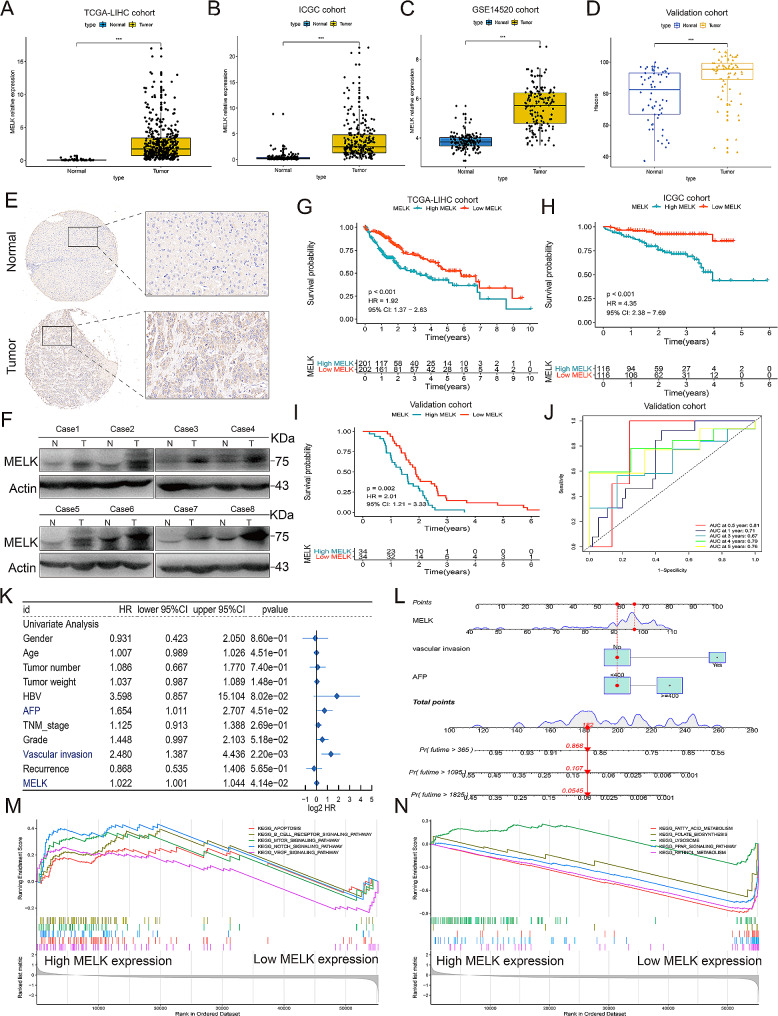
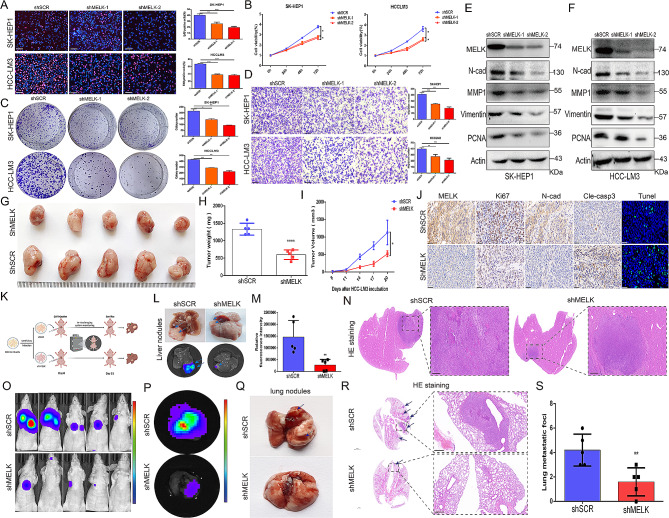
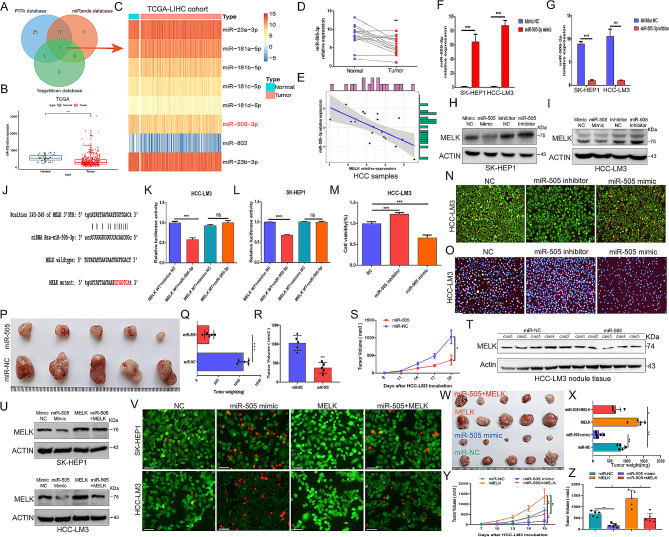
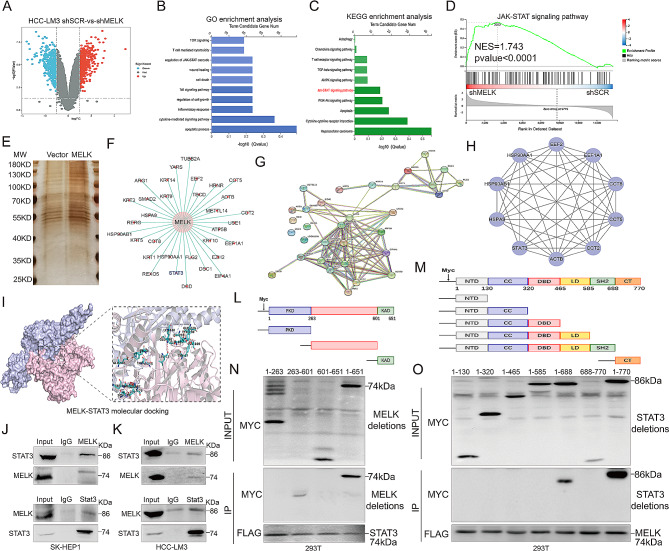
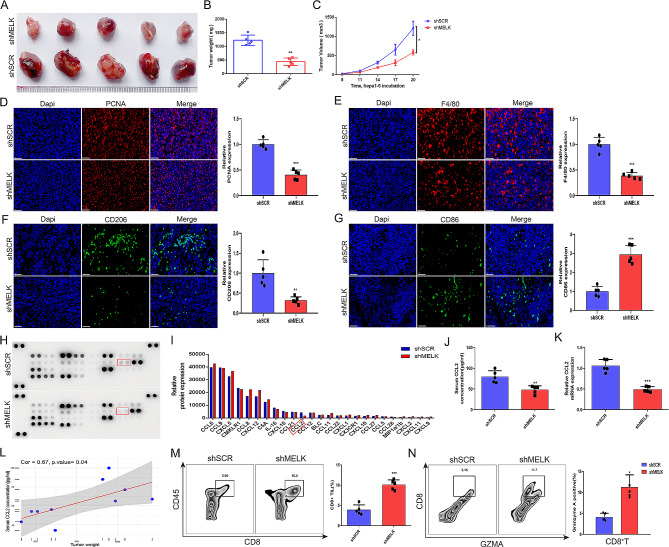
Bioinformatic analysis was used to validate the prognostic value of MELK for HCC. Murine xenograft assays and HCC lung metastasis mouse model confirmed the role of MELK in tumorigenesis and metastasis in HCC. Luciferase assays, RNA sequencing, immunopurification-mass spectrometry (IP-MS) and coimmunoprecipitation (CoIP) were applied to explore the upstream regulators, downstream essential molecules and corresponding mechanisms of MELK in HCC.
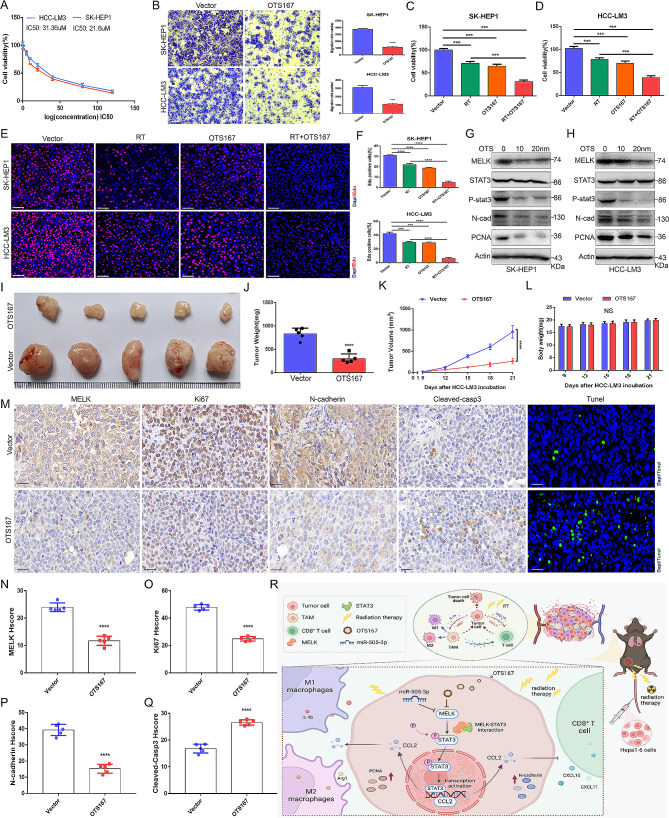
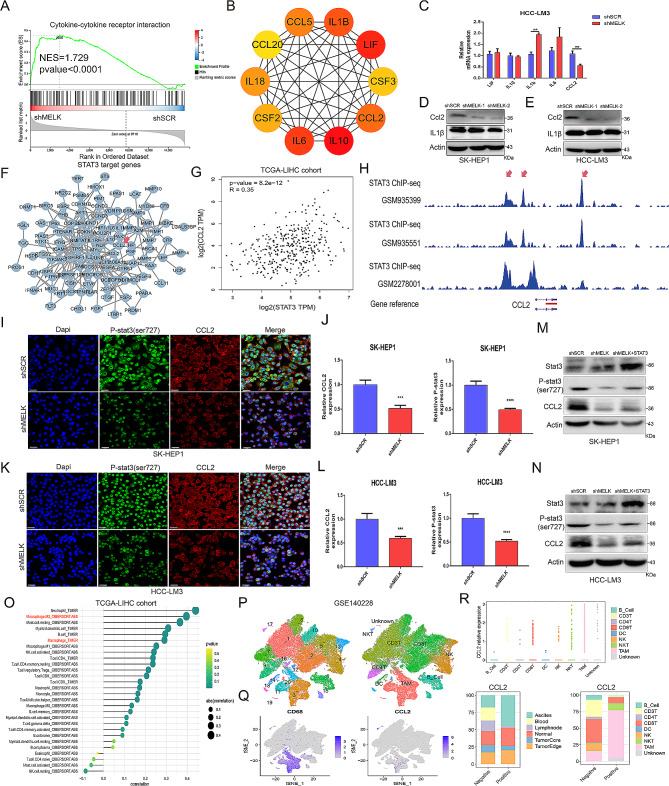
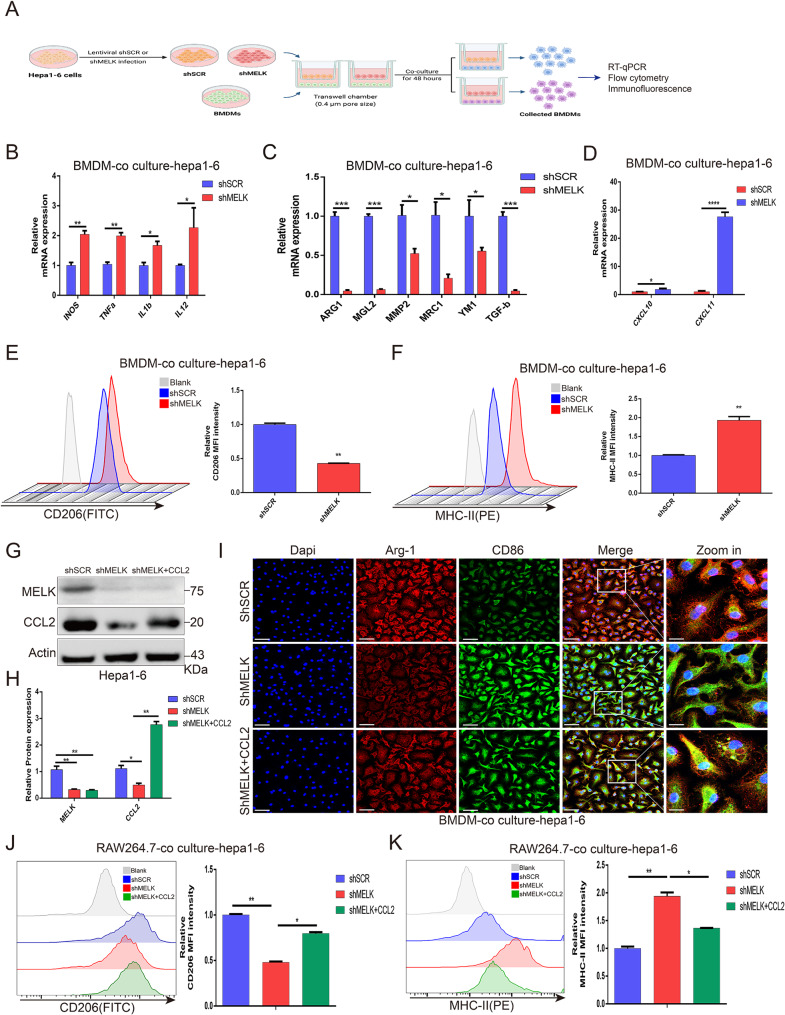
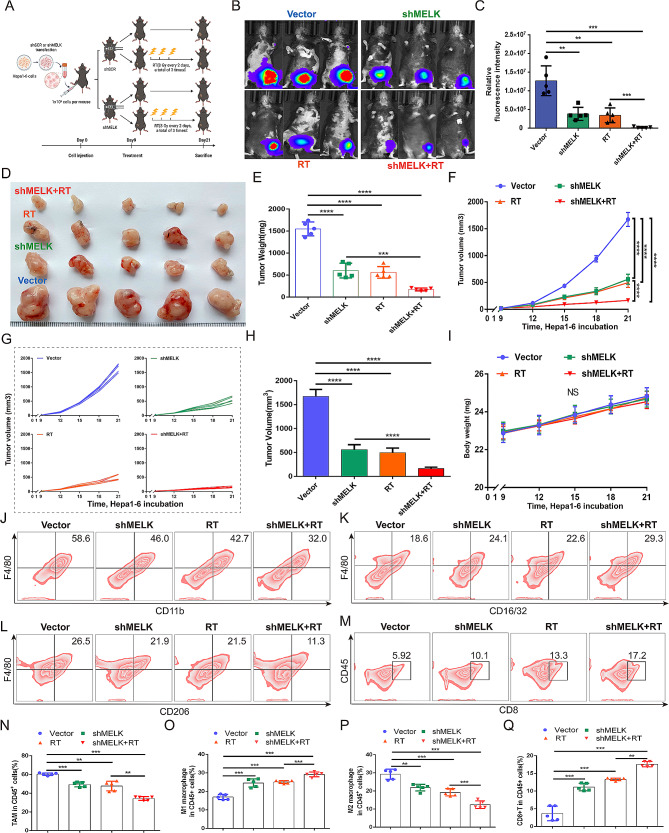
We confirmed MELK to be a reliable prognostic factor of HCC and identified MELK as an effective candidate in facilitating the tumorigenesis, progression, and metastasis of HCC; the effects of MELK depended on the targeted regulation of the upstream factor miR-505-3p and interaction with STAT3, which induced STAT3 phosphorylation and increased the expression of its target gene CCL2 in HCC. In addition, we confirmed that tumor cell-intrinsic MELK inhibition is beneficial in stimulating M1 macrophage polarization, hindering M2 macrophage polarization and inducing CD8 + T-cell recruitment, which are dependent on the alteration of CCL2 expression. Importantly, MELK inhibition amplified RT-related immune effects, thereby synergizing with RT to exert substantial antitumor effects. OTS167, an inhibitor of MELK, was also proven to effectively impair the growth and progression of HCC and exert a superior antitumor effect in combination with radiotherapy (RT).
Altogether, our findings highlight the functional role of MELK as a promising target in molecular therapy and in the combination of RT therapy to improve antitumor effect for HCC.
肝细胞癌 (HCC) 的预后受到其复杂分子特征和不断变化的肿瘤微环境 (TME) 的限制。在这里,我们专注于阐明 Maternal embryonic leucine zipper kinase (MELK) 在 HCC 发生、发展和转移中的功能后果,并探索 MELK 对 TME 中免疫细胞调节的影响,同时阐明相应的信号网络。
使用生物信息学分析验证 MELK 对 HCC 的预后价值。鼠异种移植实验和 HCC 肺转移小鼠模型证实了 MELK 在 HCC 发生和转移中的作用。荧光素酶检测、RNA 测序、免疫沉淀-质谱 (IP-MS) 和免疫共沉淀 (CoIP) 用于探索 MELK 在 HCC 中的上游调节因子、下游关键分子及其相应机制。
我们证实 MELK 是 HCC 的可靠预后因素,并确定 MELK 是促进 HCC 发生、发展和转移的有效候选物;MELK 的作用取决于上游因子 miR-505-3p 的靶向调节和与 STAT3 的相互作用,这诱导了 STAT3 的磷酸化并增加了 HCC 中其靶基因 CCL2 的表达。此外,我们证实肿瘤细胞内在的 MELK 抑制有利于刺激 M1 巨噬细胞极化,抑制 M2 巨噬细胞极化并诱导 CD8+T 细胞募集,这依赖于 CCL2 表达的改变。重要的是,MELK 抑制增强了 RT 相关的免疫效应,从而与 RT 协同发挥显著的抗肿瘤作用。MELK 抑制剂 OTS167 也被证明能有效抑制 HCC 的生长和进展,并在与放疗 (RT) 联合治疗时发挥更好的抗肿瘤作用。
总之,我们的研究结果强调了 MELK 作为一种有前途的分子治疗靶点的功能作用,以及与 RT 治疗联合提高 HCC 抗肿瘤效果的作用。