Jiang Jilian, Zou Xinyu, Mitchell Ross N, Zhang Yigang, Zhao Yong, Yin Qing-Zhu, Yang Wei, Zhou Xiqiang, Wang Hao, Spencer Christopher J, Shan Xiaocai, Wu Shitou, Li Guangming, Qin Kezhang, Li Xian-Hua
State Key Laboratory of Lithospheric and Environmental Coevolution, Institute of Geology and Geophysics, Chinese Academy of Sciences, Beijing 100029, People's Republic of China.
College of Earth and Planetary Sciences, University of Chinese Academy of Sciences, Beijing 100049, People's Republic of China.
Proc Natl Acad Sci U S A. 2024 Jul 23;121(30):e2405160121. doi: 10.1073/pnas.2405160121. Epub 2024 Jul 8.
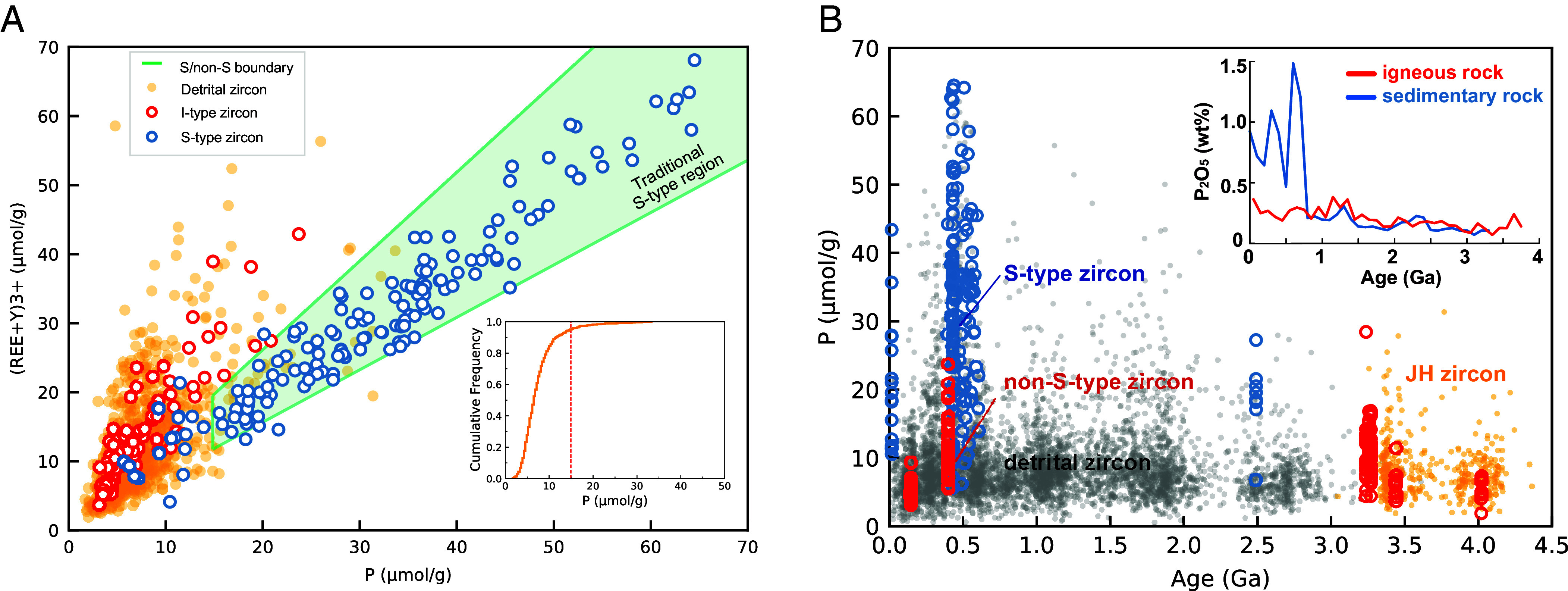
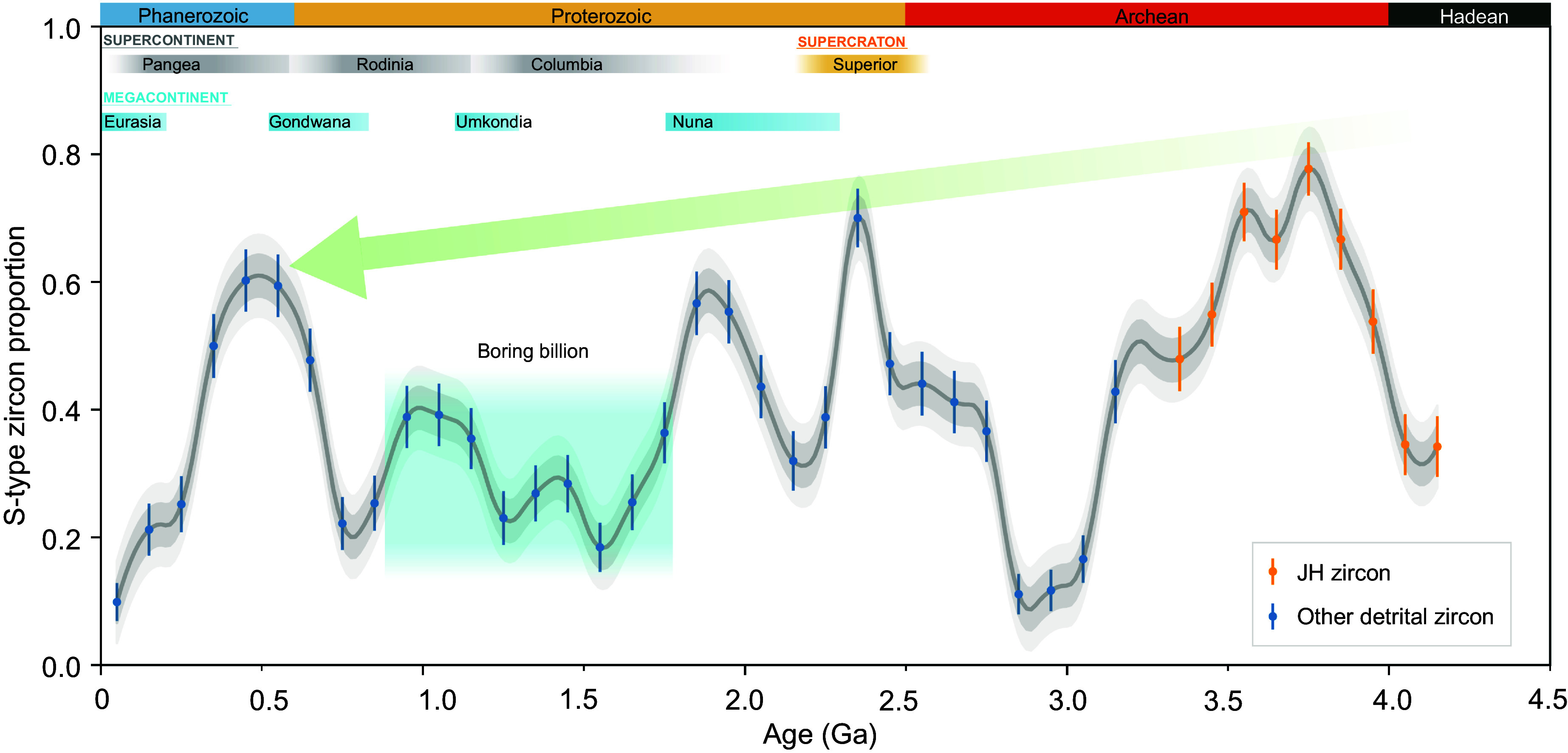
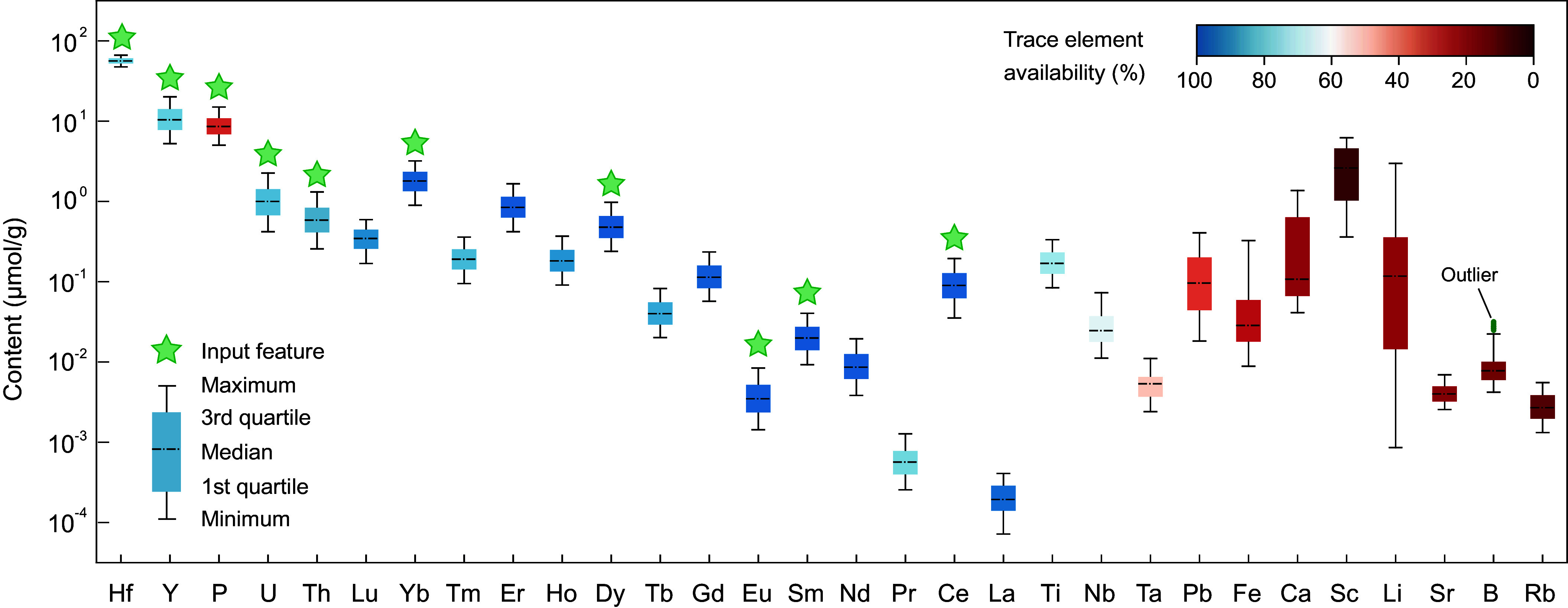
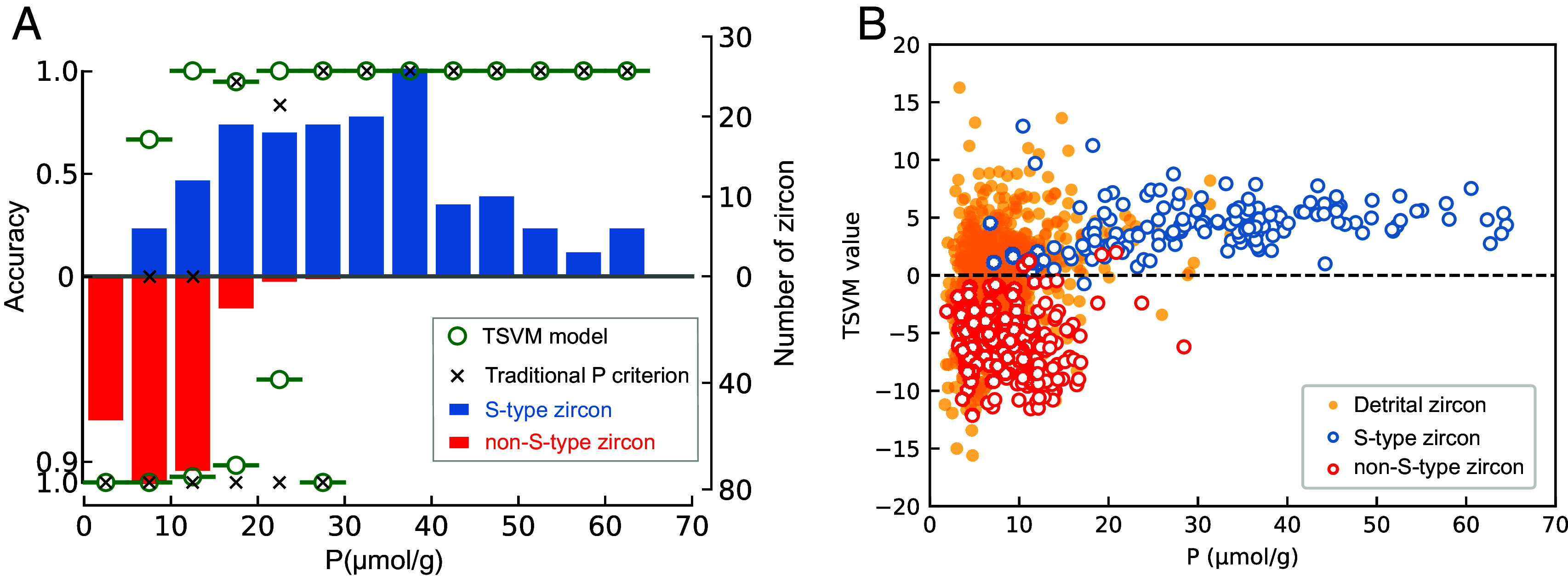
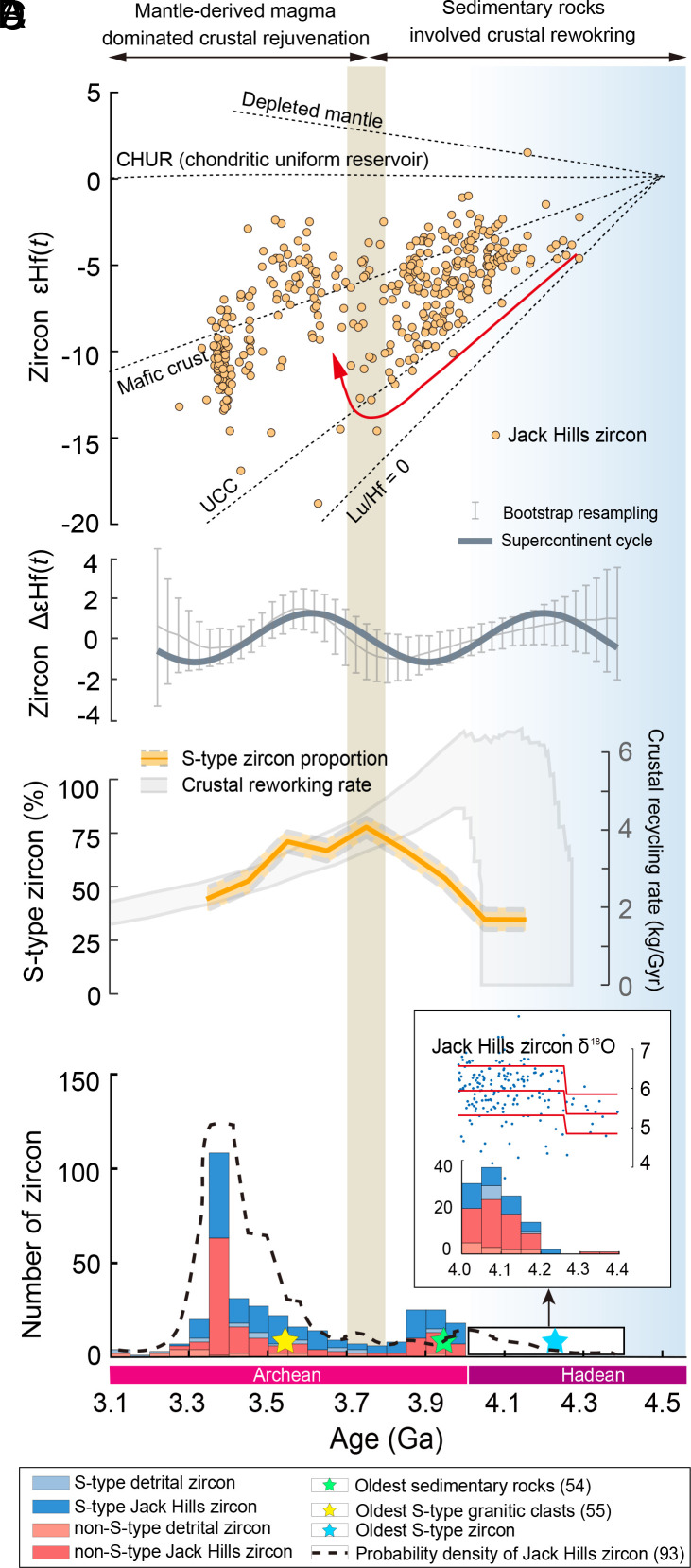
Due to the scarcity of rock samples, the Hadean Era predating 4 billion years ago (Ga) poses challenges in understanding geological processes like subaerial weathering and plate tectonics that are critical for the evolution of life. The Jack Hills zircon from Western Australia, the primary Hadean samples available, offer valuable insights into magma sources and tectonic genesis through trace element signatures. However, a consensus on these signatures has not been reached. To address this, we developed a machine learning classifier capable of deciphering the geochemical fingerprints of zircon. This allowed us to identify the oldest detrital zircon originating from sedimentary-derived "S-type" granites. Our results indicate the presence of S-type granites as early as 4.24 Ga, persisting throughout the Hadean into the Archean. Examining global detrital zircon across Earth's history reveals consistent supercontinent-like cycles from the present back to the Hadean. These findings suggest that a significant amount of Hadean continental crust was exposed, weathered into sediments, and incorporated into the magma sources of Jack Hills zircon. Only the early operation of both subaerial weathering and plate subduction can account for the prevalence of S-type granites we observe. Additionally, the periodic evolution of S-type granite proportions implies that subduction-driven tectonic cycles were active during the Hadean, at least around 4.2 Ga. The evidence thus points toward an early Earth resembling the modern Earth in terms of active tectonics and habitable surface conditions. This suggests the potential for life to originate in environments like warm ponds rather than extreme hydrothermal settings.
由于岩石样本稀缺,40亿年前(Ga)之前的冥古宙给理解诸如对生命演化至关重要的陆地风化和板块构造等地质过程带来了挑战。来自西澳大利亚的杰克山锆石是现有的主要冥古宙样本,通过微量元素特征为岩浆源和构造成因提供了宝贵见解。然而,对于这些特征尚未达成共识。为解决这一问题,我们开发了一种能够解读锆石地球化学指纹的机器学习分类器。这使我们能够识别出源自沉积成因的“S型”花岗岩的最古老碎屑锆石。我们的结果表明,早在42.4亿年前就存在S型花岗岩,并且在整个冥古宙一直持续到太古宙。研究地球历史上的全球碎屑锆石发现,从现在追溯到冥古宙存在一致的类似超级大陆的周期。这些发现表明,大量冥古宙大陆地壳暴露,风化形成沉积物,并融入杰克山锆石的岩浆源中。只有陆地风化和板块俯冲的早期作用才能解释我们观察到的S型花岗岩的普遍存在。此外,S型花岗岩比例的周期性演化意味着在冥古宙,至少在42亿年前左右,俯冲驱动的构造周期是活跃的。因此,证据表明早期地球在活跃构造和宜居表面条件方面类似于现代地球。这表明生命有可能起源于温暖池塘等环境,而不是极端的热液环境。