Alfaraj Samaher, Alharbi Ashwaq A, Aldabal Hind J, Alhabib Yara S, AlKhelaiwi Shihanah
Obstetrics and Gynecology, Ministry of National Guard Health Affairs (MNGHA), Riyadh, SAU.
Reproductive Endocrinology and Infertility, King Fahad Medical City (KFMC), Riyadh, SAU.
Cureus. 2023 Jul 22;15(7):e42303. doi: 10.7759/cureus.42303. eCollection 2023 Jul.
Ovarian hyperstimulation syndrome (OHSS) is a frequent, potentially lethal side effect of assisted reproductive technology (ART), distinguished by symptoms such as ovarian enlargement, ascites, and pleural effusion.
This study is designed to study the effect of assisted reproductive technology (ART) cycle complicated by OHSS on pregnancy outcomes.
A case series study at King Abdulaziz Medical City (KAMC) in Riyadh, Saudi Arabia, was executed to examine the pregnancy outcomes in in vitro fertilization (IVF) and intracytoplasmic sperm injection (ICSI) cycles. Fifteen patients were admitted to the IVF unit between January 2015 and December 2021. Data were retrieved from patients' medical records, and descriptive statistical methods were employed to analyze participants' data.
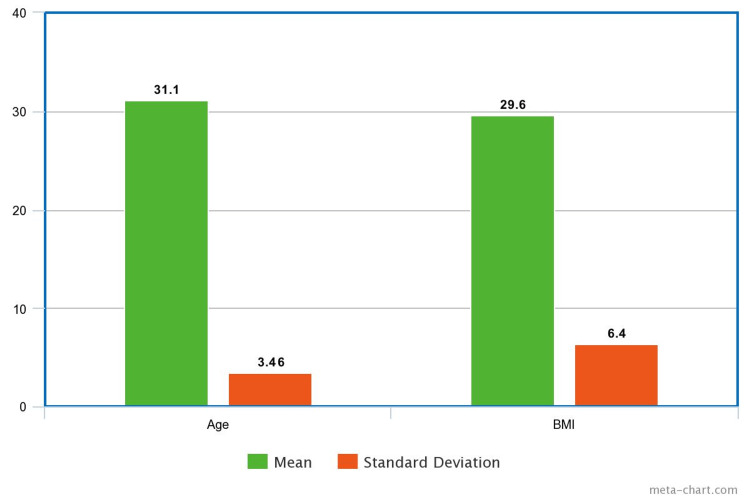
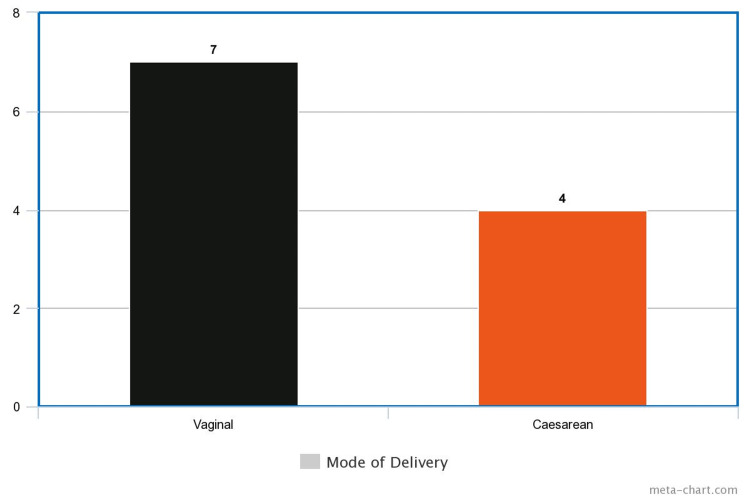
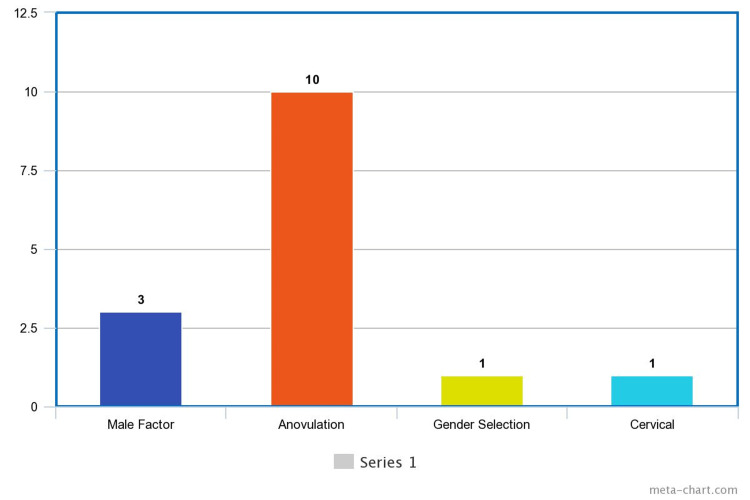
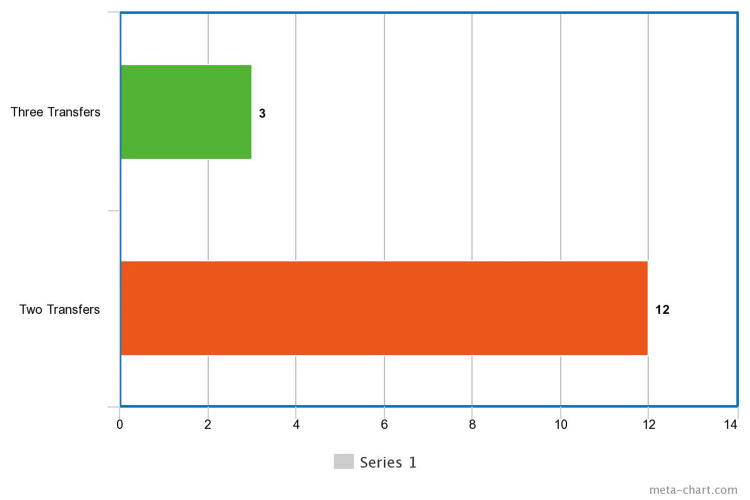
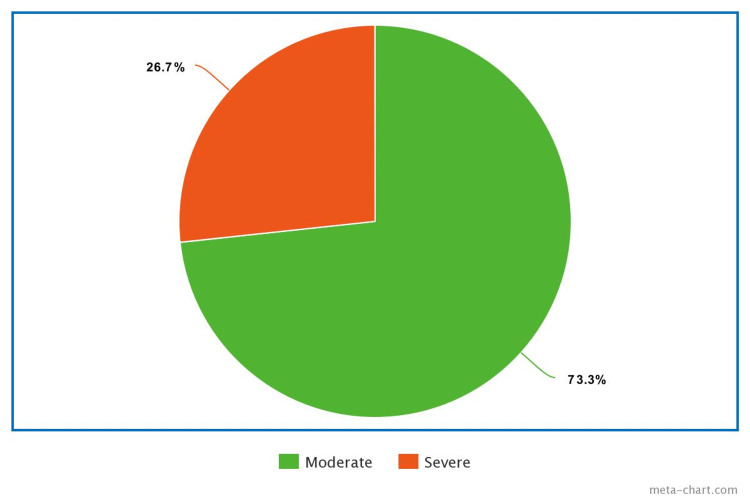
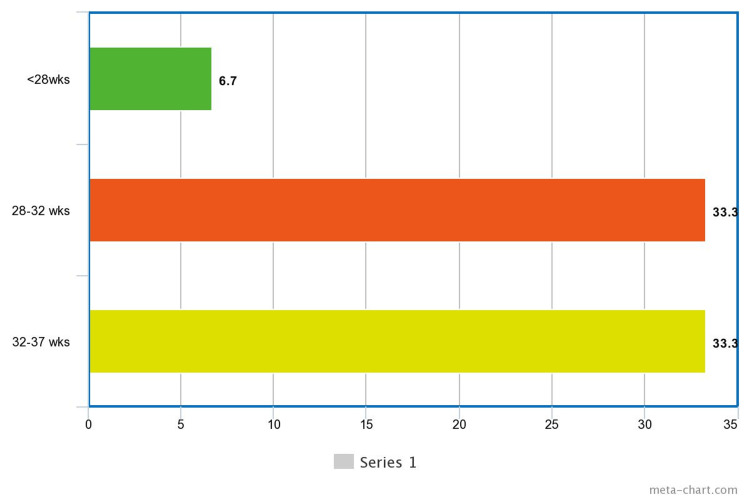
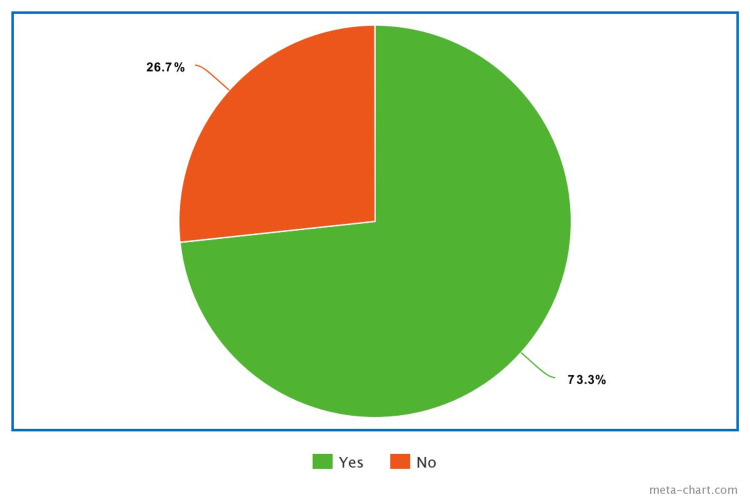
The study assessed pregnancy outcomes for 15 female participants (mean age=31.1 years, SD=3.46) with a BMI range of 20-40 (mean BMI=29.6, SD=6.4), of whom 33.3% were classified as obese. The primary factor of infertility was anovulation (66.7%), followed by male factors (20%). About 26.7% of those affected by OHSS had moderate OHSS, and 73.3% had severe OHSS, with 100% of those with severe OHSS having undergone three embryo transfers. None of the participants developed gestational diabetes mellitus (DM), but one participant had high blood sugar levels (6.67% of total participants), with a mean glucose of 6.3±2.0. There were no instances of preeclampsia, gestational hypertension, abnormal placentas, or congenital abnormalities in newborns among the participants. Preterm deliveries were common, with 33.3% delivering between 32 and 37 weeks, 6.7% before 28 weeks, and 33.3% within 28-32 weeks. Overall, 73.3% of the participants experienced pregnancy, and the birth mode was almost evenly split between vaginal and cesarean birth.
In conclusion, this research provides an exploration into the outcomes of pregnancies in women undergoing assisted reproductive technology treatments complicated by ovarian hyperstimulation syndrome. It shows anovulation as a prevalent cause of infertility and a noteworthy incidence of severe OHSS. Despite these challenges, a significant number of women were able to experience pregnancy, although preterm deliveries and abortions were common. The delivery methods were fairly balanced between vaginal birth and cesarean section. These findings underscore the necessity for more effective strategies to manage OHSS and improve pregnancy outcomes in ART procedures.
卵巢过度刺激综合征(OHSS)是辅助生殖技术(ART)常见的、潜在致命的副作用,其特征为卵巢增大、腹水和胸腔积液等症状。
本研究旨在探讨合并OHSS的辅助生殖技术(ART)周期对妊娠结局的影响。
在沙特阿拉伯利雅得的阿卜杜勒阿齐兹国王医疗城(KAMC)进行了一项病例系列研究,以检查体外受精(IVF)和卵胞浆内单精子注射(ICSI)周期的妊娠结局。2015年1月至2021年12月期间,15名患者入住IVF科室。从患者病历中检索数据,并采用描述性统计方法分析参与者的数据。
该研究评估了15名女性参与者(平均年龄=31.1岁,标准差=3.46)的妊娠结局,其BMI范围为20-40(平均BMI=29.6,标准差=6.4),其中33.3%被归类为肥胖。不孕的主要因素是无排卵(66.7%),其次是男性因素(20%)。约26.7%的OHSS患者为中度OHSS,73.3%为重度OHSS,100%的重度OHSS患者进行了三次胚胎移植。没有参与者发生妊娠期糖尿病(DM),但有一名参与者血糖水平较高(占总参与者的6.67%),平均血糖为6.3±2.0。参与者中没有先兆子痫、妊娠期高血压、胎盘异常或新生儿先天性异常的情况。早产很常见,33.3%在32至37周之间分娩,6.7%在28周前分娩,33.3%在28-32周内分娩。总体而言,73.3%的参与者怀孕,分娩方式在阴道分娩和剖宫产之间几乎平分。
总之,本研究对接受合并卵巢过度刺激综合征的辅助生殖技术治疗的女性的妊娠结局进行了探索。研究表明无排卵是不孕的常见原因,重度OHSS的发生率值得关注。尽管存在这些挑战,但仍有相当数量的女性能够怀孕,不过早产和流产很常见。分娩方式在阴道分娩和剖宫产之间相当均衡。这些发现强调了采取更有效策略来管理OHSS并改善ART程序中妊娠结局的必要性。